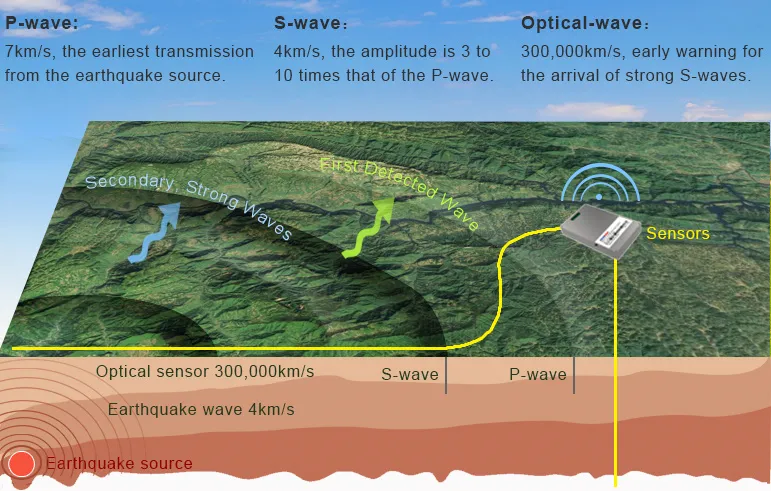
Vibration Resistant PCB
Vibration resistant PCBs are essential in environments where mechanical stress can compromise electronic performance, such as in automotive systems, aerospace applications, and industrial machinery. These specialized circuit boards incorporate design features and materials that mitigate the effects of continuous or intermittent vibrations, ensuring reliability and longevity. By focusing on robust construction techniques, engineers can prevent issues like solder joint failures, component dislodgement, or signal integrity loss, which are common in high-vibration settings. For professionals and hobbyists searching for vibration resistant PCB solutions, this tag provides a curated collection of resources that delve into key strategies for enhancing durability. Consider incorporating flexible substrates or reinforced laminates to absorb shocks, and opt for surface-mount components with secure anchoring methods like conformal coatings or potting compounds. Best practices include conducting thorough vibration testing using standards like MIL-STD-810 or IEC 60068, which simulate real-world conditions to validate designs. In practical terms, these approaches are invaluable for applications ranging from vehicle electronics exposed to road rumble to drones navigating turbulent airflows, where even minor vibrations can lead to catastrophic failures. Exploring the articles linked under this Vibration Resistant PCB tag offers deeper insights into material selection, layout optimization, and case studies from successful implementations. Whether you are troubleshooting an existing design or starting a new project, these resources equip you with the knowledge to build resilient electronics that stand up to demanding operational demands.
Technical Articles

Four Ways to Improve IMU Performance

Underground Robotics Challenges: Engineering Electronics for Extreme Environments
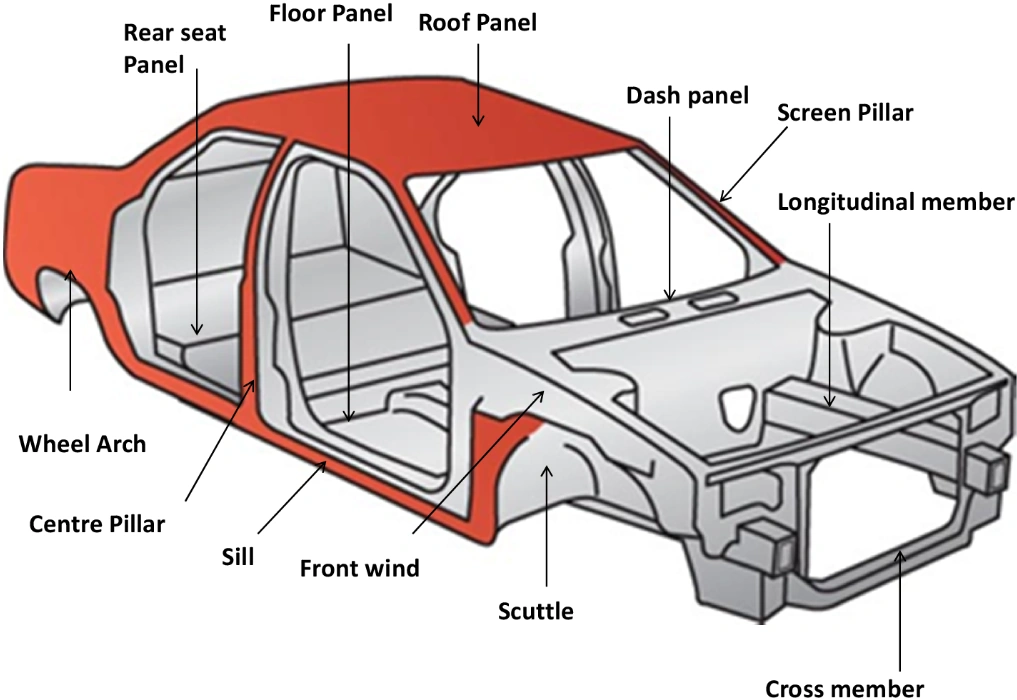
Car Chassis Component Diagrams
PCB Design for Electric Vehicle Drive Motors: Inverter Control, High-Power Integration, and Thermal Management Challenges

What Is "Automotive Grade" and Its Drawbacks

Why Airplane Windows Are Small and Rounded
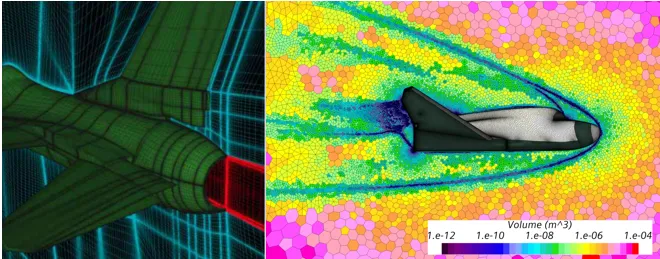
Aerodynamic Design and CFD in Aircraft Development: Engineering Insights and Electronics Relevance
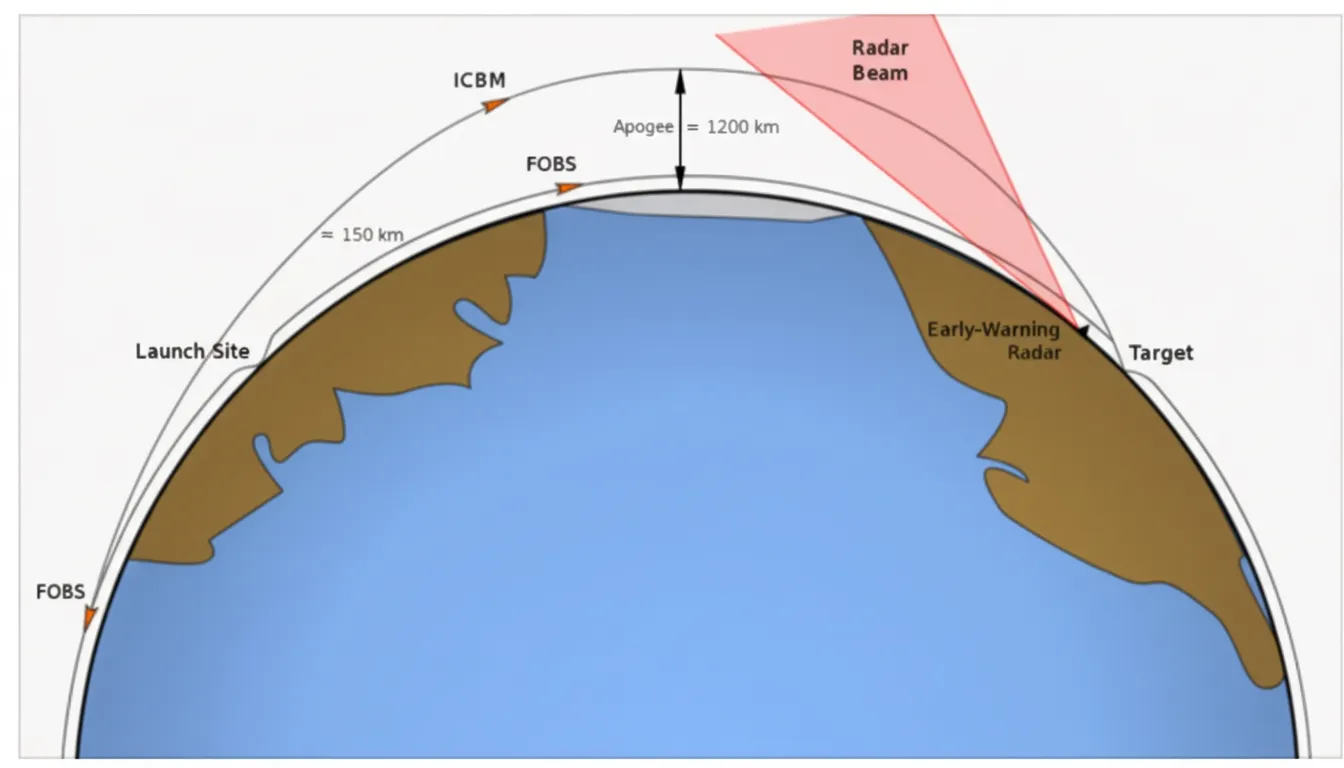
Space Weapon Systems: Key Technologies

Aircraft Braking Principles

Types of Jet Engine Thrust Reversers
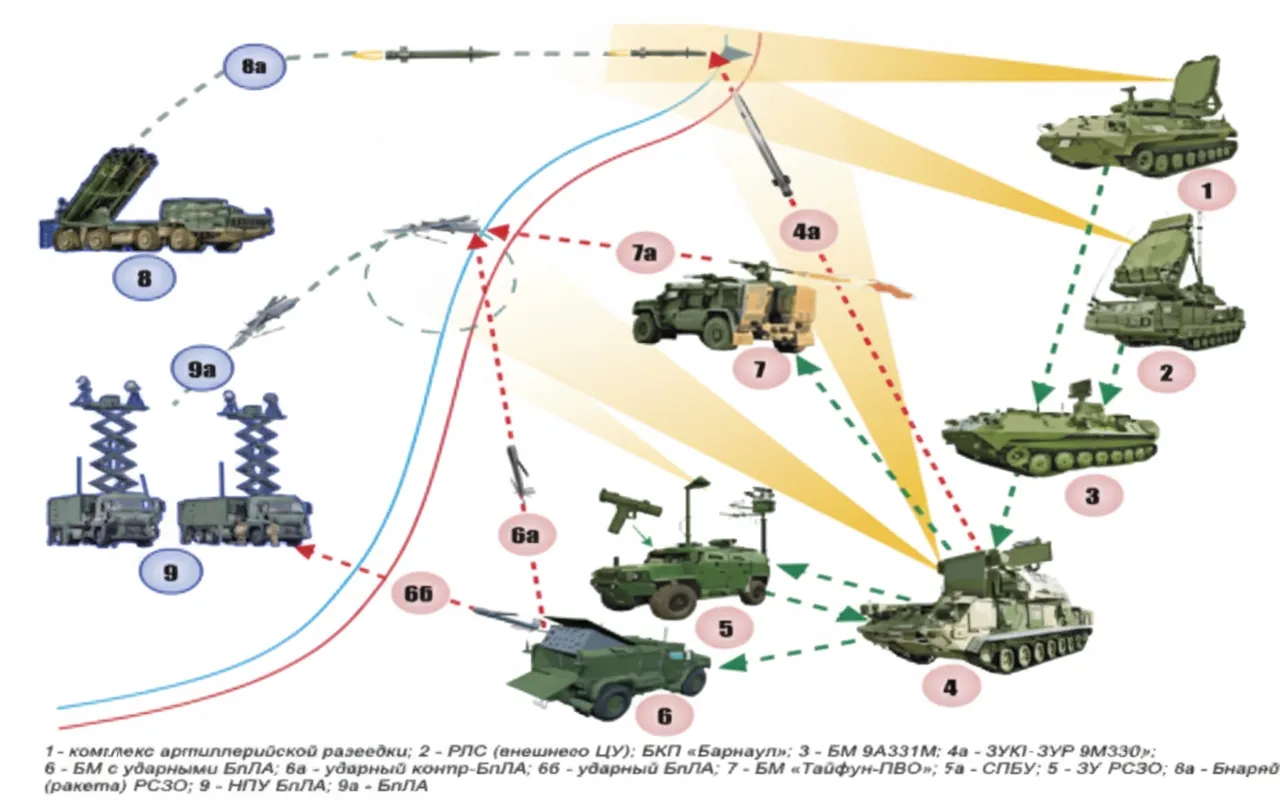
Counter-UAV and Precision-Guided Weapons Case Studies
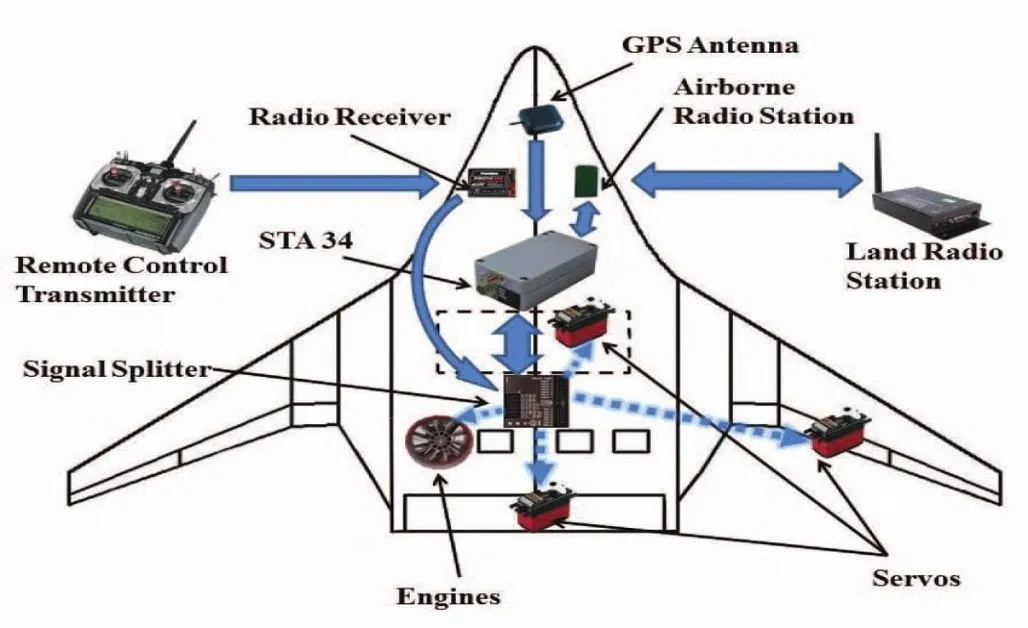
Drone gyroscopes and control system principles
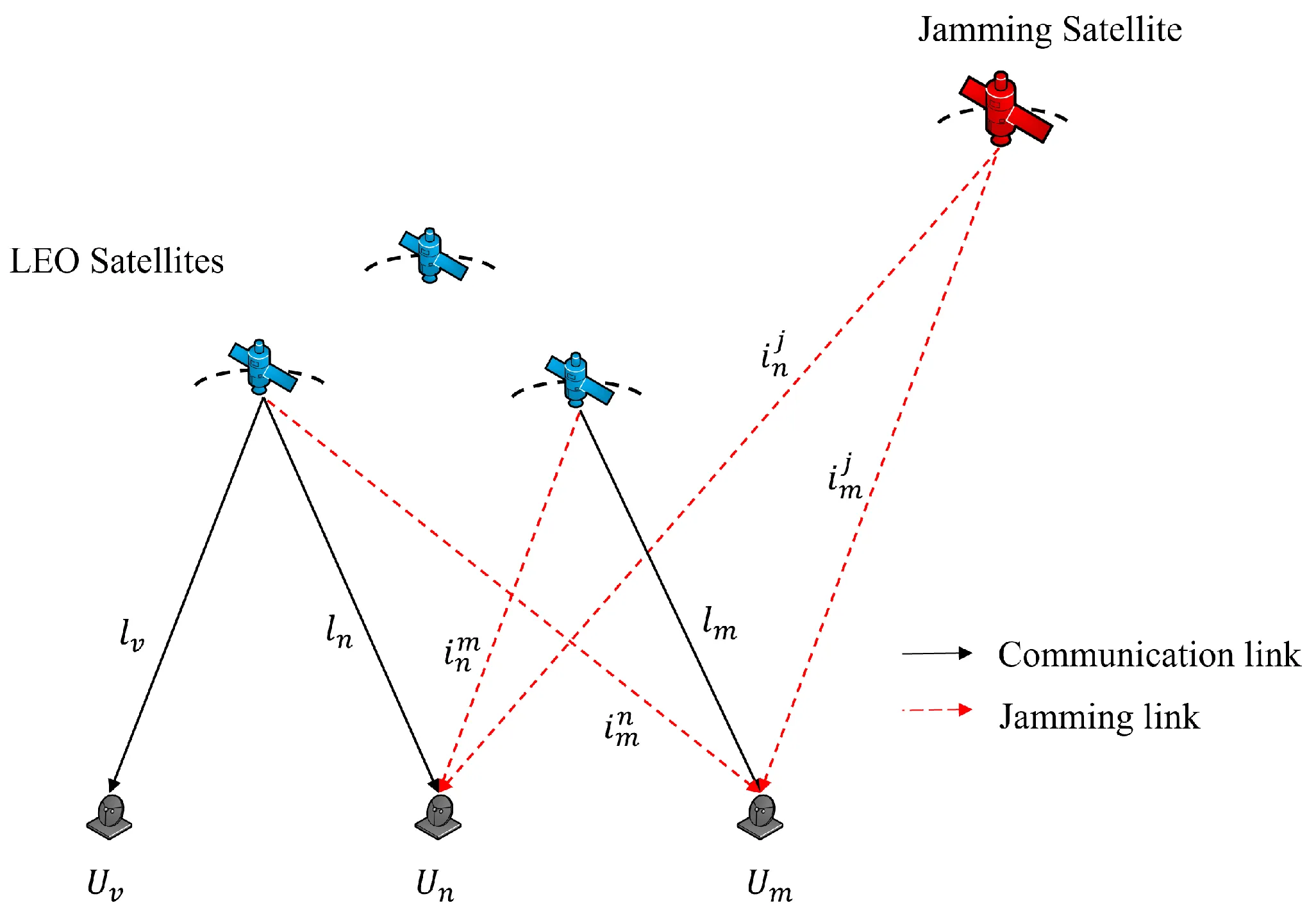
Jamming Effects on Random-Communication Multi-Agent Systems
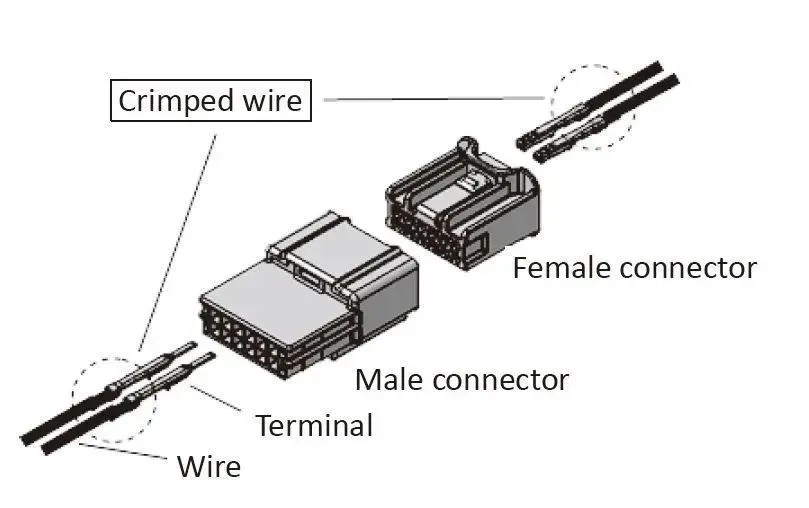
Small-Gauge Aluminum Conductors in Automotive Wiring Harnesses

4 Key Considerations for Automotive Electronic Circuits
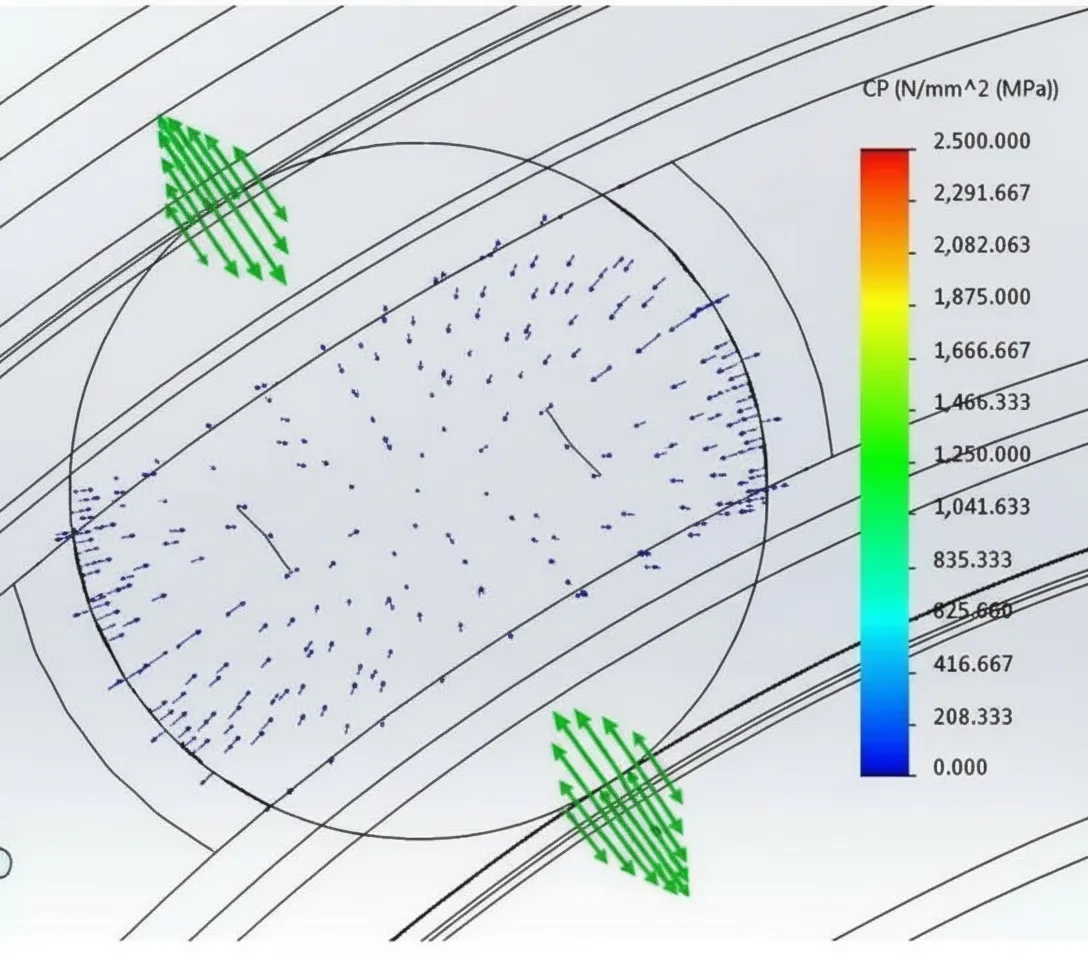
EV Drive Motor Bearing Design and Characteristics
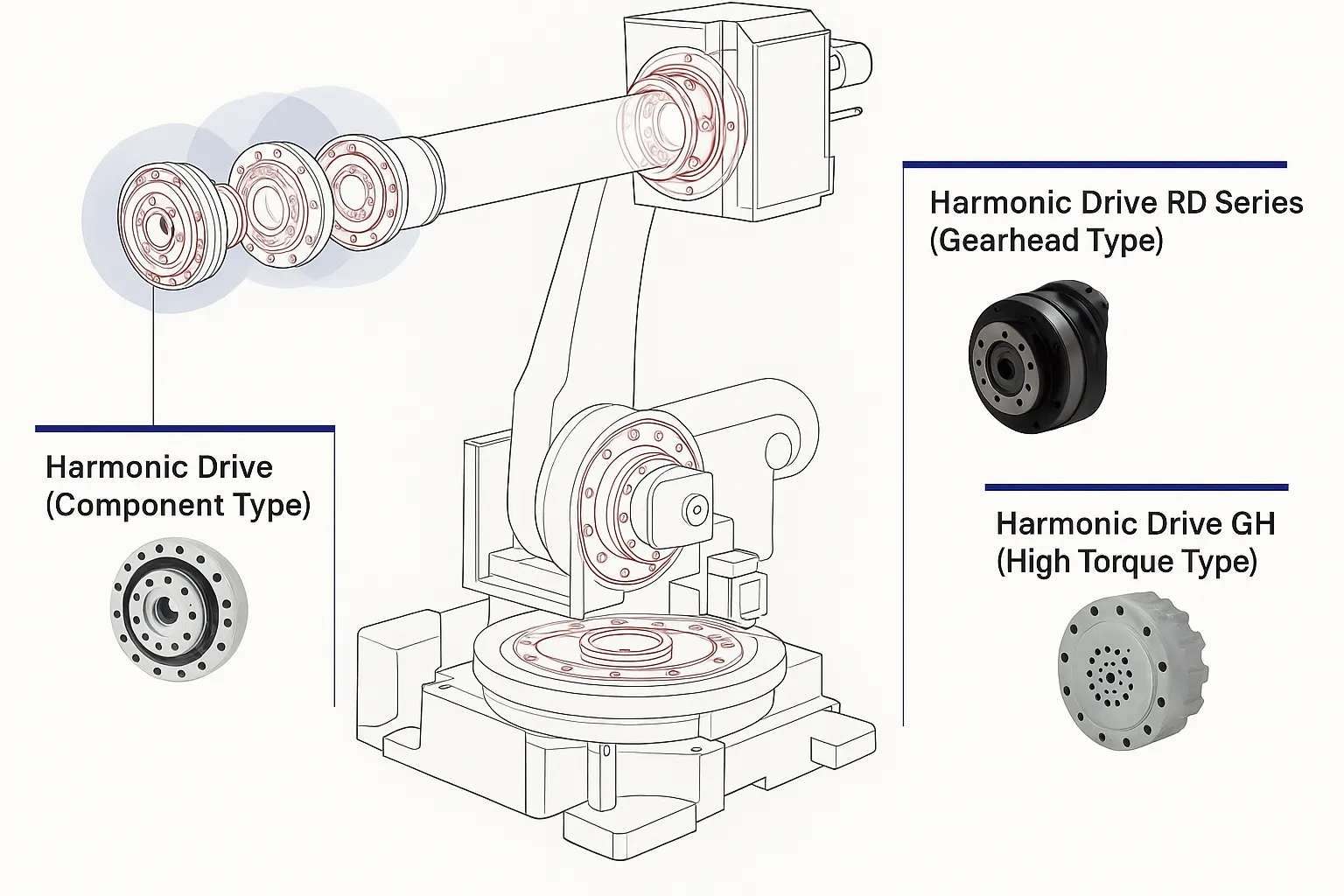
Precision Reducers: Core Component of Industrial Robots
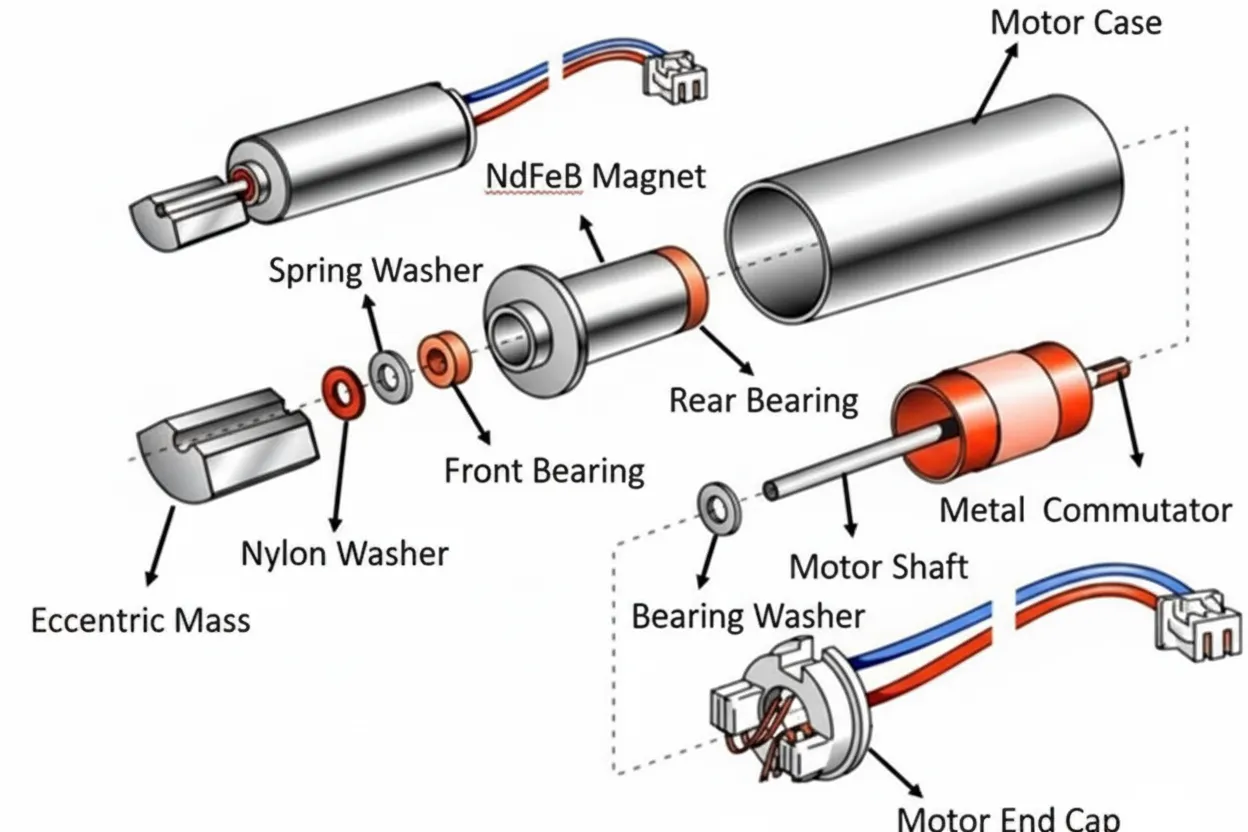
Phone Vibration Motors: Design, Operation, and PCB Integration for Haptic Feedback
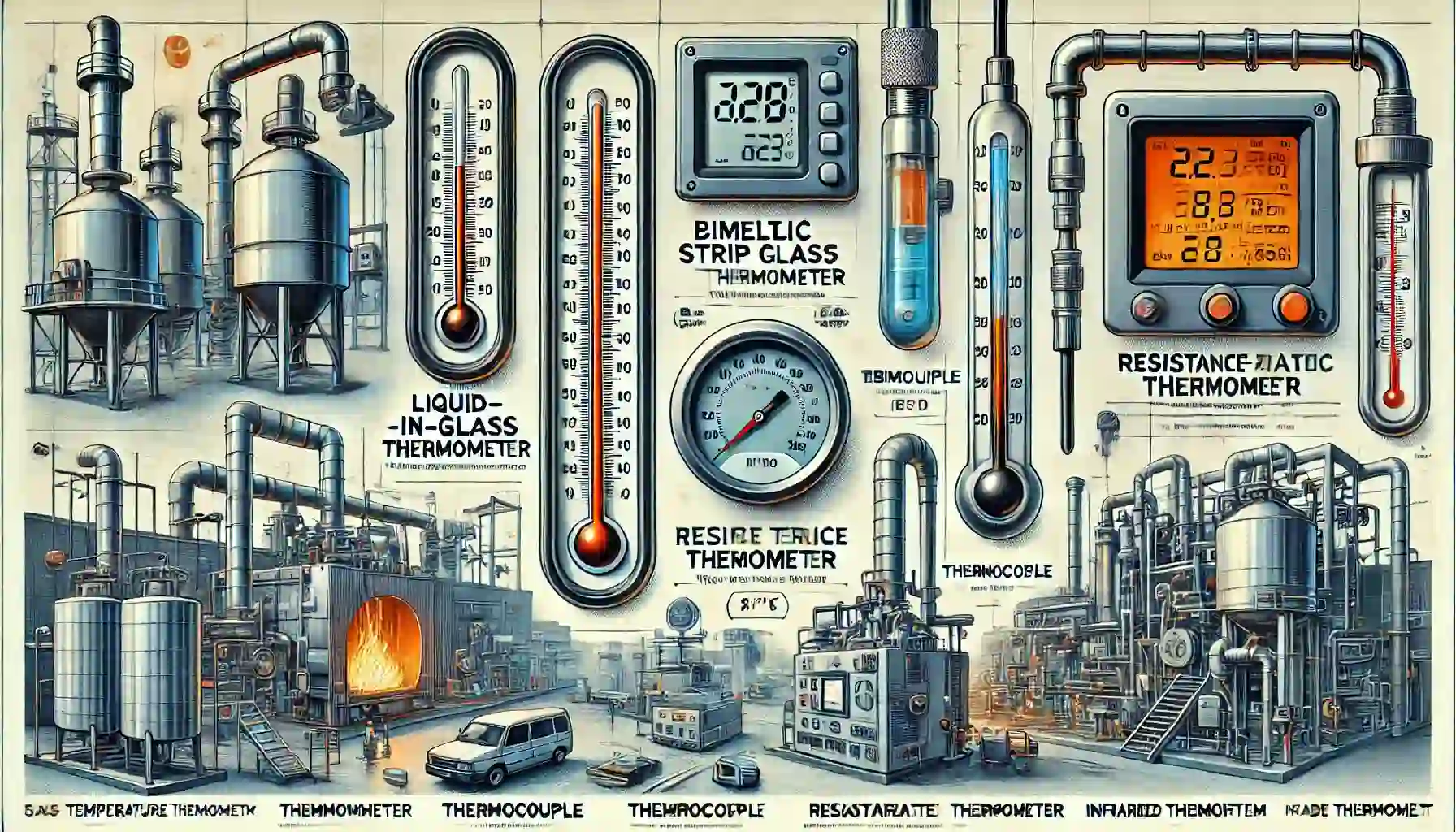
Five Common Industrial Thermometers and Their Principles
Get in Touch
Send Message
- Products & Service
- Company
- About AIVON
- Contact
- News
- Blog
- Certification
-


- Payment
-


2026 AIVON.COM All Rights Reserved