Modern jet engines operate under some of the most demanding conditions in aerospace, combining extreme temperatures, intense vibration, high rotational speeds, and complex airflow dynamics. Every critical function—from engine health monitoring and thrust reverser actuation to sensor fusion and control systems—depends on rugged printed circuit boards (PCBs). Aivon specializes in aerospace-grade PCB manufacturing that delivers the signal integrity, thermal performance, EMI/EMC resilience, and mechanical robustness required for these mission-critical applications.
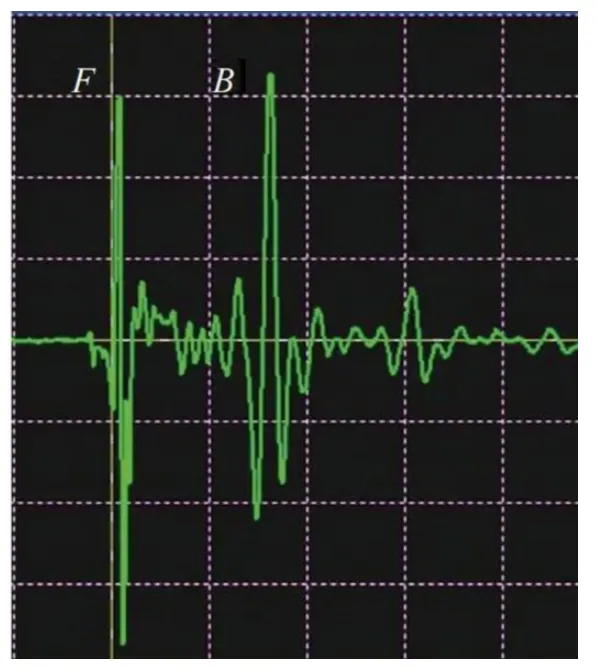
Ground Vortices and Their Impact on Engine Sensor PCBs
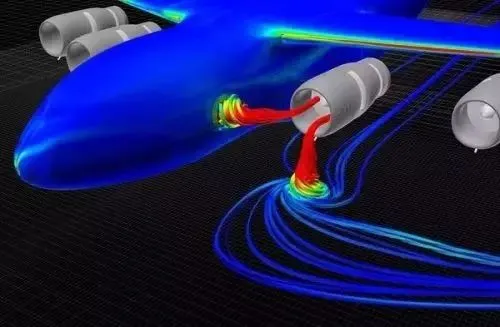
Ground vortices form when engine suction interacts with boundary-layer airflow near the runway, especially under crosswind conditions. These rotating columns can ingest debris, water, sand, or dust, creating both mechanical and environmental hazards. For electronic systems, the real challenge lies in maintaining accurate sensor data amid the resulting turbulence, pressure fluctuations, and particulate contamination.
Engine inlet sensors (pressure, temperature, and flow) mounted on or near PCBs must deliver precise readings despite these disturbances. Designers address this through robust layout practices such as differential signaling, heavy ground planes, and conformal coating to protect against moisture and particulates. High-Tg laminates and metal-core constructions help boards withstand thermal shock from rapid temperature changes caused by vortex-induced airflow variations. Manufacturing processes emphasize tight via plating and controlled impedance to preserve signal fidelity in vibration-heavy environments.
Thrust Reverser Systems and PCB Requirements for Actuation and Control
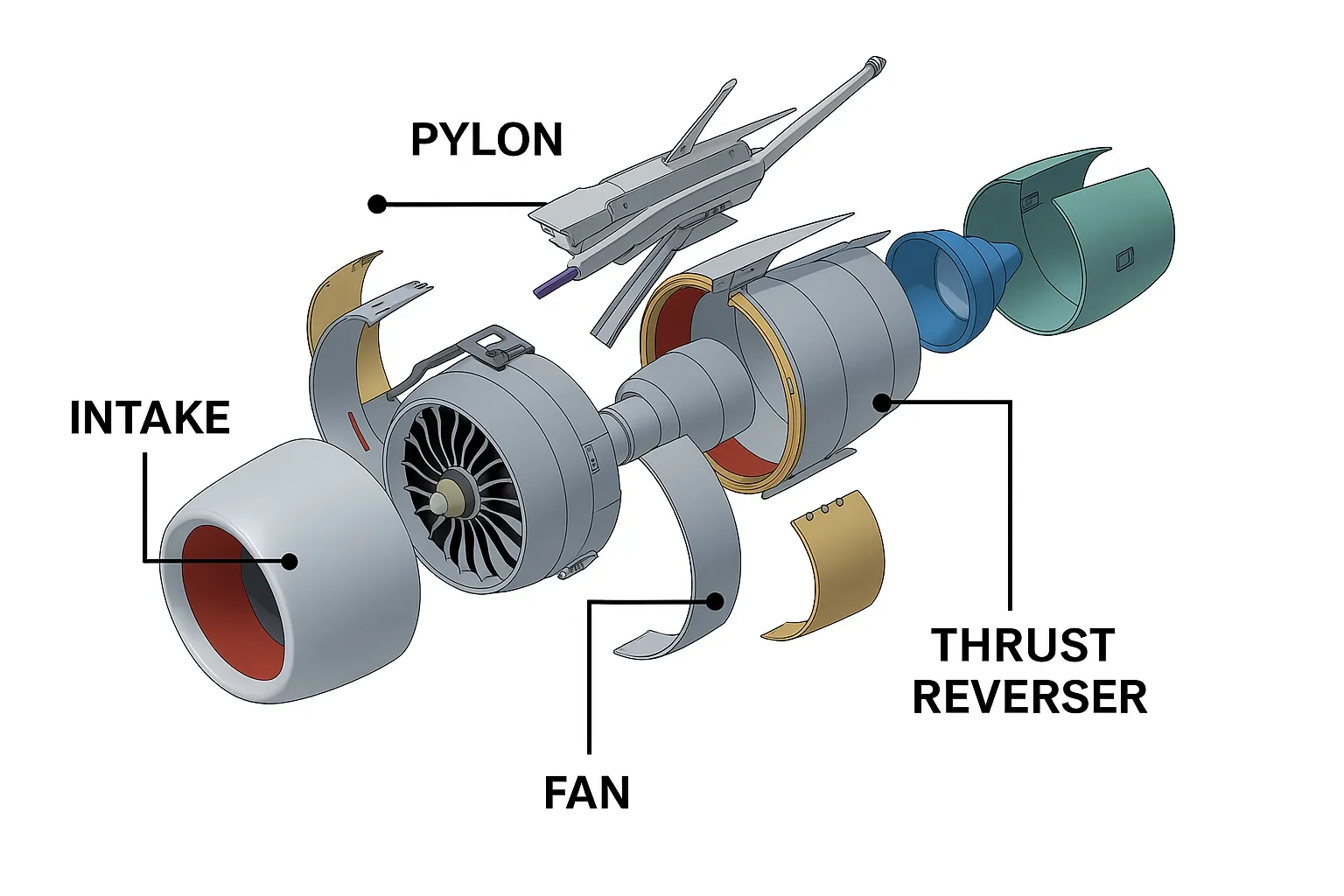
Thrust reversers—clamshell, cascade, and deflector-door designs—redirect engine exhaust to shorten landing distances dramatically. Deployment involves hydraulic or electric actuators, position sensors, and real-time control electronics that must function reliably under high-temperature exhaust exposure and severe mechanical shock.
These systems place stringent demands on PCBs:
- High-temperature materials (polyimide or high-Tg FR4 with specialized copper weights) resist thermal cycling.
- Redundant power and signal planes ensure fault tolerance during rapid actuation.
- EMI shielding and careful partitioning isolate sensitive control logic from high-current actuator drives.
- HDI or rigid-flex constructions accommodate compact packaging within nacelle structures while maintaining mechanical flexibility under vibration.
Aivon's IPC Class 3 and MIL-spec fabrication processes, including sequential lamination and rigorous environmental stress screening, produce boards capable of surviving the short-duration high-temperature spikes and repeated deployment cycles typical of thrust reverser operation.
Thermoplastic Composites and Advanced Materials for Engine-Structure PCBs
Thermoplastic composites (PEEK, PPS, PEKK) are increasingly used in engine nacelles, pylons, and acoustic liners because of their toughness, recyclability, and rapid forming characteristics. These same material advantages translate directly to PCB technology when engineers explore hybrid or high-performance substrates for lightweight aerospace electronics.
Key benefits for PCB design include:
- Superior impact resistance and fatigue performance compared with traditional thermosets.
- Lower moisture absorption, improving long-term reliability in humid or contaminated environments.
- Compatibility with automated manufacturing techniques that parallel PCB lamination and press processes.
Aivon evaluates advanced laminates and copper-clad materials that align with composite trends, enabling lighter, more durable boards for nacelle-mounted electronics while meeting flame-retardancy and lightning-strike protection requirements.
High-Speed Rotors, Gyroscopic Effects, and Vibration-Resistant PCB Design
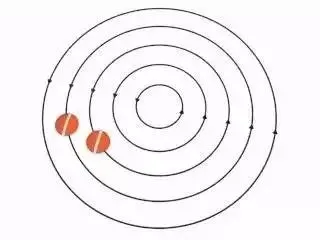
Aircraft engine rotors operate at tens of thousands of RPM, generating significant gyroscopic torques and complex dynamic deformations. Counter-rotating high- and low-pressure spools reduce net torque on the airframe, but the resulting forces still transmit intense vibration and mechanical stress to nearby electronics.
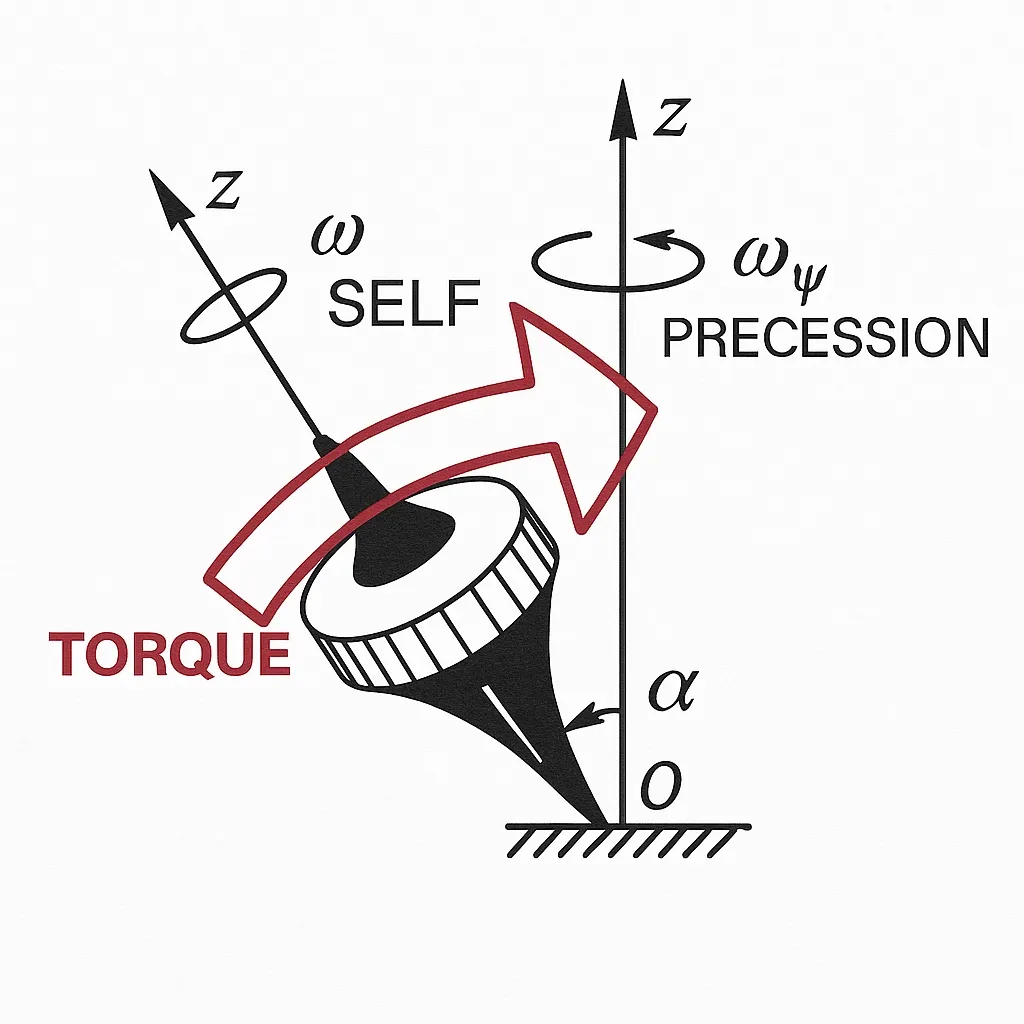
PCB-level solutions include:
- Optimized stack-ups with balanced copper distribution to minimize warpage under centrifugal and gyroscopic loads.
- Strategic placement of thermal vias and copper pours for heat dissipation from high-speed sensor electronics.
- Stiffened board constructions or rigid-flex designs that accommodate flexing without trace fracture.
- Advanced via structures (microvias, filled vias) that maintain electrical continuity during high-frequency vibration.
Sensor PCBs for rotor health monitoring—measuring speed, vibration, temperature, and bearing condition—must preserve signal integrity while operating in strong electromagnetic fields generated by high-speed rotating machinery. Controlled-impedance routing, multiple ground planes, and EMI gaskets become essential.
Manufacturing Best Practices for Aerospace Engine PCBs at Aivon
Aivon delivers production-ready boards for jet engine applications through:
- Advanced multilayer and HDI capabilities with precise impedance control.
- Heavy-copper and metal-core options for high-power and thermal management.
- Full traceability, IPC Class 3 / MIL-PRF-31032 compliance, and comprehensive testing (impedance, thermal imaging, vibration, and environmental stress screening).
- Support for rigid-flex, sequential lamination, and specialized surface finishes suited to aerospace environments.
Conclusion
Aircraft engine performance increasingly depends on the integrity of embedded electronics. By addressing the unique challenges of ground vortices, thrust reverser actuation, advanced composite integration, and high-speed rotor dynamics at the PCB level—through optimized materials, layout, thermal design, and rigorous manufacturing—Aivon enables reliable sensor data, precise control, and long-term durability in the harshest aerospace conditions. Early collaboration on design-for-manufacturability ensures that next-generation engine systems meet evolving requirements for weight reduction, reliability, and electromagnetic compatibility.