The rapid evolution of connected and autonomous vehicles has dramatically expanded the attack surface of automotive electronics. Modern vehicles contain dozens of ECUs, advanced sensors, V2X communication modules, and over-the-air update capabilities — all of which must comply with stringent cybersecurity standards such as ISO/SAE 21434 and UNECE WP.29. At the foundation of this security lies robust printed circuit board (PCB) design and manufacturing.
Aivon specializes in high-reliability PCBs for automotive security applications, delivering solutions that integrate hardware security modules (HSMs), secure boot architectures, and fail-safe mechanisms while meeting functional safety (ISO 26262) and cybersecurity requirements.
Key Automotive Cybersecurity Technical Requirements and PCB Implications
Automotive cybersecurity standards demand protection of confidentiality, integrity, and availability across the vehicle lifecycle. This includes secure communication, authentication, intrusion detection, and secure OTA updates.
From a PCB perspective, these requirements translate into:
- Integration of Hardware Security Modules (HSMs) or Secure Elements with isolated power domains and shielded layouts to protect cryptographic keys.
- Support for secure boot and firmware authentication using Public Key Infrastructure (PKI), requiring clean signal integrity for high-speed interfaces.
- Redundant architectures and lockstep processing for functional safety and cyber resilience.
- Robust EMI/EMC performance and tamper-evident design features to prevent physical attacks.
Hardware Security Modules and Secure Element Integration on PCBs
HSMs and automotive-grade secure elements are central to implementing cryptographic operations, key management, and secure boot. PCB designers must ensure these components operate in low-noise environments with physical isolation.
PCB Design Considerations for HSM Integration
- Dedicated power and ground planes with proper decoupling to minimize side-channel attacks (power analysis).
- Controlled impedance routing for high-speed interfaces connecting to HSMs or cryptographic accelerators.
- Physical shielding and tamper meshes using conductive layers or flex circuits to detect intrusion attempts.
- High-Tg materials and thick copper for thermal stability in harsh automotive environments (-40°C to +125°C+).
AUTOSAR Security Mechanisms and PCB Support
AUTOSAR provides standardized security modules such as SecOC (Secure Onboard Communication), CSM (Crypto Service Manager), and CryIf. These rely heavily on underlying hardware capabilities.

Effective implementation requires PCBs that support hardware-accelerated cryptography with low-latency access and isolation between security domains.
PCB-Level Requirements for AUTOSAR Security
- Multilayer stack-ups with dedicated layers for security-critical signals to reduce crosstalk and EMI susceptibility.
- Support for Automotive Ethernet and CAN FD with precise differential pair routing and length matching.
- Integration of secure microcontrollers featuring dual-core lockstep architectures.
Dual-Core Lockstep Technologies for Safety and Cybersecurity
Dual-core lockstep (DCLS) processors compare outputs in real-time to detect faults or attacks. This hardware redundancy is essential for ASIL-D safety applications and enhances cyber resilience.

PCB Design Challenges for Lockstep Architectures
- Symmetric layout and matched trace lengths between master and slave cores to maintain timing synchronization.
- Robust clock distribution networks with minimal skew and jitter.
- Redundant power delivery networks (PDNs) to prevent single-point failures.
- High-density interconnect (HDI) techniques for compact, high-reliability ECUs in ADAS and autonomous driving systems.
Addressing Cybersecurity Vulnerabilities in Connected Vehicles
Connected vehicles face risks from remote attacks via telematics, infotainment, OBD ports, and wireless interfaces. PCB-level defenses include secure partitioning, intrusion detection support, and protected debug interfaces.
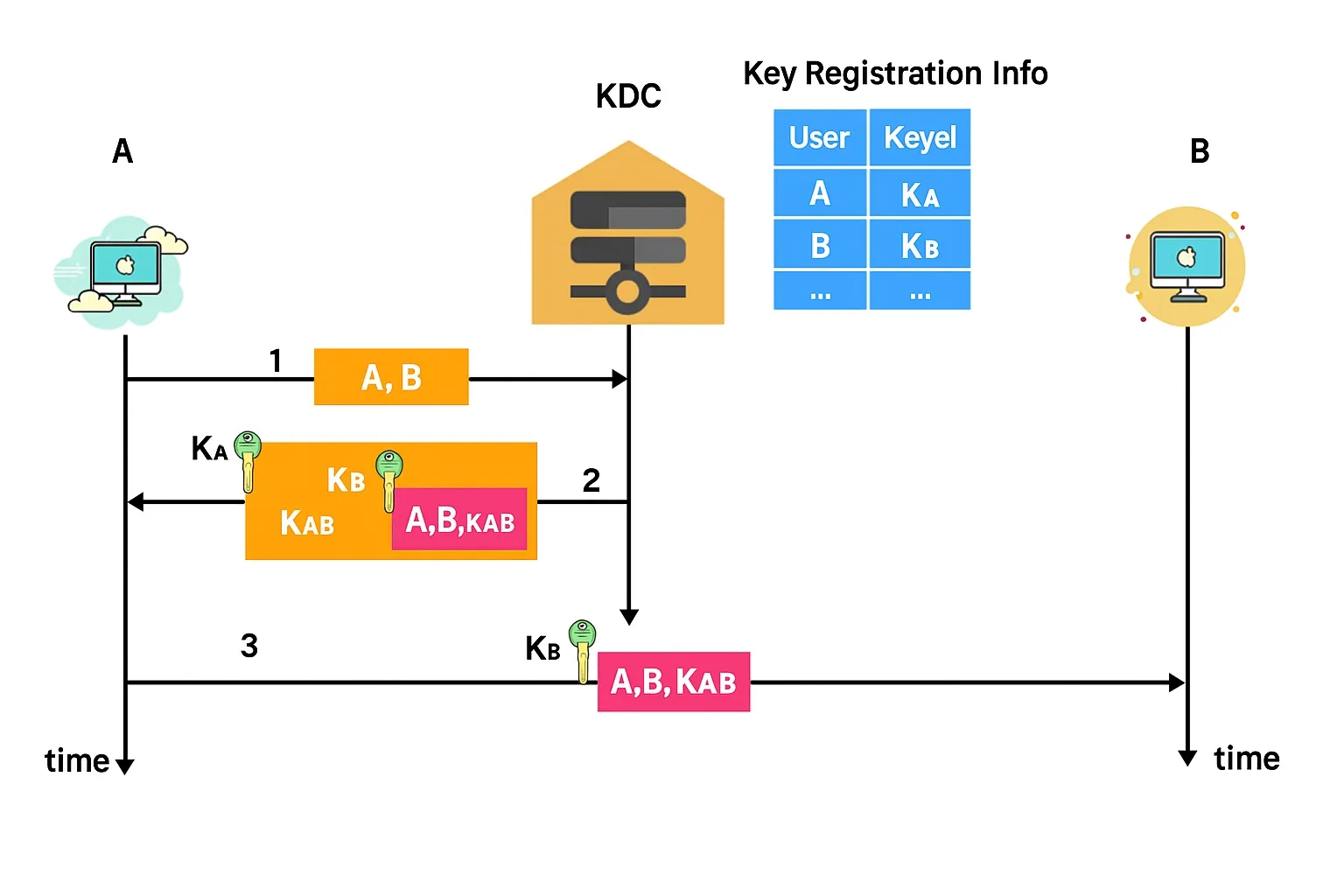
Public Key Infrastructure (PKI) plays a vital role in authenticating ECUs, signing firmware, and securing V2X communications. PCB designs must accommodate secure key storage and efficient cryptographic processing with minimal latency.
PCB Manufacturing Best Practices for Automotive Cybersecurity
Meeting automotive cybersecurity and functional safety standards requires advanced manufacturing capabilities:
- Material Selection — High-Tg PCBs, low-loss laminates for high-frequency signals, and automotive-grade substrates.
- Signal Integrity — Controlled impedance, back-drilling, and minimized via stubs for high-speed interfaces.
- Thermal Management — Heavy copper, thermal vias, and metal-core options for processors and power components.
- Reliability & Testing — IPC-6012 Class 3, AEC-Q100 compliance, and extensive functional/security testing.
- DFM for Security — Tamper-resistant layouts, secure component placement, and traceability throughout production.
Partner with Aivon for Secure Automotive PCB Solutions
As vehicles become more connected and autonomous, the demands on underlying PCB hardware for cybersecurity and functional safety continue to grow. Aivon provides expert PCB design, engineering, and manufacturing services tailored to the stringent requirements of modern automotive electronics.
From HSM-integrated boards and lockstep processor support to full compliance with ISO 26262 and ISO/SAE 21434, our solutions help OEMs and Tier-1 suppliers build more secure and reliable vehicle systems.