The Growing Demand for High-Quality VR Headsets
The virtual reality (VR) industry continues to expand across enterprise training, medical simulation, gaming, and remote collaboration. As adoption accelerates, the difference between consumer-grade and professional-grade headsets becomes more pronounced. Low-quality devices often suffer from poor reliability, discomfort, and limited performance, underscoring the need for rigorous engineering standards.
Quality in VR headsets is not solely about software or optics - it heavily depends on sophisticated electronic systems, including high-density interconnect (HDI) PCBs, flexible circuits, sensors, processors, and power management solutions.

Core Technical Requirements for Premium VR Performance
Several interdependent hardware elements determine real-world VR headset quality:
Display and Optics
High-resolution panels (typically 4K+ per eye in modern systems) combined with fast refresh rates (90 Hz minimum, ideally 120 Hz+) minimize screen-door effect and motion blur. Low persistence displays and precise lens design further enhance clarity and reduce simulator sickness.
Tracking and Sensors
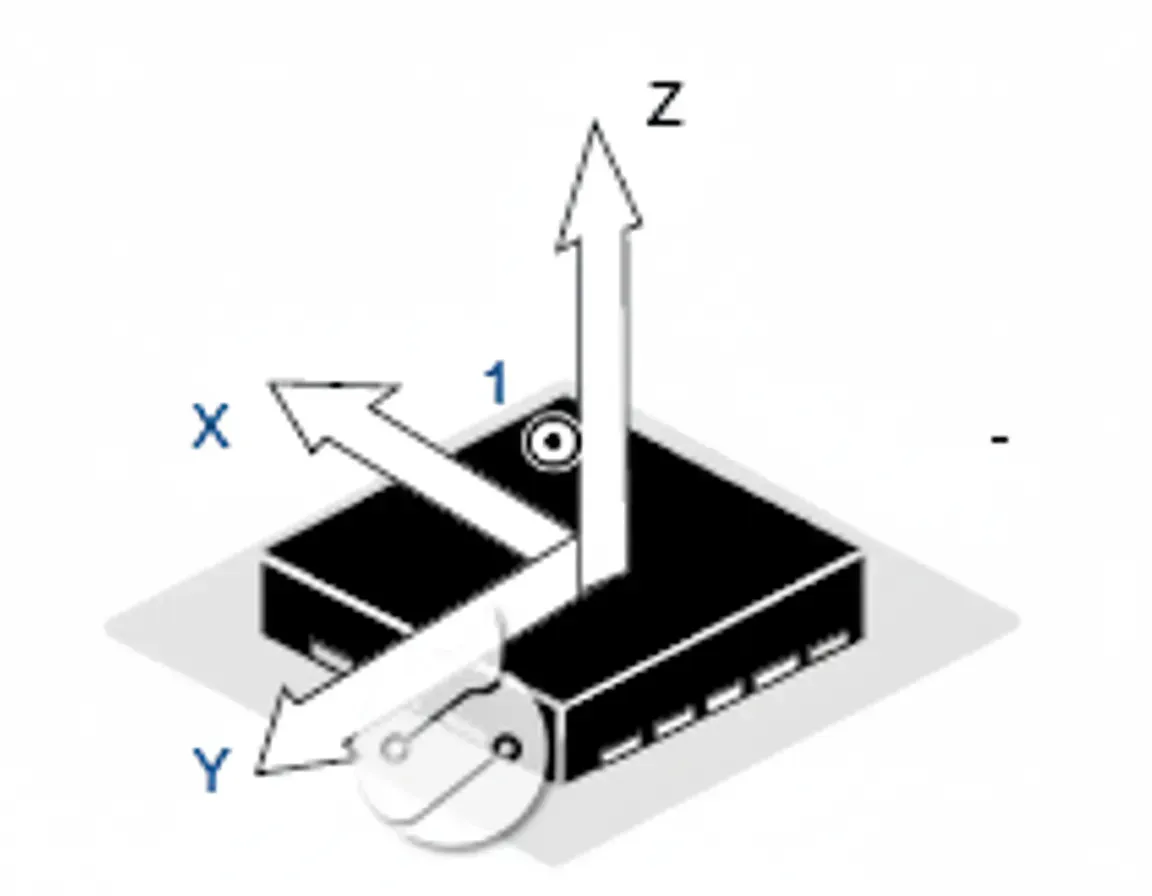
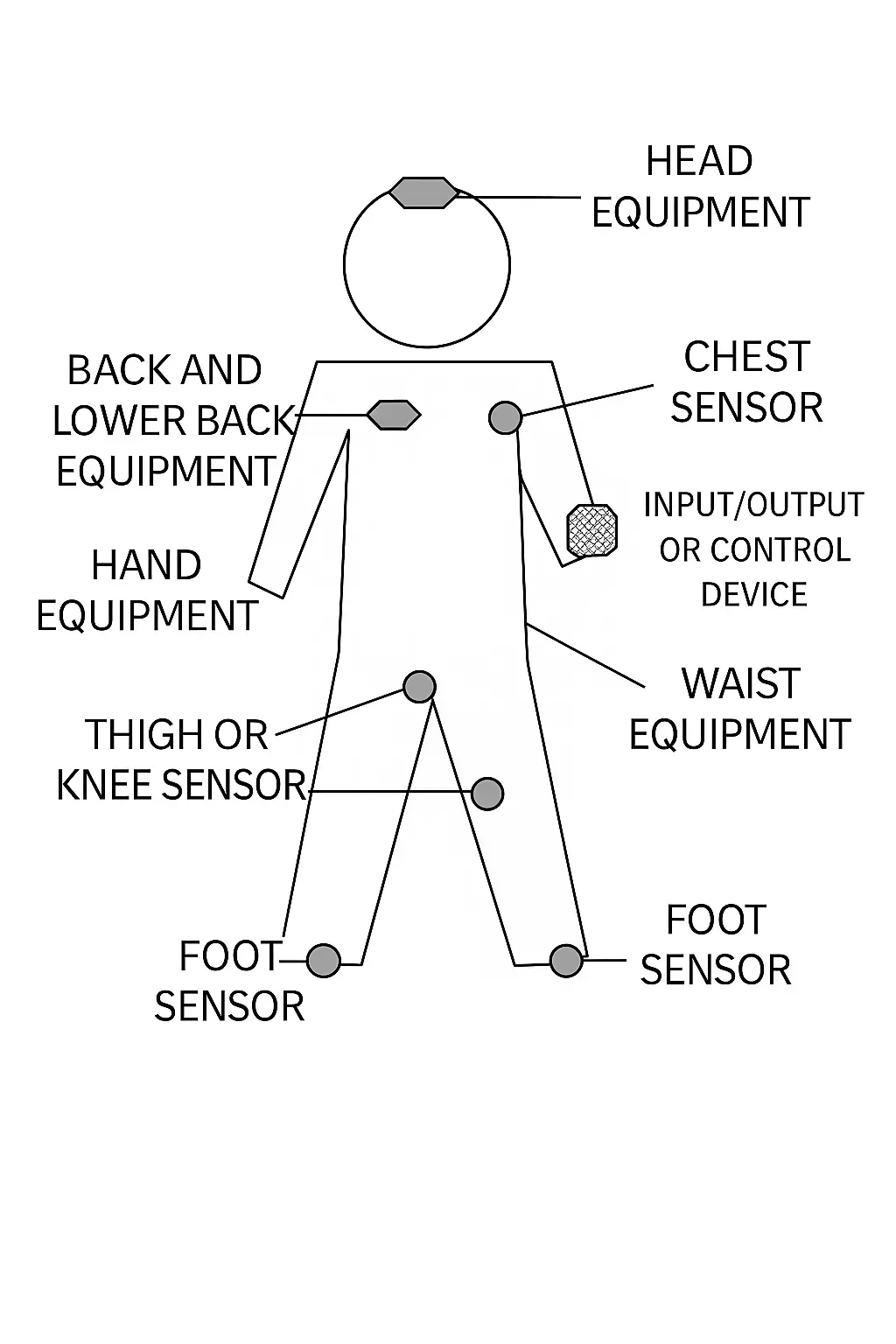
Accurate 6-degree-of-freedom (6DoF) positional tracking relies on IMU (inertial measurement units), cameras, or external sensors. High sampling rates and low-latency sensor fusion are essential for natural interaction and preventing nausea.
Processing and Connectivity
Powerful onboard SoCs or tethered PC connections demand robust signal integrity, high-speed data buses (PCIe, MIPI, HDMI), and effective EMI shielding. Wireless VR solutions add challenges in RF design and power efficiency.

Audio and Haptics
Spatial audio and haptic feedback systems require additional integration of drivers and actuators without increasing overall weight or complexity.
Design Considerations: Comfort, Usability, and Ergonomics
Physical comfort remains one of the biggest barriers to prolonged VR use. Key engineering priorities include:
- Minimizing headset weight through optimized component placement and material selection.
- Improving facial interface design for better weight distribution and ventilation.
- Achieving balanced center of gravity to reduce neck strain.
- Implementing adjustable IPD (interpupillary distance), lens spacing, and head strap systems for broad user accommodation.
Ease of use starts with intuitive setup, quick calibration, and minimal cabling. Modern designs favor inside-out tracking and streamlined user interfaces to support true plug-and-play experiences.
Manufacturing and Electronics Challenges in VR Headsets
Producing reliable VR headsets at scale involves significant technical hurdles:
- Thermal Management: High-performance processors and displays generate substantial heat in a compact, head-worn form factor. Effective PCB-level thermal vias, heat spreading, and dissipation paths are critical.
- Miniaturization and Density: Space constraints require HDI PCBs with microvias, fine-pitch traces, and multi-layer designs to integrate displays, sensors, wireless modules, and battery management systems.
- Signal Integrity and Power Delivery: High-speed interfaces demand controlled impedance, careful routing, and noise isolation to maintain low latency and high-fidelity performance.
- Reliability Under Dynamic Conditions: Headsets must withstand vibration, repeated adjustment, sweat exposure, and mechanical stress while maintaining calibration and electrical performance.
- Power Efficiency: Battery life and thermal limits necessitate advanced power management ICs, efficient voltage regulation, and optimized PCB layouts.
These challenges highlight the importance of close collaboration between VR system designers and experienced electronics manufacturing partners.
The Role of Advanced PCB and FPC Technologies
High-quality VR headsets depend on sophisticated printed circuit board solutions:
- HDI PCBs enable the dense integration of processors, memory, and high-bandwidth interfaces in limited space while supporting excellent thermal and electrical performance.
- Flexible and Rigid-Flex PCBs accommodate the complex three-dimensional geometries inside headsets, reduce connector count, and improve overall reliability by minimizing failure points.
- High-Speed Design Expertise ensures clean power delivery and signal integrity for displays and sensors.
- Advanced Assembly Techniques such as precision SMT, underfill processes, and rigorous testing support the demanding quality requirements of immersive devices.
PCB manufacturers with expertise in wearable and consumer electronics play a vital enabling role by delivering the interconnect solutions that bridge advanced components into functional, comfortable, and scalable VR systems.
Industry Trends and Outlook
The VR sector is moving toward standalone headsets, improved mixed-reality capabilities, and enterprise-focused applications requiring higher durability and security. Emerging standards for performance benchmarking, combined with continued advances in materials, optics, and electronics, are raising the bar for what constitutes a quality VR experience.
For OEMs developing next-generation VR solutions, success increasingly depends on robust supply chain partners capable of delivering high-reliability PCBs, flexible circuits, and precision assembly that meet stringent performance, cost, and time-to-market requirements.
FAQ
Q1: What is the most important hardware factor in VR headset quality?
A1: A combination of high-resolution low-persistence displays, precise low-latency tracking, and effective thermal/power management - all supported by advanced HDI and flexible PCB designs.
Q2: How do PCBs impact VR headset performance?
A2: PCBs handle high-speed data routing, power distribution, and component integration while managing heat and maintaining signal integrity in a compact, dynamic environment.
Q3: Why is comfort a major engineering challenge?
A3: Balancing powerful electronics with minimal weight, good ventilation, and ergonomic fit requires careful mechanical and electronic co-design.