 00:49
00:49
Assembly Cost
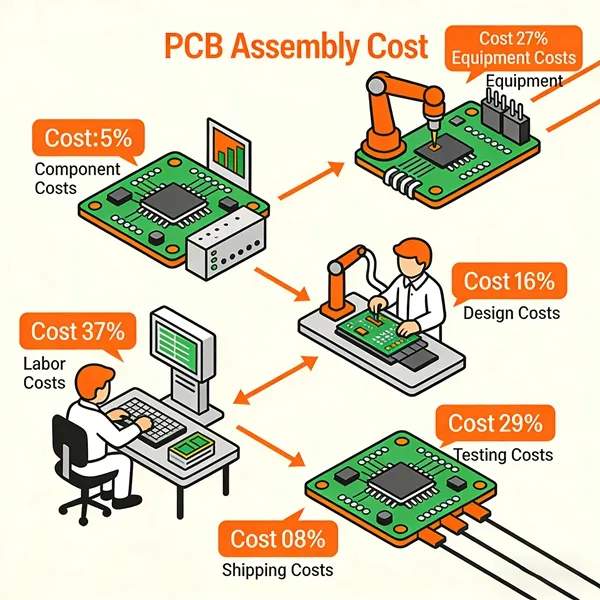
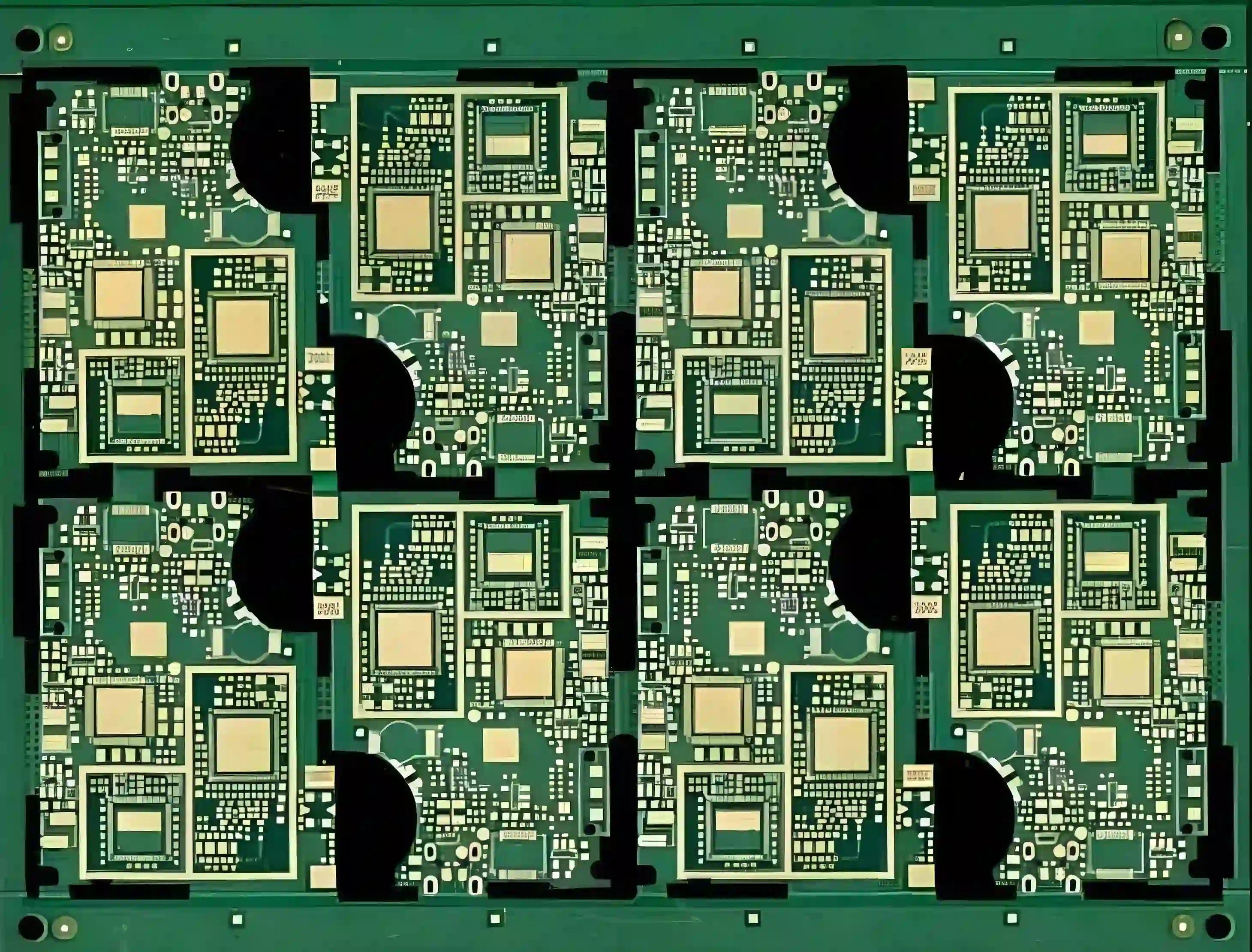
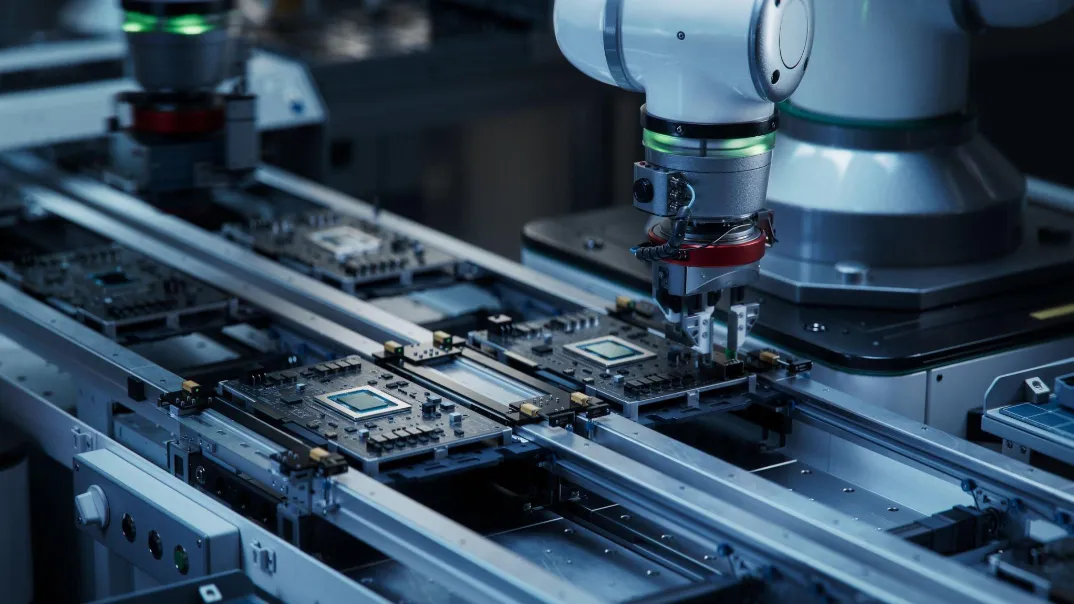
Understanding assembly cost is essential for anyone involved in PCB design and manufacturing, as it directly impacts project budgets and production efficiency. This tag page gathers in-depth articles and resources focused on the various factors that influence assembly cost, including component placement, labor, equipment, and material choices. Whether you are a seasoned engineer optimizing high-volume production or a hobbyist prototyping a new device, these insights help demystify the expenses associated with turning a bare PCB into a functional assembly. Key elements covered under the Assembly Cost tag include strategies for cost estimation, such as calculating per-unit expenses based on board complexity and assembly methods like surface-mount technology (SMT) or through-hole assembly. Readers can find practical advice on reducing costs through design for manufacturability (DFM) principles, such as minimizing component count or selecting cost-effective suppliers. For instance, articles discuss how panelization techniques can lower setup fees in batch production, or how automating certain processes might offset initial investments over time. By delving into these topics, users gain actionable tools to make informed decisions that balance quality and affordability. This knowledge is particularly valuable when scaling from prototypes to full production runs, where even small adjustments can yield significant savings. Browsing the articles linked here provides a comprehensive view of real-world applications, from case studies on budget-friendly assembly in consumer electronics to best practices for managing costs in custom projects.
Video Guide
-
00:49
Technical Articles