High Tg FR4
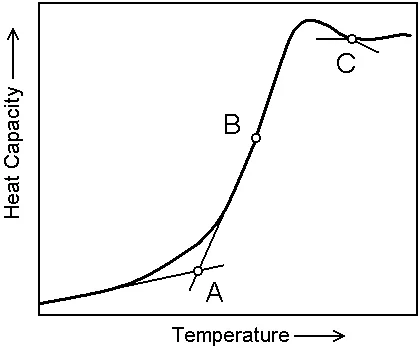
High Tg FR4 is a specialized grade of flame-retardant epoxy laminate material widely used in printed circuit board (PCB) manufacturing, distinguished by its elevated glass transition temperature (Tg) typically ranging from 150°C to 180°C or higher. This enhanced thermal property allows the material to maintain structural integrity and electrical performance under extreme heat conditions, making it an essential choice for applications where standard FR4 might warp or degrade. For engineers and designers searching for High Tg FR4, this tag serves as a comprehensive resource, covering everything from material specifications and fabrication techniques to performance comparisons with other substrates. Understanding these aspects is crucial for ensuring reliability in high-stress environments, such as automotive electronics, aerospace systems, and industrial controls where thermal cycling and soldering processes demand superior stability. In practical terms, opting for High Tg FR4 can significantly reduce risks like delamination or via cracking during lead-free soldering, which operates at higher temperatures than traditional methods. Best practices include selecting the appropriate Tg value based on your project's maximum operating temperature and incorporating design features like thermal vias for better heat dissipation. For instance, in power electronics or LED lighting designs, this material supports denser component layouts without compromising longevity. Articles under this tag delve into real-world case studies, such as optimizing layer stacks for multilayer PCBs or evaluating cost versus performance trade-offs, providing actionable guidance to help you make informed decisions and avoid common pitfalls like mismatched CTE (coefficient of thermal expansion) with components. Whether you are troubleshooting thermal issues in an existing design or specifying materials for a new prototype, the content here equips you with the knowledge to enhance PCB durability and efficiency. Browsing through these related articles can offer deeper insights into integration strategies and emerging trends in high-temperature PCB materials, supporting your technical projects with reliable, evidence-based information.
Technical Articles
Get in Touch
Send Message
- Products & Service
- Company
- About AIVON
- Contact
- News
- Blog
- Certification
-


- Payment
-


2026 AIVON.COM All Rights Reserved