High-Tg PCB
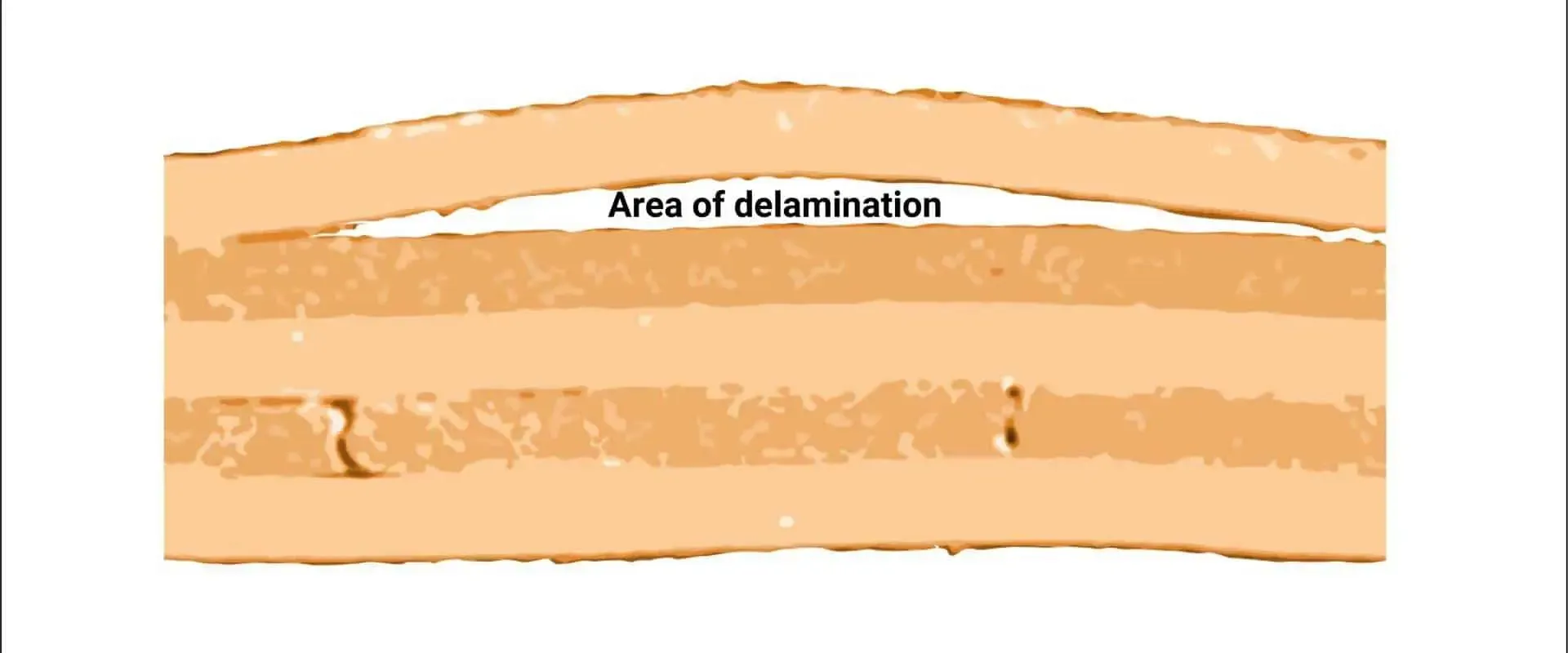
High-Tg PCBs represent a critical advancement in printed circuit board design, engineered to withstand elevated temperatures without compromising structural integrity. The term Tg refers to the glass transition temperature, the point at which the PCB substrate shifts from a rigid to a more pliable state. High-Tg variants typically feature Tg values above 170°C, making them ideal for applications where thermal stress is a constant factor, such as in automotive electronics, aerospace systems, and high-power LED lighting. For engineers and designers searching for reliable solutions to heat-related failures, understanding High-Tg PCB materials can prevent issues like delamination, warping, or electrical shorts that plague standard FR-4 boards in demanding environments. One of the primary advantages of High-Tg PCBs lies in their enhanced thermal stability, which supports lead-free soldering processes and reflow temperatures up to 260°C. This capability not only extends the operational lifespan of electronic assemblies but also improves overall system reliability in harsh conditions, including high-humidity or vibration-prone settings. Practical applications include power supplies, telecommunications equipment, and industrial controls, where consistent performance under thermal cycling is essential. When selecting materials, consider factors like CTE (coefficient of thermal expansion) matching between layers to minimize stress, and opt for substrates such as polyimide or specialized epoxy resins for optimal results. Best practices involve thorough thermal analysis during the design phase, using simulation tools to predict behavior and ensure compliance with standards like IPC-4101. For those delving deeper into PCB fabrication and material science, the articles linked under this tag offer detailed case studies, material comparisons, and implementation guides. Reviewing these resources can provide valuable insights into integrating High-Tg technology into your projects, helping you achieve superior durability and efficiency in high-temperature electronics.
Technical Articles
Decoding IPC-4101B: A Deep Dive into PCB Laminates and Prepregs
Multiscale Factors Governing the Reliability of Sn-Ag-Cu Solder Alloys
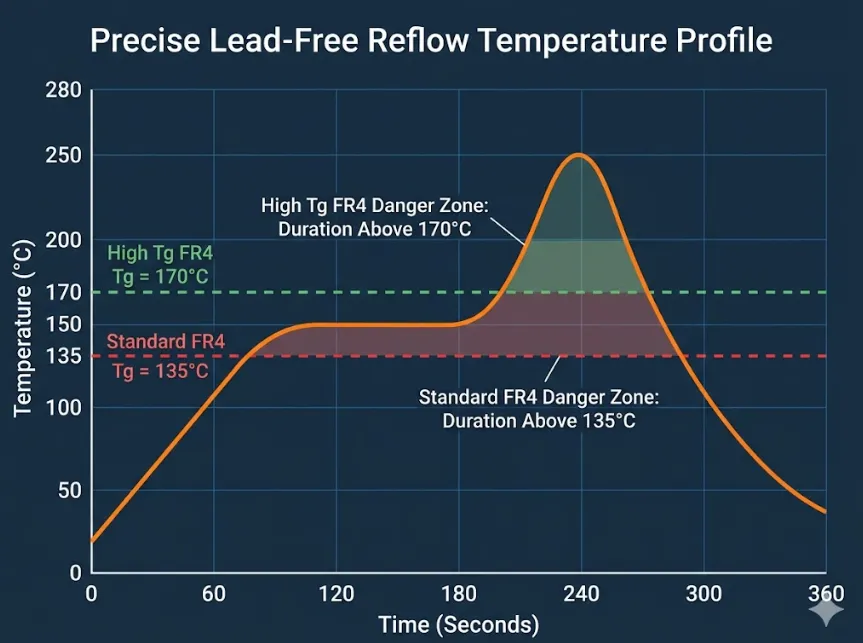
How PCB Tg Affects the SMT Reflow Soldering Process
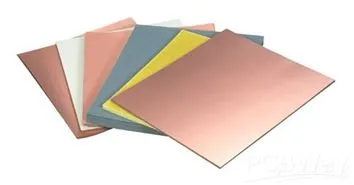
Emergency Substitution Strategies for SMT PCB Laminates: From Performance Matching to Manufacturing Implementation
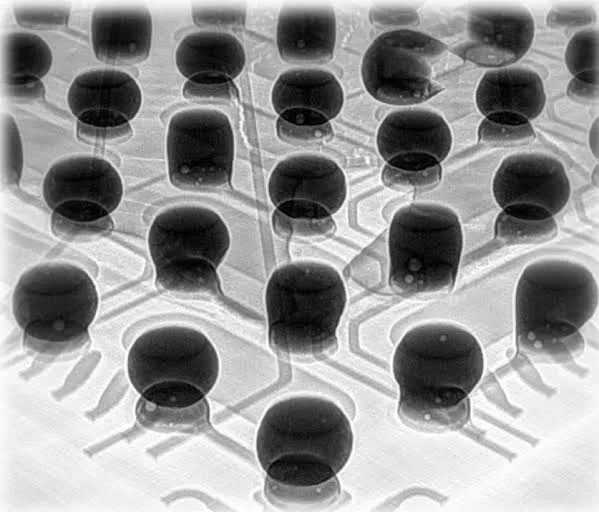
SMT BGA Head-in-Pillow (HIP) Defect: Mechanism, Detection, and Process Solutions
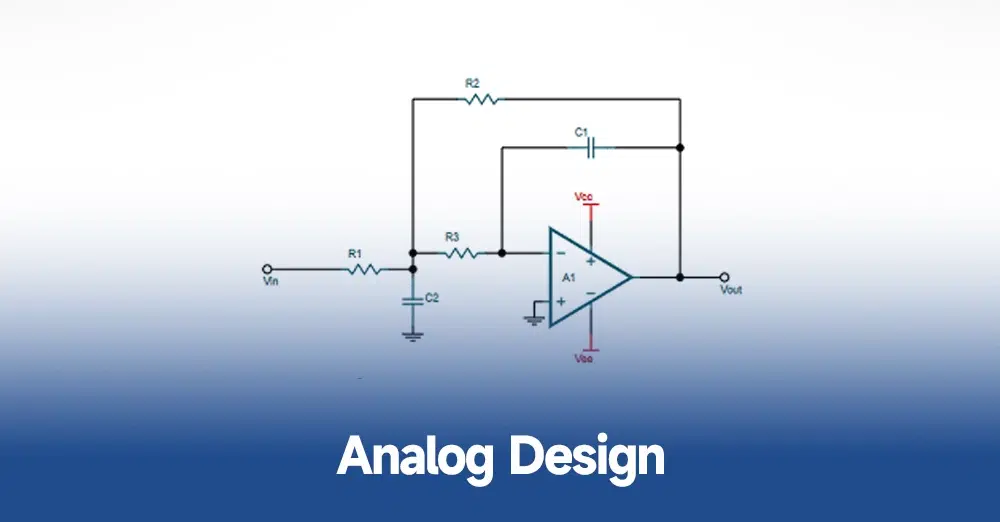
The Nine Stages of Analog Circuit Design
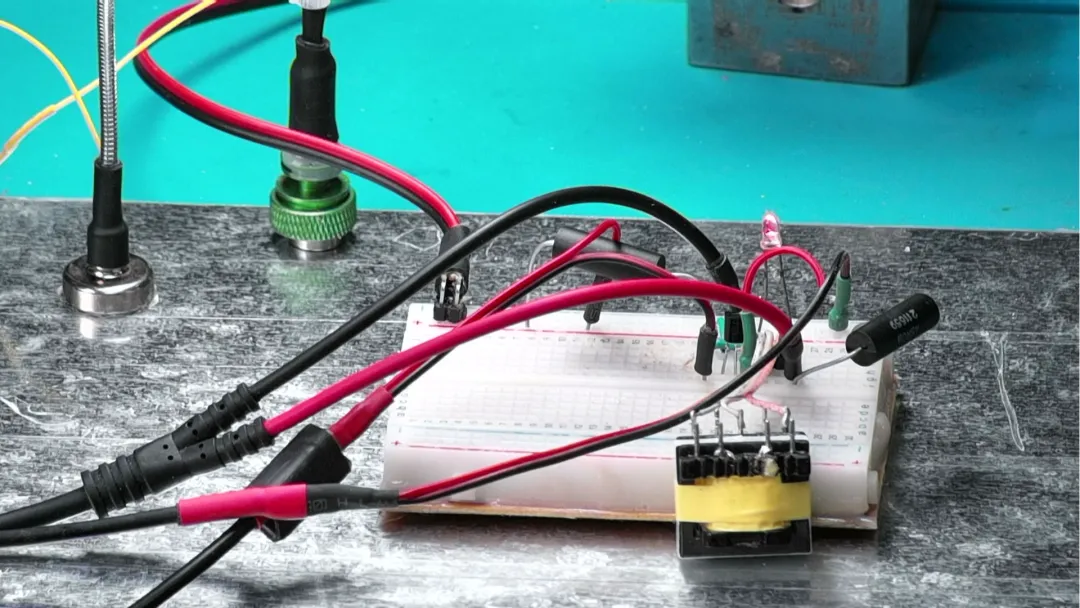
How Efficient Is a Joule Thief LED Driver?
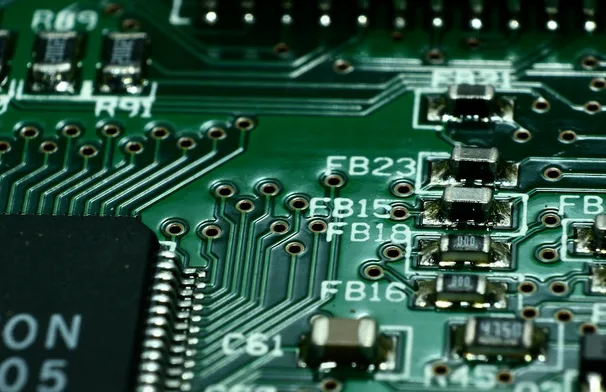
Maintaining PCB Signal Integrity in Harsh Environments: Challenges and Practical Guidelines
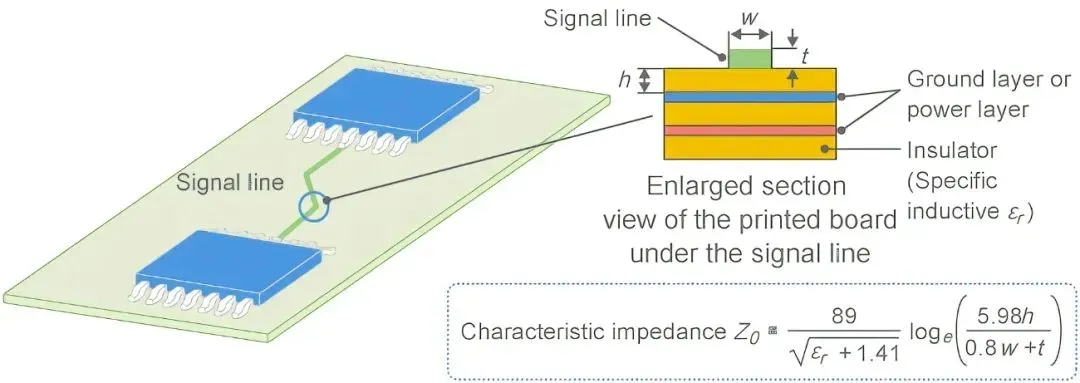
Revealing the "Pseudo Eight-Layer" Stackup: Can a Six-Layer PCB Deliver Eight-Layer Performance?
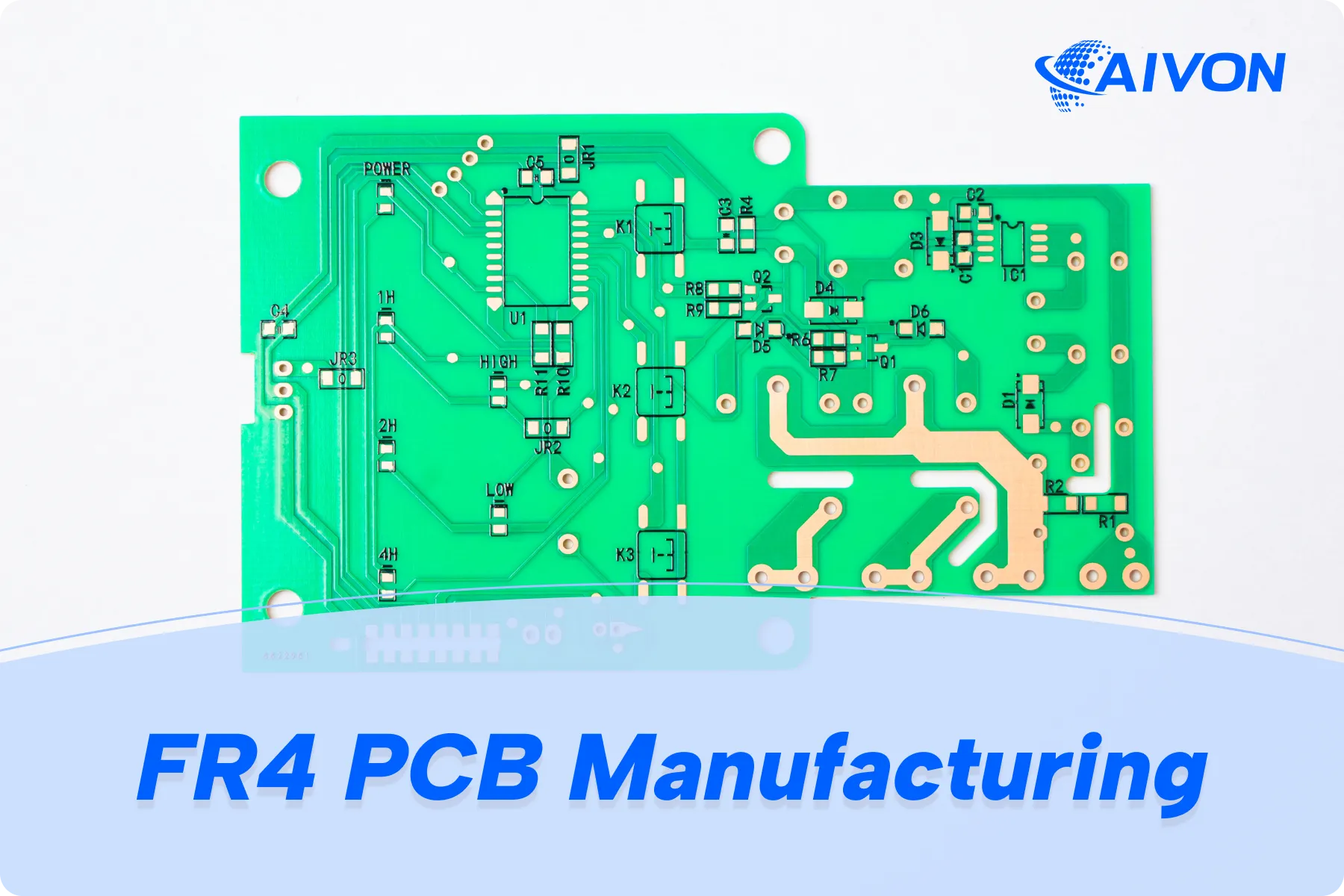
FR4 PCB Manufacturing: Materials, Process, and Fabrication Guide
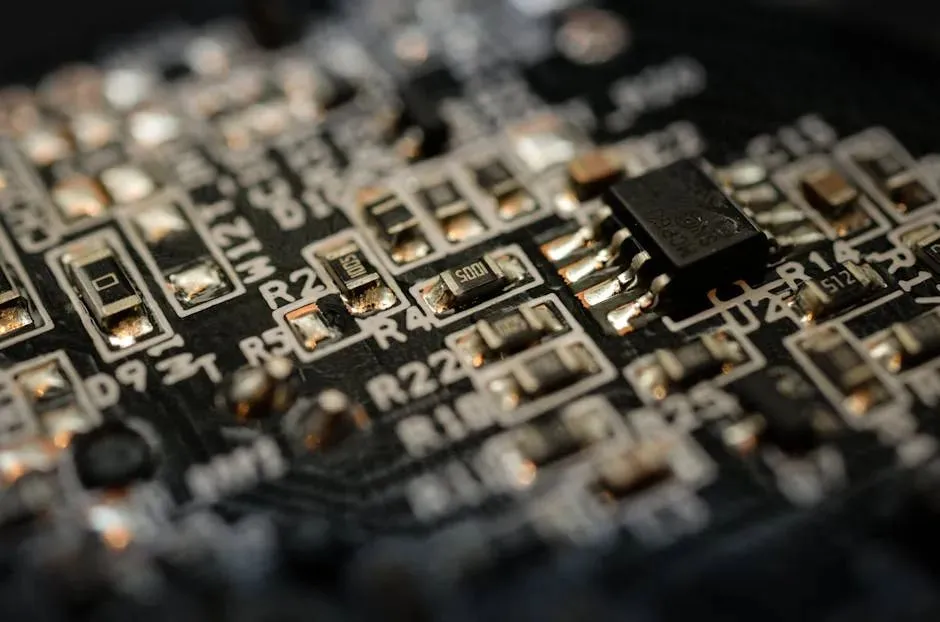
Are PCB Layout and Routing the Same for Industrial-Grade and Consumer-Grade Chips?

Five ESD Design Practices That Reduce Discharge Damage
Basic PCB Concepts Needed to Start a Design
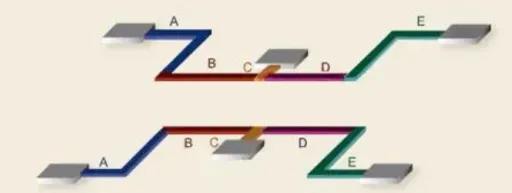
PCB Design Keep Going Wrong? 13 Key Fundamentals That Build a Solid Baseline
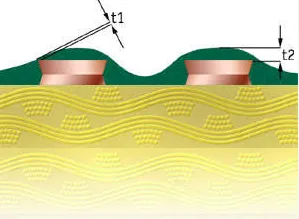
PCB Solder Mask Thickness: When It Is Too Thick, It Becomes Armor; When It Is Too Thin, It Creates Hidden Risks
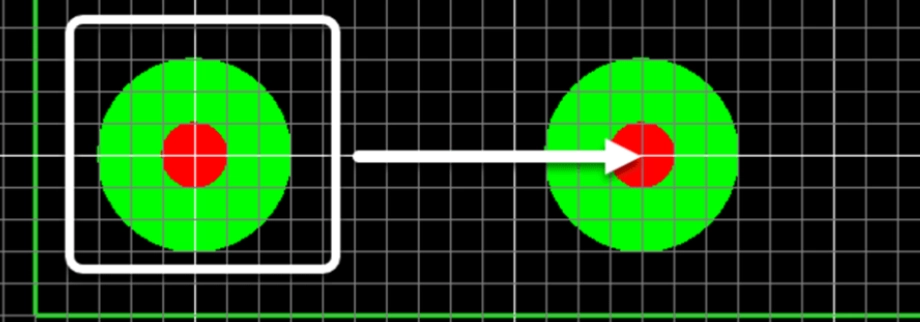
CAM Confirmation of Fiducial Marks on a 205 × 20 mm 6-Layer Rigid-Flex Panel
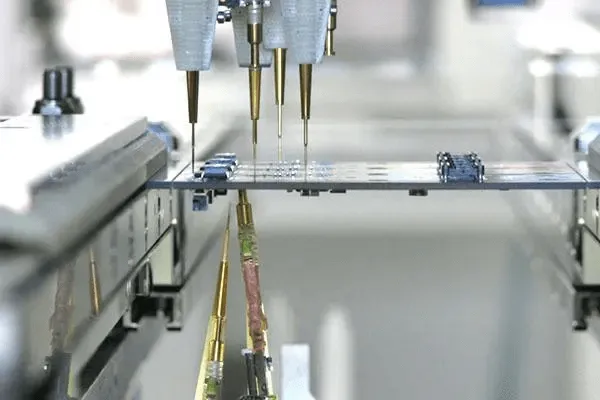
PCB Power Stability Testing
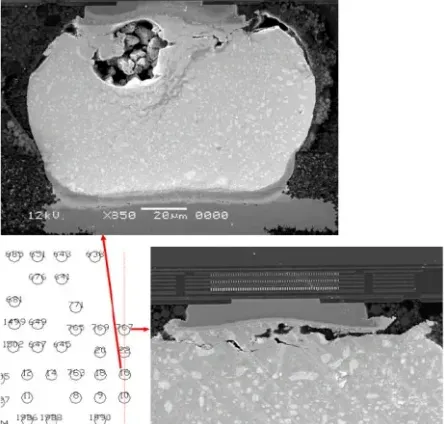
Temperature Is a Major Threat to Reliability