 03:41
03:41
PCB Soldering
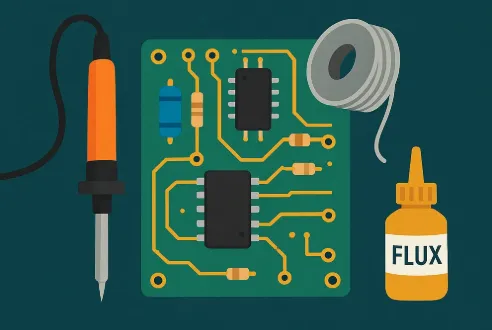
PCB soldering is a fundamental skill in electronics assembly and repair, involving the precise joining of components to printed circuit boards using molten solder. This process ensures reliable electrical connections, enabling everything from simple DIY projects to complex industrial applications. For hobbyists, engineers, and technicians searching for guidance on PCB soldering, this tag serves as a comprehensive resource, addressing common challenges like achieving clean joints, avoiding thermal damage, and selecting the right tools for the job. Understanding the basics starts with essential techniques such as through-hole and surface-mount soldering, where proper heat management is key to preventing issues like cold solder joints or component overheating. Best practices include using high-quality flux to improve solder flow, maintaining a clean workspace to reduce contamination, and employing tools like temperature-controlled soldering irons or reflow ovens for consistent results. For those troubleshooting, articles under this tag explore practical solutions, such as identifying bridging or tombstoning defects and implementing fixes like desoldering wicks or hot air stations. These insights are particularly valuable for optimizing assembly processes in prototyping or production environments, where efficiency and reliability directly impact project success. Whether you are a beginner learning to solder your first circuit or an experienced professional refining advanced methods like wave soldering for mass production, the content here draws from real-world expertise to provide actionable advice. Dive into the curated articles to build your skills, discover innovative tools, and apply proven strategies that enhance your electronics work.
Video Guide
-
03:41
-
 00:58
00:58
4 Essential Checks Before Soldering Your PCB
-
 00:45
00:45
How to Repair Common Through-Hole Soldering Defects
-
 00:59
00:59
PCB Soldering Basics: Through-Hole and SMD Techniques Explained
-
 00:59
00:59
PCB Thermal Relief Pad: Essential DFM Principles for Reliable Soldering
-
 00:49
00:49
Soldering Iron vs Hot Air: Choosing the Right Tool for PCB Soldering and Rework
-
 01:02
01:02
USB Type-C Connector Removal: Professional Rework Techniques
-
 01:00
01:00
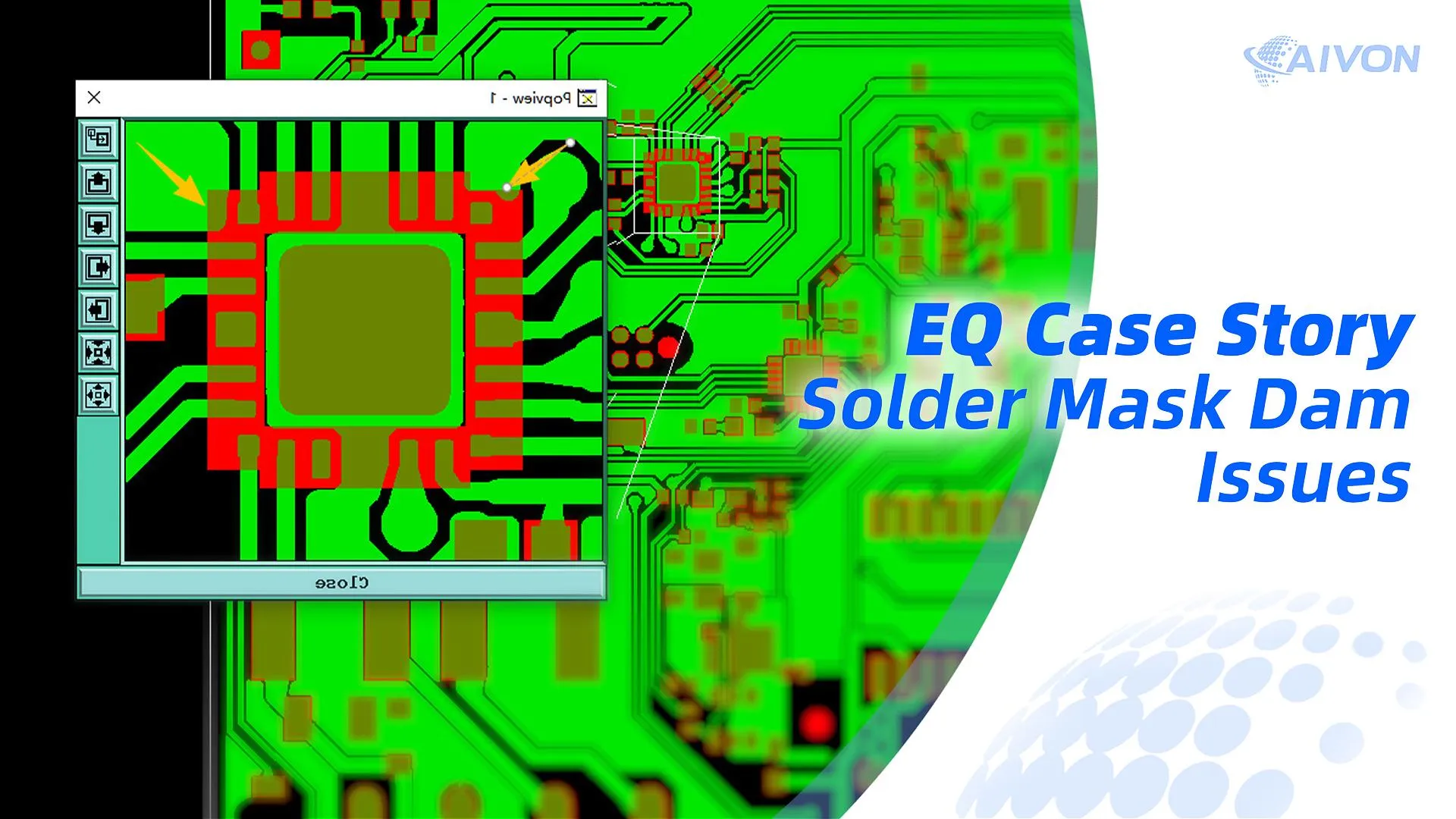
Solder Mask Bridge in PCB Manufacturing: Preventing Shorts in Fine-Pitch Designs
Technical Articles
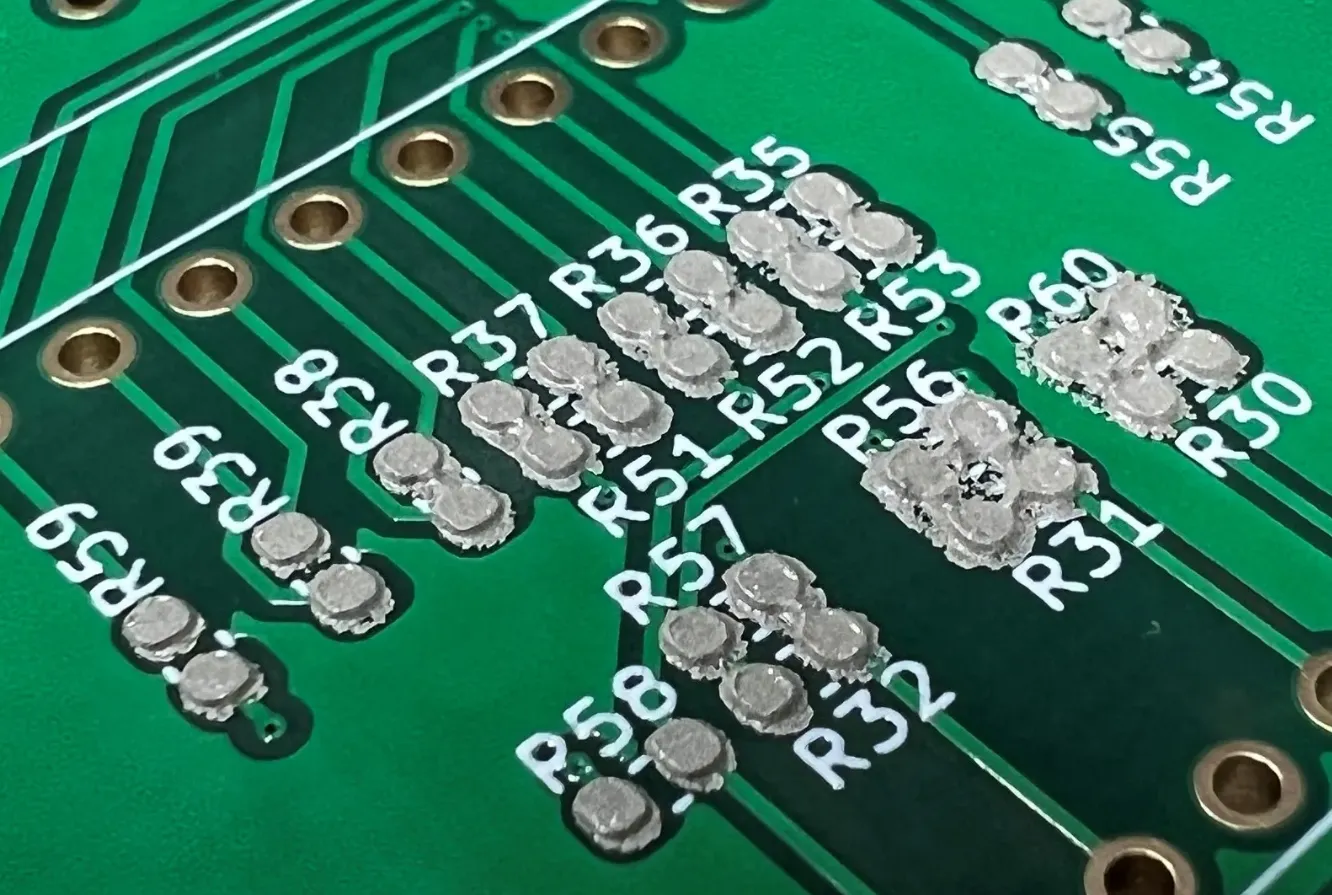
Optimizing Solder Paste Application with Step Up Stencils
Avoiding the Pitfalls: Common Mistakes in PCB Mass Production and How to Fix Them
Fine-Pitch SMT Stencils: Achieving Precision in High-Density PCB Assembly
Reflow Techniques for Through Hole
FR 4 PCB Assembly Techniques: A Comprehensive Guide
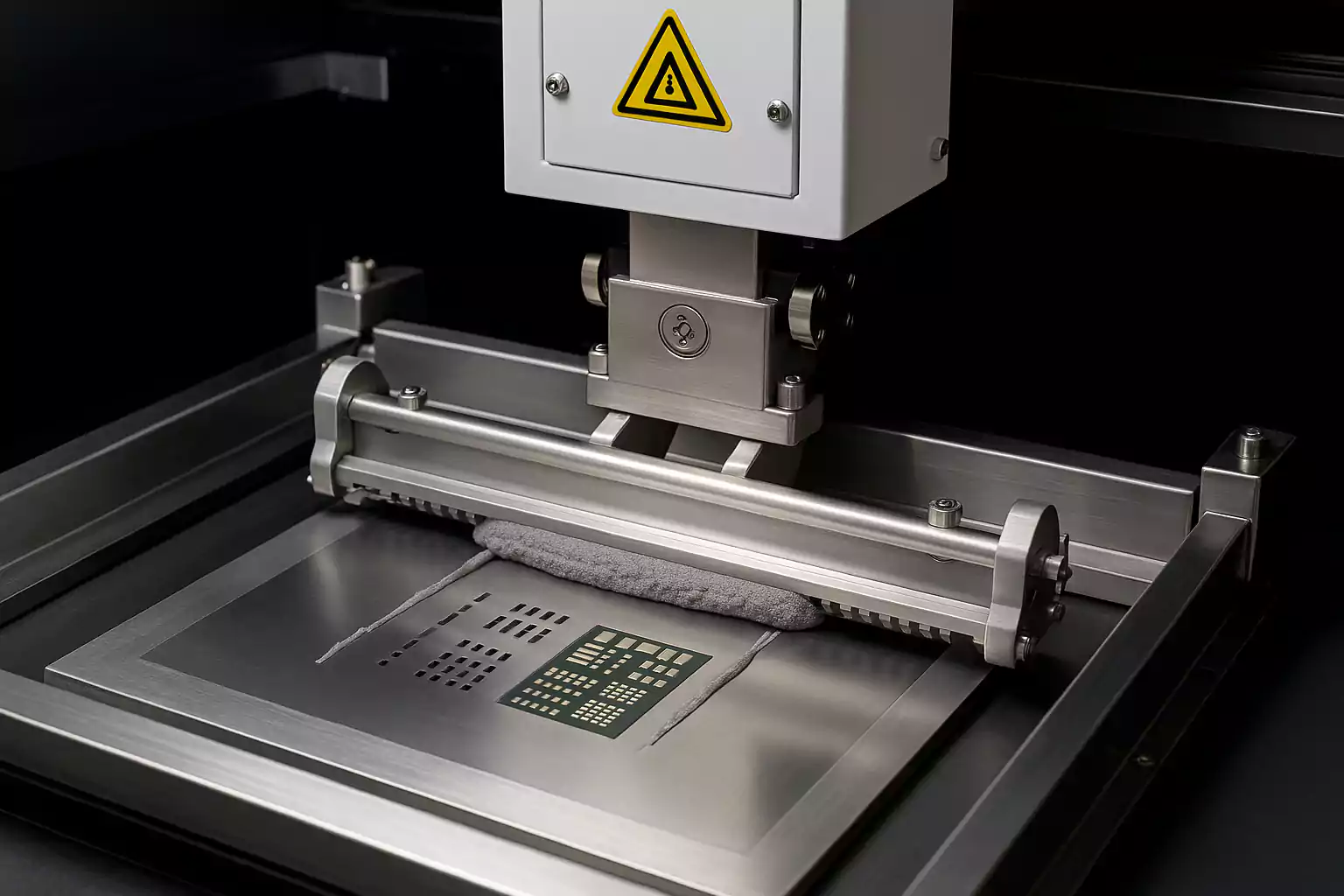
Stencil Printing with Lead Free Solder Paste: Best Practices for Reliable Assembly
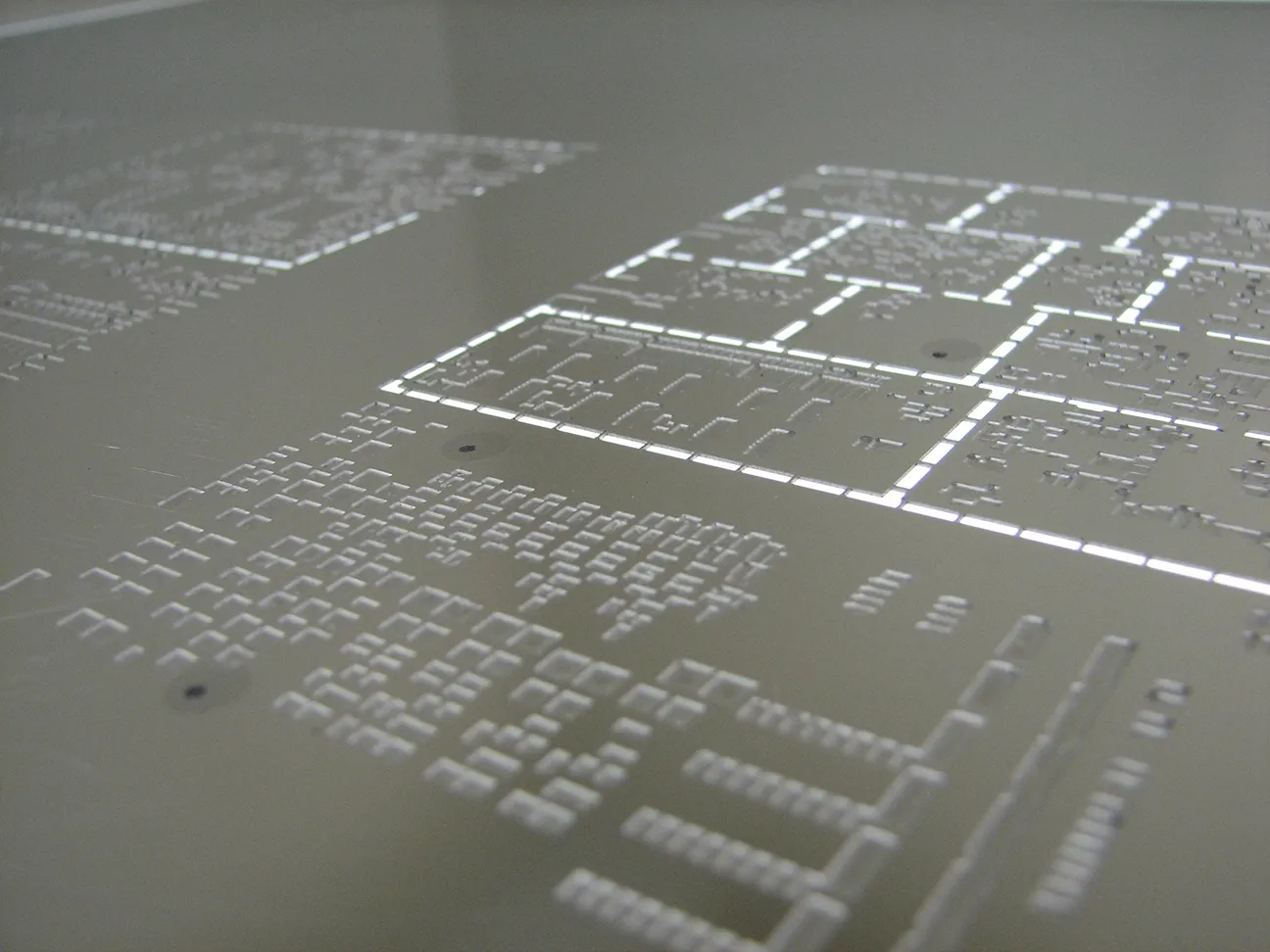
Step Down Stencil: The Impact on PCB Rework and Repair
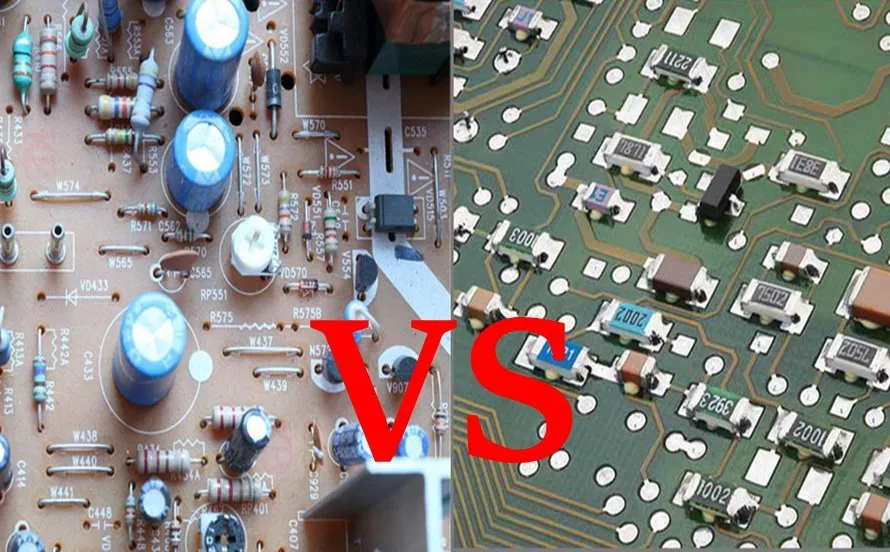
SMD vs. Through Hole: Optimizing Footprint Design for Different Component Types
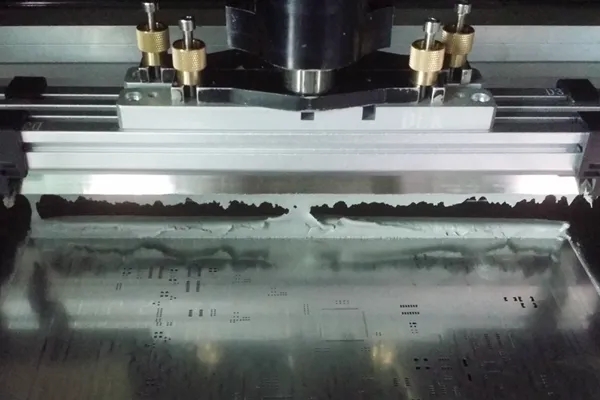
Materials Matter: Selecting the Best Foil for Your Step Down Stencil
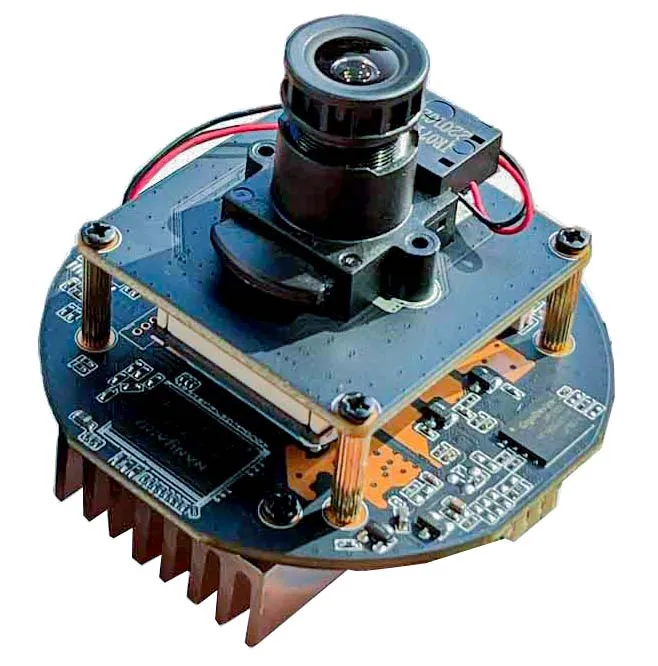
Soldering and Assembling Security Camera PCBs: A Practical DIY Guide
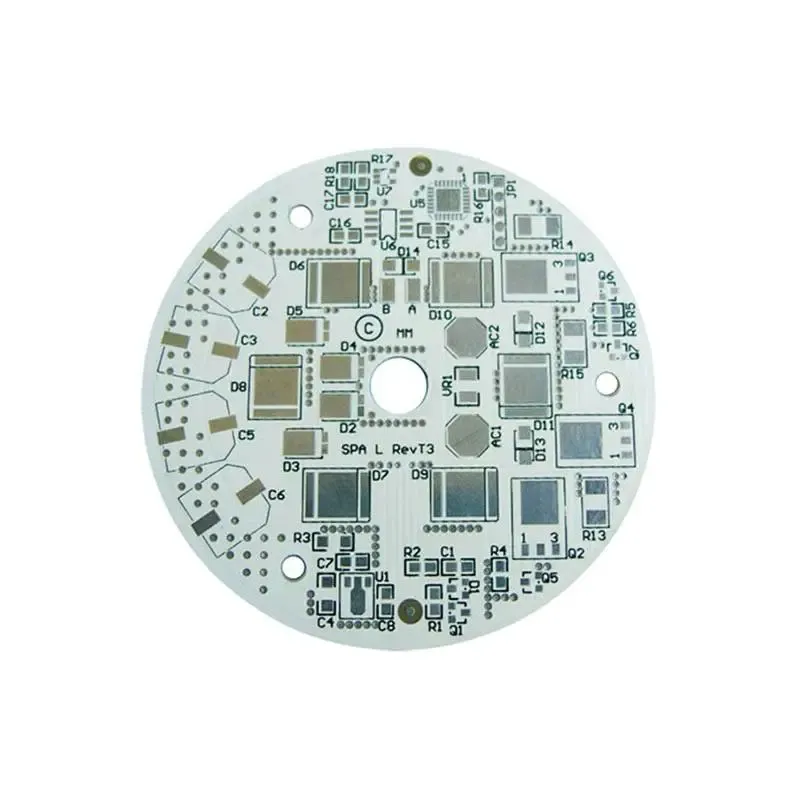
Soldering Aluminum PCBs: A Comprehensive Guide for Robust Connections
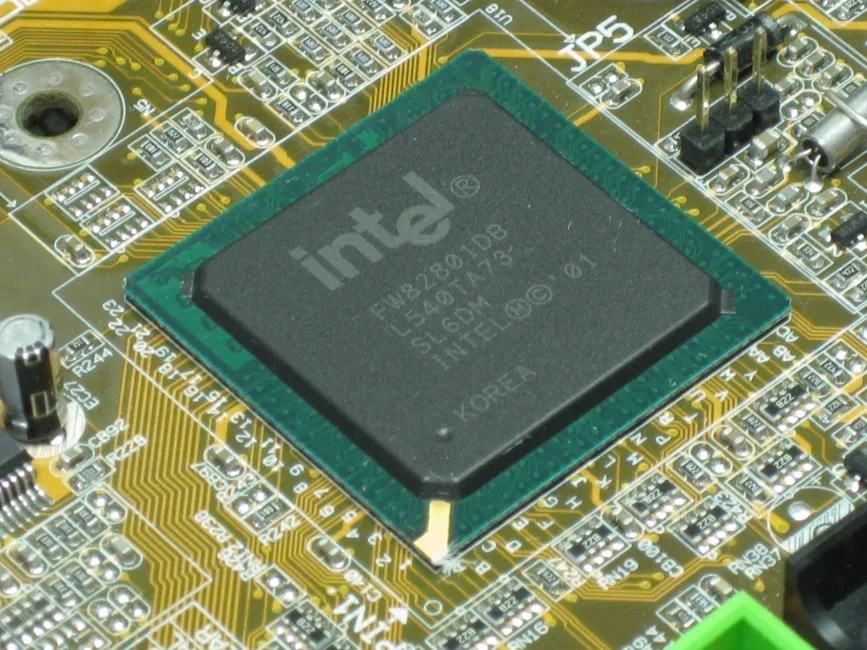
Step-by-Step Guide to Removing and Replacing SMD Components with a PCB Assembly Rework Station
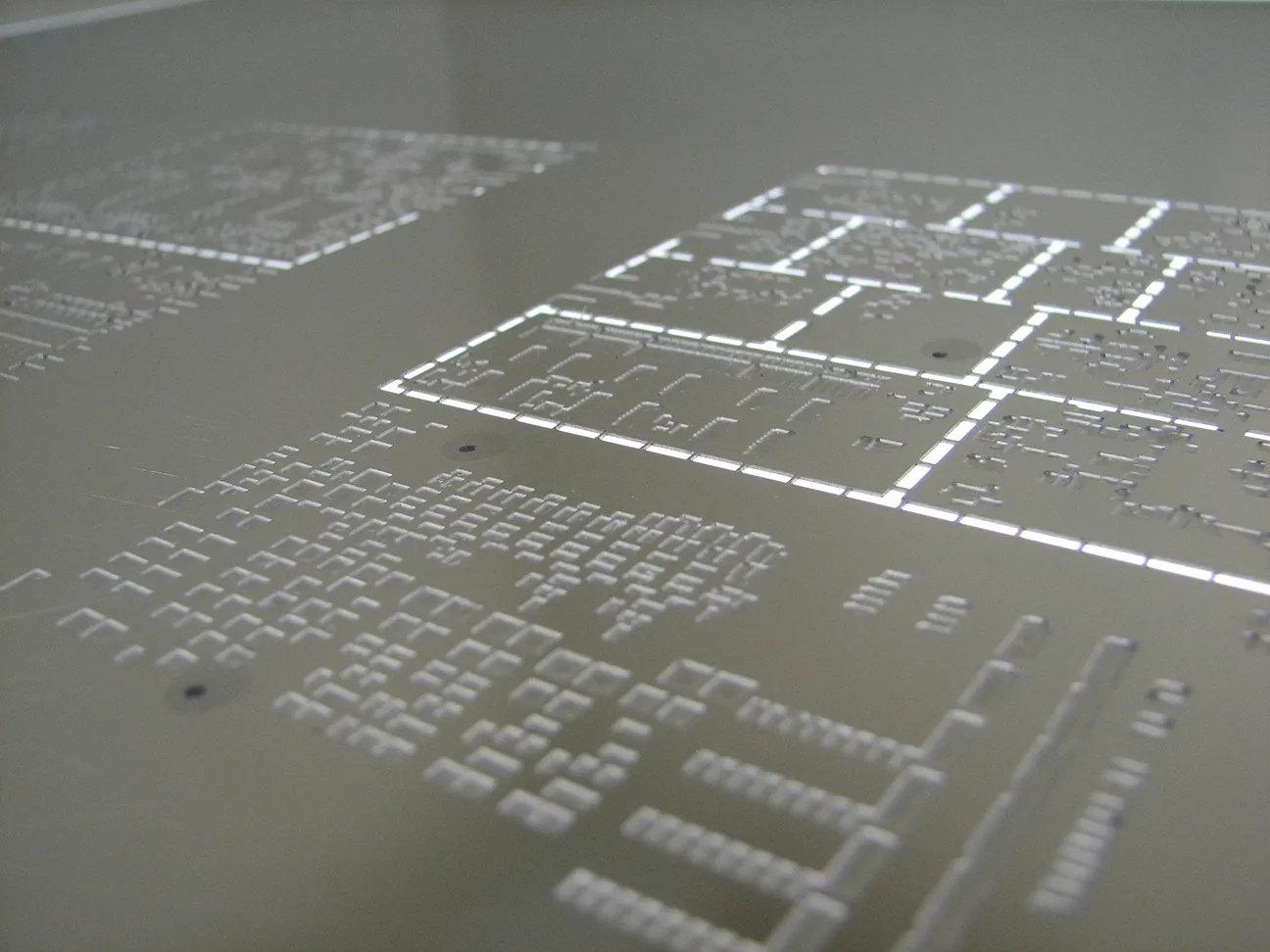
Step Down Stencil: A Guide to Using Frameless vs Frame Stencils
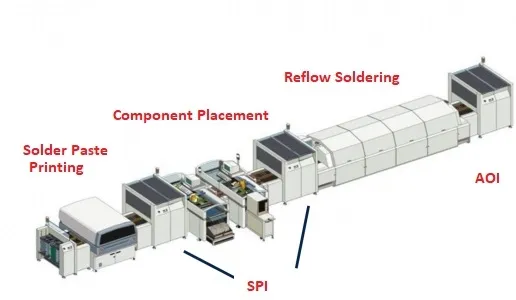
The Reflow Soldering Process: A Practical Guide for Electrical Engineer’s Guide
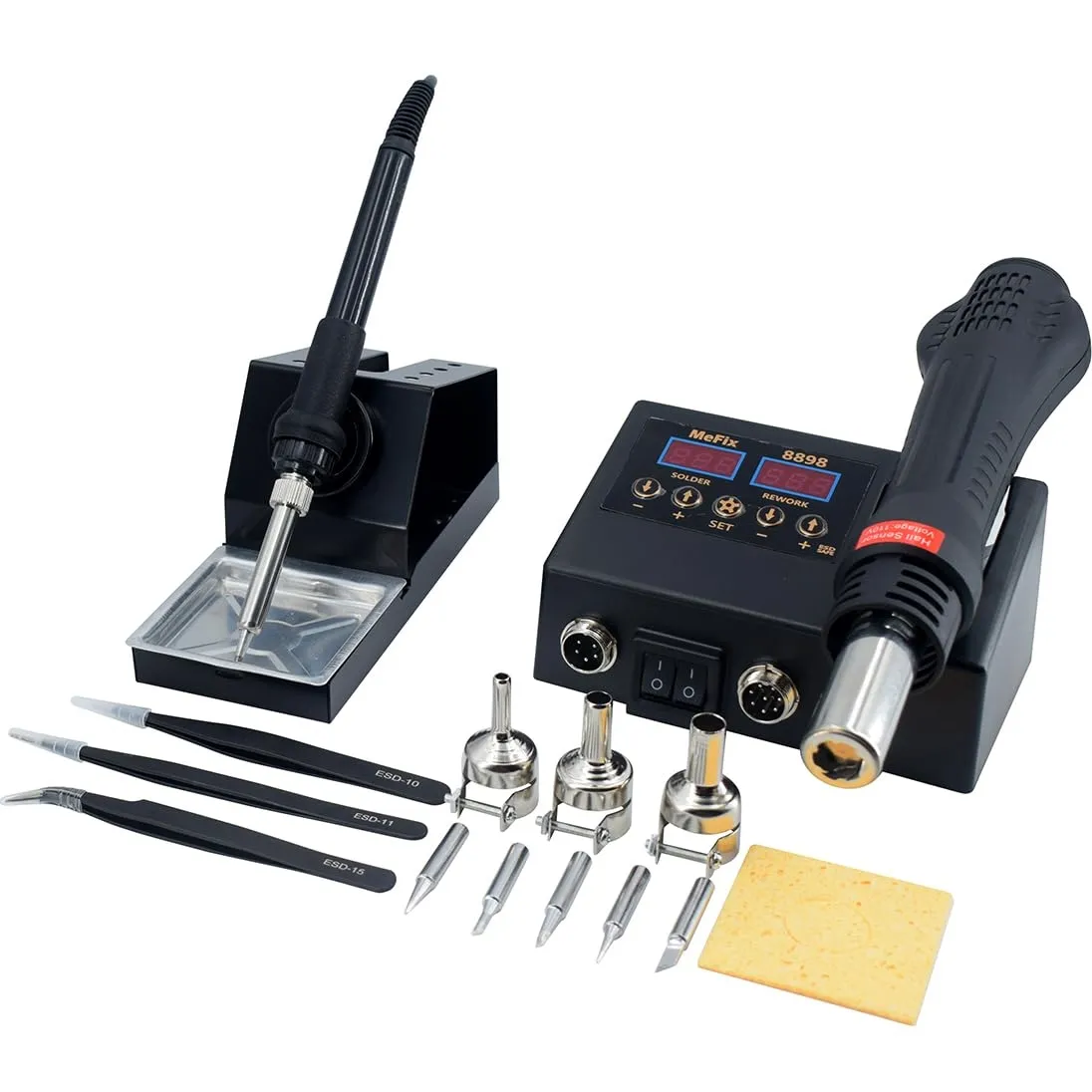
DIY SMD Soldering: Essential Tools and Techniques for Hobbyists
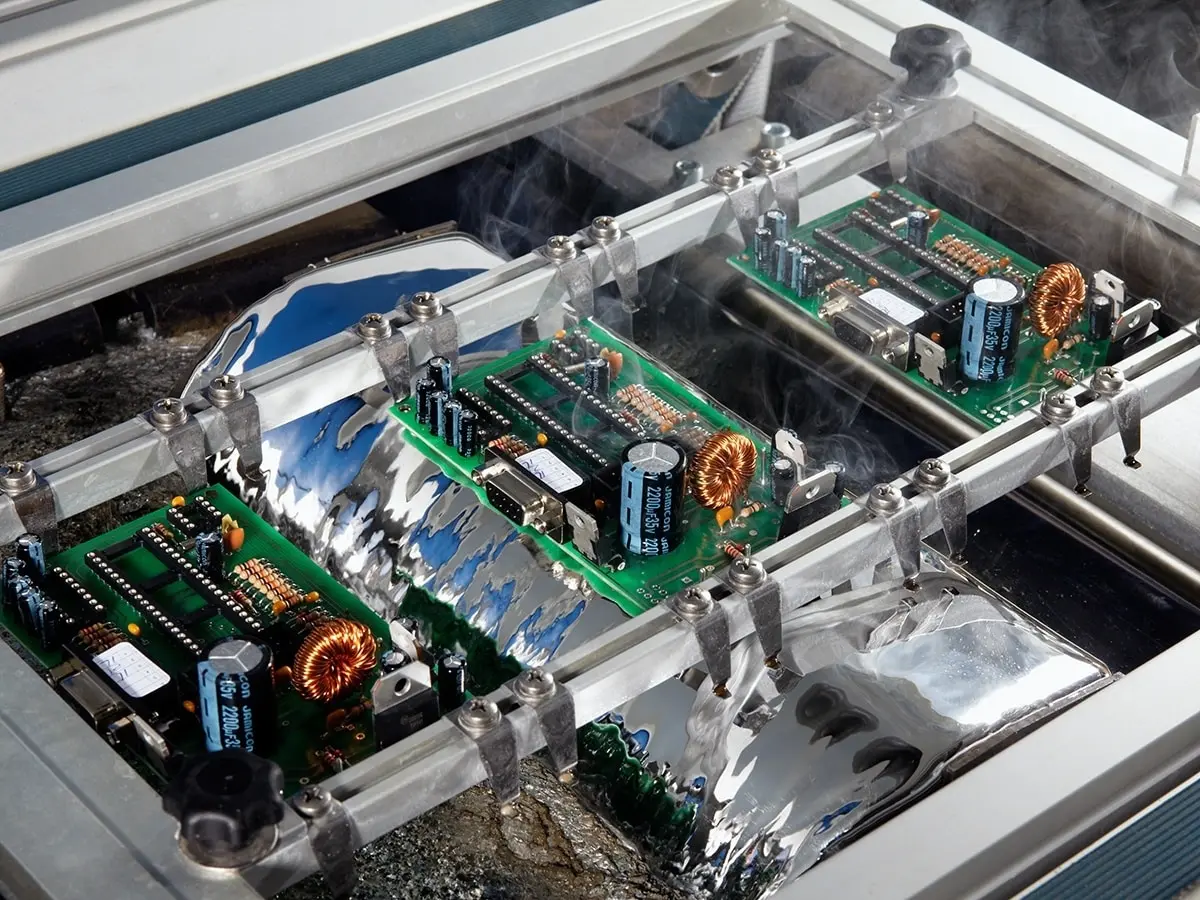
Wave Soldering vs. Hand Soldering: Which Method is Best for Your Project?
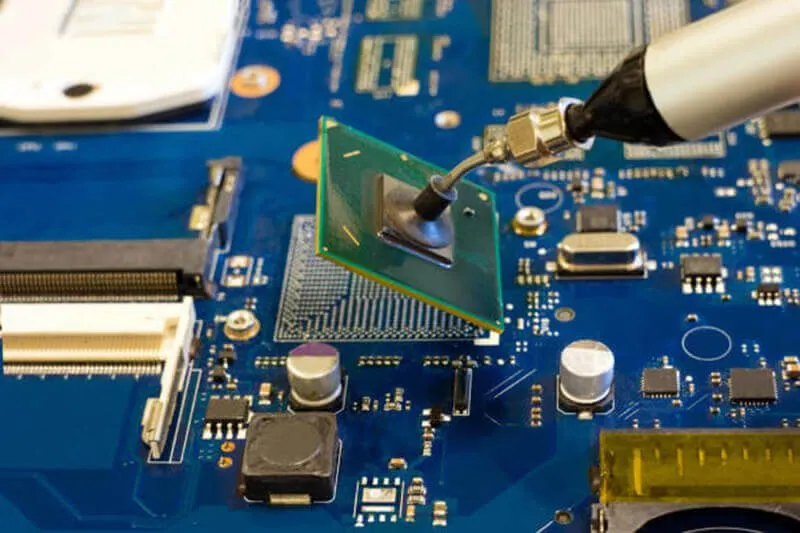
SMT Stencils for Rework and Repair: Techniques and Considerations
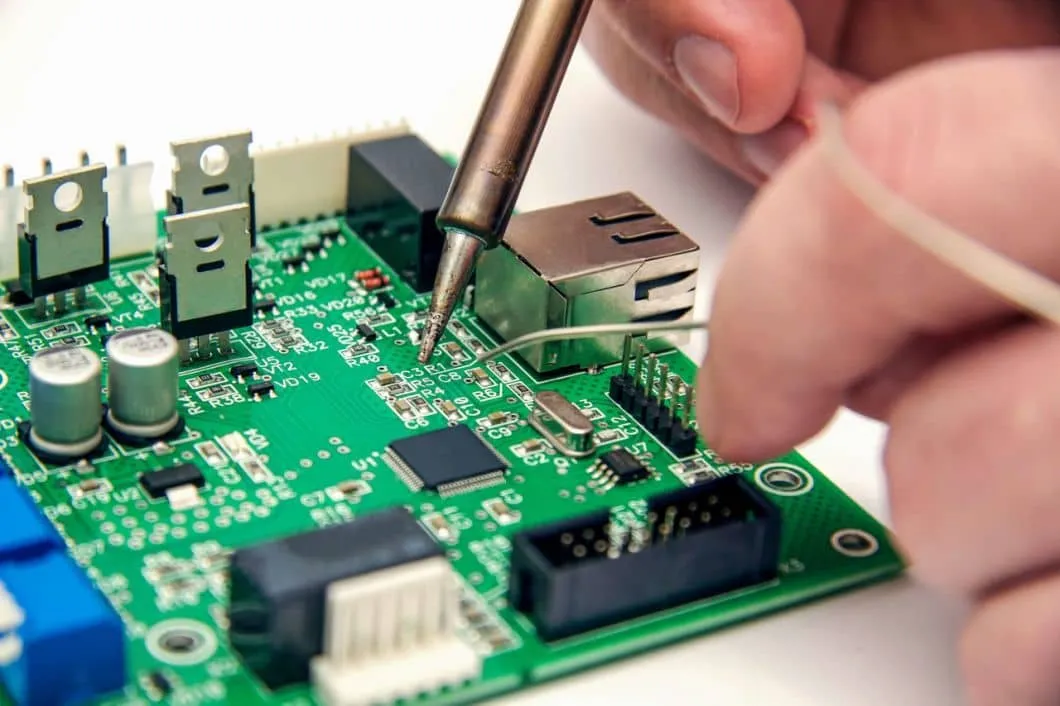
FR 4 PCB Soldering Techniques: Achieving Reliable Connections
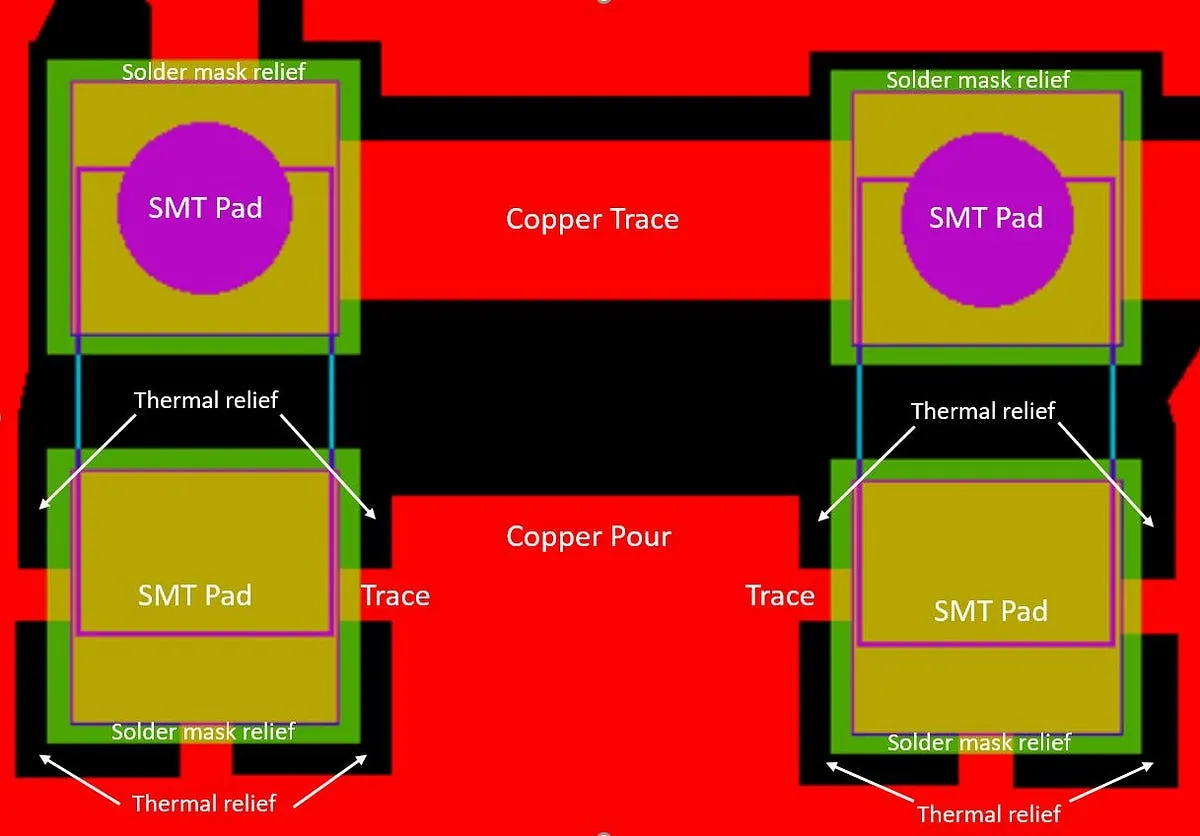
Thermal Reliefs in PCB Footprints: Ensuring Reliable Soldering and Heat Dissipation