Why Do Camera Images Appear Rectangular?
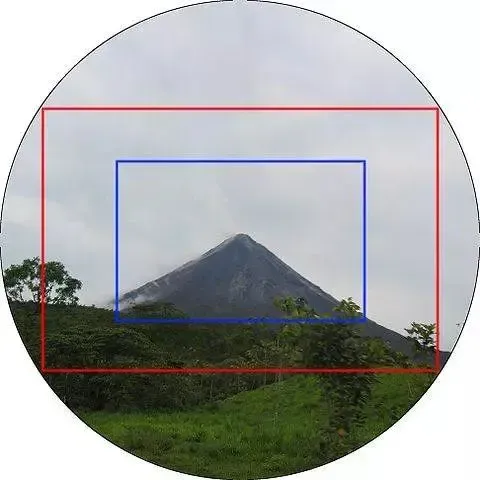
Explains why lenses produce a circular image (image circle), the historical origin of rectangular film, and how sensor size and aspect ratios affect imaging.
Memory & Storage Technology forms a cornerstone of modern electronics, encompassing the hardware and methodologies that enable data retention, retrieval, and management in devices ranging from smartphones to enterprise servers. This category delves into the intricate world of memory types such as DRAM, SRAM, and NAND flash, alongside storage solutions like solid-state drives and hard disk drives. By exploring these elements, readers gain a deeper understanding of how they integrate into printed circuit boards and larger systems, influencing performance, reliability, and efficiency in everyday applications. Professionals and enthusiasts alike will find valuable resources here, including detailed guides on selecting the right memory modules for specific projects, tutorials for implementing storage interfaces like PCIe and SATA, and insights into optimizing data throughput in embedded systems. Best practices for error correction, data security, and thermal management are highlighted, drawing from real-world scenarios in industries such as automotive electronics, cloud computing, and IoT deployments. These articles address common challenges, such as mitigating data corruption in high-vibration environments or scaling storage for big data analytics, providing actionable knowledge that bridges theory and practice. As technology evolves, staying informed on advancements like 3D NAND architecture and emerging non-volatile memory options becomes essential for innovation. The content in this category equips you with the tools to navigate these developments, whether designing compact wearables or robust data centers. Reading through the diverse topics offers a comprehensive view of how memory and storage underpin the digital age, fostering better decision-making and technical proficiency in your work.
Explains why lenses produce a circular image (image circle), the historical origin of rectangular film, and how sensor size and aspect ratios affect imaging.
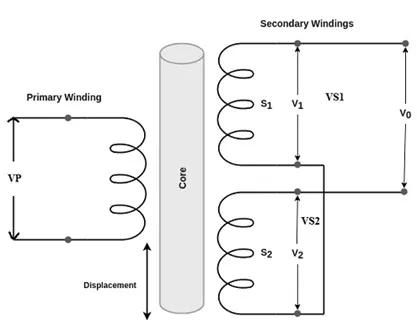
Explore displacement sensor types including LVDT, eddy current, magnetostrictive, optical encoders, and capacitive models. Learn working principles, selection criteria, reliability factors, and integration considerations for precision measurement in electronics and manufacturing systems.
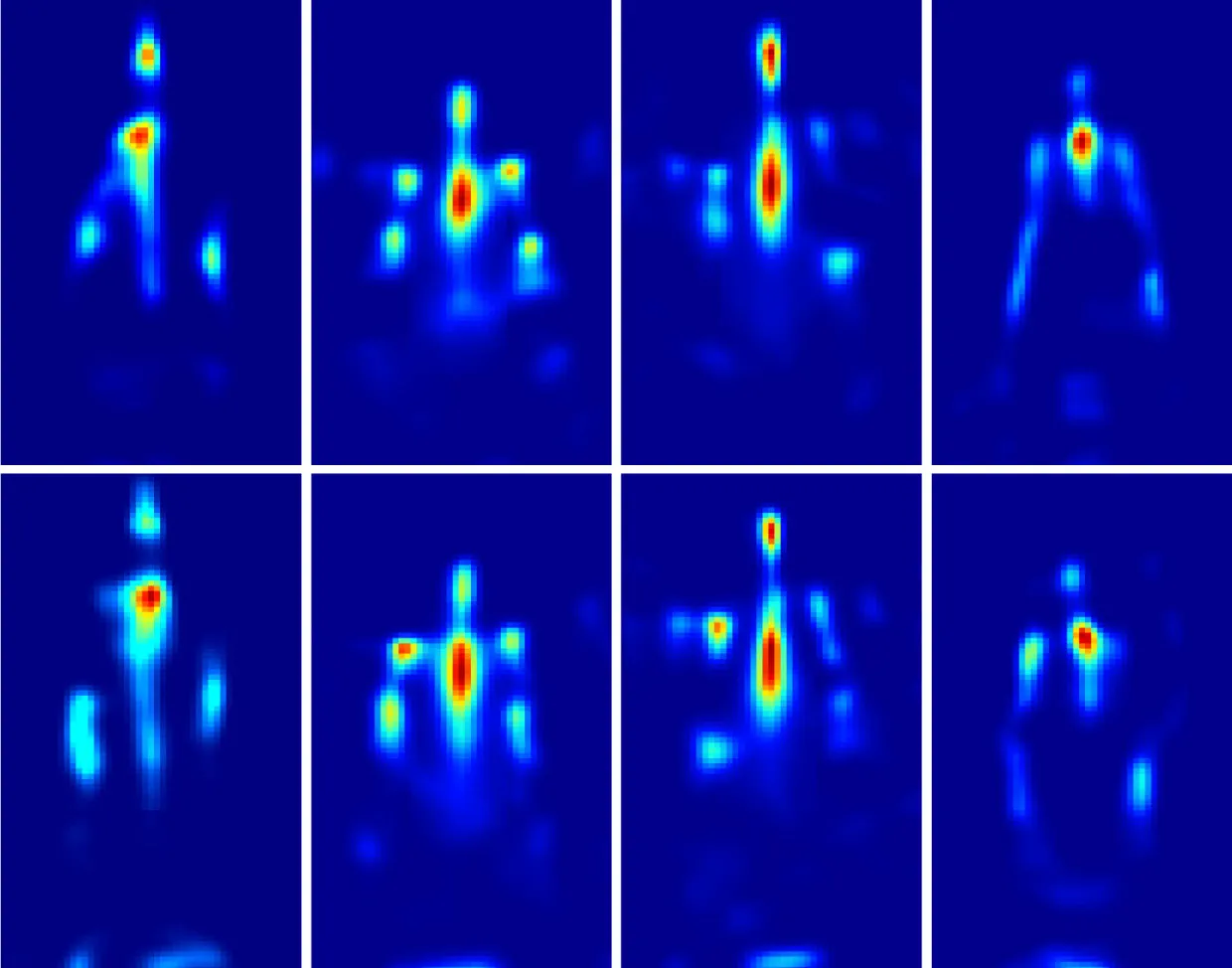
Through-wall radar imaging uses ultra-wideband electromagnetic waves to detect and reconstruct targets behind obstacles. This article examines operating principles, electronic system requirements, PCB and antenna design considerations, manufacturing challenges, and integration in security, rescue, and defense applications.
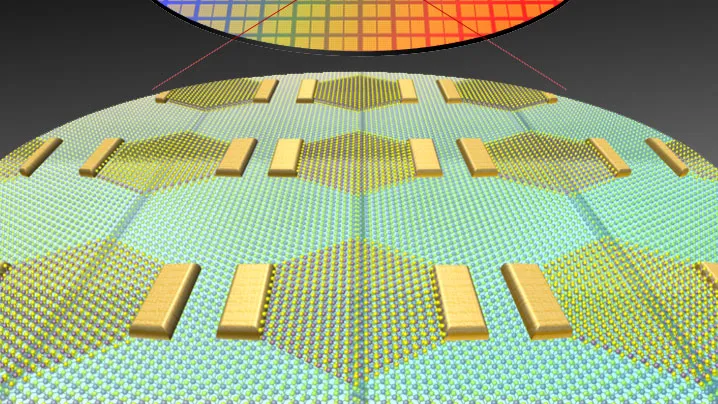
IEDM technical summary of advances beyond memory: CFET stacking, 2D-material GAA nanosheet transistors, alternative interconnects, BEOL integration, GaN and image sensors
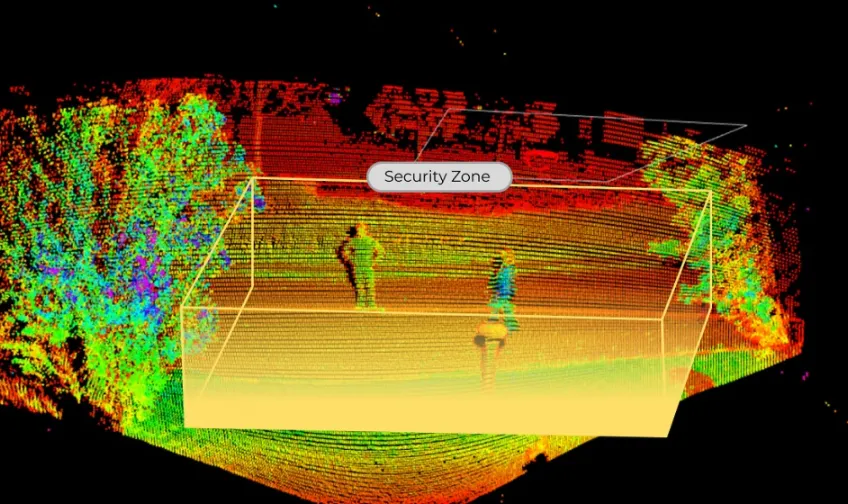
Optimize LiDAR PCB design for autonomous vehicles. Explore high-speed sensor integration, signal integrity, thermal management, sensor fusion, and automotive-grade manufacturing considerations for reliable ADAS perception systems.
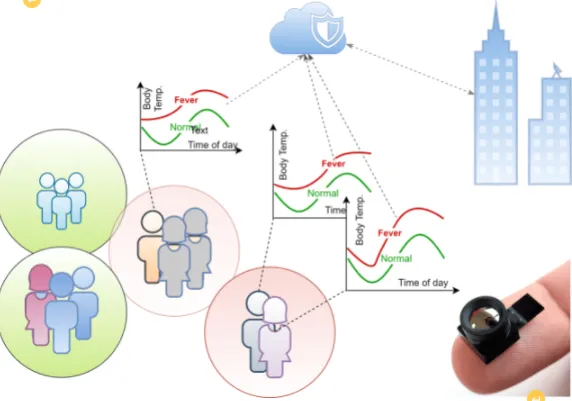
Analysis of thermal imaging adoption, highlighting CMOS low-cost sensors for face anti-spoofing and detection, and applications in public health monitoring.
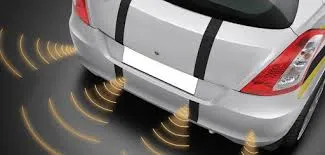
Compare parking sensors and rearview cameras in automotive systems. Learn ultrasonic/radar principles, visual detection methods, engineering trade-offs, manufacturing challenges, and PCB design considerations for reliable vehicle electronics.
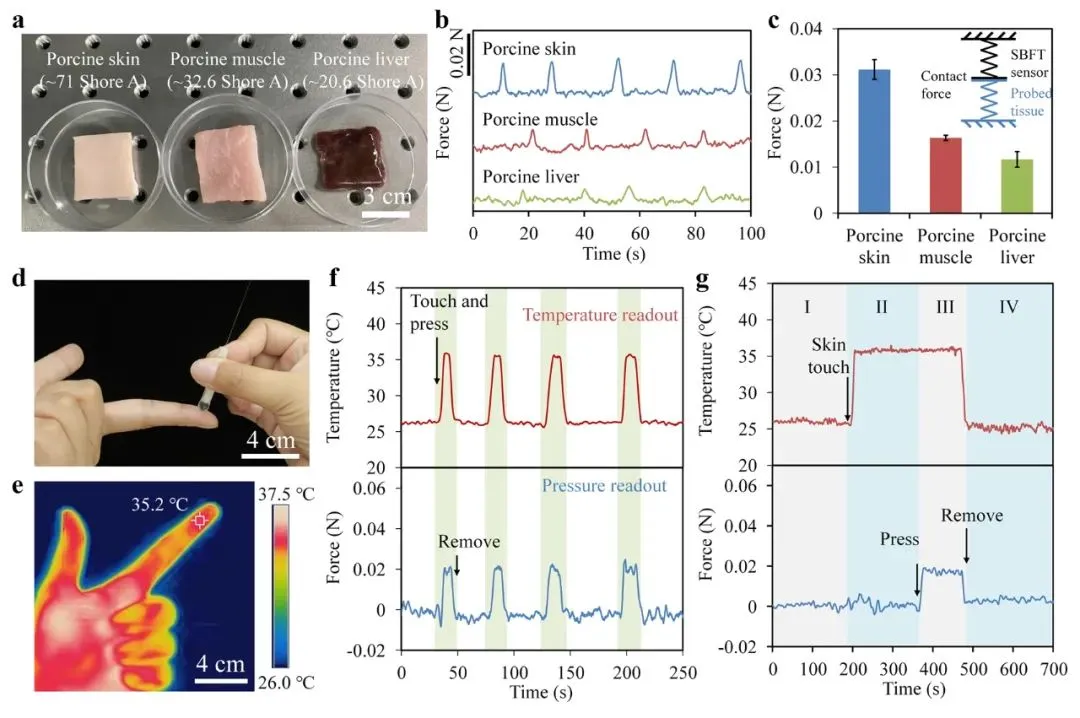
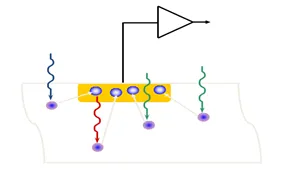
Flexible fiber-optic tactile sensor with bent FBG to decouple temperature and pressure, using compact spectral demodulation for high-resolution real-time sensing.
Practical tips to improve MEMS IMU performance: vibration isolation, regular gyro bias capture, use delta-theta/delta-velocity preintegration and precise time synchronization.
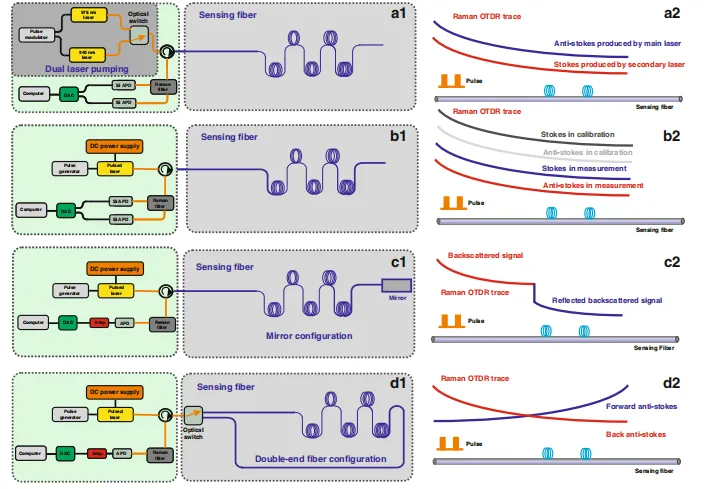
Researchers developed a Raman distributed fiber sensing method using chaotic laser probes to achieve centimeter-level spatial resolution over kilometer-scale temperature sensing.
Optimize automotive image sensor and IMU PCB performance. Explore SNR optimization, dynamic range enhancement, hardware cybersecurity, thermal management, and sensor fusion techniques for reliable ADAS and autonomous vehicle systems.
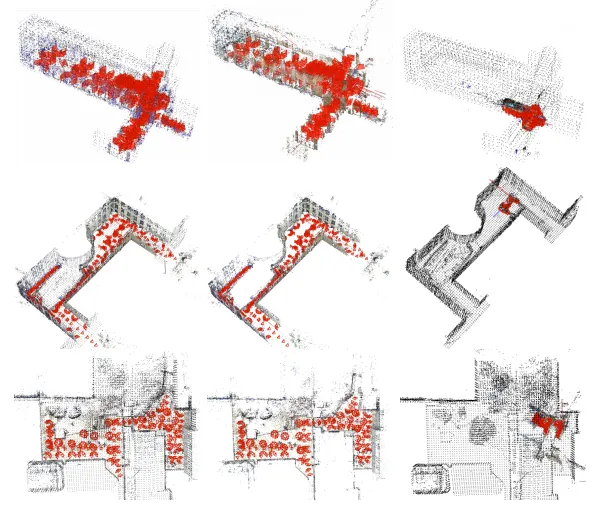
Colmap-PCD registers images to a pre-built LiDAR map to resolve scale ambiguity in monocular reconstruction, optimizing image poses and 3D points without sensor synchronization.