How Sensors Enable Earthquake Early Warning
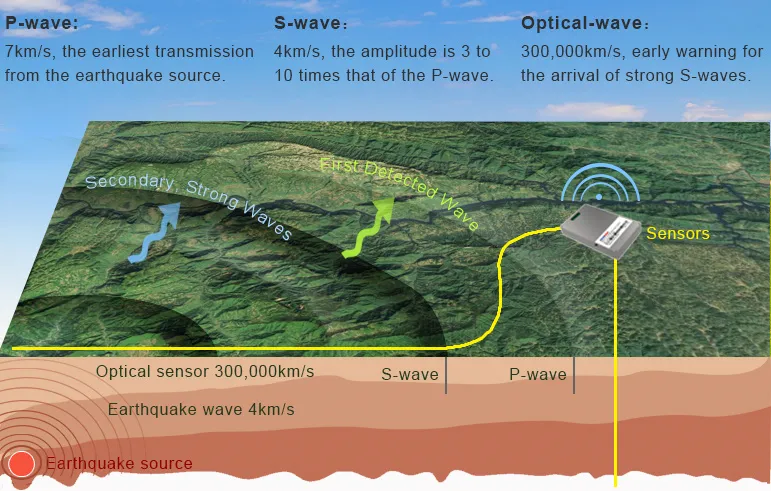
Technical overview of earthquake early warning systems, smartphone warning delivery, and sensor technologies (fiber-optic, accelerometer, tilt) for seismic monitoring.
Memory & Storage Technology forms a cornerstone of modern electronics, encompassing the hardware and methodologies that enable data retention, retrieval, and management in devices ranging from smartphones to enterprise servers. This category delves into the intricate world of memory types such as DRAM, SRAM, and NAND flash, alongside storage solutions like solid-state drives and hard disk drives. By exploring these elements, readers gain a deeper understanding of how they integrate into printed circuit boards and larger systems, influencing performance, reliability, and efficiency in everyday applications. Professionals and enthusiasts alike will find valuable resources here, including detailed guides on selecting the right memory modules for specific projects, tutorials for implementing storage interfaces like PCIe and SATA, and insights into optimizing data throughput in embedded systems. Best practices for error correction, data security, and thermal management are highlighted, drawing from real-world scenarios in industries such as automotive electronics, cloud computing, and IoT deployments. These articles address common challenges, such as mitigating data corruption in high-vibration environments or scaling storage for big data analytics, providing actionable knowledge that bridges theory and practice. As technology evolves, staying informed on advancements like 3D NAND architecture and emerging non-volatile memory options becomes essential for innovation. The content in this category equips you with the tools to navigate these developments, whether designing compact wearables or robust data centers. Reading through the diverse topics offers a comprehensive view of how memory and storage underpin the digital age, fostering better decision-making and technical proficiency in your work.
Technical overview of earthquake early warning systems, smartphone warning delivery, and sensor technologies (fiber-optic, accelerometer, tilt) for seismic monitoring.
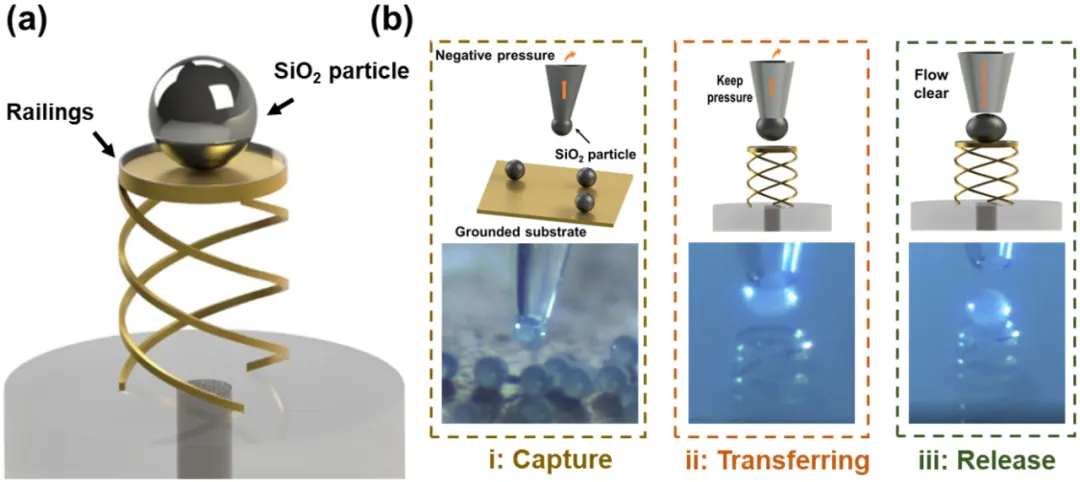
Fiber-optic force sensor with 3D-printed micro-nano spring Fabry-Perot cavity achieves piconewton precision; calibrated via microsphere weights.
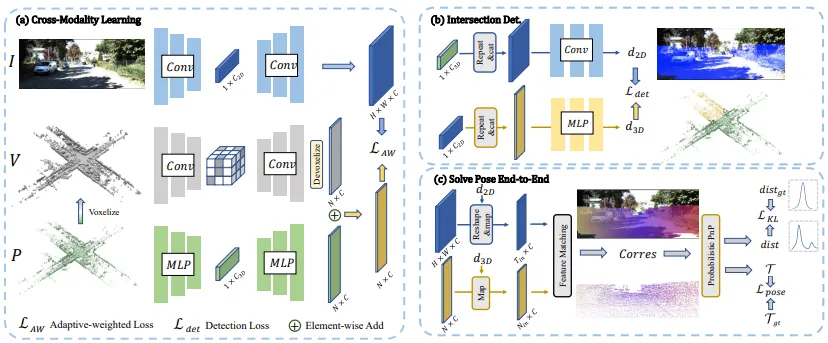
End-to-end image-to-point-cloud registration using a structured cross-modal latent space and adaptive-weighted loss, supervised by a differentiable probabilistic PnP solver.
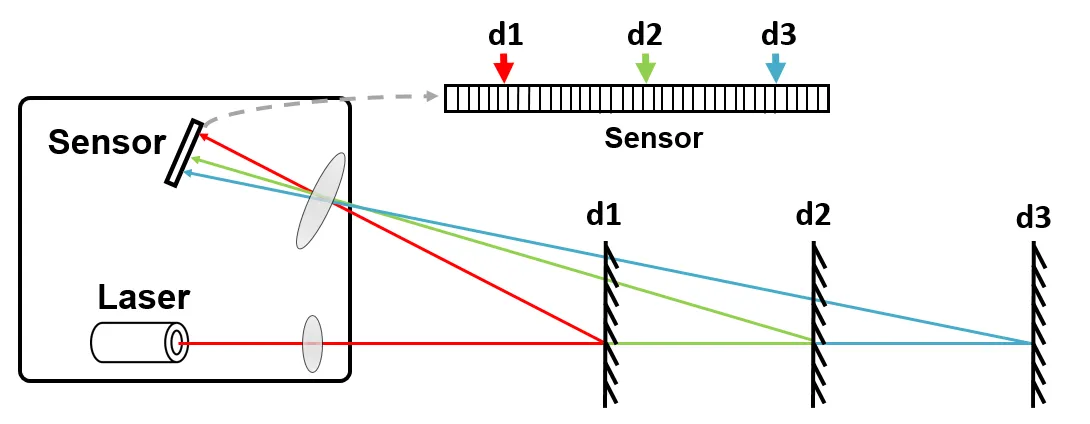
Laser triangulation lidar overview: core components (laser emitter, receiver, signal processor, rotation) and geometric measurement principles for direct and oblique triangulation.
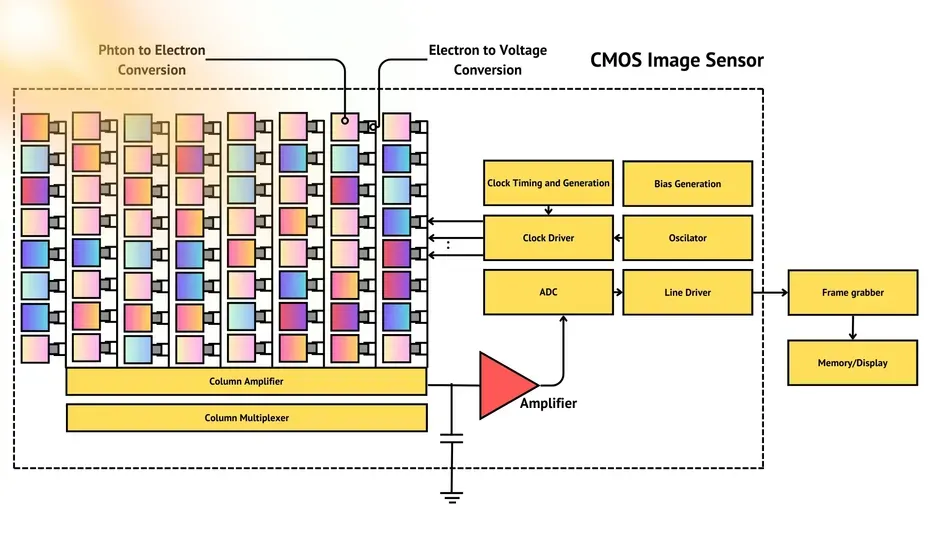
Quantum dot image sensors offer tunable absorption across visible and infrared wavelengths, potentially overcoming CMOS limitations in low-light performance and IR imaging. This article examines operating principles, manufacturing challenges, sensor integration requirements, PCB layout considerations, and reliability factors for next-generation imaging systems.
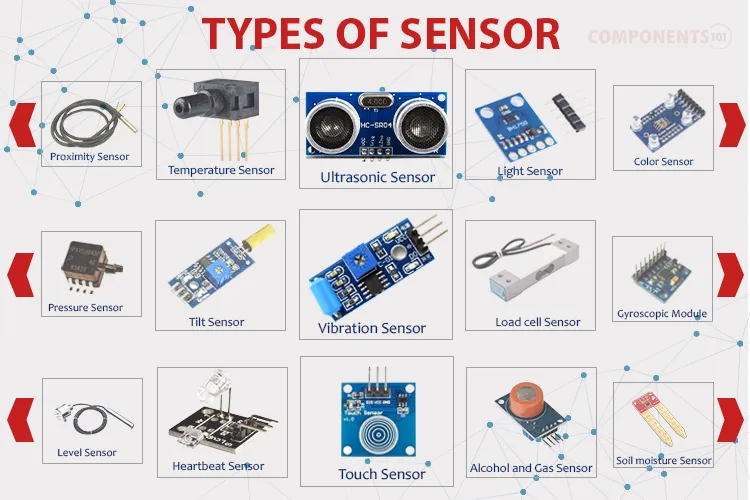
Comprehensive guide to sensor types by principle, output, and application. Explore resistive, capacitive, inductive, piezoelectric, and MEMS sensors with insights on PCB design, signal conditioning, power management, and manufacturing considerations for reliable electronics systems.
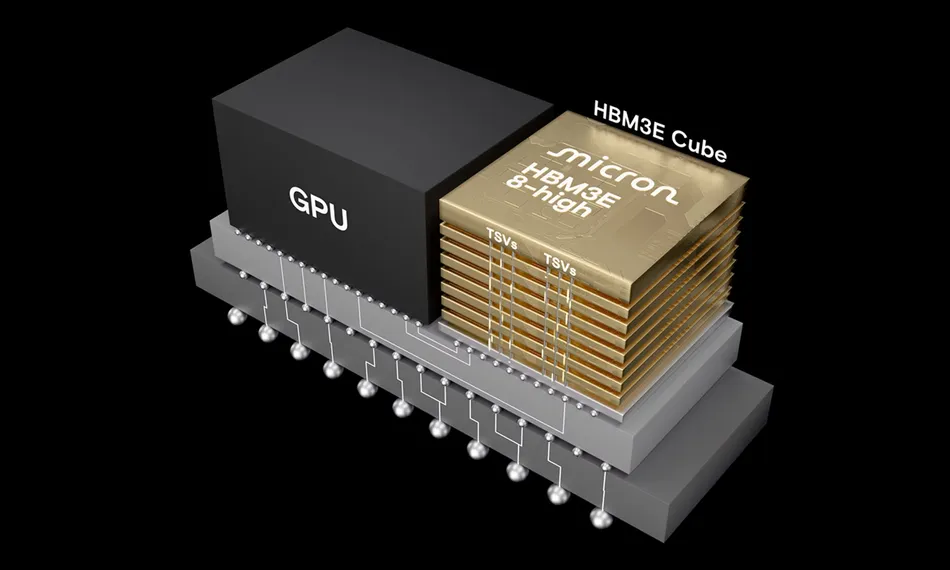
Technical overview of HBM memory: generations and HBM3E specs, market adoption in AI servers, supplier shares, and packaging technologies CoWoS and TSV for GPUs.
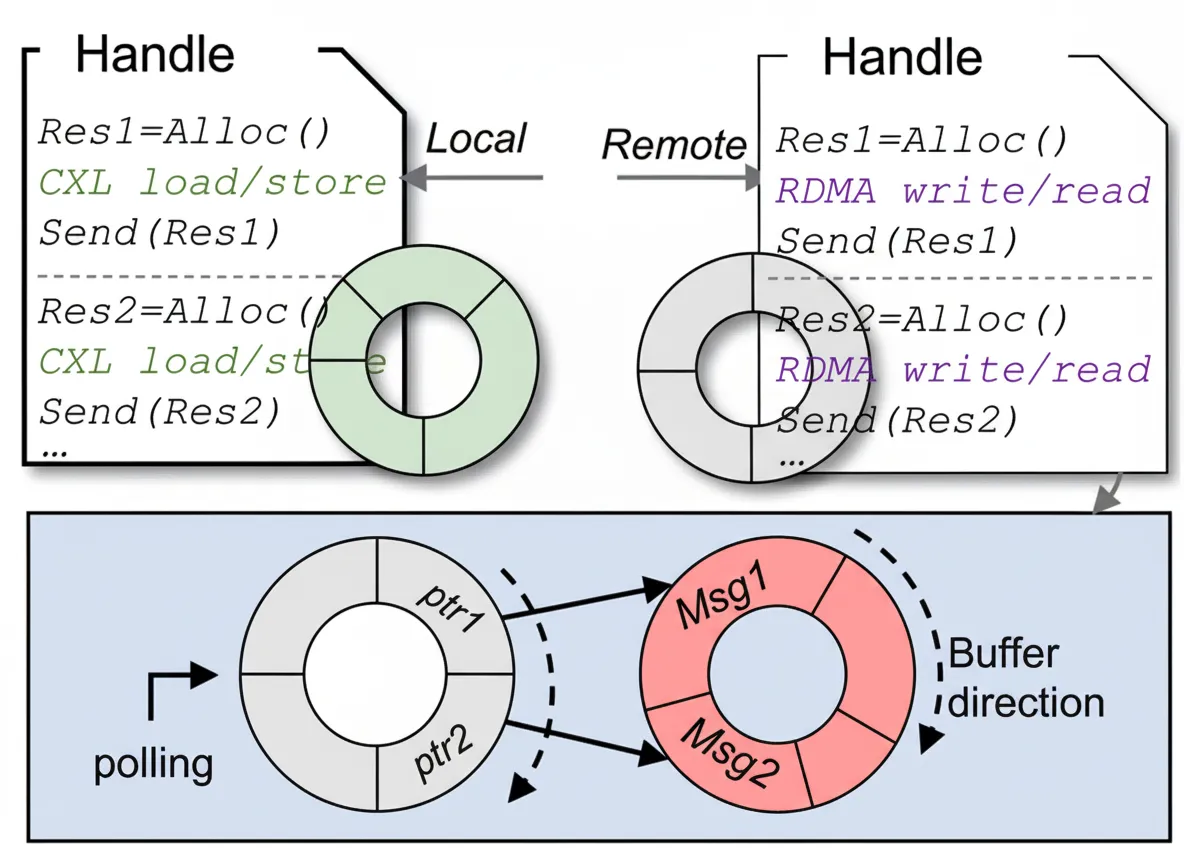
Rcmp, a hybrid RDMA+CXL memory disaggregation system, uses CXL for intra-rack low-latency access and RDMA for cross-rack scalability with hot-page migration.
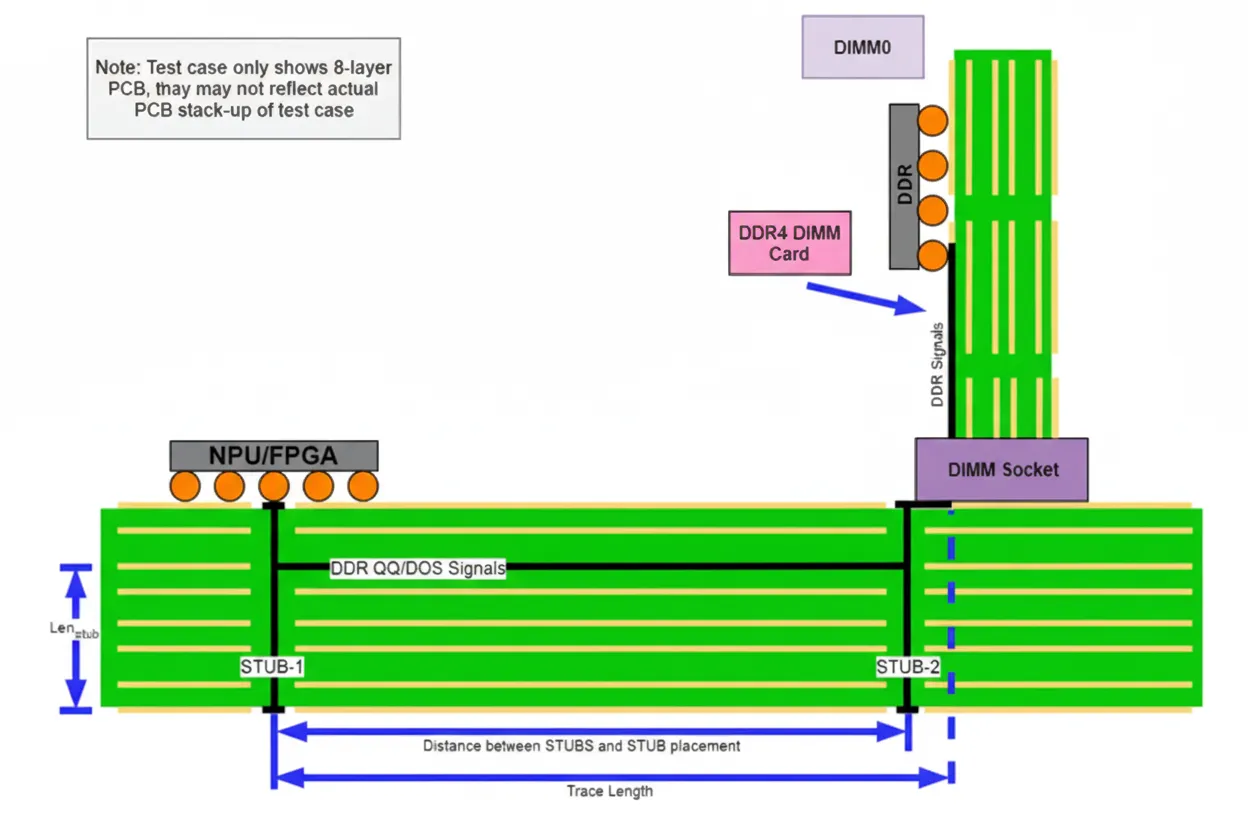
Analysis of via stubs impact on DDR4-3200 signal integrity: simulations show max 73.1 mil stub for point-to-point channels; DIMM interconnect adds loss and deterministic jitter.
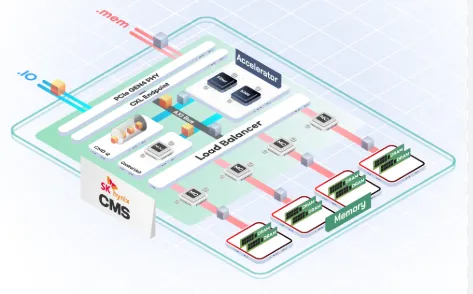
Explore advanced PCB design techniques for Processing-in-Memory (PIM), Compute-in-Memory (CiM), HBM, CXL, and hybrid RDMA architectures that overcome the memory wall in LLM and AI workloads. Learn stack-up, signal integrity, thermal, and power solutions from SK hynix and Samsung PIM technologies.
Technical overview of Zhitai Ti600 SSD: PCIe 4.0 NVMe 2.0 interface, up to 7000 MB/s sequential read, M.2 2280 design, capacities 500 GB–2 TB.
Technical overview of SRAM and DRAM fundamentals, comparing operating principles and detailing SRAM cell designs (D flip-flop, 4T and 6T), read/write/standby behavior.