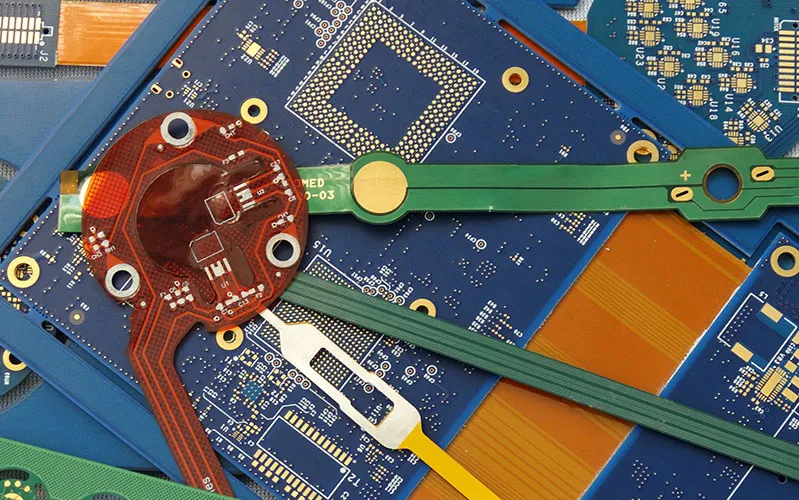
Rigid PCB Vias
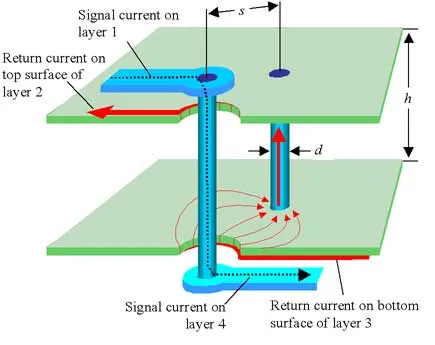
Rigid PCB vias serve as essential interconnects in multilayer printed circuit boards, enabling electrical connections between different layers while maintaining the structural integrity of rigid substrates. This tag, Rigid PCB Vias, encompasses a range of topics focused on the design, implementation, and optimization of vias in non-flexible PCBs, which are foundational to high-density electronics in industries such as consumer devices, automotive systems, and telecommunications. For engineers and designers searching for insights on this keyword, understanding vias is crucial for ensuring signal integrity, thermal management, and overall board reliability, especially in complex circuits where layer transitions can introduce challenges like impedance mismatches or manufacturing defects. In practical terms, vias in rigid PCBs come in various forms, including through-hole, blind, and buried types, each suited to specific applications. For instance, through-hole vias provide robust connections across all layers but may increase board thickness, while blind vias offer space-saving benefits by connecting only outer to inner layers without penetrating the entire board. Best practices include selecting appropriate via sizes to minimize resistance and inductance, incorporating proper annular rings for solderability, and using via-in-pad techniques for high-speed designs to reduce parasitic effects. These strategies help mitigate issues such as signal degradation in RF applications or heat buildup in power electronics, ultimately leading to more efficient and durable PCB assemblies. Professionals tackling PCB layout often seek guidance on via placement to avoid crosstalk or electromagnetic interference, as well as on advanced fabrication methods like laser drilling for microvias in high-density interconnects. By delving into the articles tagged under Rigid PCB Vias, you can access detailed case studies, design guidelines, and troubleshooting tips that address real-world scenarios, from prototyping to mass production. This collection equips you with the knowledge to refine your designs, comply with industry standards like IPC-2221, and enhance performance in demanding environments.
Technical Articles
Get in Touch
Send Message
- Products & Service
- Company
- About AIVON
- Contact
- News
- Blog
- Certification
-


- Payment
-


2026 AIVON.COM All Rights Reserved