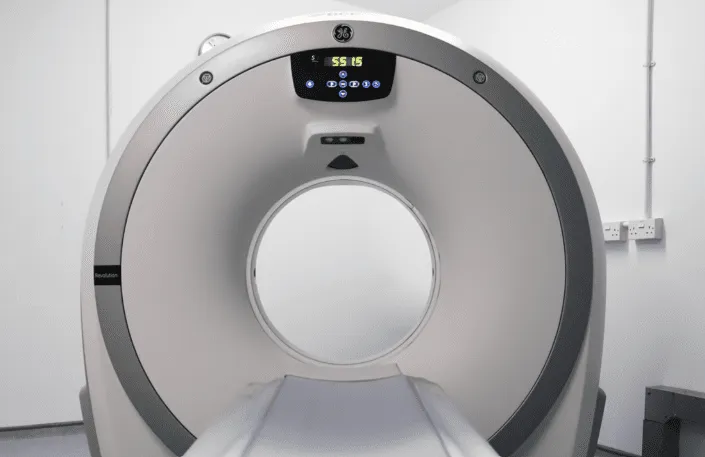
Signal Conditioning
Signal conditioning plays a crucial role in electronics and PCB design by preparing raw signals for accurate measurement, processing, or transmission. This process involves techniques such as amplification, filtering, isolation, and conversion to ensure signals remain reliable in the face of noise, interference, or incompatible voltage levels. For engineers and hobbyists searching for signal conditioning resources, this tag aggregates in-depth articles that demystify these methods, helping you optimize circuit performance and avoid common pitfalls like signal distortion or data loss. In practical applications, signal conditioning is essential for systems ranging from industrial sensors to consumer audio devices. For instance, when integrating analog sensors into a digital PCB, proper conditioning prevents errors by matching signal ranges and reducing electromagnetic interference. Best practices include selecting appropriate op-amps for amplification, implementing low-pass filters to eliminate high-frequency noise, and using isolation transformers for safety in high-voltage environments. By applying these strategies, you can enhance the accuracy and longevity of your electronic projects, whether designing IoT devices or automated control systems. Readers interested in advancing their knowledge will find a collection of articles under this tag that cover specific topics, such as designing conditioning circuits for thermocouples or troubleshooting common issues in mixed-signal PCBs. These resources provide step-by-step guidance and real-world examples to support your design decisions and improve overall system efficiency.
Video Guide
No videos found for this tag.
Technical Articles
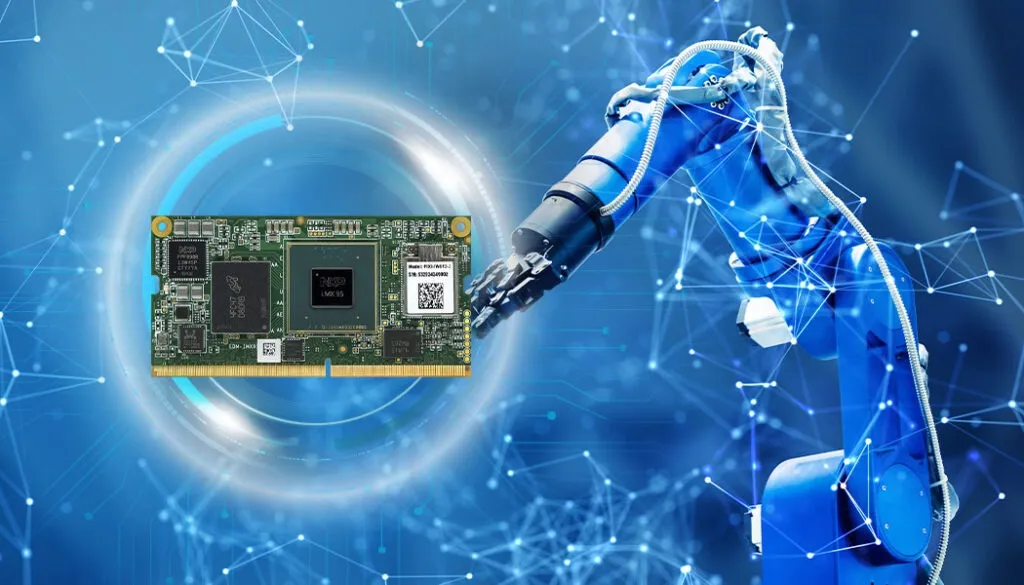
Sensor Fusion: Integrating Multiple Sensors on a Single Industrial Automation PCB
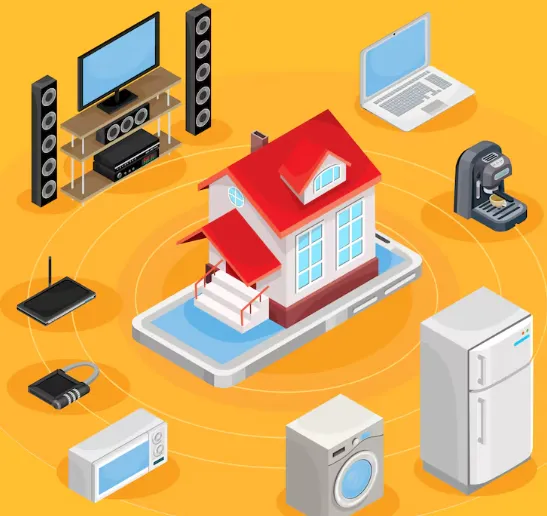
Sensor Integration: Enhancing Functionality with Smart Sensors on Home Appliance PCBs

Designing Ultra Low Power Sensor Interfaces for Fitness Tracker PCBs
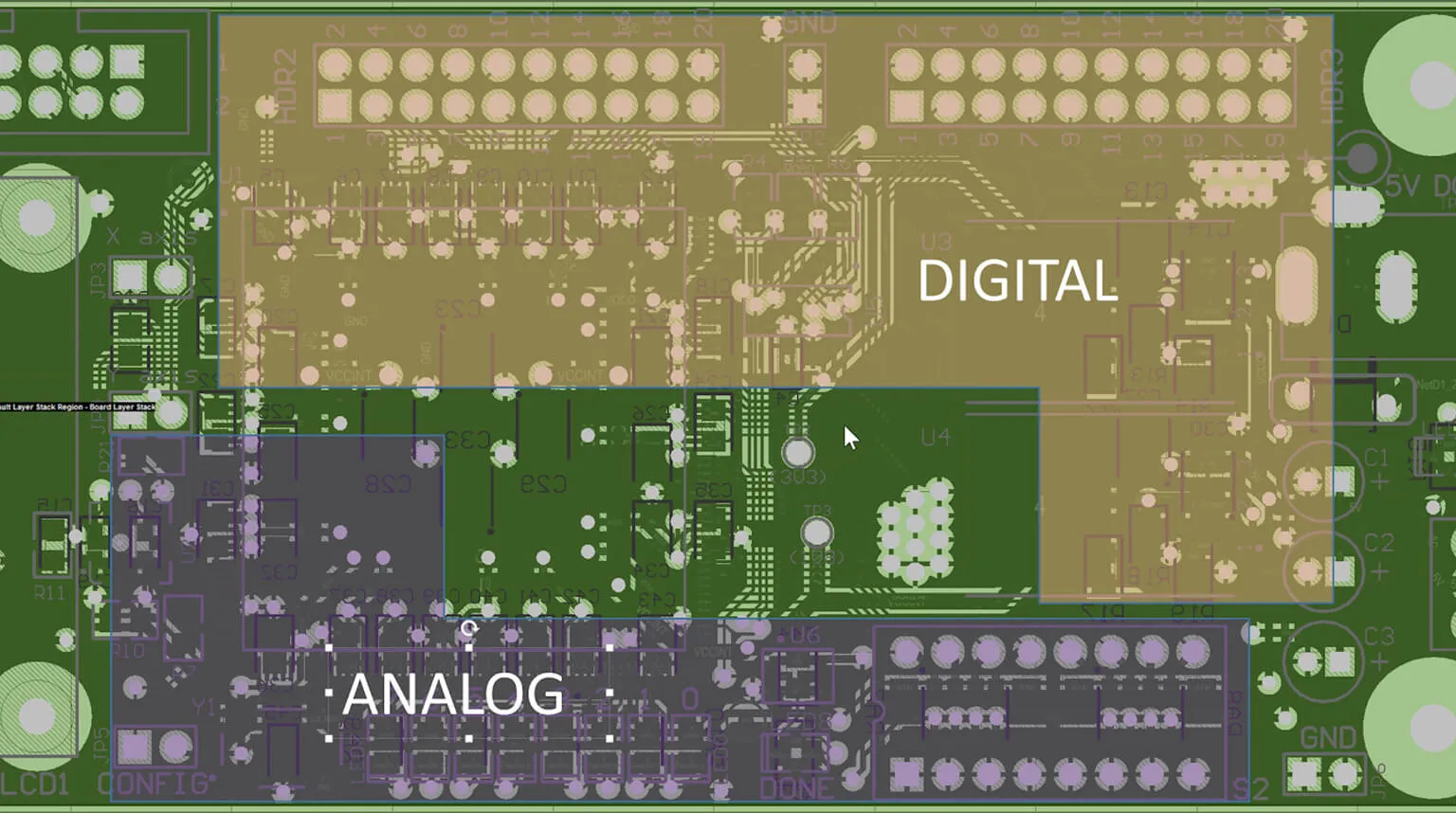
Analog Circuit Design Essentials for PCB Layout: A Comprehensive Guide
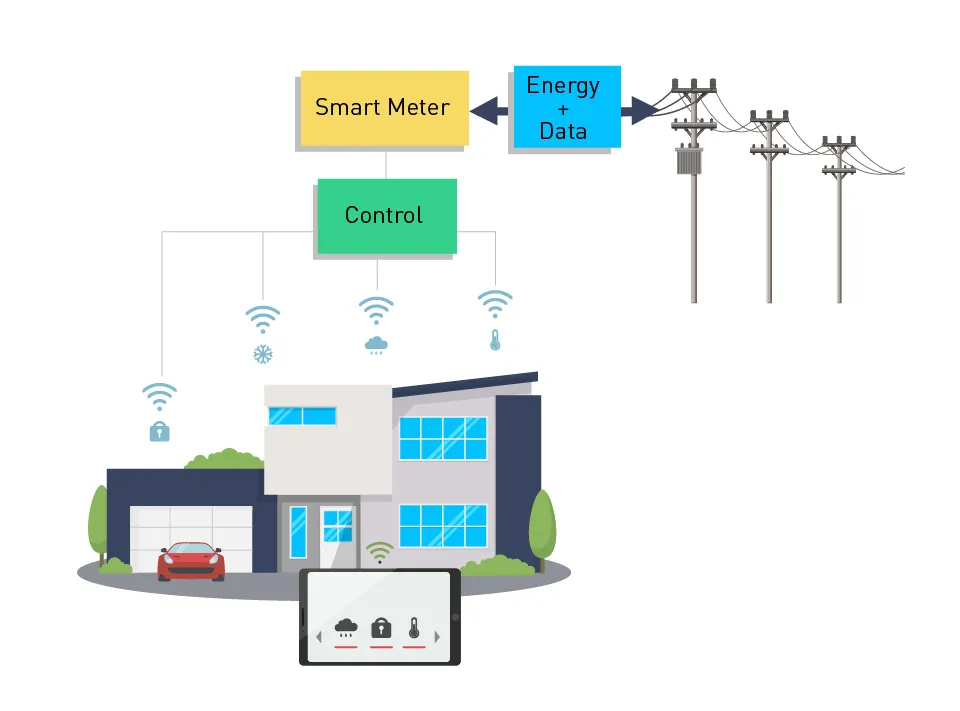
Implementing Sensors on Smart Grid PCBs for Real Time Monitoring
Get in Touch
Send Message
- Products & Service
- Company
- About AIVON
- Contact
- News
- Blog
- Certification
-


- Payment
-


2026 AIVON.COM All Rights Reserved