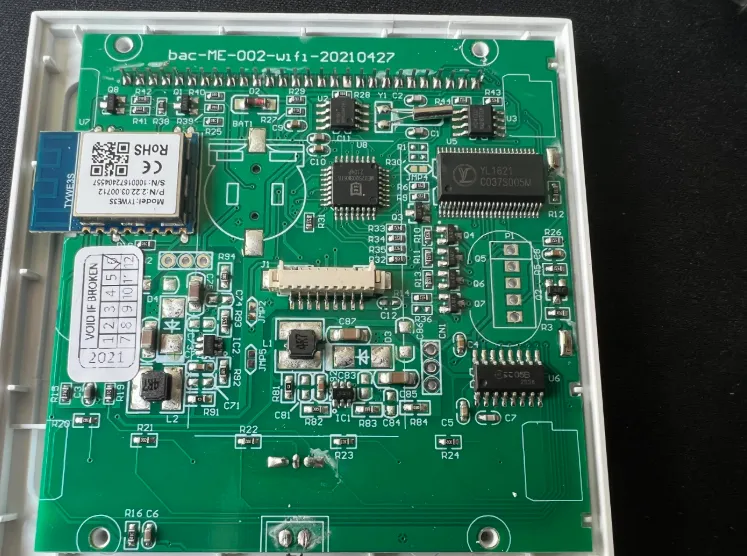
smd-current-sensors
SMD current sensors are essential components in modern electronics design, offering precise measurement of electrical current in compact, surface-mount packages. These devices are particularly valued for their ability to integrate seamlessly into printed circuit boards (PCBs), enabling efficient monitoring in space-constrained applications such as power supplies, motor drives, and battery management systems. By converting current flow into a proportional voltage or digital signal, SMD current sensors facilitate real-time data acquisition, which is critical for optimizing performance, ensuring safety, and preventing overloads in electronic systems. For engineers and designers searching for SMD current sensors, understanding their key specifications is vital. Factors like current range, accuracy, bandwidth, and isolation levels determine suitability for specific projects. For instance, Hall-effect based sensors excel in high-current environments, while shunt-based options provide cost-effective solutions for lower currents with minimal power loss. Practical applications include automotive electronics, where they monitor battery health, or renewable energy systems, where they track inverter efficiency. Best practices involve selecting sensors with appropriate thermal management to handle heat dissipation and ensuring proper PCB layout to minimize noise interference, which can affect measurement precision. This tag page aggregates articles that delve into these topics, offering detailed comparisons of popular SMD current sensor models from manufacturers like Allegro and Texas Instruments. Readers can find guides on integration techniques, calibration methods, and troubleshooting common issues, helping to streamline prototyping and production processes. Whether you are troubleshooting a circuit or designing a new IoT device, the resources here provide actionable insights to enhance your electronics projects.
Technical Articles
Get in Touch
Send Message
- Products & Service
- Company
- About AIVON
- Contact
- News
- Blog
- Certification
-


- Payment
-


2026 AIVON.COM All Rights Reserved