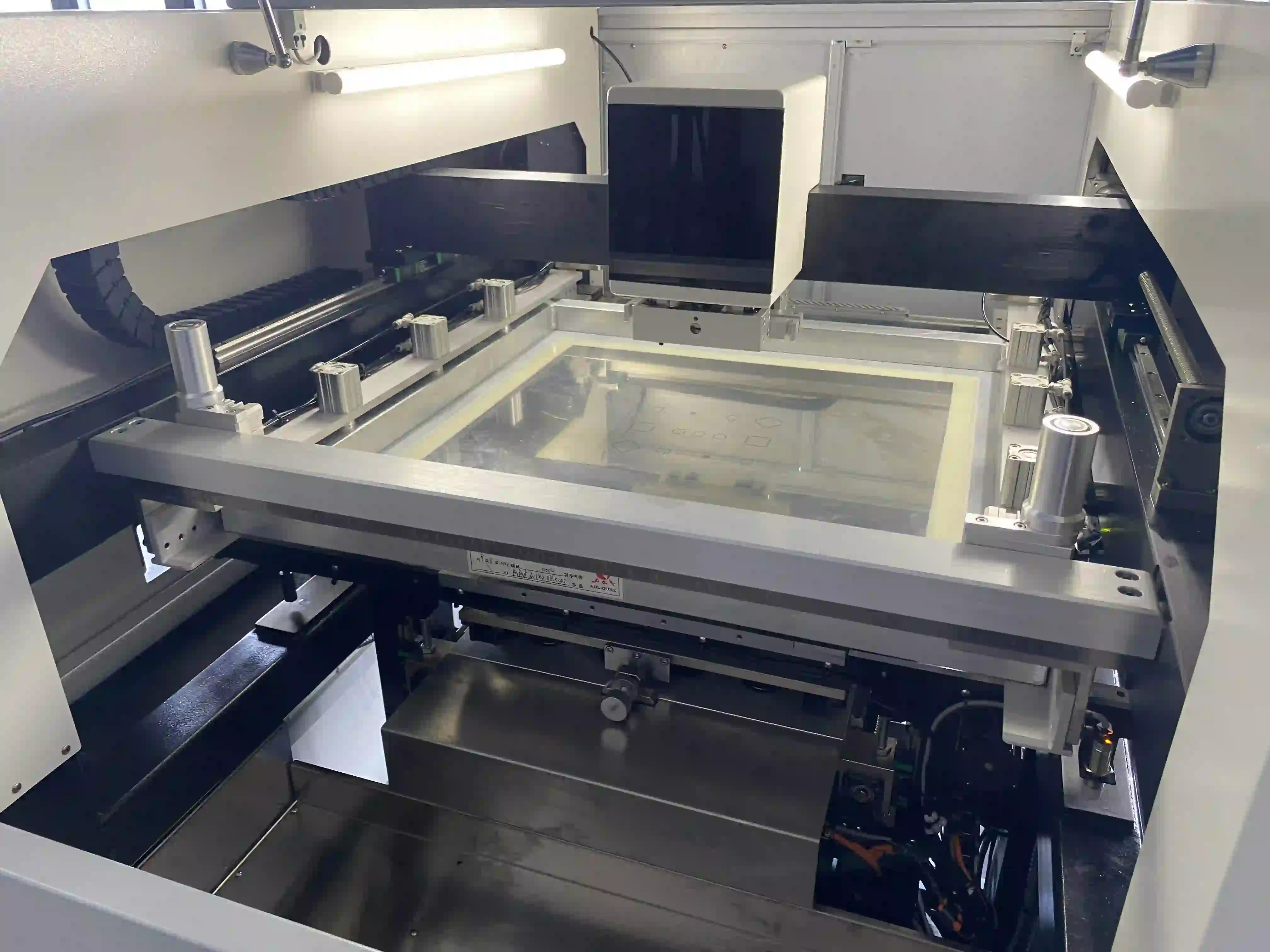
Stencil Setup
Stencil setup plays a crucial role in the PCB assembly process, ensuring precise application of solder paste to circuit boards before component placement. This tag, Stencil Setup, gathers in-depth articles that guide engineers, hobbyists, and manufacturers through the essentials of preparing and optimizing stencils for surface-mount technology (SMT) workflows. Whether you are troubleshooting alignment issues or seeking ways to improve paste deposition accuracy, the content here addresses common challenges and solutions tailored to various production scales. Understanding stencil setup begins with selecting the right materials, such as stainless steel or polyimide, and configuring parameters like aperture size, thickness, and tensioning. For instance, proper alignment with fiducials on the PCB minimizes defects like bridging or insufficient solder, which can lead to costly rework. Best practices include calibrating your stencil printer for consistent pressure and speed, inspecting for cleanliness to prevent contamination, and using vision systems for automated setups in high-volume environments. These techniques not only enhance yield rates but also support rapid prototyping, making them invaluable for both small-scale DIY projects and industrial manufacturing lines. By delving into the articles under this tag, you can discover practical applications, such as integrating stencil setup into automated assembly lines or adapting it for fine-pitch components. Real-world examples illustrate how minor adjustments, like optimizing release angles, can significantly reduce production time and material waste. This collection equips you with the knowledge to refine your processes, drawing from expert insights and case studies that promote efficiency and reliability in electronics fabrication.
Technical Articles
Get in Touch
Send Message
- Products & Service
- Company
- About AIVON
- Contact
- News
- Blog
- Certification
-


- Payment
-


2026 AIVON.COM All Rights Reserved