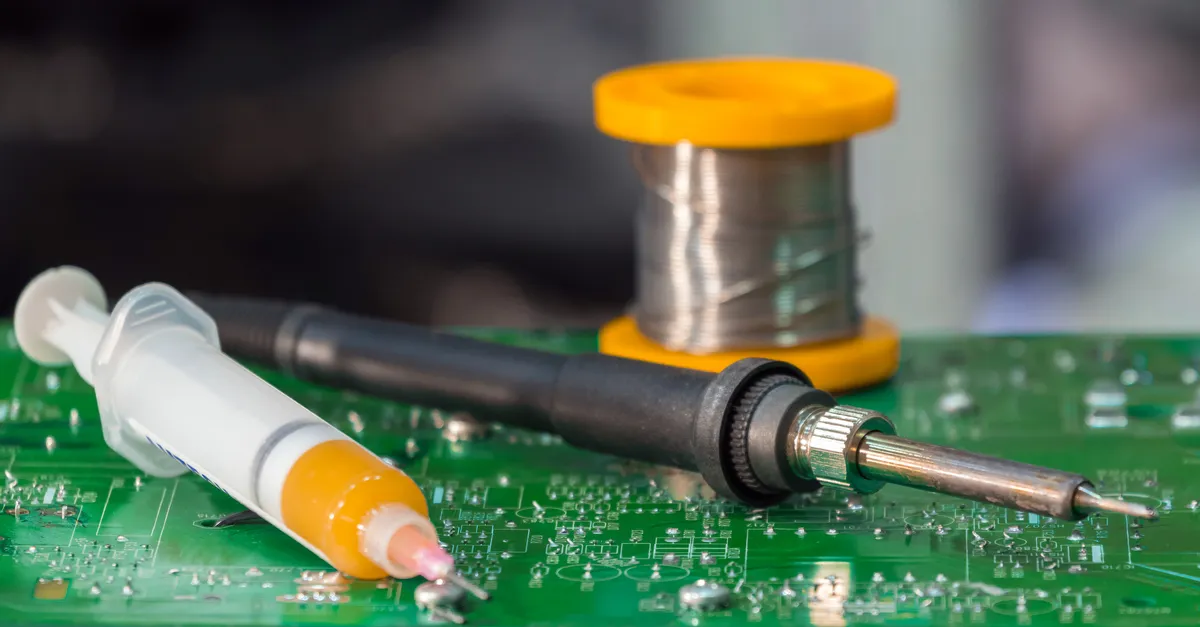
Through-Hole Flux
Through-hole flux plays a critical role in the soldering process for printed circuit boards (PCBs) that utilize through-hole technology. This type of flux is specifically formulated to facilitate strong, reliable solder joints when components are mounted by inserting leads into drilled holes on the board. Unlike surface-mount alternatives, through-hole assembly often requires flux to remove oxides, prevent bridging, and ensure proper wetting of solder on both the component leads and the PCB pads. For engineers, hobbyists, and manufacturers searching for information on Through-Hole Flux, this tag serves as a centralized resource covering its various formulations, including rosin-based, no-clean, and water-soluble options, each suited to different environmental and performance needs. Understanding the practical applications of through-hole flux can significantly improve assembly outcomes. In high-reliability sectors like aerospace or automotive electronics, selecting the right flux minimizes defects such as cold joints or insufficient penetration, which are common pitfalls in manual or wave soldering processes. Best practices include applying flux sparingly to avoid residue buildup, preheating boards to enhance flow, and choosing low-corrosive types for sensitive components. Users often seek guidance on troubleshooting issues like flux residue removal or compatibility with lead-free solders, where through-hole flux excels by providing better thermal stability and joint integrity compared to general-purpose alternatives. This tag aggregates articles that delve into these topics, offering insights on flux selection criteria, step-by-step application techniques, and compliance with industry standards like IPC-610 for acceptability of electronic assemblies. Whether you are optimizing a prototype build or scaling production, the content here provides actionable strategies to enhance soldering efficiency and reduce rework. Readers can find detailed comparisons of flux brands, case studies from real-world PCB projects, and tips for integrating flux into automated assembly lines, all aimed at addressing the specific challenges of through-hole technology in modern electronics design.
Technical Articles
Get in Touch
Send Message
- Products & Service
- Company
- About AIVON
- Contact
- News
- Blog
- Certification
-


- Payment
-


2026 AIVON.COM All Rights Reserved