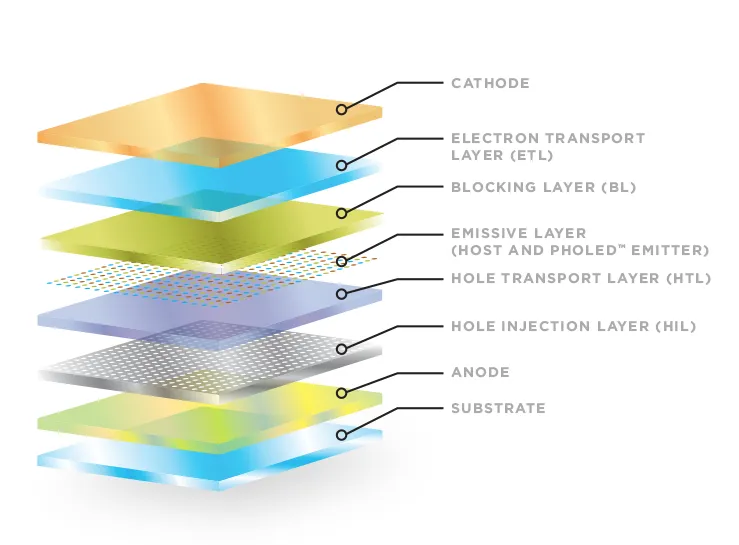
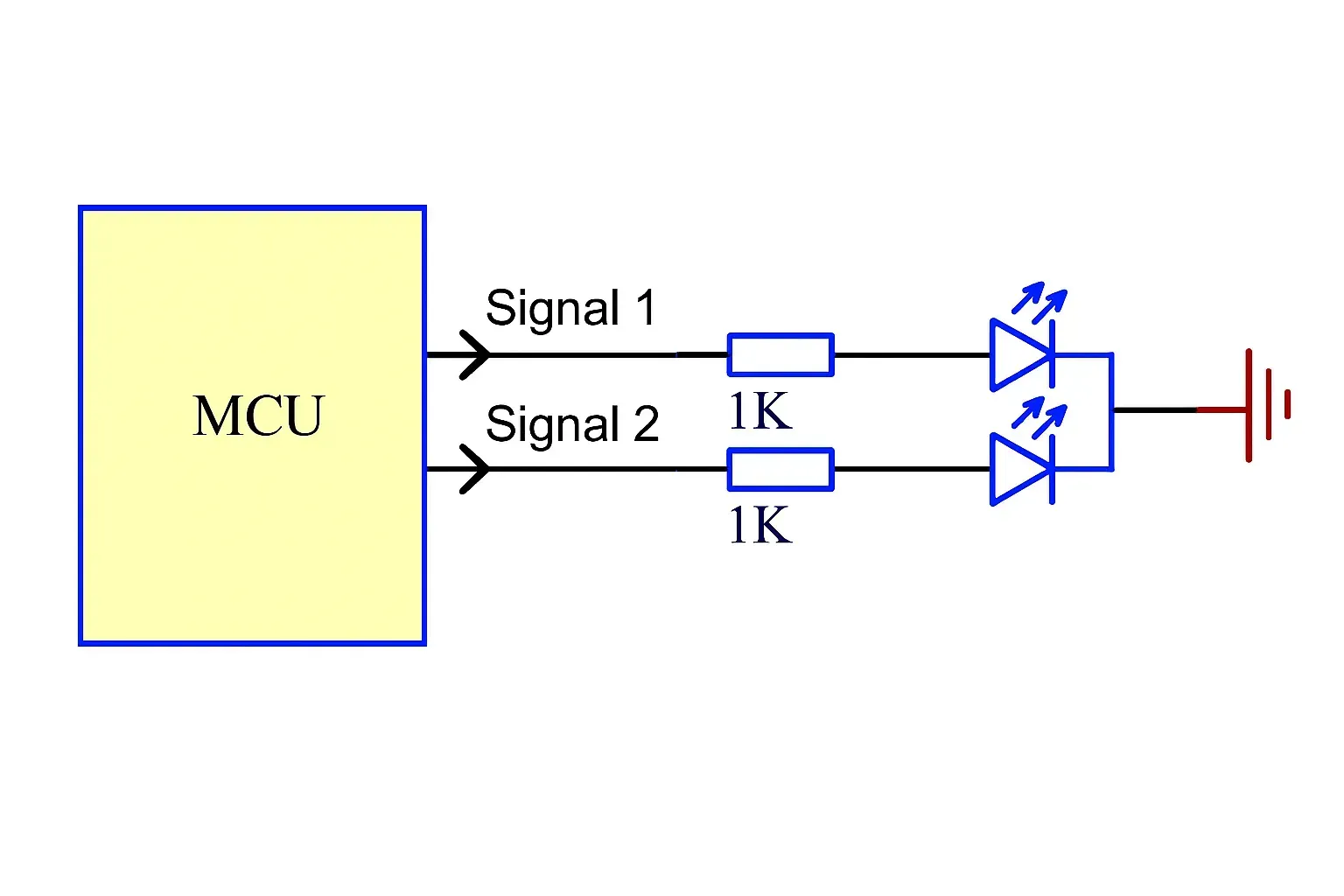
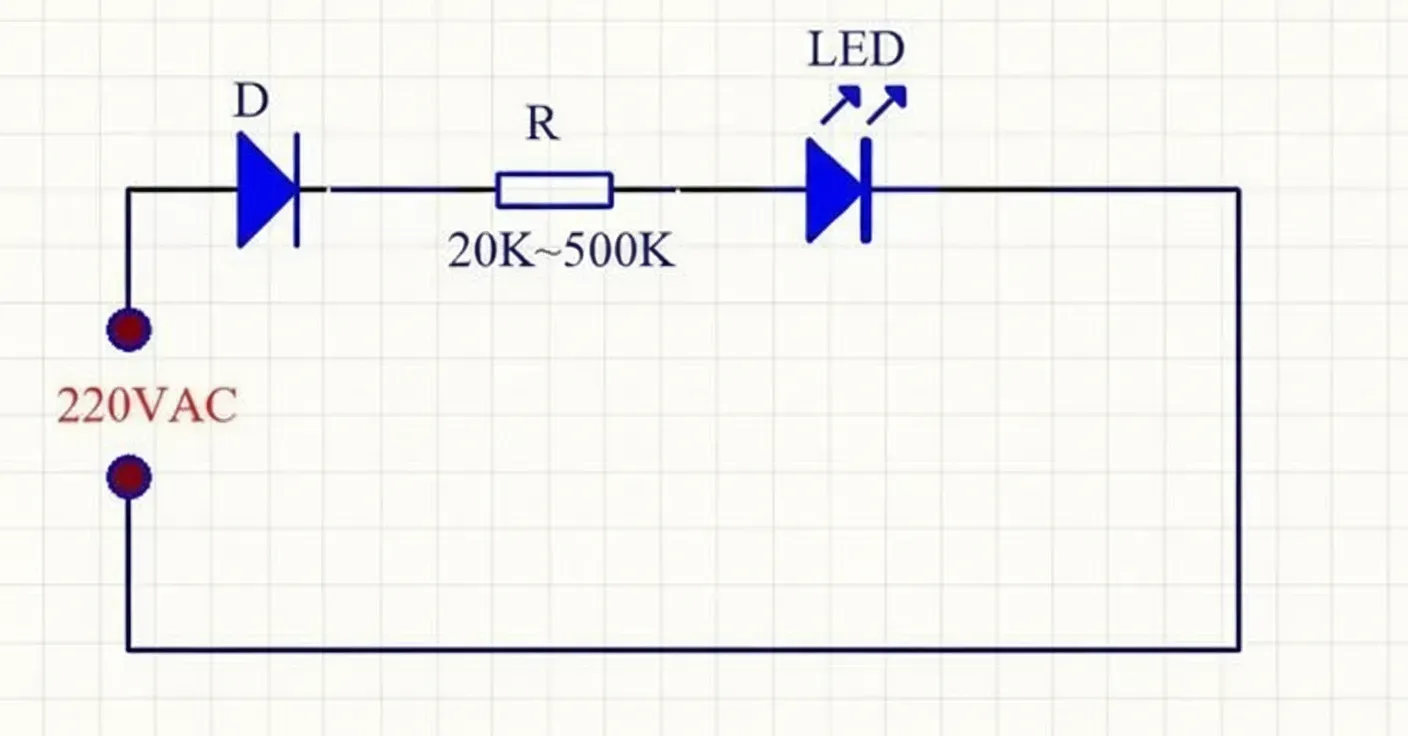
Emerging display panel technologies, particularly advanced driver chips and MicroLED architectures, impose stringent requirements on PCB design and fabrication. High pixel density, precise current control, and ultra-fine interconnects demand multilayer HDI PCBs, controlled-impedance routing, and advanced thermal management. Aivon’s expertise in high-density interconnect, metal-core, and flexible PCB manufacturing enables the reliable production of backplanes and driver boards that support next-generation MicroLED and mini-LED displays.
Emerging Display Panel Chip Technologies and PCB Integration Challenges
Modern display driver chips integrate higher channel counts, faster data interfaces, and intelligent dimming algorithms. These chips require LED PCBs with dense via-in-pad structures, short high-speed differential pairs, and multiple power planes to maintain stable current delivery across thousands of sub-pixels. Low-loss dielectric materials and precise impedance control become essential to preserve signal integrity at refresh rates exceeding 3840 Hz.
PCB stack-up planning must allocate dedicated layers for analog current sources and digital control logic while minimizing crosstalk. High-Tg laminates combined with heavy copper (2–3 oz) provide the thermal and electrical performance needed when driver ICs operate continuously at elevated temperatures.
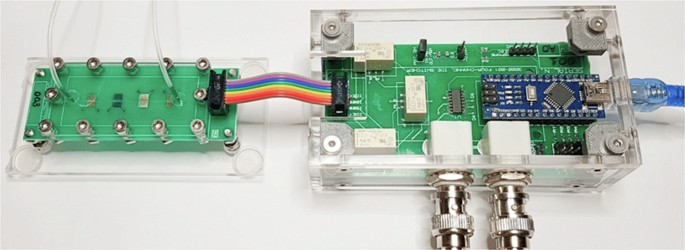
MicroLED Architecture and High-Density PCB Requirements
MicroLED displays place individual micrometer-scale LEDs directly onto the PCB backplane, eliminating traditional packaging and enabling pixel pitches below 0.5 mm. This architecture demands HDI PCBs with laser-drilled microvias, sequential lamination, and line/space capabilities down to 2/2 mil. Via-in-pad technology and filled microvias ensure reliable electrical connections while preserving surface planarity for mass transfer processes.
Thermal management is critical because dense MicroLED arrays generate concentrated heat. Designers incorporate extensive thermal via arrays and copper pours beneath each LED cluster, often using metal-core substrates or high-conductivity thermal interface materials to maintain junction temperatures within safe limits and prevent color shift or accelerated aging.
Fluid Self-Assembly Manufacturing and Its Impact on PCB Fabrication
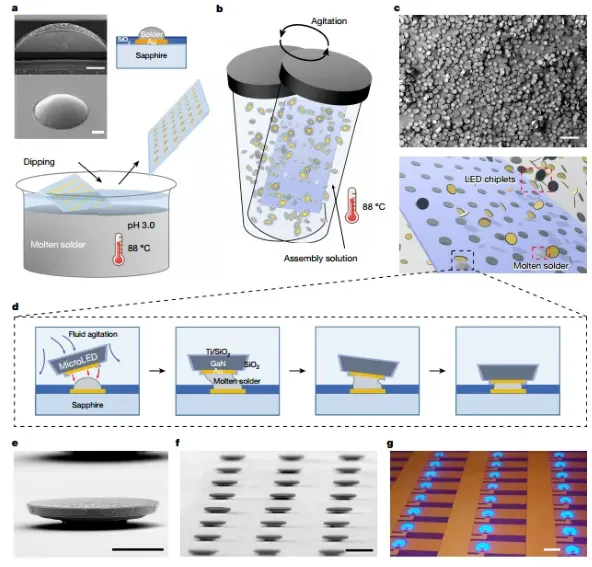
Fluid self-assembly techniques improve MicroLED transfer yield by suspending LEDs in a liquid medium that aligns them onto the prepared PCB or substrate. This process requires the backplane PCB to feature precisely patterned hydrophilic/hydrophobic regions and micron-level alignment features created during photolithography and etching. Surface finish quality, such as ENIG or OSP, directly influences assembly success and long-term contact reliability.
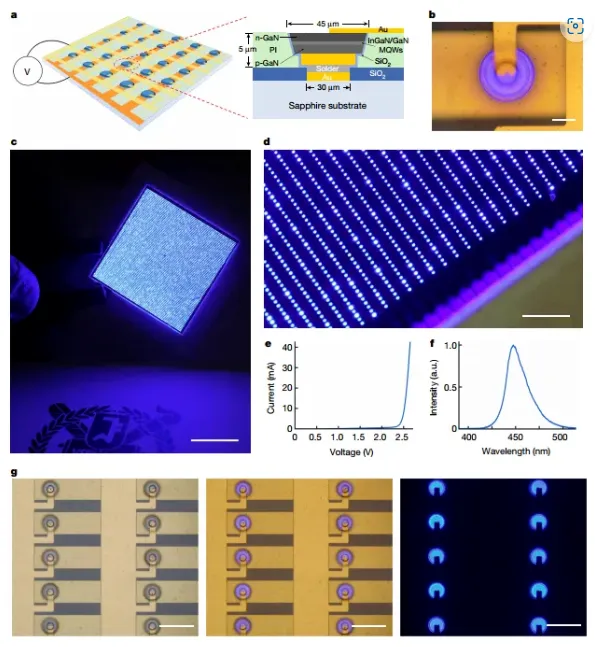
During PCB manufacturing, tight control of registration, surface topography, and solder mask definition ensures that self-assembly sites remain accurate across large panels. Post-assembly inspection and repair processes benefit from test points and redundant routing that Aivon incorporates into high-reliability MicroLED backplanes.
Reliability, Cross-Industry Applications, and Manufacturing Considerations
Automotive, medical, and high-end consumer displays increasingly adopt these technologies, requiring automotive-grade or medical-grade PCBs with extended temperature ratings and rigorous reliability testing. Failure mechanisms such as electromigration, delamination, and thermal fatigue are mitigated through optimized copper thickness, proper via design, and advanced lamination processes.
Aivon's controlled-impedance manufacturing, high-Tg materials, and capability for large-format HDI boards ensure that emerging display panels meet both performance specifications and volume production requirements.
Conclusion
The transition to advanced display panel chips and high-yield MicroLED manufacturing ultimately depends on sophisticated PCB engineering that addresses interconnect density, thermal dissipation, signal integrity, and assembly compatibility. By integrating these considerations into every stage of design and fabrication, manufacturers can deliver displays with superior brightness, resolution, and longevity. Aivon’s advanced PCB manufacturing capabilities provide the technical foundation required to realize the full potential of next-generation display technologies.