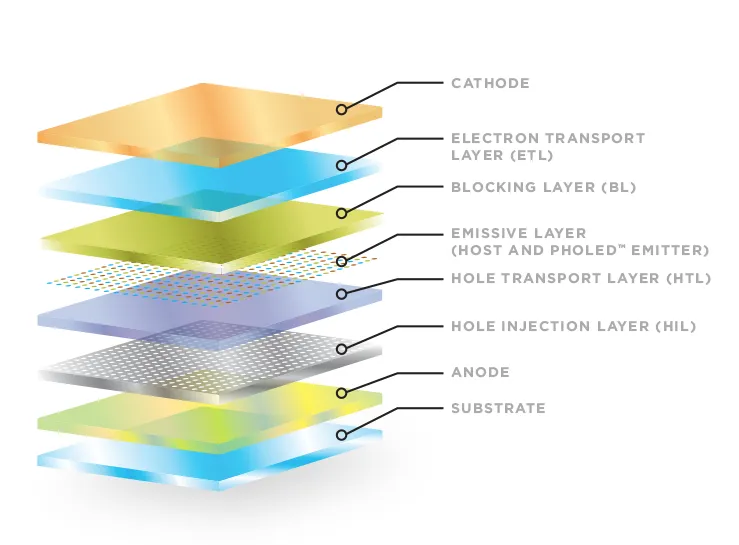
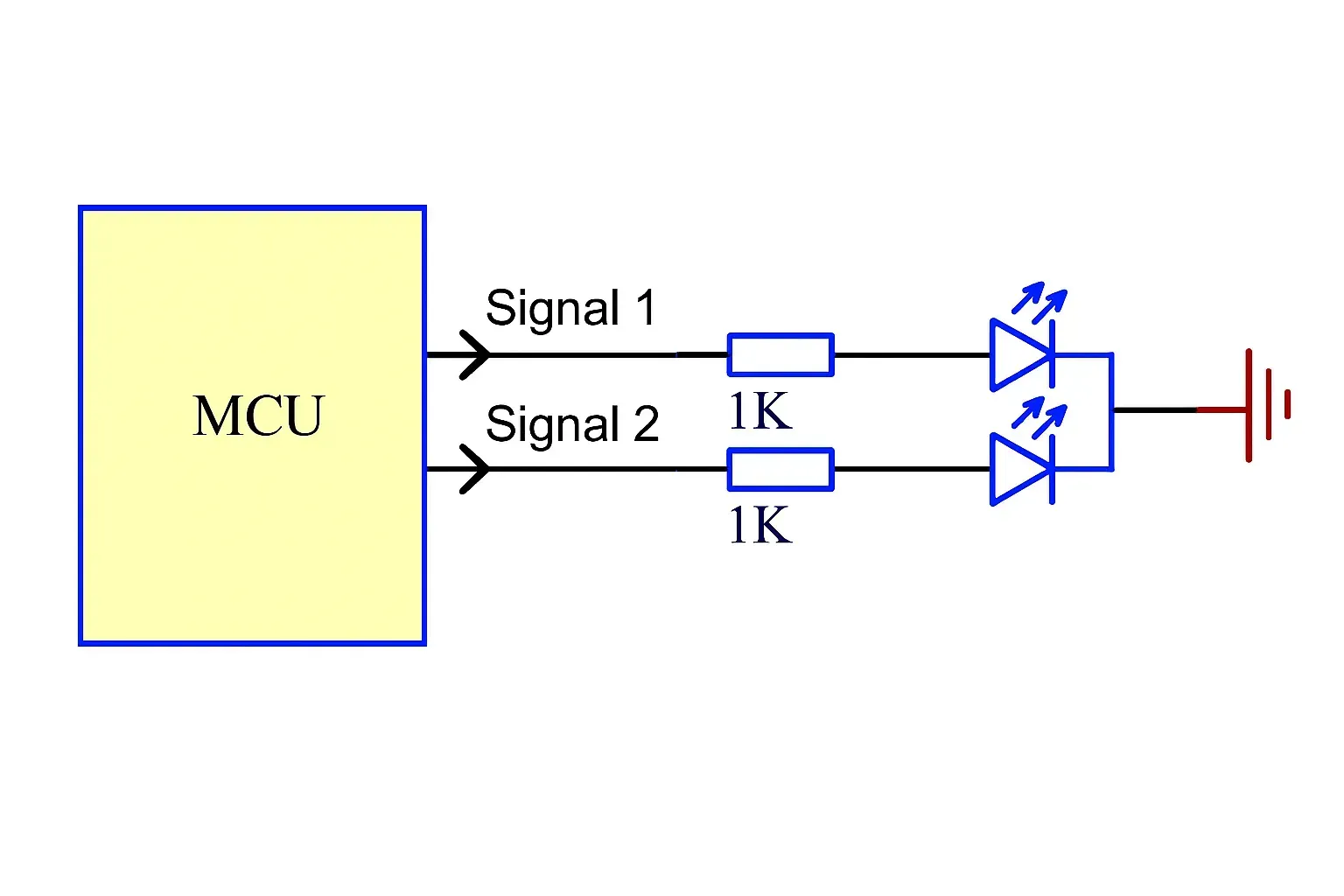
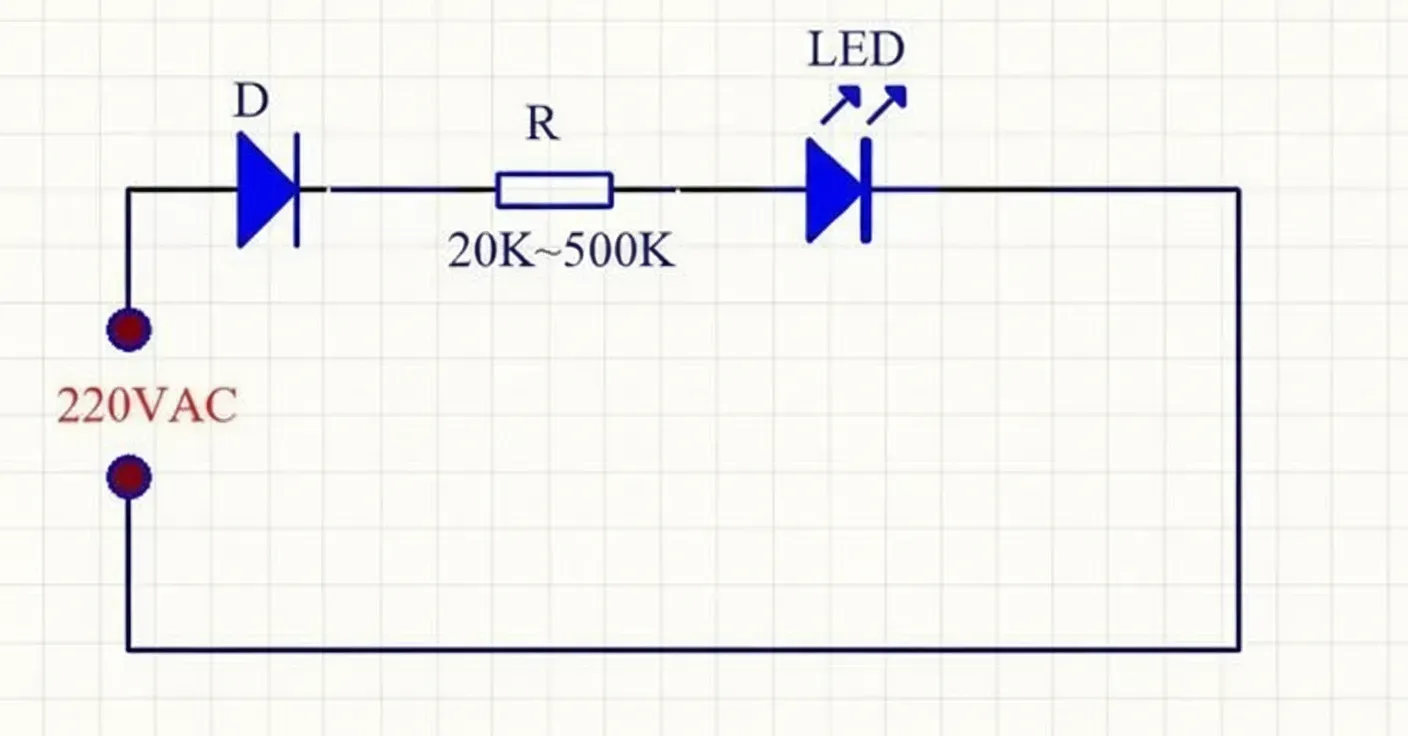
Modern LED display systems place unprecedented demands on PCBs, requiring high-density interconnects, precise thermal management, controlled-impedance routing, and robust power distribution to support ultra-fine pitch, high refresh rates, and 24/7 operation. As the industry shifts toward smaller pixel pitches, higher brightness, and intelligent control, PCB engineering decisions directly determine image quality, reliability, and manufacturing yield. Aivon's advanced multilayer, HDI, and metal-core PCB capabilities provide the foundation for these demanding display architectures.
Industry Trends and Their Impact on LED Display PCB Design
The LED display market is moving toward micro-LED and mini-LED technologies, demanding pixel pitches below 0.5 mm. This trend requires HDI PCBs with laser-drilled microvias, sequential lamination, and ultra-fine line/space capabilities (down to 2/2 mil). Higher refresh rates above 3840 Hz necessitate controlled-impedance differential pairs and low-loss dielectric materials to maintain signal integrity across large backplanes.
Energy efficiency improvements translate into optimized copper thickness and thermal via arrays that reduce power consumption while preventing localized heating. Integration of AI-driven content processing and 5G connectivity adds high-speed SerDes lanes and RF shielding requirements on the control PCB. These trends push manufacturers toward high-Tg laminates, heavy copper layers, and advanced surface finishes such as ENIG or immersion silver to ensure long-term performance in outdoor and rental applications.
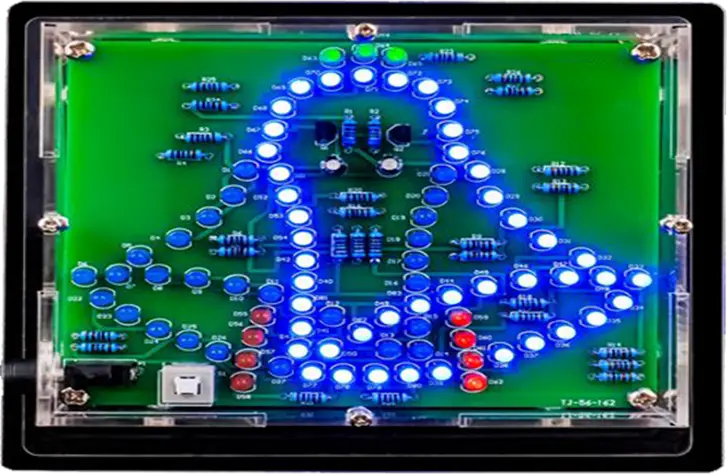
Key LED Display Applications and Corresponding PCB Requirements
Indoor fine-pitch displays for command centers and retail environments rely on compact multilayer PCBs with dense via-in-pad technology to support thousands of LEDs per square meter. Outdoor advertising and stadium screens require metal-core or thick-copper PCBs capable of handling high current loads and extreme temperature swings, with enhanced conformal coatings for moisture and dust protection.
Rental and staging displays benefit from lightweight, flexible PCB constructions that withstand repeated assembly and disassembly while maintaining mechanical integrity. Automotive and transportation information boards demand automotive-grade PCBs with extended temperature ratings and high-reliability via structures. Across all segments, proper stack-up planning, ground plane design, and thermal management remain critical to prevent color shift, brightness non-uniformity, and premature failure.
PCB-Focused Guidelines for Selecting and Specifying LED Displays
When evaluating LED displays, engineers must consider PCB-level specifications rather than just pixel pitch and brightness. Fine-pitch modules require PCBs with high registration accuracy and low warpage to ensure seamless cabinet alignment. Power supply design on the PCB must support high-current paths with adequate copper weight and multiple parallel vias to avoid voltage drop across large arrays.
Thermal performance depends on the PCB's ability to dissipate heat through copper pours and thermal vias; displays intended for continuous operation should specify metal-core or high-Tg materials. Signal integrity for data transmission between sending and receiving cards benefits from controlled-impedance traces and proper shielding. Practical selection also includes verifying manufacturing tolerances, surface finish quality, and the supplier's capability to produce repeatable high-density boards at scale.

Essential Technical Terms Explained Through a PCB Engineering Lens
Understanding LED display terminology from a PCB perspective clarifies design constraints:
- Pixel Pitch directly determines trace density and via count on the module PCB.

- Refresh Rate and Scan Mode influence the required number of layers and impedance control for data lines.
- Brightness and Gray Scale relate to current-carrying capacity of copper traces and PWM signal routing accuracy.
- Viewing Angle and Contrast depend on LED placement precision and PCB surface flatness.
- IP Rating and Protection translate into material selection, solder mask coverage, and conformal coating processes during PCB fabrication.
Additional terms such as driving IC, receiving card, and module connector footprint all map to specific layout rules, pad design, and connector placement strategies that affect overall system reliability.
Conclusion
Successful LED display development ultimately depends on disciplined PCB design and manufacturing that address high-density routing, thermal dissipation, signal integrity, and long-term reliability. By aligning material selection, stack-up strategy, and fabrication processes with evolving industry requirements, engineers can deliver displays that meet the performance, efficiency, and durability expectations of modern applications. Aivon’s expertise in HDI, heavy-copper, and high-reliability PCB production provides the manufacturing foundation needed for next-generation LED display systems.