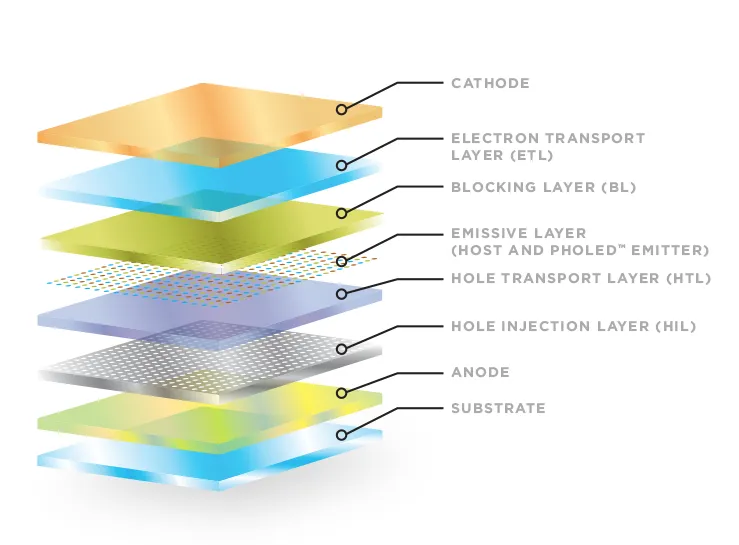
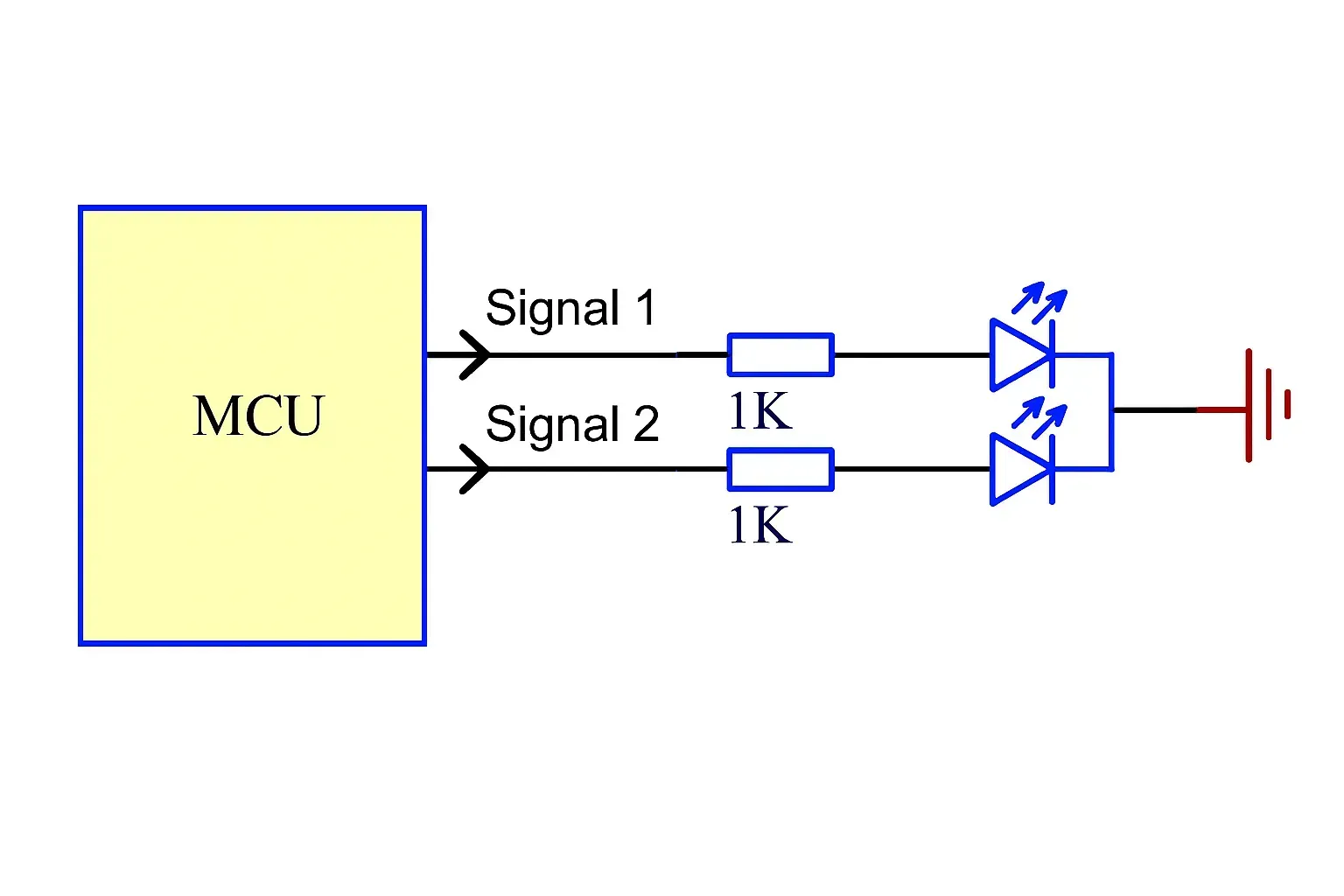
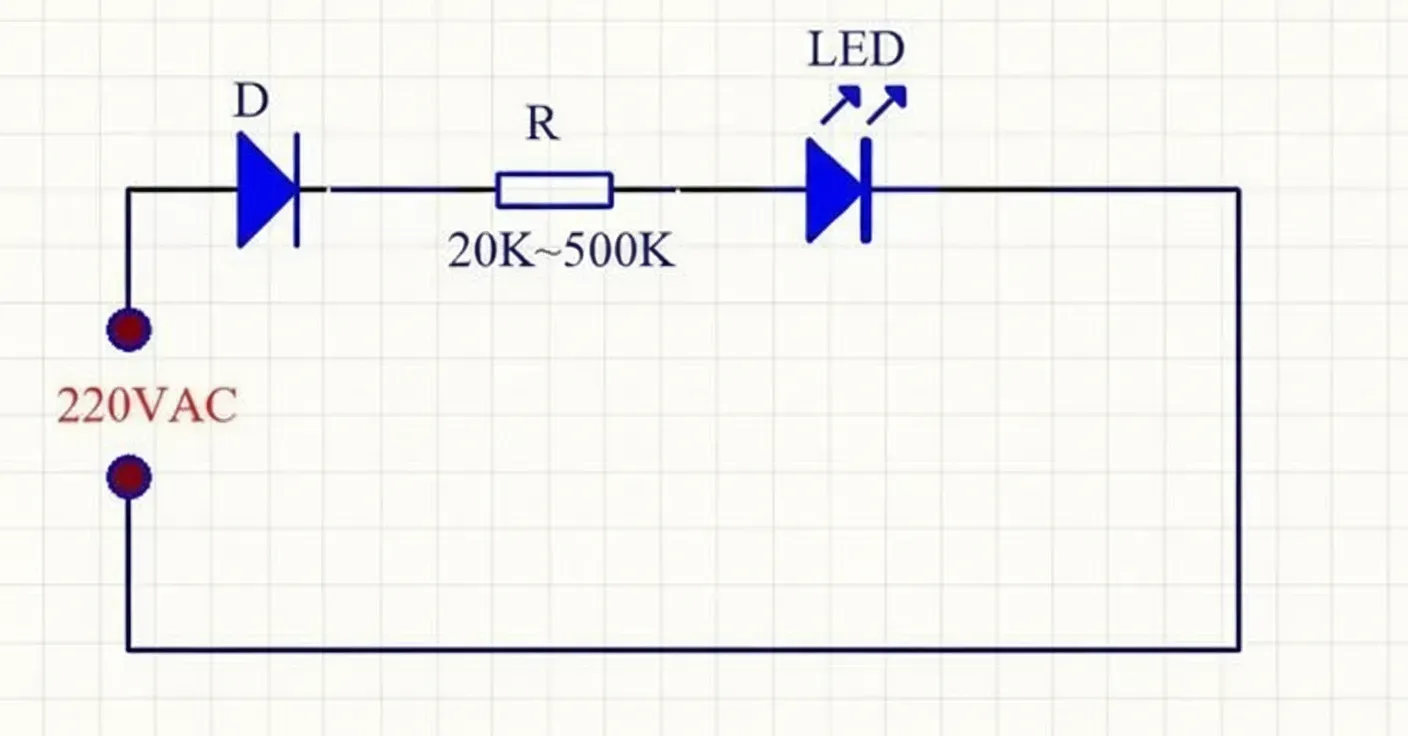
LED lighting modules depend on precisely engineered PCBs that integrate phosphor-converted LEDs while managing thermal dissipation, color consistency, and long-term reliability. Rare earth phosphor standards directly influence LED package selection, PCB layout rules, copper thickness, and thermal via placement. Aivon's expertise in metal-core, high-Tg, and multilayer PCB manufacturing ensures these boards meet the demanding electrical and thermal requirements of modern phosphor-based LED systems.
Rare Earth Phosphor Standards and Their PCB-Level Implications
Six major phosphor standards define the performance characteristics of LED lighting, including luminous efficacy, color rendering index (CRI), color temperature stability, and thermal quenching behavior. On the PCB, these standards translate into specific design constraints. High-CRI phosphors require tighter control of drive current and junction temperature to prevent spectral shift, demanding wider copper traces and dense thermal via arrays beneath each LED footprint.
Designers must account for phosphor degradation mechanisms during PCB layout. Heat generated at the LED die conducts through the package into the PCB; therefore, metal-core substrates with 2–3 oz copper layers and optimized thermal via patterns are essential to keep phosphor temperatures below critical thresholds where efficiency drops and color drift occurs.

Thermal Management and Material Selection for Phosphor-LED PCBs
Phosphor materials exhibit temperature-dependent emission spectra. PCB stack-up decisions must prioritize low thermal resistance paths from LED pads to heatsink or chassis. High-Tg FR4 combined with thick copper planes or aluminum-core constructions provides the necessary heat spreading. Via-in-pad technology and filled thermal vias further reduce junction-to-ambient thermal resistance, preserving phosphor performance across the full operating range.
Surface finish choice (ENIG or OSP) also affects long-term reliability by maintaining low contact resistance at LED solder joints while resisting oxidation that could alter light output over time.

Layout Strategies for Color Consistency and Signal Integrity
Uniform color across an LED array requires matched trace lengths and star-point current distribution on the PCB. PWM dimming signals must route on dedicated layers with controlled impedance to avoid flicker and color temperature variation caused by phosphor response time. Ground planes beneath LED clusters provide both EMI shielding and additional thermal mass, while careful separation of power and signal domains prevents noise from affecting driver IC performance.
For applications such as architectural lighting or display backlighting, HDI techniques enable finer pitch LED placement without sacrificing thermal performance, allowing designers to meet both aesthetic and photometric standards.

Reliability, Failure Mechanisms, and Manufacturing Considerations
Rare earth phosphors are sensitive to moisture, oxygen, and prolonged high-temperature exposure. PCB designs incorporate conformal coatings, redundant power paths, and robust via structures to mitigate these risks. During fabrication, precise registration, controlled etching, and high-reliability lamination processes ensure consistent thermal and electrical performance across production batches.
Cross-industry applications in automotive, industrial, and medical lighting further emphasize the need for automotive-grade or high-reliability LED PCBs with extended temperature ratings and rigorous qualification testing.
Conclusion
Effective LED lighting design ultimately hinges on disciplined PCB engineering that integrates rare earth phosphor standards with optimized thermal management, current distribution, and material selection. By addressing these factors at the board level, engineers achieve stable color, high efficiency, and extended operational life. Aivon’s advanced PCB manufacturing capabilities in metal-core, high-Tg, and thermal-optimized constructions provide the reliable foundation required for next-generation phosphor-based LED systems.