Comparative Tracking Index
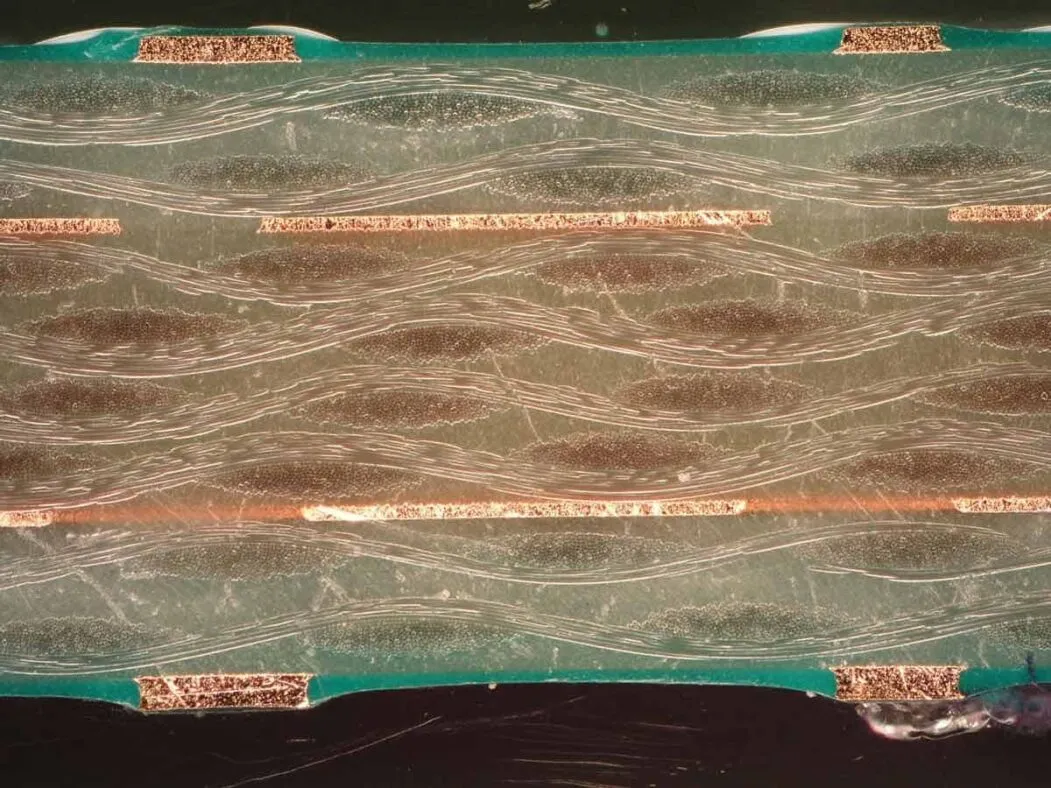
The Comparative Tracking Index (CTI) serves as a critical metric in the field of printed circuit boards (PCBs) and electronics, quantifying the ability of insulating materials to resist the formation of conductive paths under electrical stress and environmental conditions. This index is essential for engineers and designers who prioritize reliability and safety in high-voltage applications, as it helps predict how materials will perform over time, preventing failures such as short circuits or fires. By understanding CTI values, professionals can select appropriate substrates like FR-4 or high-performance laminates that meet industry standards such as IEC 60112, ensuring compliance with regulations in sectors ranging from consumer electronics to automotive and aerospace systems. For those searching for information on the Comparative Tracking Index, this tag aggregates in-depth resources that address common challenges and solutions. Practical applications include evaluating CTI during material selection to optimize creepage and clearance distances in PCB layouts, which directly impacts the longevity and performance of devices exposed to moisture, contaminants, or elevated temperatures. Best practices involve conducting standardized CTI tests early in the design phase, interpreting results to balance cost with durability, and incorporating safety margins for real-world scenarios. These insights empower users to make informed decisions, such as upgrading to materials with higher CTI ratings for demanding environments, ultimately reducing prototyping iterations and enhancing product reliability. Readers interested in deepening their knowledge will find a collection of articles under this tag that explore related topics, including comparative analyses of insulation materials, case studies on CTI failures, and guidelines for integrating CTI considerations into modern PCB design workflows. This focused content supports both novice and experienced practitioners in applying these principles effectively to their projects.
Technical Articles
Get in Touch
Send Message
- Products & Service
- Company
- About AIVON
- Contact
- News
- Blog
- Certification
-


- Payment
-


2026 AIVON.COM All Rights Reserved