Direct Thermal Path
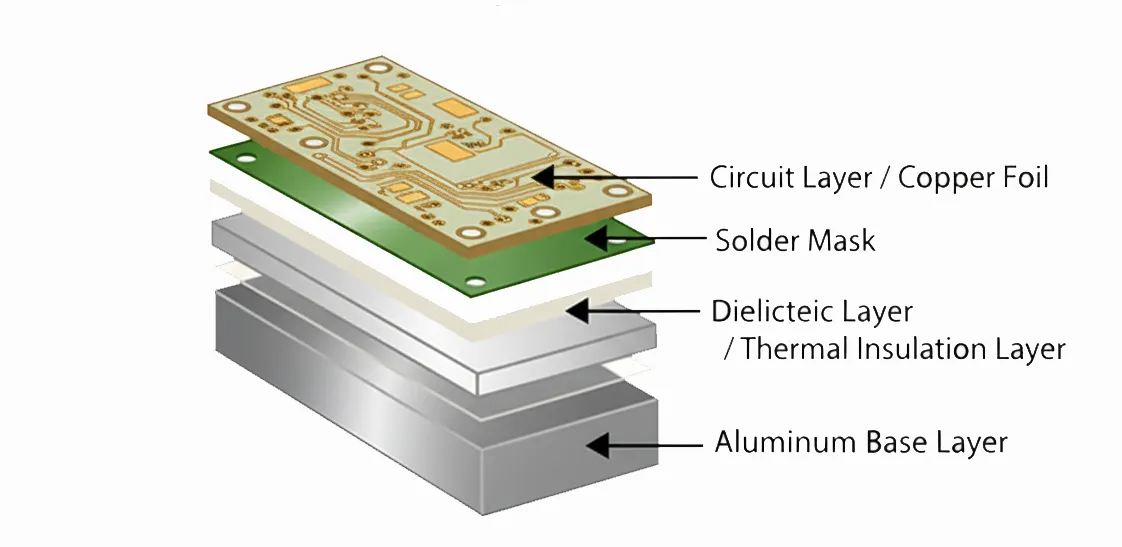
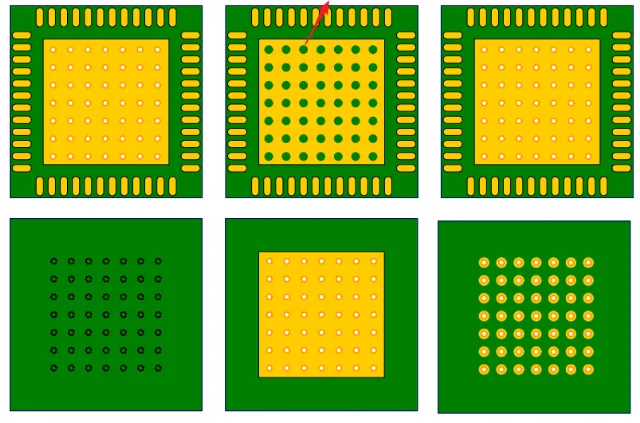
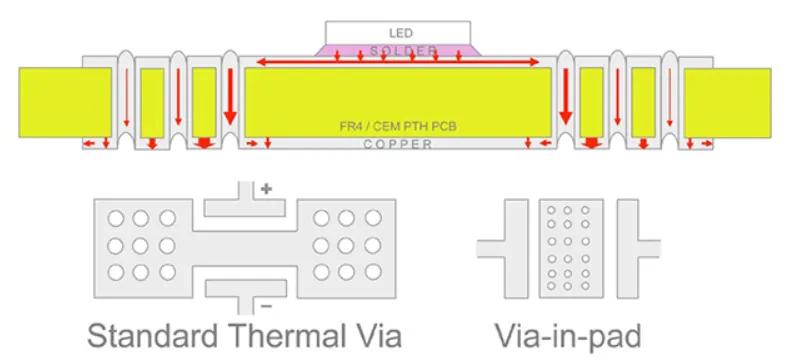
Direct thermal path refers to a critical design strategy in printed circuit boards (PCBs) and electronic systems, where heat is efficiently channeled from high-power components directly to cooling elements such as heat sinks, copper planes, or the board substrate. This approach minimizes thermal resistance, ensuring that sensitive devices like LEDs, power transistors, and microprocessors operate within safe temperature ranges. For engineers and designers searching for solutions to thermal management challenges, understanding direct thermal paths can significantly enhance system reliability, prevent failures due to overheating, and extend the lifespan of electronic assemblies. In practice, implementing a direct thermal path often involves techniques such as thermal vias, metal-core PCBs, or embedded heat spreaders. These methods allow heat to bypass insulating layers and flow straight to dissipative surfaces, which is especially vital in high-density designs or applications like automotive electronics, LED lighting, and power supplies. Best practices include calculating thermal resistance early in the design phase, selecting materials with high thermal conductivity, and simulating heat flow using tools like finite element analysis. By prioritizing these elements, you can achieve better performance metrics, such as reduced junction temperatures and improved energy efficiency, while complying with industry standards for thermal derating. Articles tagged with Direct Thermal Path on this site delve into real-world case studies, design tutorials, and troubleshooting guides that address common pitfalls and optimization strategies. Whether you are refining a prototype or scaling production, these resources provide the insights needed to integrate effective thermal paths into your projects, helping you tackle heat-related issues with confidence.
Technical Articles

Get in Touch
Send Message
- Products & Service
- Company
- About AIVON
- Contact
- News
- Blog
- Certification
-


- Payment
-


2026 AIVON.COM All Rights Reserved