Impedance Testing
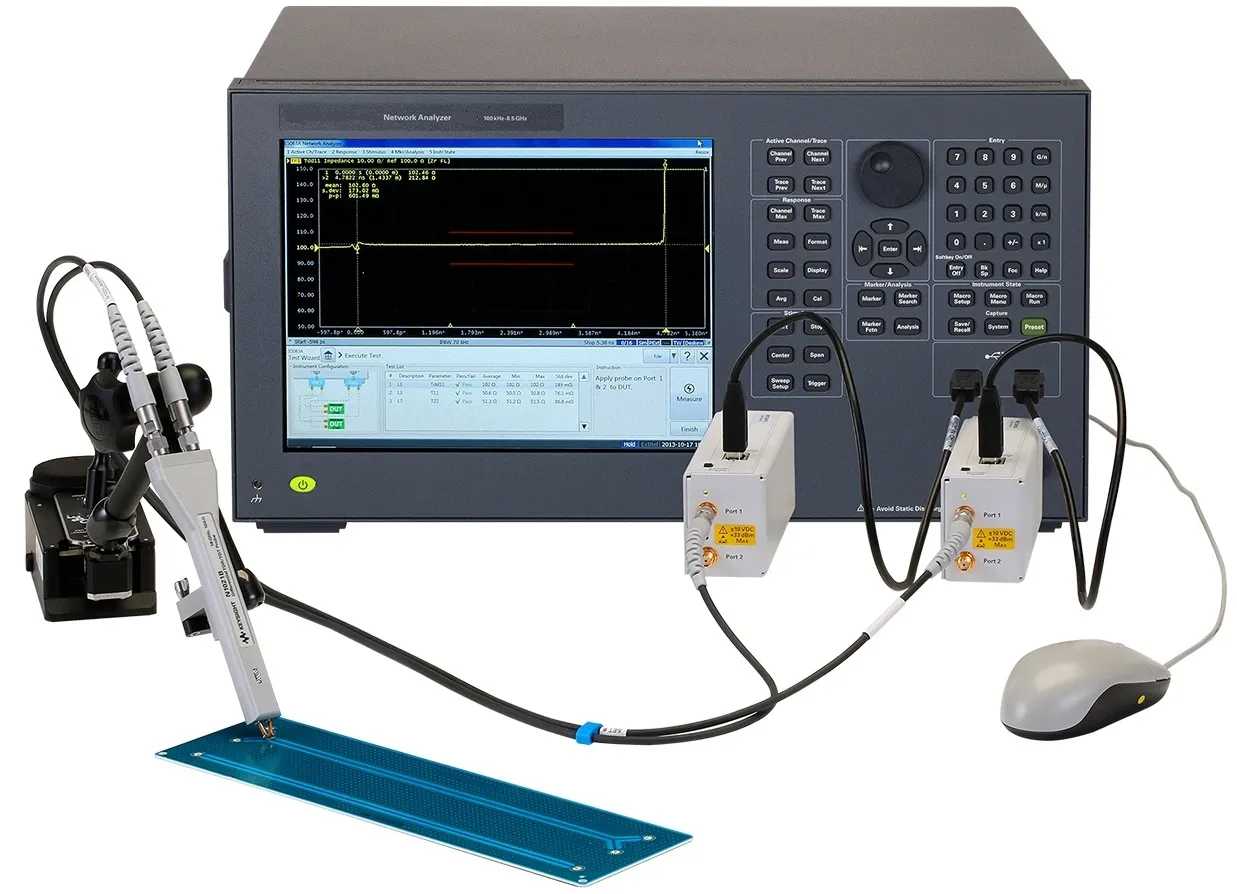
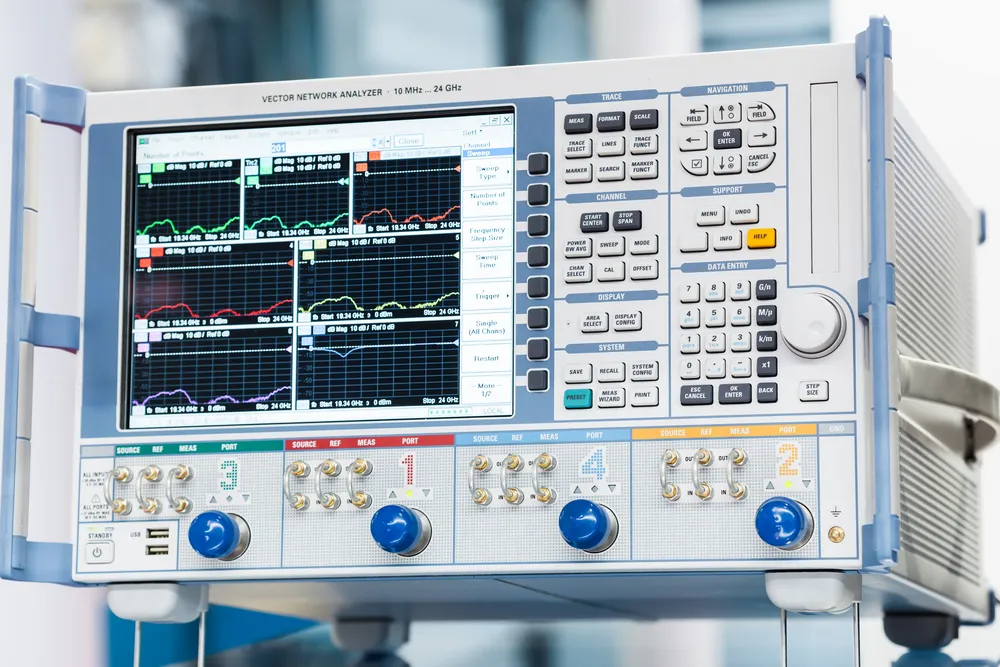
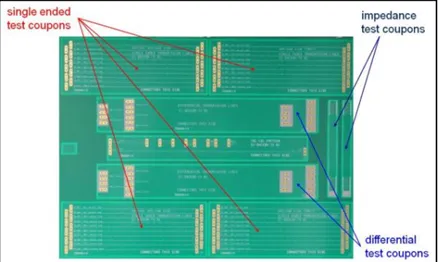
Impedance testing plays a crucial role in the design and validation of printed circuit boards (PCBs) and electronic systems, ensuring optimal signal integrity and performance. This tag encompasses a wide range of topics related to measuring and analyzing impedance in circuits, from controlled impedance in high-speed PCBs to troubleshooting mismatches that can lead to signal degradation or electromagnetic interference. For engineers, hobbyists, and professionals searching for impedance testing guidance, this resource provides essential knowledge to address common challenges in modern electronics, such as those encountered in RF designs, DDR memory interfaces, or high-frequency applications. Understanding impedance testing begins with recognizing its impact on circuit reliability. By accurately measuring parameters like characteristic impedance, reflection coefficients, and transmission line effects, you can prevent issues like data corruption or power loss in your projects. Practical applications include using tools such as time-domain reflectometers (TDR) or vector network analyzers (VNA) to verify PCB trace impedance against design specifications. Best practices involve calibrating equipment properly, accounting for environmental factors like temperature and humidity, and incorporating stack-up designs that maintain consistent impedance throughout the board. These techniques not only help in prototyping but also in scaling production to meet industry standards like IPC-2141 for controlled impedance. For those delving deeper, articles under this tag offer step-by-step tutorials on conducting impedance tests, case studies from real-world implementations, and tips for integrating testing into your workflow. Whether you are optimizing a new PCB layout or diagnosing failures in existing systems, the insights here equip you with actionable strategies to enhance efficiency and reduce costly revisions. Readers interested in specific methodologies or advanced topics will find a collection of detailed posts that build on these fundamentals, fostering a comprehensive understanding of impedance management in electronics.
Technical Articles
Get in Touch
Send Message
- Products & Service
- Company
- About AIVON
- Contact
- News
- Blog
- Certification
-


- Payment
-


2026 AIVON.COM All Rights Reserved