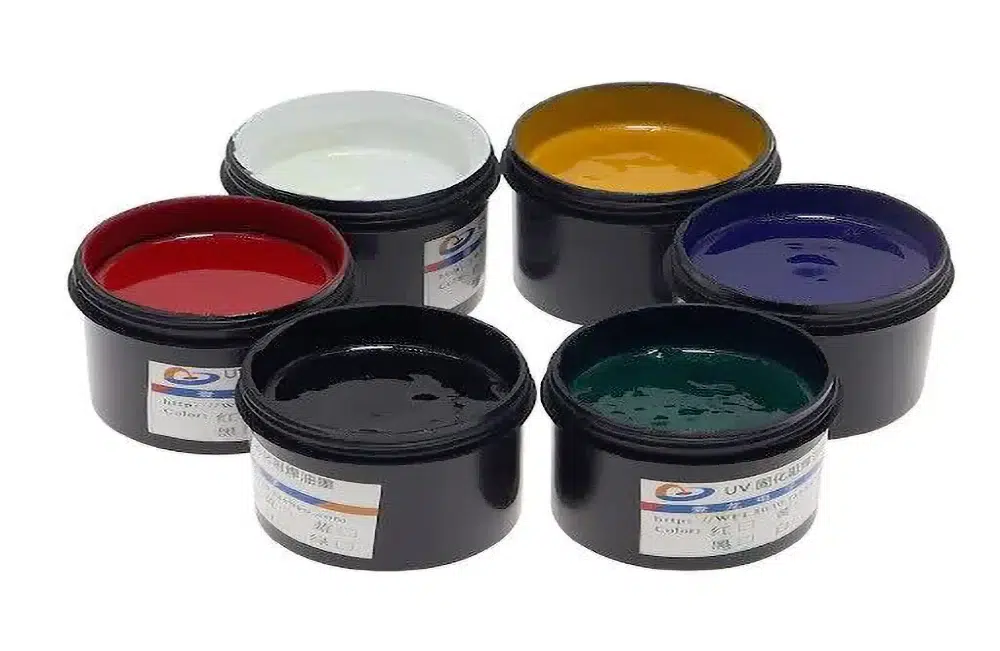
lpi-solder-mask
Liquid photoimageable (LPI) solder mask plays a crucial role in modern printed circuit board (PCB) design and manufacturing, serving as a protective coating that prevents solder bridging, oxidation, and environmental damage to the underlying copper traces. For engineers, hobbyists, and manufacturers searching for information on LPI solder mask, this tag aggregates expert articles that delve into its composition, application processes, and performance advantages over traditional dry film or epoxy-based alternatives. By providing a high-resolution, photo-defined layer, LPI solder mask ensures precise coverage on complex board layouts, making it ideal for high-density interconnects and fine-pitch components where accuracy is paramount. Understanding LPI solder mask is essential for optimizing PCB reliability and assembly efficiency. This material is applied as a liquid polymer, cured via UV exposure, and developed to create openings for solder pads, vias, and other exposed areas. Its key benefits include excellent adhesion, thermal resistance, and chemical durability, which help extend the lifespan of electronic devices in demanding environments such as automotive, aerospace, and consumer electronics. Users often seek guidance on selecting the right LPI formulation—whether matte, gloss, or colored variants—to match specific design requirements, as well as troubleshooting common issues like incomplete curing or mask misalignment that can lead to manufacturing defects. For those implementing LPI solder mask in their projects, best practices emphasize proper surface preparation, controlled exposure parameters, and post-application inspections to achieve optimal results. Articles under this tag offer practical insights, such as step-by-step application techniques, comparisons with other masking methods, and case studies demonstrating real-world improvements in yield rates and cost savings. By exploring these resources, readers can gain the knowledge needed to enhance their PCB fabrication processes and address challenges effectively.
Technical Articles
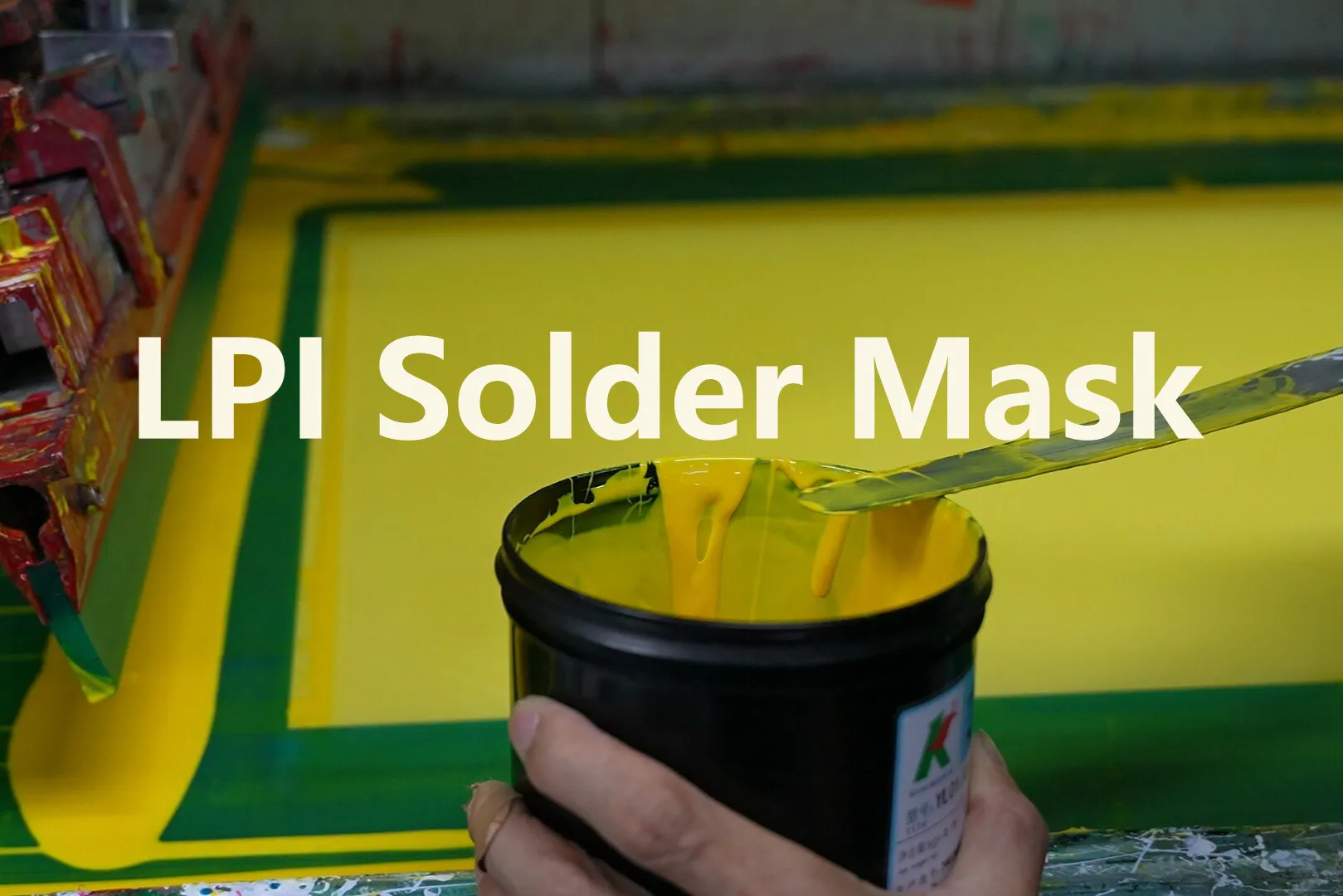
Advanced Liquid Photoimageable Solder Mask Techniques for Fine Line PCBs
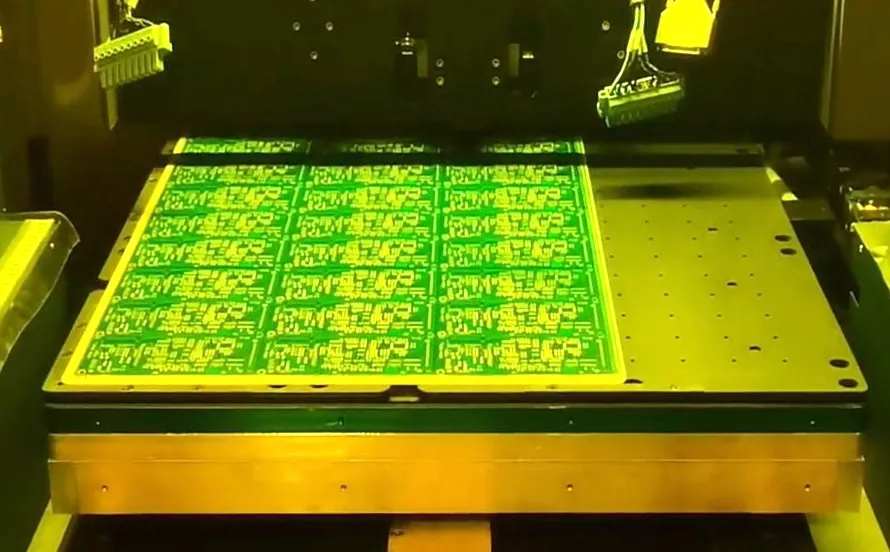
Advanced Solder Mask Techniques for 1 oz Copper PCBs
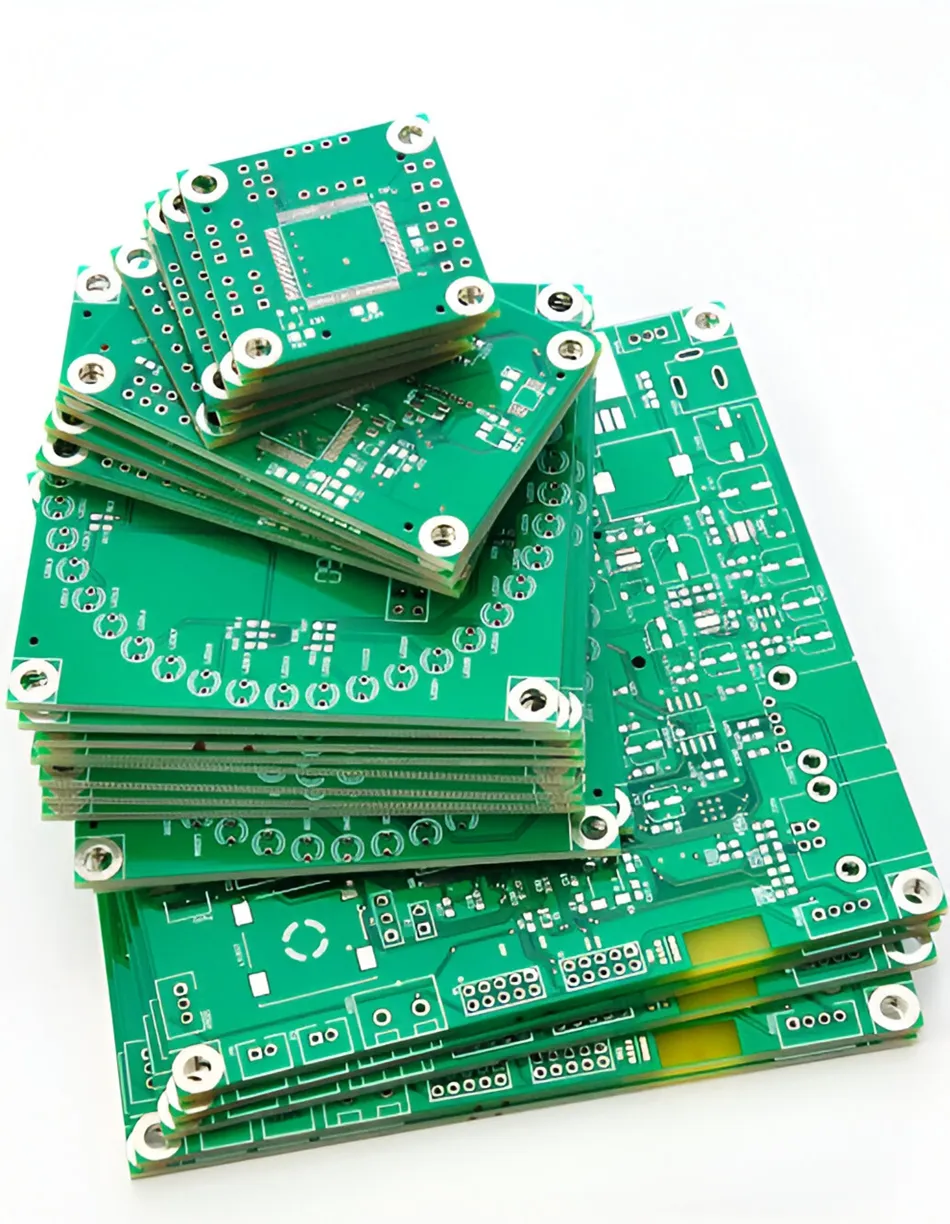
Dry Film vs. LPI Solder Mask: Which Is Right for Your PCB Project?
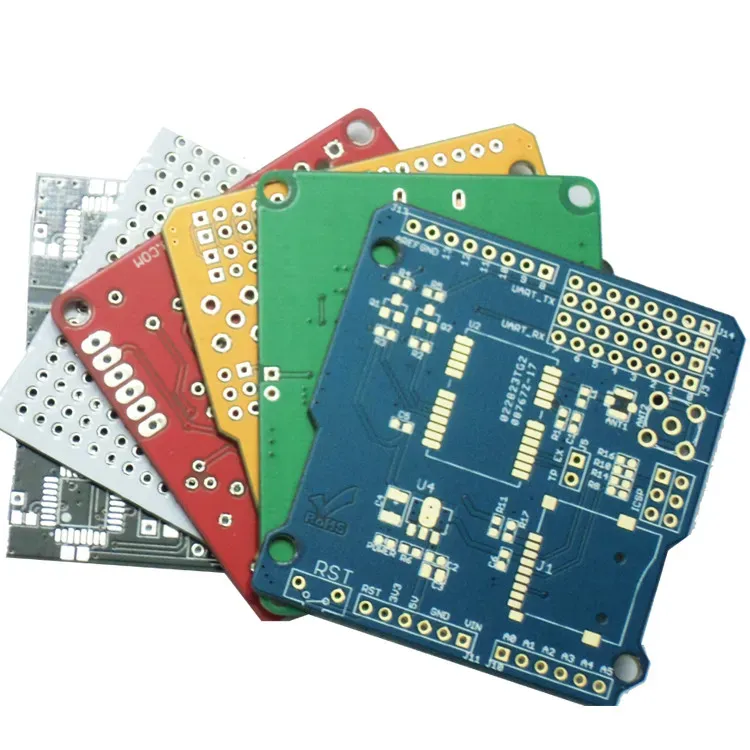
Understanding Solder Mask: A Beginner's Guide to PCB Protection
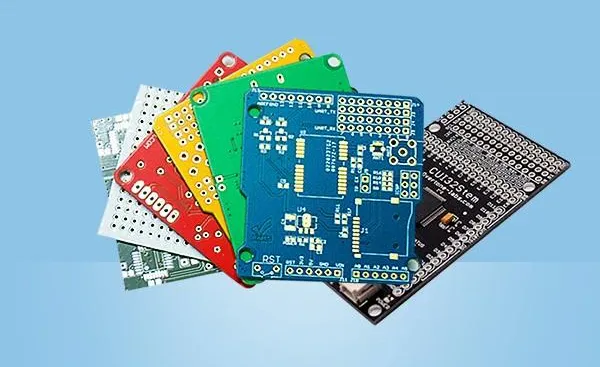
How to Choose the Right Solder Mask for Your Specific PCB Assembly Needs
Get in Touch
Send Message
- Products & Service
- Company
- About AIVON
- Contact
- News
- Blog
- Certification
-


- Payment
-


2026 AIVON.COM All Rights Reserved