Microvia Filling
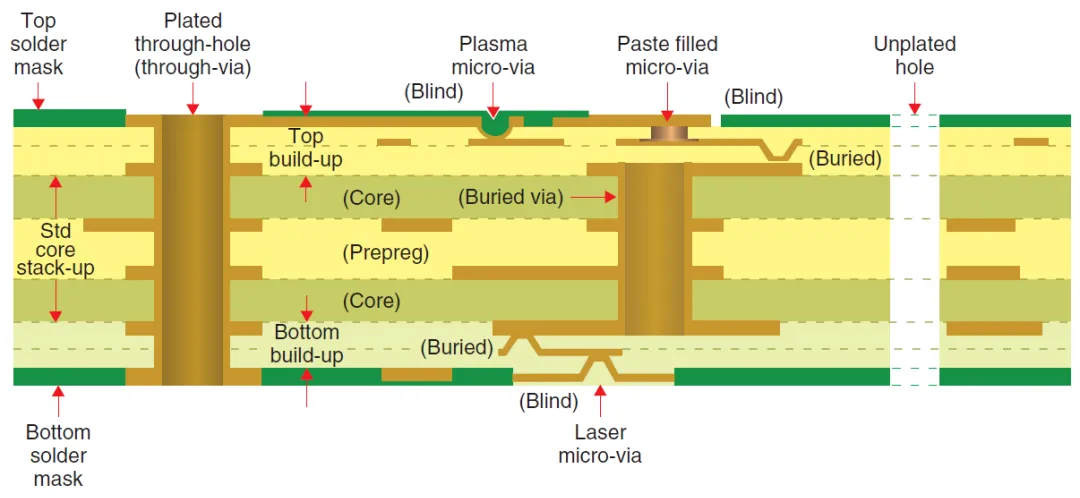
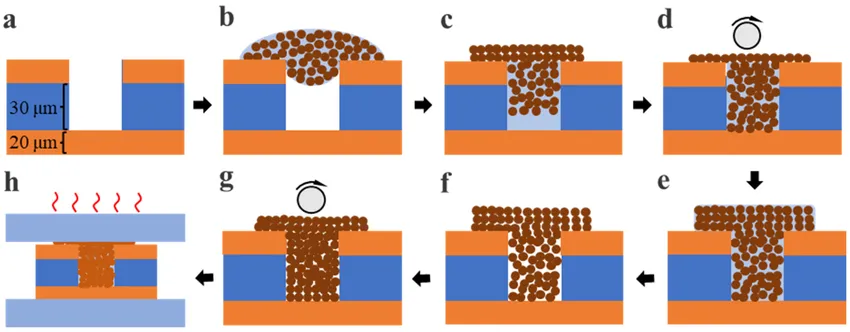
Microvia filling is a critical process in printed circuit board (PCB) manufacturing, particularly for high-density interconnect (HDI) designs where space constraints demand smaller, more precise vias. This technique involves filling microvias—tiny drilled holes typically under 150 microns in diameter—with conductive or non-conductive materials to enhance structural integrity, thermal performance, and signal reliability. By addressing common issues like void formation or plating inconsistencies, microvia filling ensures robust electrical connections in multilayer boards, making it essential for applications in consumer electronics, automotive systems, and telecommunications equipment. For engineers and designers searching for information on microvia filling, understanding the methods and materials is key to optimizing PCB performance. Common approaches include epoxy filling for non-conductive applications, which prevents dimpling and improves planarity for subsequent layering, or copper electroplating for conductive fills that boost current-carrying capacity. Best practices emphasize selecting the right filler based on board requirements, such as thermal expansion coefficients to avoid cracking under stress. Implementing rigorous quality controls, like cross-sectional analysis and impedance testing, helps identify defects early, reducing failure rates in production. These insights can guide you in achieving higher yields and longer-lasting assemblies, especially in compact devices like smartphones or medical implants. Diving deeper into specific techniques, such as vacuum-assisted filling or laser-drilled microvias, reveals how innovations in this area support advanced PCB fabrication. Articles tagged with Microvia Filling often detail case studies on troubleshooting common pitfalls, comparing filler types, and integrating this process into automated manufacturing lines. Reviewing these resources can provide practical strategies tailored to your project needs, from prototype development to full-scale production.
Technical Articles
Get in Touch
Send Message
- Products & Service
- Company
- About AIVON
- Contact
- News
- Blog
- Certification
-


- Payment
-


2026 AIVON.COM All Rights Reserved