
Navigation PCB
Navigation PCBs form the backbone of modern positioning and guidance systems, integrating specialized circuitry to enable precise location tracking, route optimization, and real-time data processing. These printed circuit boards are essential in applications ranging from automotive GPS units and marine navigation devices to drones and wearable fitness trackers. By supporting components like microcontrollers, sensors, and antennas, Navigation PCBs ensure reliable performance in dynamic environments, where factors such as signal interference and power efficiency can make or break functionality. For engineers and hobbyists searching for insights on Navigation PCB, this tag aggregates resources that delve into the intricacies of designing and implementing these boards, helping you address common challenges like electromagnetic compatibility and thermal management. Understanding the practical applications of Navigation PCBs can significantly enhance your projects. In automotive contexts, for instance, these boards facilitate advanced driver-assistance systems (ADAS) by processing satellite signals and inertial data for accurate mapping. Best practices include selecting multilayer board designs to minimize noise and incorporating robust shielding to protect against environmental stressors. If you're troubleshooting issues like signal loss or integrating with IoT ecosystems, the articles under this tag offer actionable guidance, such as step-by-step layouts for compact designs or tips for optimizing battery life in portable devices. This knowledge empowers you to build more resilient systems that comply with industry standards like those from the IPC Association. For those advancing in electronics design, exploring the evolution of Navigation PCBs reveals trends toward miniaturization and integration with AI-driven algorithms. Whether you're prototyping a custom navigation module or scaling up for commercial production, the content here provides in-depth analyses of materials, fabrication techniques, and testing protocols. By reviewing these resources, you can gain a competitive edge in developing efficient, high-performance solutions tailored to specific needs, from aerospace to consumer gadgets.
Video Guide
No videos found for this tag.
Technical Articles
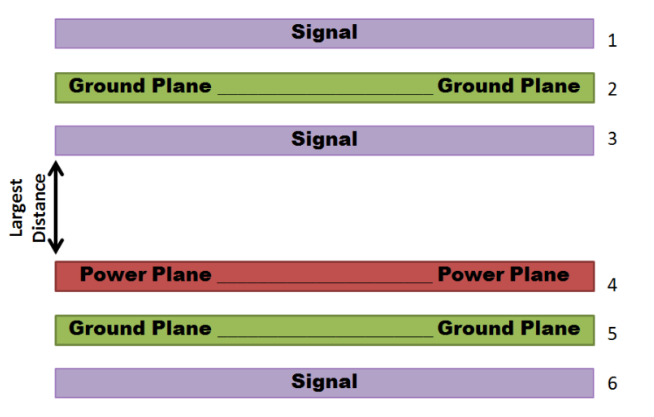
Advanced Techniques for Reducing EMI in Navigation System PCBs
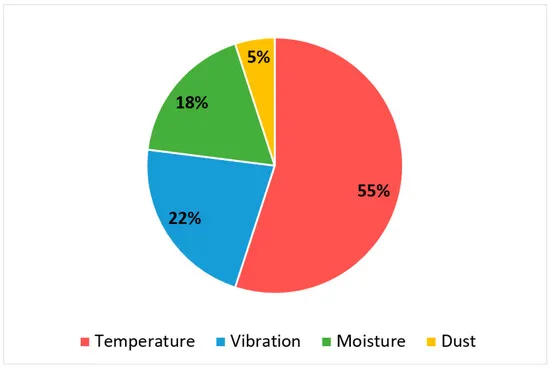
Improving the Reliability of Navigation System PCBs in Harsh Environments
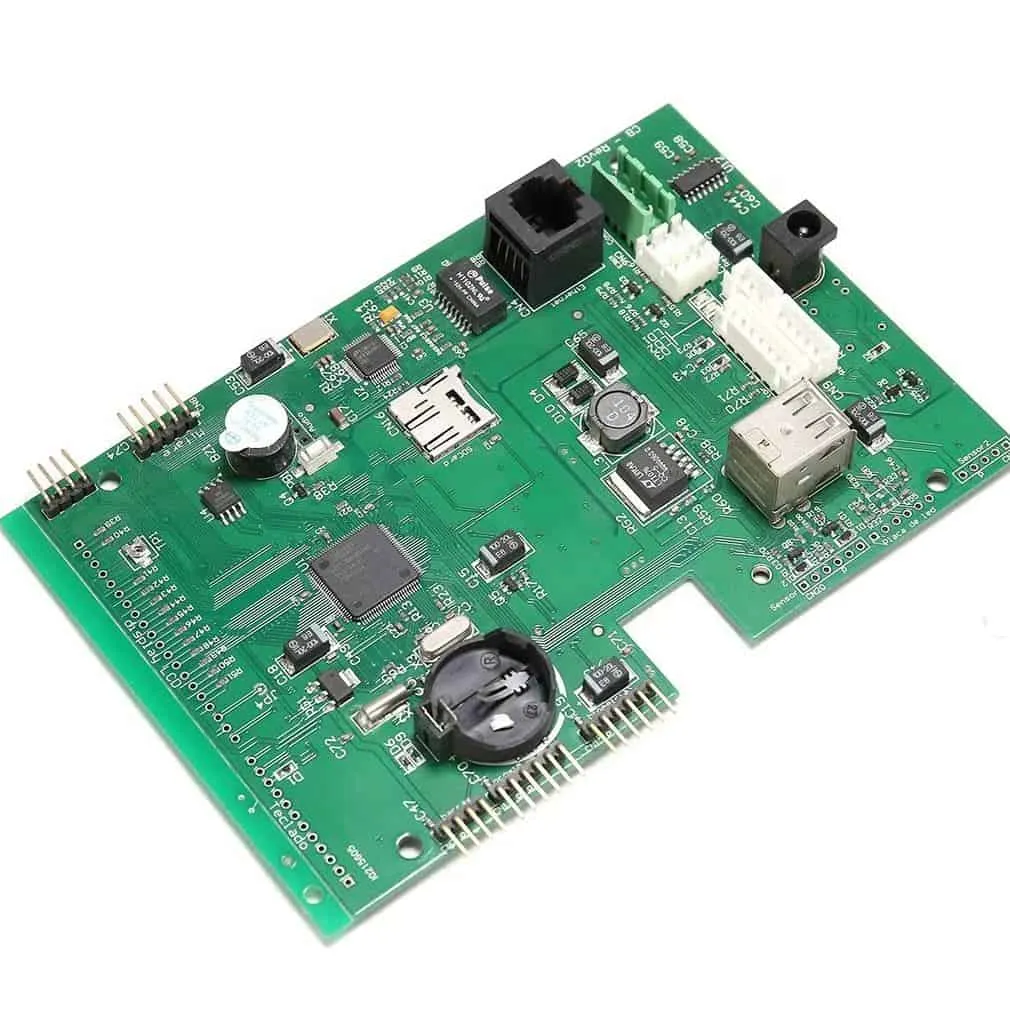
Step by Step Guide to Prototyping Your Navigation System PCB
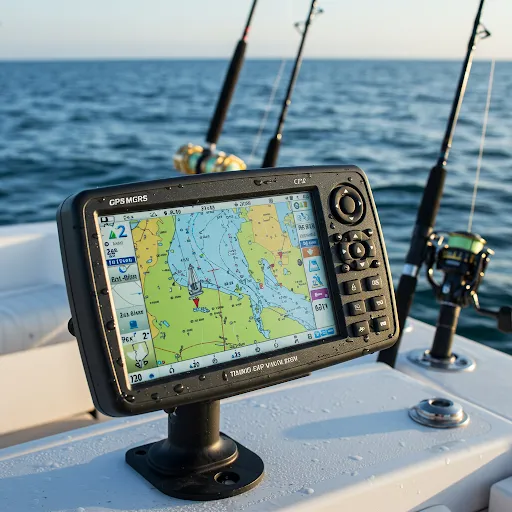
Advanced PCB Layout Techniques for High Frequency Marine Navigation Systems
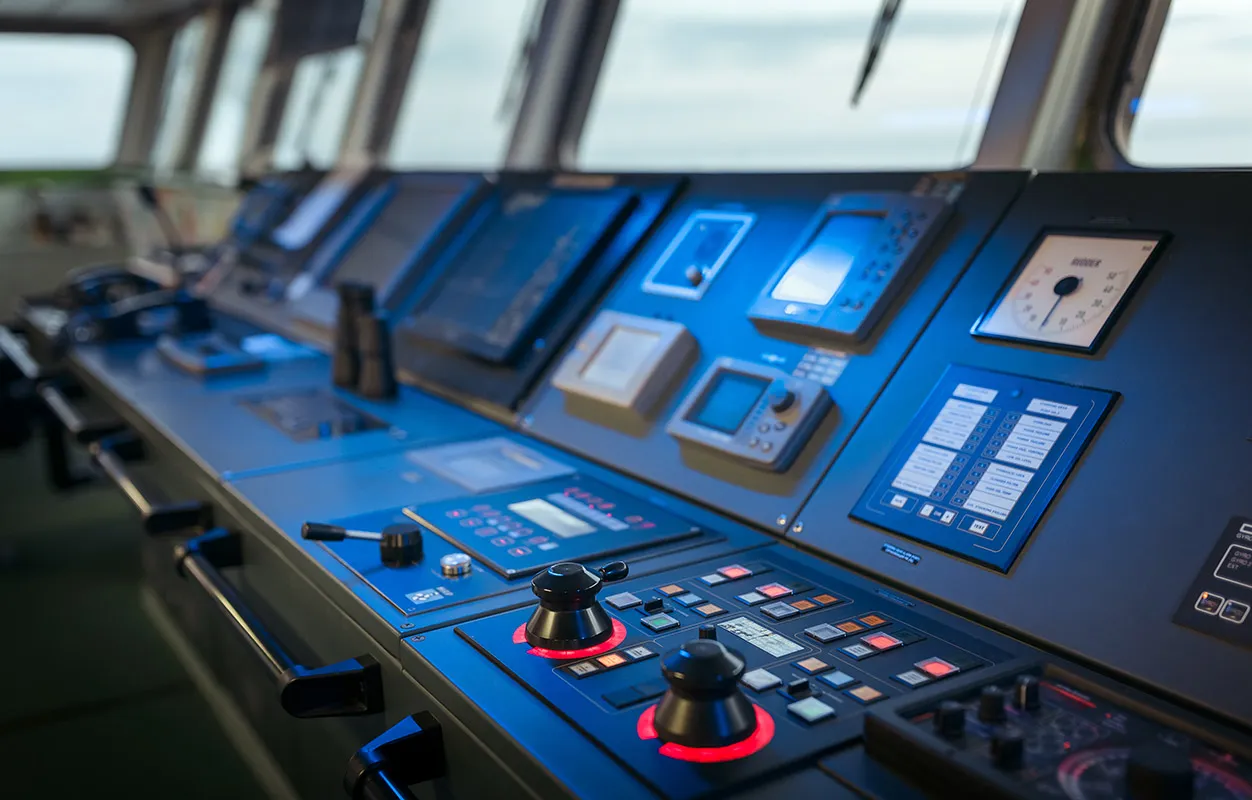
The Impact of PCB Materials on the Reliability of Marine Navigation Electronics

Optimizing Power Distribution in Marine Navigation PCBs: A Comprehensive Guide
Get in Touch
Send Message
- Products & Service
- Company
- About AIVON
- Contact
- News
- Blog
- Certification
-


- Payment
-


2026 AIVON.COM All Rights Reserved