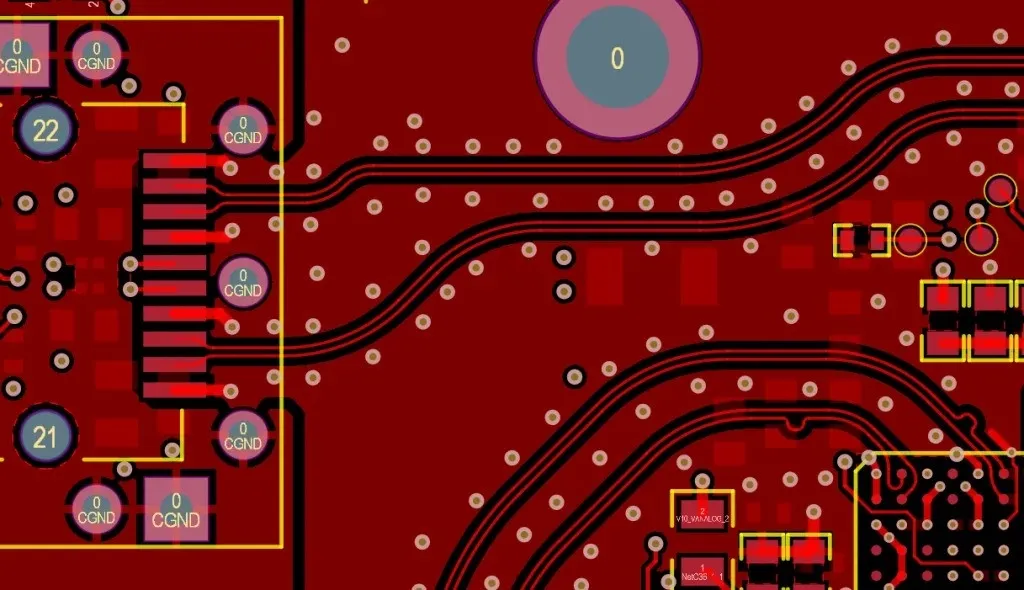
via-current-capacity
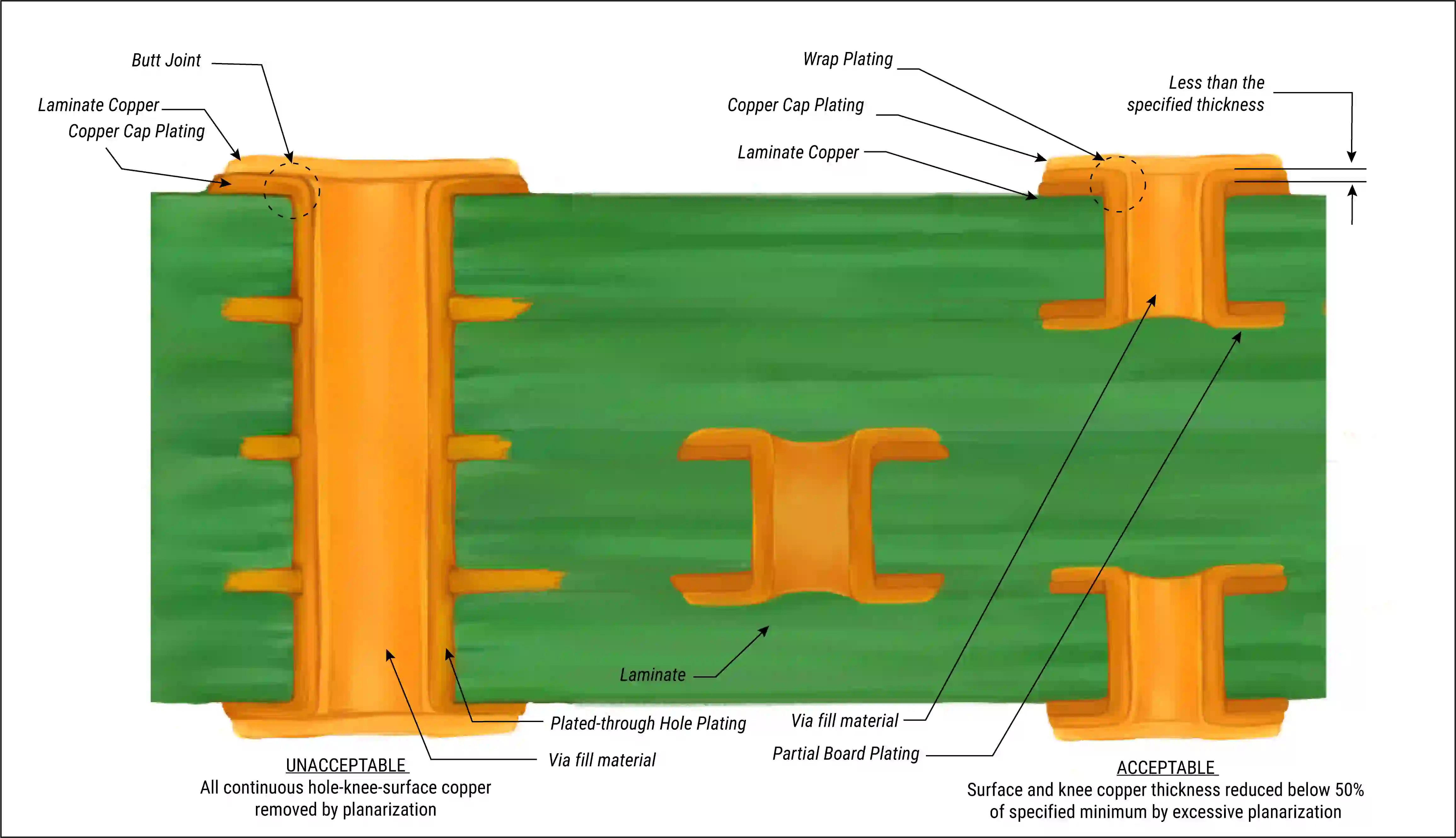
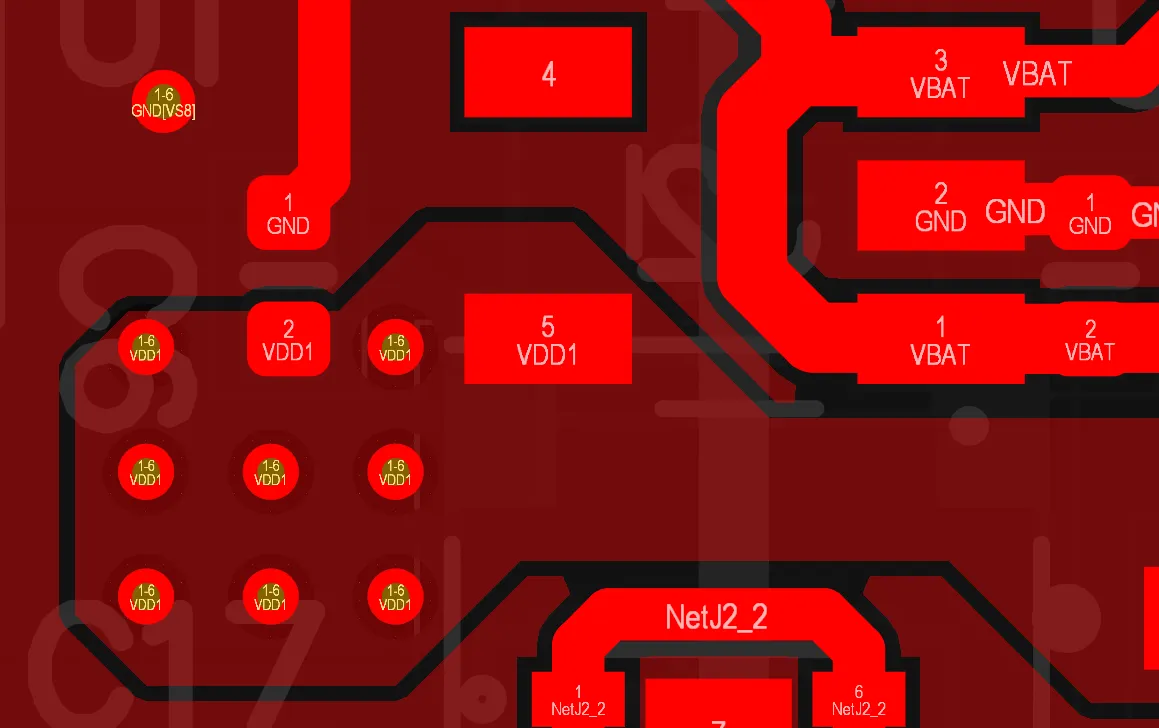
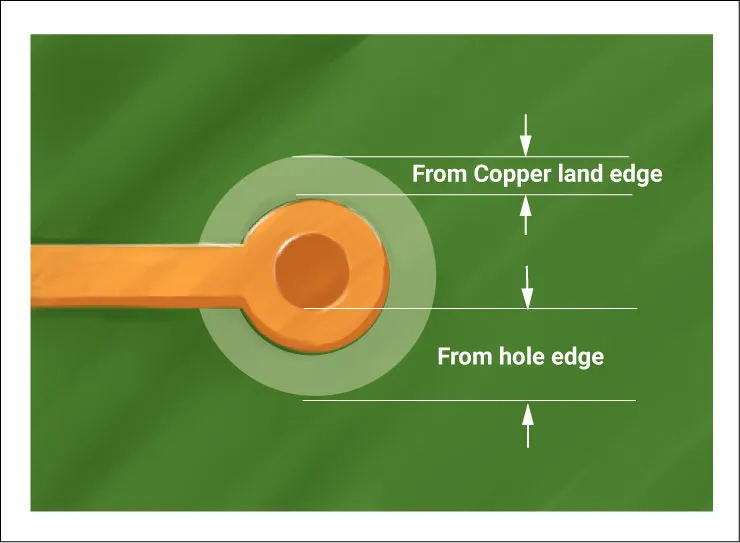
Understanding via current capacity is essential for designing reliable printed circuit boards (PCBs) that handle electrical loads without failure. In PCB engineering, vias serve as conductive pathways connecting different layers of the board, and their current capacity refers to the maximum amperage they can carry while maintaining thermal stability and structural integrity. Factors such as via diameter, plating thickness, material composition, and surrounding trace configurations all influence this capacity. Engineers and designers often search for this information to optimize high-power applications, ensuring that vias do not become bottlenecks or hotspots that could lead to overheating, signal degradation, or complete circuit failure. Articles tagged with Via Current Capacity provide practical guidance on calculating and enhancing this critical parameter. For instance, you can use industry standards like IPC-2152 to estimate current limits based on via size and temperature rise, incorporating formulas that account for copper thickness and ambient conditions. Best practices include employing multiple vias in parallel for high-current paths, selecting appropriate drill sizes to balance conductivity and board space, and simulating thermal performance with tools like finite element analysis. These insights are particularly valuable in fields such as power electronics, automotive systems, and telecommunications, where efficient current distribution directly impacts device longevity and safety. By applying these principles, you can avoid common pitfalls like underestimating via resistance or ignoring derating factors in harsh environments. Exploring the resources under this tag offers detailed case studies and tutorials that demonstrate real-world implementations, helping you refine your PCB layouts for better performance and compliance with regulatory standards. Whether you are troubleshooting an existing design or starting a new project, this knowledge equips you to make informed decisions that enhance overall circuit reliability.
Technical Articles
Get in Touch
Send Message
- Products & Service
- Company
- About AIVON
- Contact
- News
- Blog
- Certification
-


- Payment
-


2026 AIVON.COM All Rights Reserved