Where Laser Cutting Wins on Precision and Where Punching Takes Over on Volume
In our shop, the choice between laser cutting and CNC punching for sheet metal parts comes down to balancing part geometry, production quantity, material thickness, and cost targets. Laser cutting generally delivers superior precision and flexibility for complex, low-to-medium volume runs or intricate designs. CNC punching (turret punching) shines in high-volume production of simpler parts with repetitive features, offering faster cycle times once tooled up and better cost efficiency at scale.
Laser cutting is our go-to when tolerances are tight (±0.1mm or better) or when designs change frequently. Punching becomes the manufacturing choice for runs exceeding a few hundred identical parts with standard hole patterns, where we can amortize tooling and maximize hits per minute. Neither is universally better—production conditions dictate the winner.
Laser Cutting vs Punching: Key Manufacturing Comparison
| Factor | Laser Cutting | CNC Punching |
|---|---|---|
| Precision & Tolerance | Excellent (±0.05-0.1mm), ideal for complex contours | Good (±0.1-0.2mm), limited by tool size |
| Speed (Cycle Time) | Slower for high volumes, fast setup | Faster for repetitive hits (up to 600+/min) |
| Material Thickness | Excellent for thin to thick (up to 25mm+) | Best for thin sheets (<6mm typically) |
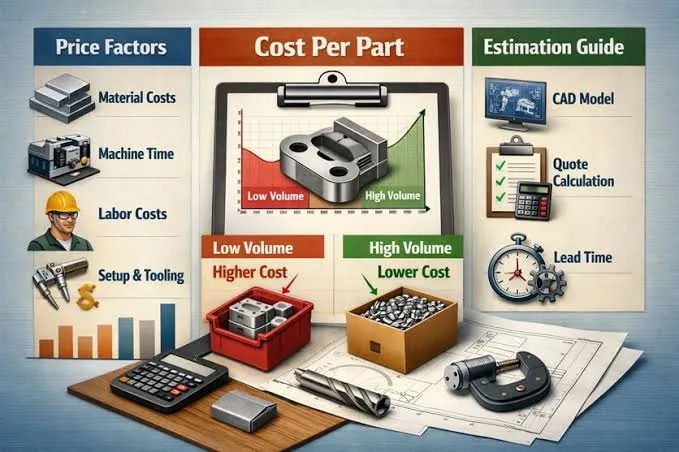
| Cost per Part (Low Volume) | Lower due to no tooling | Higher initial tooling cost |
| Cost per Part (High Volume) | Higher | Significantly lower |
| Edge Quality | Smooth, minimal post-processing | Possible burrs, may need deburring |
| Design Flexibility | High, any shape | Limited to available tools |
| Typical Applications | Prototypes, complex enclosures, custom parts | High-volume brackets, panels with standard holes |
Recommended Figure: Bar chart comparing processing time and cost per part for laser cutting versus CNC punching across production volumes from 10 to 10,000 units on 2mm steel.
Decision Matrix: Choosing Based on Production Priorities
| Priority | Better Choice | Why from Factory View |
|---|---|---|
| Lowest cost at high volume (>500 pcs) | CNC Punching | Amortized tooling and high hit rates reduce per-part cost dramatically |
| Best precision & complex geometry | Laser Cutting | No tool constraints, minimal kerf, easier nesting |
| Fastest prototyping / design changes | Laser Cutting | No tooling delays, program and cut same day |
| Material thickness >6mm | Laser Cutting | Punching struggles with force and tool wear on thicker stock |
| High repeatability with forming (louvers, emboss) | CNC Punching | Integrated forming operations in one setup |
| Optimal material utilization | Laser Cutting | Tighter nesting without tool clearance requirements |
Precision Differences in Real Production Runs
When it comes to laser cutting vs punching, precision is where we see the biggest divergence during DFM review. Laser cutting consistently holds tighter tolerances because the beam follows programmed paths without mechanical tool deflection or wear. For features smaller than standard punch tooling or irregular contours, laser avoids the limitations of available die sizes.
Punching excels when tolerances align with standard tooling—round holes, standard rectangles—especially in high-volume where consistency across thousands of parts matters. However, we often see more variation in punched edges due to material springback and tool clearance. In mixed production, we frequently hybridize: punch standard holes for speed and laser complex profiles.
Speed and Throughput: When Volume Changes the Equation
From a fabrication standpoint, punching often outperforms laser in raw speed for repetitive operations once the turret is loaded. A well-tooled punch press can deliver hundreds of hits per minute on standard features, making it the choice for panel perforations or bracket arrays. Laser cutting, while slower per feature in volume, wins on overall job turnaround for one-offs because setup is purely digital.
We track this closely in production planning. For orders under 200-300 pieces with complex geometry, laser cutting vs punching favors laser for total throughput. Above that threshold, especially with simple designs, punching pulls ahead as tool changes become negligible and cycle times drop. Modern fiber lasers have narrowed the gap, but punching still rules high-volume standard work.
Material Thickness Impact on Process Selection
Material thickness heavily influences our recommendation during quoting. Laser cutting handles a wider range effectively—from thin foils to 25mm+ plate—without major force issues. Punching is optimized for thinner gauges (typically under 6mm), where it maintains speed and tool life. Beyond that, punching requires heavier presses, experiences more distortion, and tool wear accelerates.
For thick materials, laser cutting vs punching clearly favors laser due to consistent cut quality and reduced mechanical stress. In thinner sheets, punching provides better economy if the design allows standard tooling. We always check material type too—stainless or aluminum may behave differently under each process regarding heat distortion or work hardening.
Cost Breakdown: Tooling, Run Size, and Hidden Factors
Cost is rarely straightforward in laser cutting vs punching comparisons. Laser has low upfront tooling costs, making it cheaper for prototypes and small batches where design iterations are likely. Punching involves significant initial investment in dies, but per-part costs drop sharply at higher volumes due to speed.
We factor in material utilization too—laser nesting is more efficient with minimal waste. Additional costs for punching include deburring if required, while laser edges often go straight to powder coating or welding. In production, we recommend punching when volumes justify tooling (typically 500+ pieces) and laser otherwise, unless forming operations are needed.

Factory Perspective: How We Evaluate Laser vs Punching in Production
During CAM preparation and DFM review, we prioritize yield and process stability. Laser cutting offers excellent panel utilization and low risk for custom jobs, with straightforward nesting software. Punching requires more upfront tooling validation but delivers predictable high throughput and opportunities for in-process forming like louvers or extrusions, reducing secondary operations.
Yield tends to be high for both when designs are optimized, but punching can suffer from tool breakage or misalignment in long runs if maintenance slips. Laser has heat-affected zones to manage on certain alloys. Most fabricators recommend laser for flexibility and prototyping, switching to punching for dedicated high-volume programs to optimize machine utilization and lower overall shop costs. Hybrid lines—punch for holes, laser for contours—are common for balancing both worlds.
Which Option Should You Choose for Your Sheet Metal Parts?
Choose Laser Cutting if you:
- Need complex geometries, fine details, or tight tolerances
- Are producing prototypes, low-to-medium volumes, or expect design changes
- Work with thicker materials or require minimal post-processing
- Prioritize fast turnaround and high material utilization
Choose CNC Punching if you:
- Have high production volumes of simpler parts with repetitive features
- Require integrated forming operations in one setup
- Focus on minimizing per-part cost after initial tooling
- Work primarily with thinner sheet materials under 6mm
The real manufacturing decision often involves a conversation about your specific drawings and forecast. We can usually quote both options to show the crossover point.
FAQs
Q1: How does laser cutting vs punching affect lead times for sheet metal fabrication?
A1: Laser cutting typically offers shorter lead times for prototypes and small runs due to no tooling. Punching lead times are longer initially but faster for repeat high-volume orders once tooled.
Q2: Is laser cutting more expensive than CNC punching?
A2: Not always—laser is often cheaper for low volumes and complex parts. Punching becomes more economical at higher volumes where tooling costs are spread out.
Q3: Which process provides better edge quality for painting or welding?
A3: Laser cutting generally produces smoother edges with less burr, reducing secondary finishing. Punched edges may require deburring, especially on thicker materials.
Q4: Can CNC punching handle the same material thicknesses as laser cutting?
A4: Punching performs best on thinner materials. Laser is more versatile across a broader thickness range without excessive tool wear or distortion.
Q5: When does it make sense to combine both processes?
A5: Hybrid approaches work well for parts needing punched standard features for speed and laser-cut complex outlines for precision, optimizing both cost and quality.
Q6: How do design changes impact laser cutting vs punching costs?
A6: Laser cutting accommodates changes easily with minimal cost. Punching requires new or modified tooling, increasing expense and lead time for revisions.