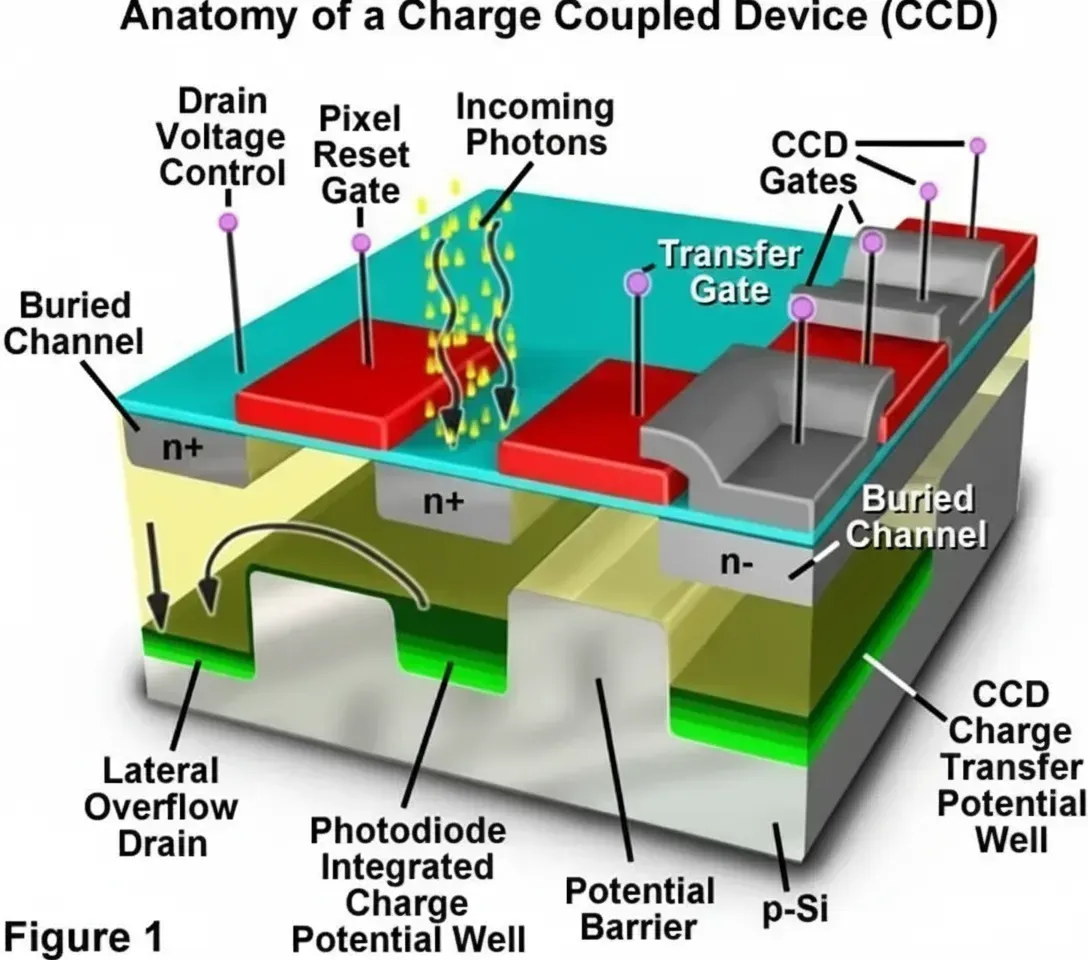
Optoelectronic sensors convert light (visible, infrared, ultraviolet, or other wavelengths) into electrical signals, enabling detection, measurement, and analysis of objects, environments, and events. These sensors play vital roles in industrial automation, automotive safety, consumer electronics, medical devices, and advanced defense systems. Their performance hinges on balancing resolution (smallest detectable feature), sensitivity (ability to detect weak signals amid noise), and pixelation (spatial sampling).
Core Principles of Optoelectronic Sensors
Optoelectronic sensors typically combine a photodetector (photodiode, phototransistor, CCD, or CMOS array) with signal conditioning circuitry. Infrared (IR) variants are particularly valuable for thermal imaging, night vision, and missile defense because they detect heat signatures invisible to the human eye and function in low-light or obscured conditions.
Key performance factors include spectral response, dynamic range, noise characteristics, and integration with processing algorithms for target discrimination and data fusion. Advances in materials and manufacturing have improved wavelength coverage, reduced noise, and lowered costs.
Major Applications
Industrial and Automation
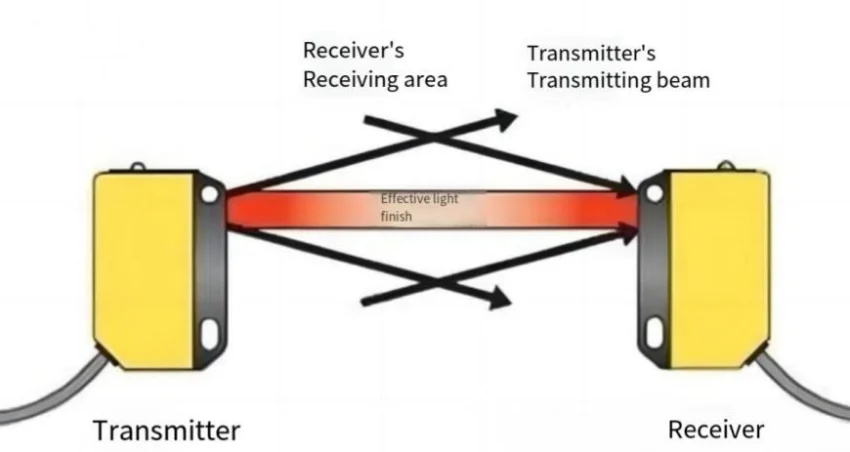
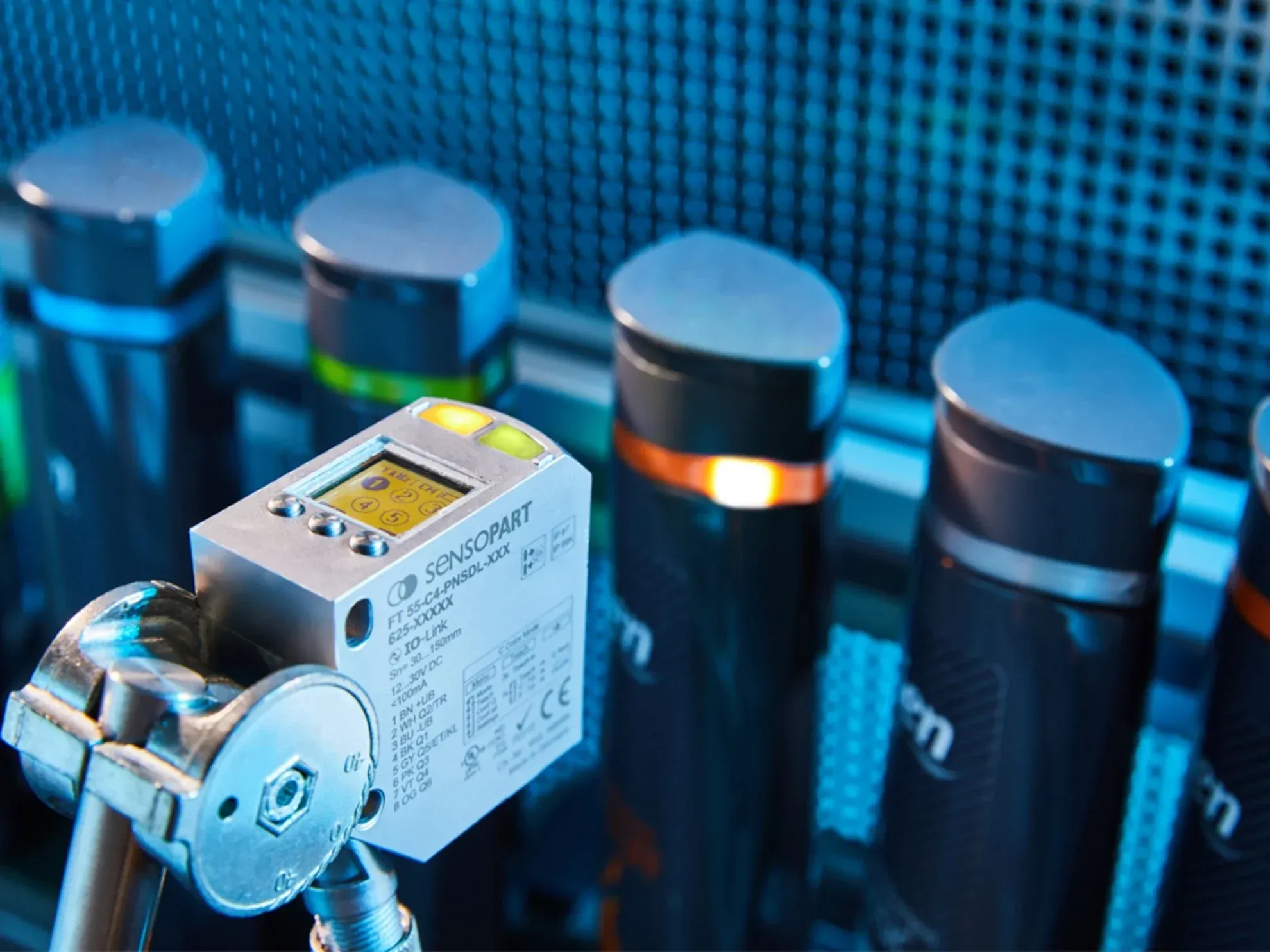
Optoelectronic sensors enable precise position detection, object recognition, quality inspection, and process control. Photoelectric sensors are staples in manufacturing lines for presence detection and counting.
Automotive and Transportation
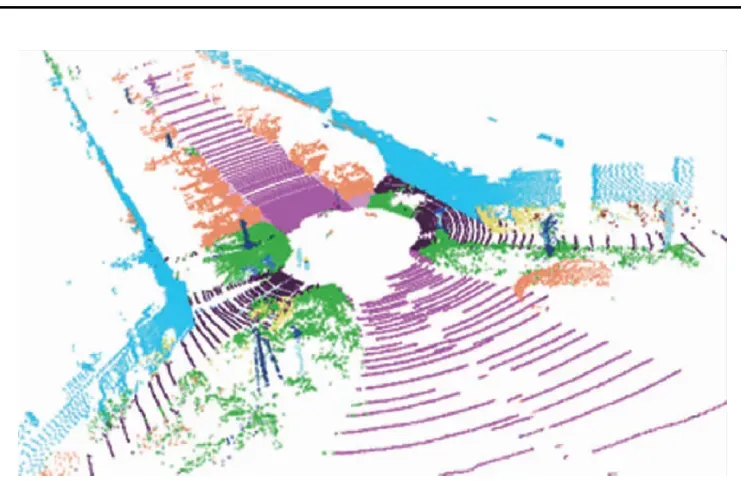
LiDAR, cameras, and IR sensors support advanced driver assistance systems (ADAS), autonomous driving, and occupant monitoring. They provide environmental perception under varying lighting and weather conditions.
Aerospace and Defense
Infrared sensors are critical for missile launch detection, tracking, discrimination, and kill assessment in ballistic missile defense. Space-based systems offer persistent global coverage, complementing ground and airborne radar. Multispectral and hyperspectral approaches enhance target identification in complex threat environments.
Consumer and Medical
Ambient light sensors, proximity detectors, and pulse oximeters rely on optoelectronics for intuitive interfaces and vital signs monitoring.
Technology Trends
Modern systems emphasize:
- Miniaturization and SWaP-C (Size, Weight, Power, and Cost) optimization.
- Multispectral and Data Fusion: Combining multiple wavelengths and sensor modalities with AI for improved accuracy and autonomy.
- Higher Operating Temperatures and Lower Noise: Enabling more compact, power-efficient designs.
- Onboard Processing: Edge computing reduces latency and bandwidth requirements.
PCB Design and Manufacturing Considerations for Optoelectronic Systems
Integrating optoelectronic sensors imposes specific requirements on printed circuit boards:
- High-Speed Signal Integrity: Precise impedance control, differential pair routing, and shielding are essential for high-resolution image sensors and fast data interfaces (e.g., MIPI, LVDS, PCIe).
- Analog and Mixed-Signal Layout: Careful separation of sensitive photodetector circuits from digital noise sources, with optimized grounding and power distribution.
- Thermal Management: IR sensors and high-pixel arrays generate heat; thermal vias, copper planes, and material selection help maintain performance and longevity.
- Assembly Precision: Fine-pitch optics alignment, controlled reflow for sensitive packages, and cleanroom considerations for optical surfaces during manufacturing.
- Reliability Engineering: Vibration resistance, wide-temperature operation, and conformal coatings for harsh environments common in automotive and aerospace applications.
Rigid-flex and HDI PCBs are often employed to meet form factor and interconnect density needs in compact camera modules or sensor arrays.
Industry Relevance and Future Outlook
Optoelectronic technology continues to advance through improved detectors, algorithms, and integration. In defense, persistent space-based infrared layers enhance missile defense architectures. In commercial sectors, cost-effective, high-performance sensors drive innovation in IoT, robotics, and smart infrastructure.
For electronics manufacturers, the ability to produce high-reliability PCBs with advanced signal integrity and thermal characteristics is essential to fully leverage optoelectronic sensor capabilities across diverse applications.
FAQ
Q1: What is the primary function of an optoelectronic sensor?
A1: To detect light (including IR/UV) and convert it into electrical signals for object detection, imaging, or measurement.
Q2: Why are infrared sensors important in defense applications?
A2: They provide thermal signature detection, tracking, and discrimination capabilities, especially in space-based systems for persistent surveillance.
Q3: What PCB factors are critical for optoelectronic performance?
A3: Impedance control for high-speed interfaces, low-noise analog design, thermal dissipation, and precise assembly to maintain optical and electrical integrity.