Introduction
Rigid printed circuit boards form the foundational structure for the majority of electronic devices, providing mechanical support and electrical connectivity in a stable form factor. As the electronics industry advances, rigid PCB industry trends 2024 highlight a shift toward higher performance demands driven by sectors like automotive electrification, high-speed telecommunications, and data center computing. Engineers face pressures to integrate more functionality into smaller spaces while maintaining reliability under extreme conditions. Recent developments in materials and fabrication processes address these challenges, enabling rigid PCBs to support faster signal speeds and higher power densities. This article explores key rigid PCB technology advancements, including substrate innovations and manufacturing techniques, alongside evolving applications. Understanding these trends equips electrical engineers to select optimal designs for future projects.
Understanding Rigid PCBs and Their Enduring Relevance
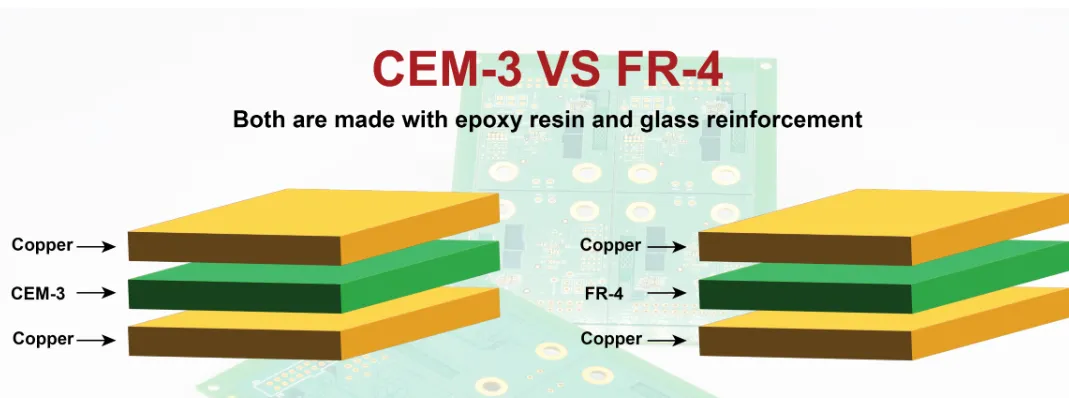
Rigid PCBs consist of a solid substrate, typically reinforced with glass fibers, that cannot bend once fabricated, distinguishing them from flexible or rigid-flex variants. They dominate applications requiring durability, such as power supplies and control modules, due to their ability to handle mechanical stresses and thermal cycling. In rigid PCB market analysis, their prevalence stems from cost-effectiveness and compatibility with standard assembly processes. Engineers value rigid boards for precise trace routing and via placement, essential for multilayer stackups. As device complexity grows, rigid PCBs evolve to incorporate high-density features without sacrificing stability. Their relevance persists because they balance performance, manufacturability, and scalability across industries.
Innovations in Materials for Rigid PCBs
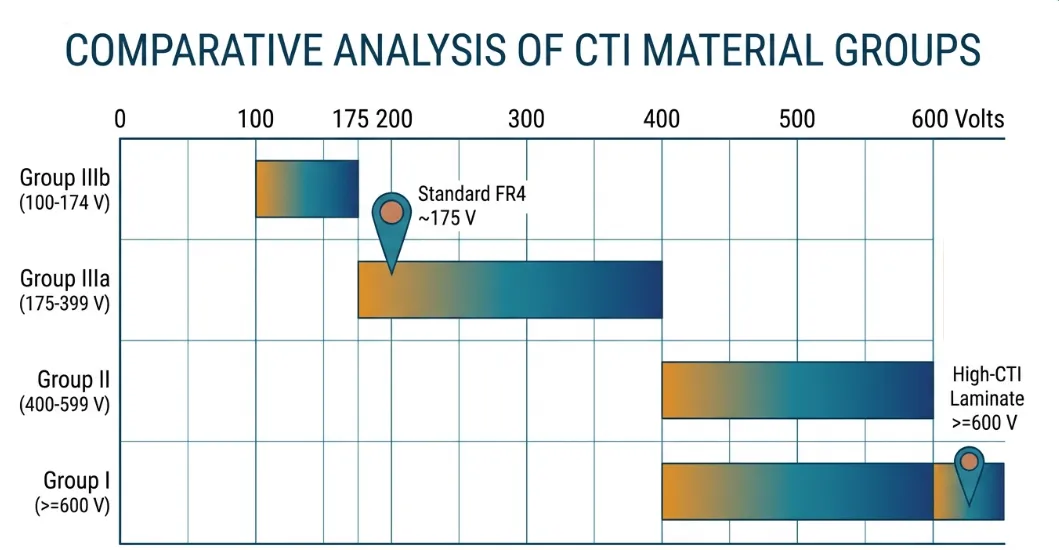
Material advancements focus on enhancing thermal management, signal integrity, and environmental compliance to meet modern electrical demands. High glass transition temperature (Tg) substrates resist deformation during soldering and operation, crucial for lead-free processes. Low coefficient of thermal expansion (CTE) materials minimize warpage in multilayer boards, ensuring alignment during assembly. Halogen-free laminates reduce toxicity while maintaining dielectric strength, aligning with sustainability goals in manufacturing. Ceramic-filled or metal-backed cores improve heat dissipation for power electronics in electric vehicles. These developments allow rigid PCBs to operate at higher frequencies and currents, supporting 5G base stations and AI accelerators.
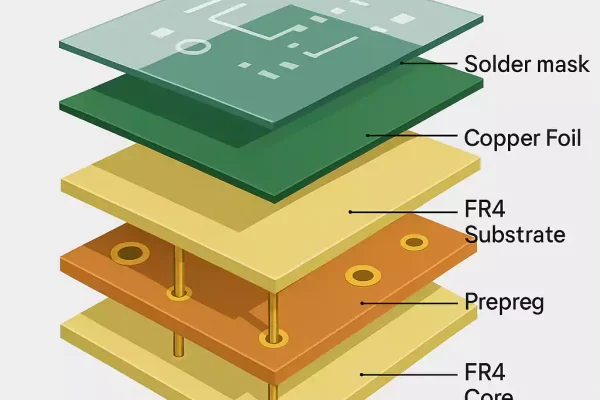
Engineers must consider dielectric constant (Dk) and dissipation factor (Df) when selecting substrates for high-speed designs. Low-loss materials preserve signal integrity over long traces, reducing attenuation in data paths. Thinner copper foils enable finer lines and spaces, down to 50 microns in advanced processes. Compliance with IPC-6012E standards verifies material performance through qualification tests like thermal shock and humidity exposure. Factory-driven insights emphasize matching material CTE to components for reliable solder joints. These material trends position rigid PCBs for the future of rigid PCBs in compact, high-reliability systems.
Suggested Reading: Rigid PCB Via Design Guidelines: Minimizing Inductance and Maximizing Signal Integrity
Technological Advancements in Rigid PCB Fabrication
Fabrication techniques have progressed to achieve higher layer counts and densities, with high-density interconnect (HDI) structures now common in rigid boards. Sequential build-up processes allow blind and buried vias, stacking multiple microvias for any-layer interconnects. Laser direct structuring and drilling enable sub-100 micron features, improving routing efficiency in space-constrained designs. Embedded cavities and components reduce overall board thickness while enhancing thermal paths. Automation in lamination and plating ensures uniformity across large panels, minimizing defects like voids or delamination. These rigid PCB technology advancements support faster prototyping and higher yields in production.
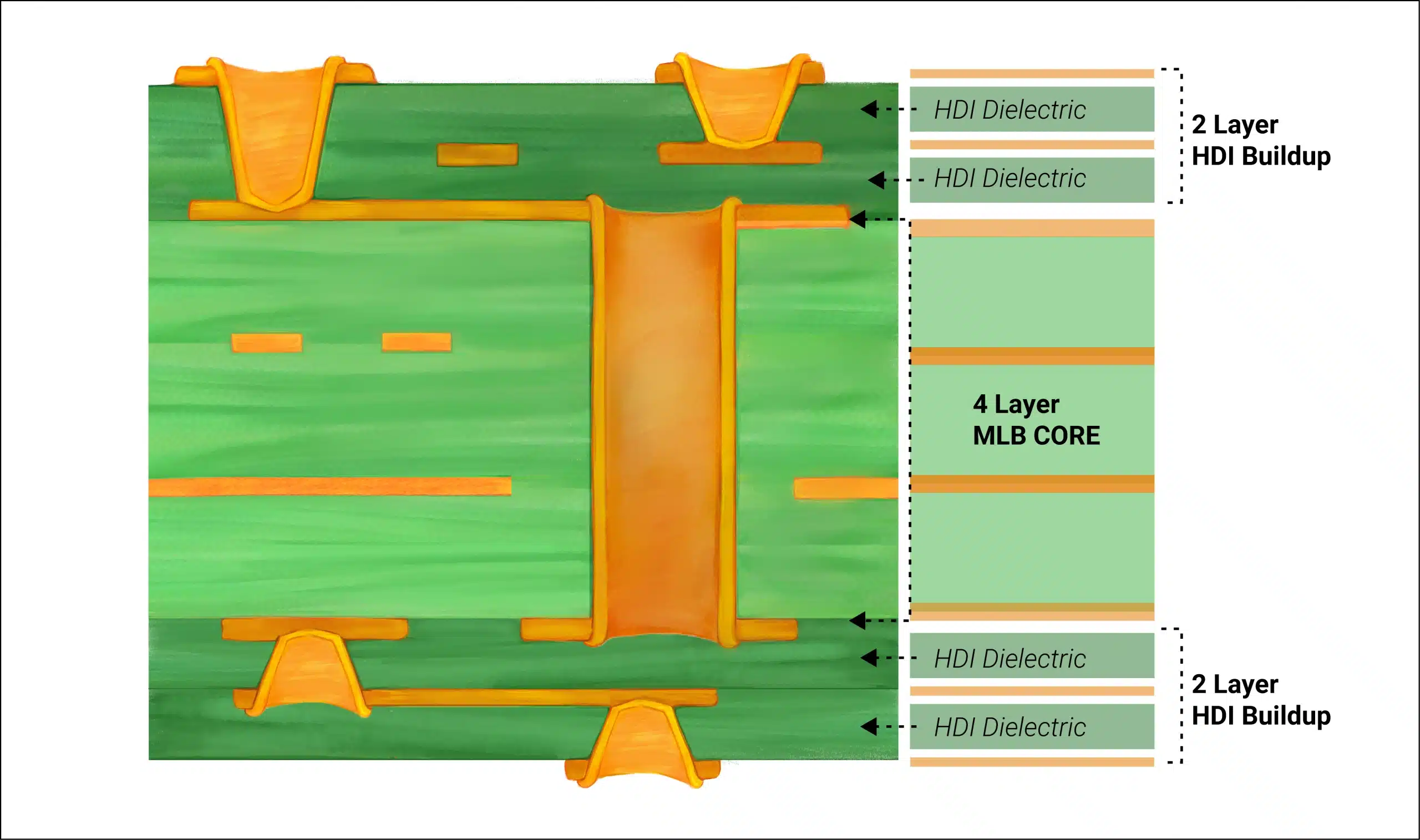
Improved surface finishes, such as ENIG or OSP, enhance solderability and wire bondability for fine-pitch components. Factories adhere to IPC-A-600K criteria for visual and dimensional acceptability, catching issues early. Plasma cleaning and direct imaging photoresists boost resolution for 2/2 mil line-space patterns. Sustainability efforts include reverse lamination to reuse cores and water-based chemistries. Electrical engineers benefit from these methods by designing boards that handle gigabit speeds with low crosstalk. Overall, these innovations extend rigid PCB capabilities into high-performance realms previously reserved for substrates.
Suggested Reading: Mastering Rigid PCB Design: A Comprehensive Guide for Beginners
Emerging Applications Fueling Rigid PCB Demand
Automotive electrification drives demand for rigid PCBs in battery management systems and inverters, where thick copper and insulated metal substrates manage high currents. In telecommunications, rigid boards with low-loss dielectrics support 5G antennas and routers, handling millimeter-wave signals. Data centers and AI servers require multilayer rigid PCBs for high-speed backplanes, incorporating back-drilling to eliminate stubs. Aerospace applications leverage high-reliability materials for avionics, enduring vibration and altitude changes. Medical devices use rigid PCBs for imaging equipment, prioritizing biocompatibility and precision routing.
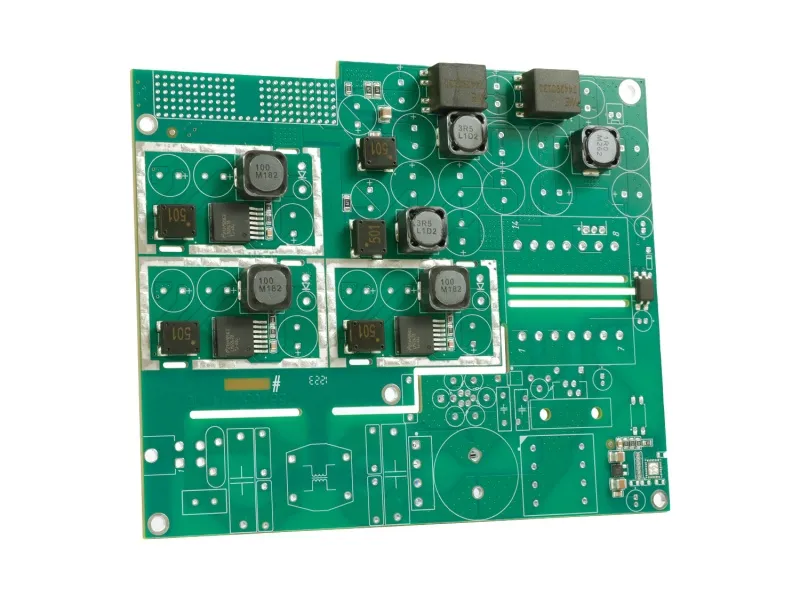
Industrial automation integrates rigid PCBs in PLCs and motor drives, benefiting from robust enclosures and conformal coatings. Consumer electronics maintain rigid cores for motherboards, evolving with HDI for smartphones and laptops. These applications underscore rigid PCBs' versatility, adapting to power, speed, and environmental needs. Engineers optimize stackups for impedance control in high-speed links. Factory insights reveal growing multilayer counts, averaging 12-20 layers in advanced designs. The future of rigid PCBs lies in hybrid integration with sensors and passives.
Rigid PCB Market Analysis: Growth Drivers and Challenges
Rigid PCB market analysis reveals steady expansion fueled by electrification, connectivity, and computing demands. Key drivers include the proliferation of electric vehicles, 5G infrastructure, and edge AI processing, necessitating advanced rigid boards. Supply chain diversification mitigates risks from raw material fluctuations, promoting regional manufacturing hubs. Sustainability pressures accelerate adoption of recyclable substrates and energy-efficient processes. Challenges like rising copper costs and skilled labor shortages prompt automation investments. Despite these, rigid PCBs retain market leadership due to their proven reliability.
JEDEC J-STD-020E guidelines influence designs by classifying moisture sensitivity, preventing reflow defects in humid environments. Engineers conduct rigid PCB market analysis by evaluating layer complexity against cost targets. Future outlook points to integration with photonics and quantum systems, demanding ultra-stable materials. Balancing innovation with standards ensures long-term viability.
Best Practices for Electrical Engineers
Select materials based on operating temperature and frequency requirements, simulating CTE mismatch early. Design HDI stackups with symmetric builds to avoid bow and twist, verifying via IPC-6012E metrics. Incorporate test points and fiducials for automated optical inspection. Optimize via fanout for BGA packages, minimizing stub lengths in high-speed signals. Collaborate with fabricators on DFM reviews to refine drill and etch parameters. These practices enhance yield and performance in production.
Conclusion
Rigid PCB industry trends 2024 and beyond emphasize materials with superior thermal and electrical properties, fabrication techniques enabling HDI densities, and applications in high-stakes sectors. Electrical engineers can leverage these advancements for reliable, compact designs. Staying aligned with standards like IPC-6012E ensures quality amid evolving demands. The future of rigid PCBs promises continued innovation, solidifying their role in electronics evolution.
FAQs
Q1: What are the key rigid PCB industry trends 2024 for high-speed applications?
A1: High-density interconnects and low-loss materials dominate, enabling gigabit signals with minimal attenuation. Engineers prioritize blind vias and controlled impedance stackups. Compliance with IPC standards verifies signal integrity. These trends support 5G and AI hardware effectively.
Q2: How do rigid PCB technology advancements impact automotive designs?
A2: Advancements like thick copper and metal-backed substrates handle high currents in EVs. Low CTE reduces warpage under thermal cycling. HDI allows compact power modules. Factory processes ensure reliability per IPC-A-600K. This drives efficient, durable systems.
Q3: What does rigid PCB market analysis suggest for future growth?
A3: Growth stems from EVs, telecom, and data centers demanding multilayer HDI boards. Sustainability pushes halogen-free materials. Engineers forecast higher layer counts and finer features. Standards guide qualification for emerging apps.
Q4: What role do standards play in rigid PCB technology advancements?
A4: Standards like IPC-6012E define qualification for performance under stress. They ensure consistency in materials and processes. JEDEC J-STD-020E manages moisture risks in assembly. This fosters reliable innovations across factories.
References
IPC-6012E — Qualification and Performance Specification for Rigid Printed Boards. IPC, 2015
IPC-A-600K — Acceptability of Printed Boards. IPC, 2020
JEDEC J-STD-020E — Moisture/Reflow Sensitivity Classification. JEDEC, 2014