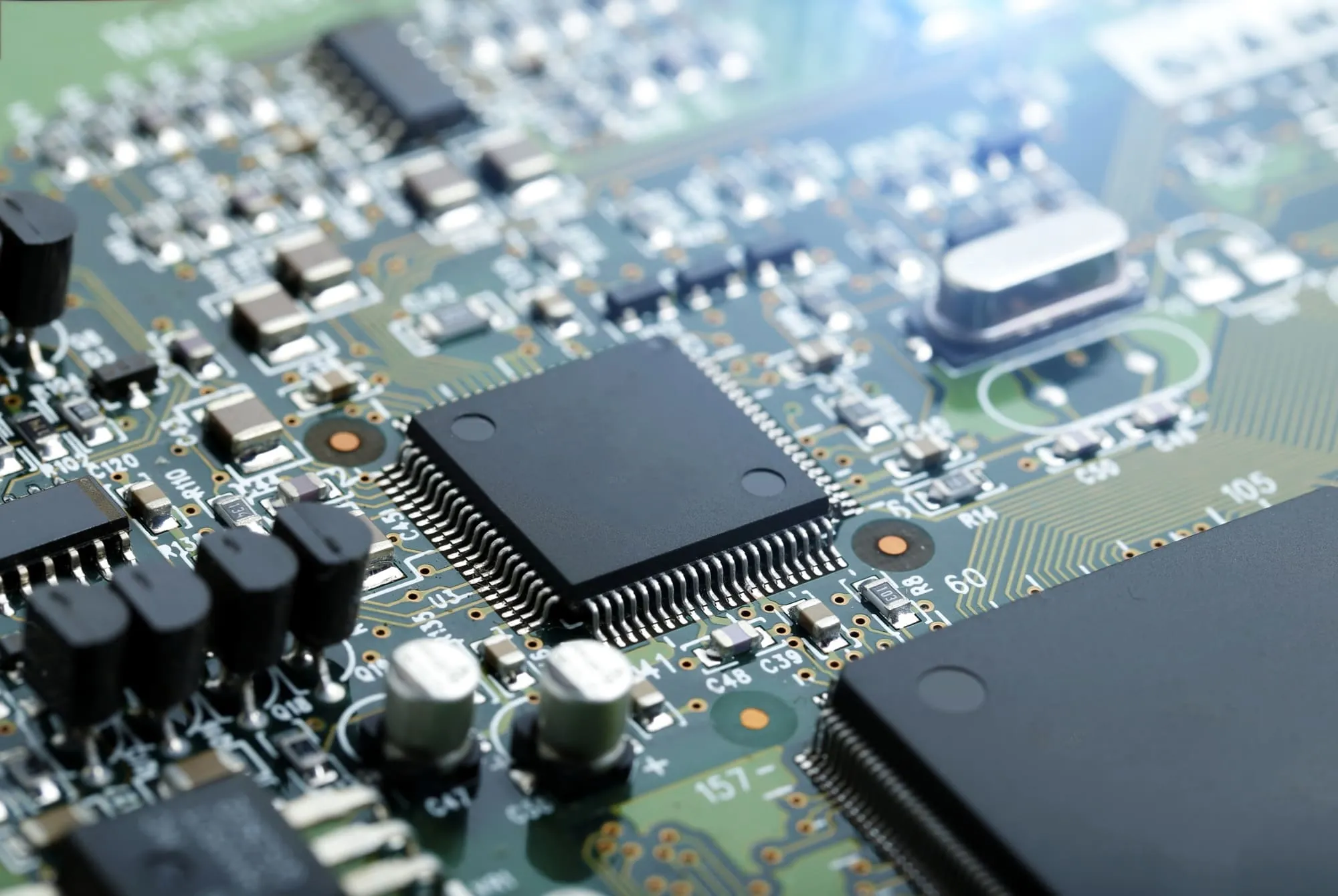
ai-accelerator-pcb
AI accelerator PCBs represent a specialized category of printed circuit boards engineered to support the demanding requirements of artificial intelligence hardware. These boards integrate high-performance components such as neural processing units, GPUs, and custom ASICs, enabling efficient data processing for machine learning tasks, deep neural networks, and real-time inference. For engineers and developers searching for AI Accelerator PCB resources, this tag compiles essential information on design principles, component selection, and fabrication techniques tailored to accelerate AI workloads. Understanding these elements is crucial for creating systems that handle massive parallel computations while minimizing latency and power consumption. Practical applications of AI accelerator PCBs span edge computing devices, autonomous vehicles, and data center servers, where optimized layouts ensure signal integrity and thermal management. Best practices include multilayer board designs to reduce electromagnetic interference, strategic placement of decoupling capacitors for stable power delivery, and the use of high-speed interfaces like PCIe or NVLink for seamless integration with host systems. Users can gain actionable insights into prototyping with tools such as KiCad or Altium Designer, along with guidelines for compliance with standards like IPC-6012 for reliability in high-stakes environments. These approaches help mitigate common challenges, such as overheating during intensive AI training sessions or signal degradation in dense interconnects. Delving into the articles under this tag offers detailed case studies and tutorials that build on these foundations, providing step-by-step strategies for customizing PCBs to specific AI frameworks like TensorFlow or PyTorch. Whether you are scaling up from prototypes to production or troubleshooting existing designs, the content here equips you with the knowledge to enhance performance and innovation in AI-driven electronics.
Technical Articles
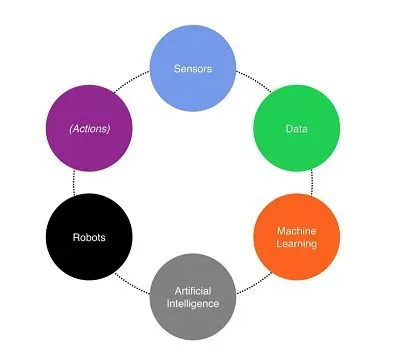
How Sensors, Big Data, ML, AI and Robots Interact
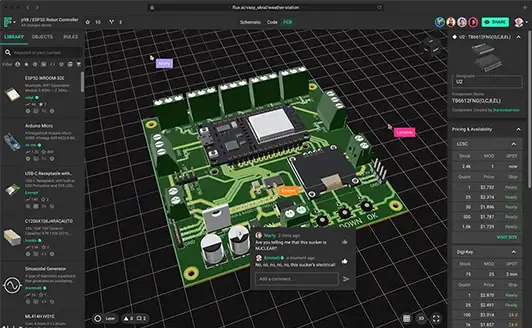
AI Accelerator PCBs in Edge Computing: Design Considerations for Harsh Environments
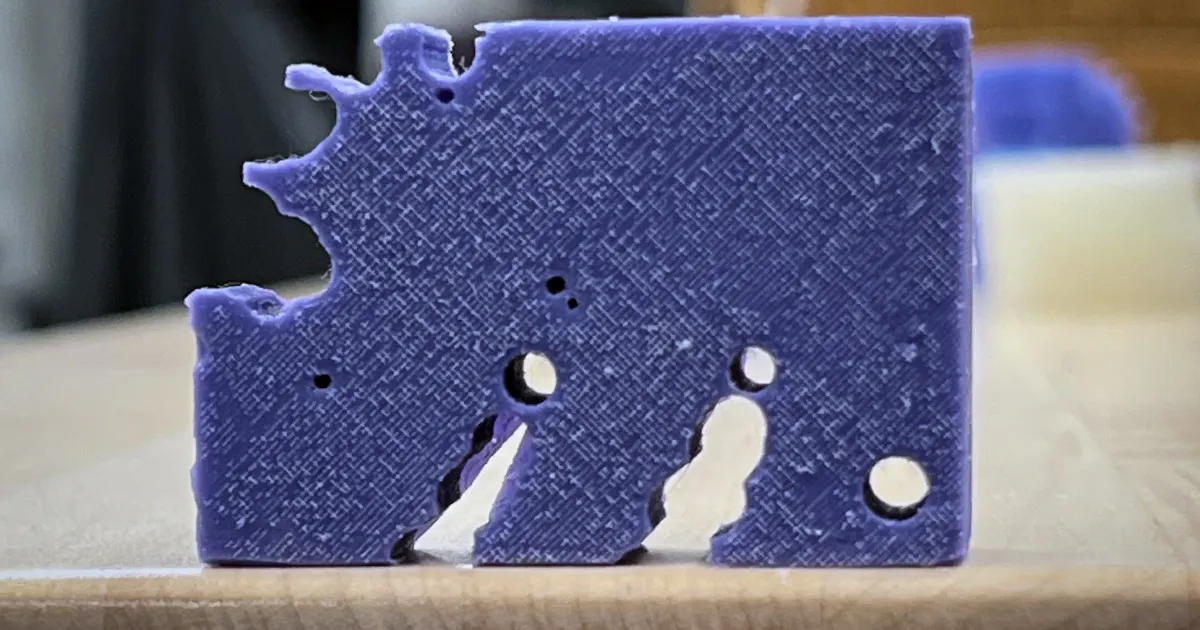
AI Designs Robots From Scratch

How Is China Telecom Advancing Its Large Language Models?

Fundamentals and Types of AI Foundation Software

China's AI Development: Status and Challenges

Patterns and Challenges in AI Chip Design

Eight Video Surveillance Technology Trends
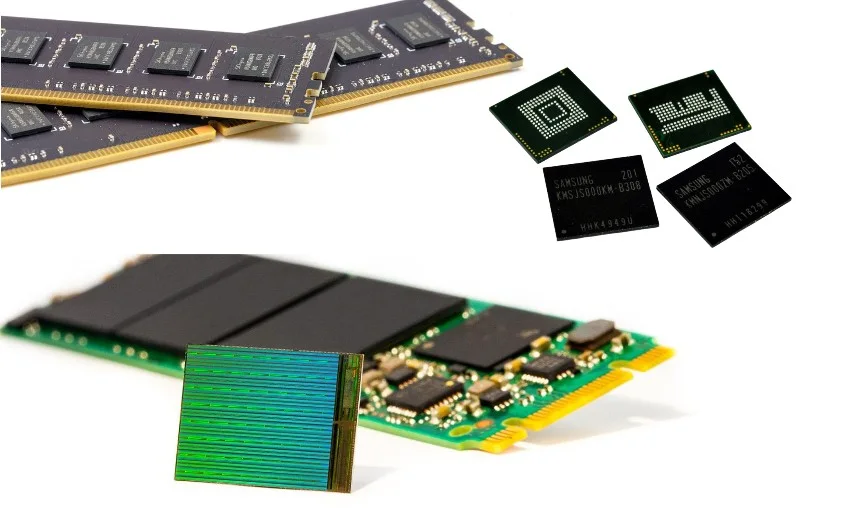
Selecting Memory Types for In-Memory Computing Chips
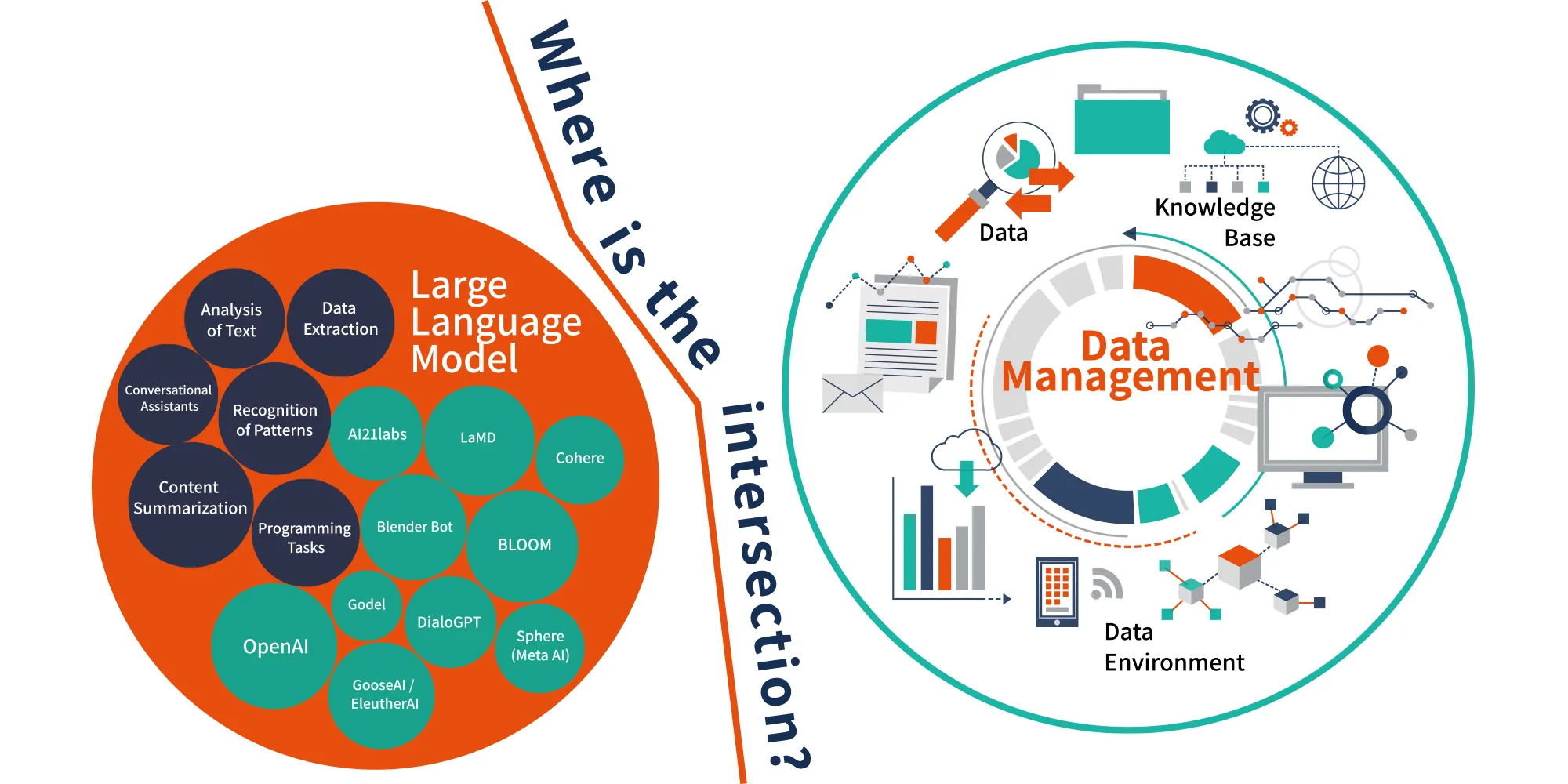
How Large Language Models Impact Data Storage
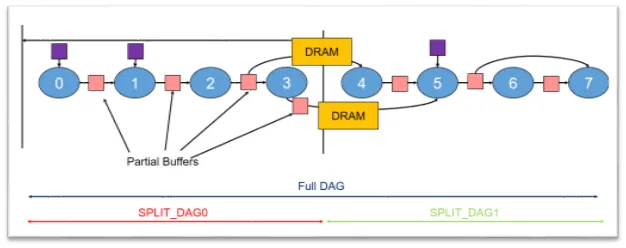
Approaches to the Memory Wall in the High-Compute Era

AI-Powered PCB Design: How Machine Learning is Revolutionizing Layout in 2025/2026
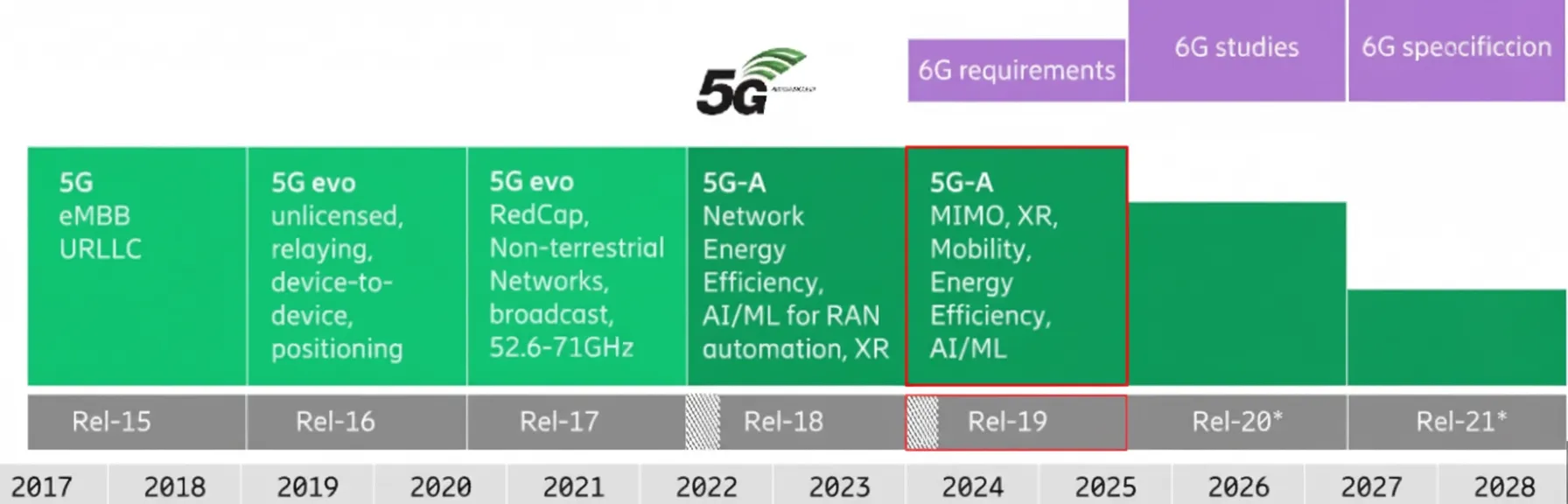
Ericsson on 3GPP Release 19
Get in Touch
Send Message
- Products & Service
- Company
- About AIVON
- Contact
- News
- Blog
- Certification
-


- Payment
-


2026 AIVON.COM All Rights Reserved