Silkscreen Fonts
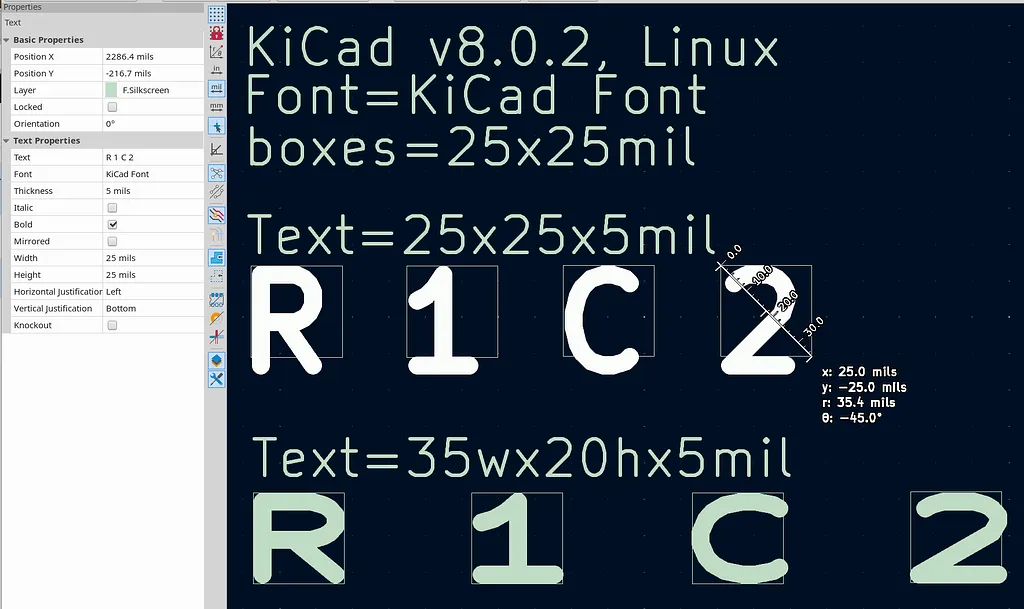
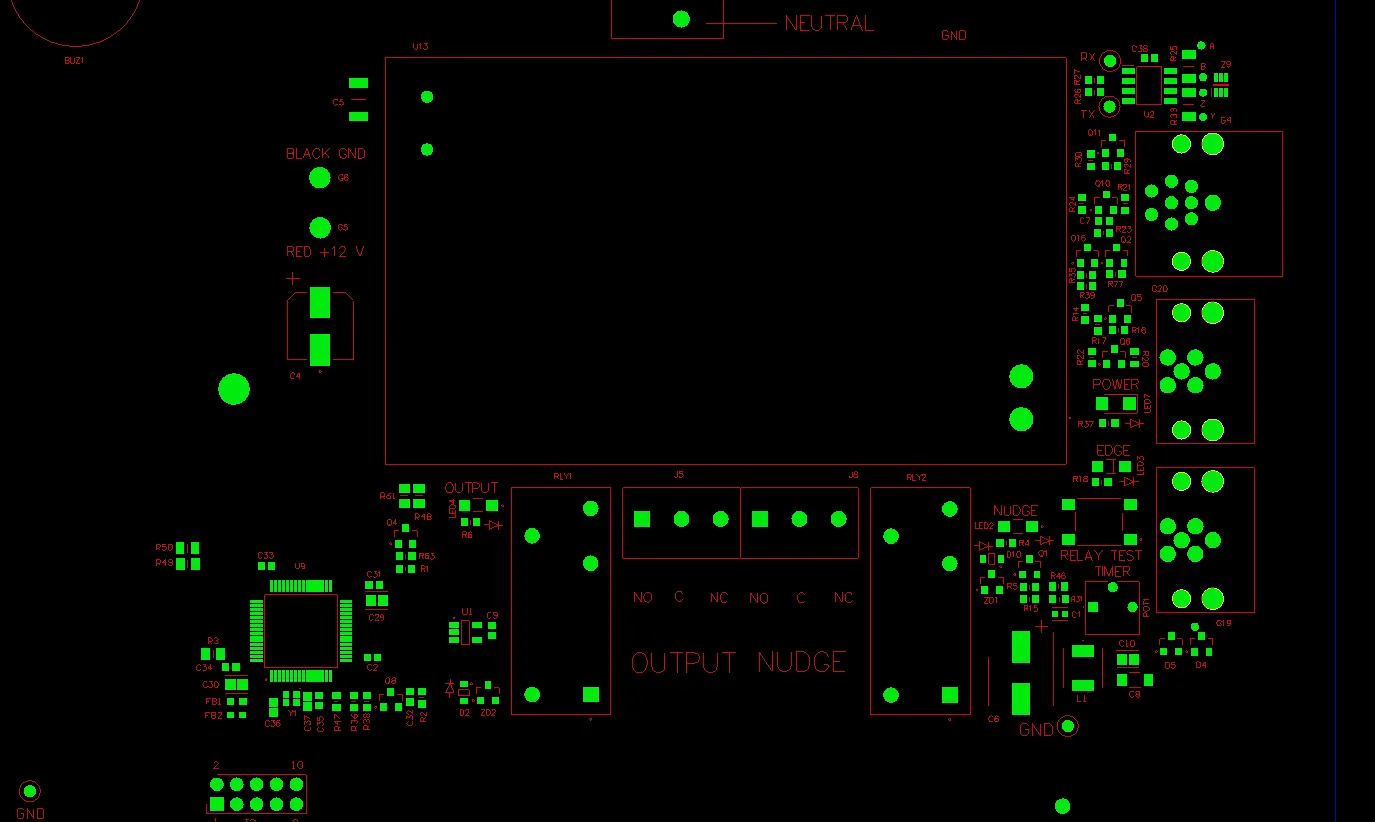
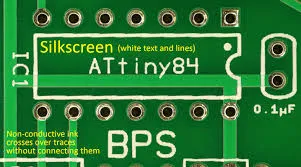
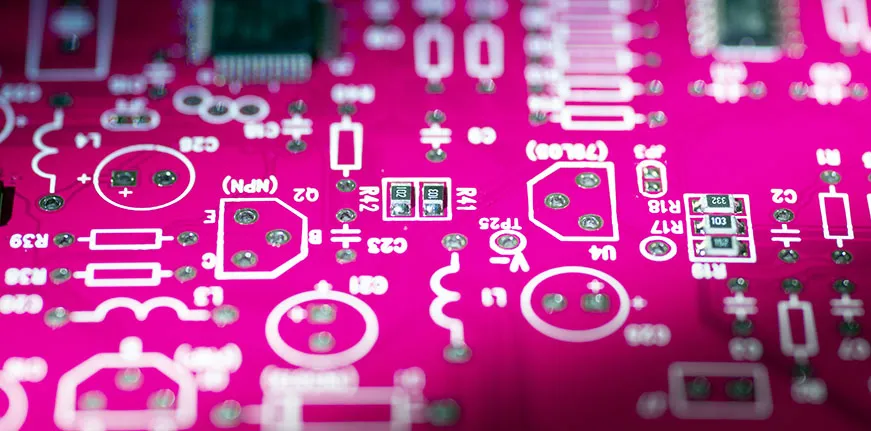
Silkscreen fonts play a crucial role in printed circuit board (PCB) design, serving as the textual and symbolic elements printed on the board's surface to convey essential information such as component labels, reference designators, polarity markers, and assembly instructions. These fonts must balance legibility, space efficiency, and manufacturability, as they directly impact the ease of PCB assembly, troubleshooting, and maintenance. For engineers and designers searching for "Silkscreen Fonts," this tag aggregates resources that delve into the specifics of selecting and implementing fonts that adhere to industry standards like IPC-7351, ensuring compatibility with fabrication processes such as screen printing or inkjet methods. Understanding the practical applications of silkscreen fonts begins with recognizing common challenges, including font size limitations imposed by PCB trace widths and solder mask clearances. Optimal choices often favor sans-serif styles like Arial or Helvetica for their clean lines and resistance to smudging during production, while vector-based fonts ensure scalability without loss of quality. Best practices include maintaining a minimum stroke width of 0.15mm to prevent blurring, incorporating sufficient spacing between characters to avoid merging, and testing fonts in CAD software like KiCad or Eagle for real-world preview. By prioritizing readability under various lighting conditions and during automated optical inspection (AOI), designers can reduce errors in high-volume manufacturing and enhance overall board reliability. Articles under this tag offer detailed insights into customizing fonts for specific PCB layouts, from multilayer boards to flexible circuits, and provide tips on avoiding pitfalls such as overly ornate fonts that complicate etching or increase costs. Whether you are optimizing for dense component placement or ensuring compliance with regulatory markings, these resources equip you with the knowledge to elevate your PCB designs. Readers interested in related topics might find value in exploring connected discussions on silkscreen layer optimization or PCB annotation techniques to further refine their projects.
Technical Articles
Get in Touch
Send Message
- Products & Service
- Company
- About AIVON
- Contact
- News
- Blog
- Certification
-


- Payment
-


2026 AIVON.COM All Rights Reserved