Thermal Conduction
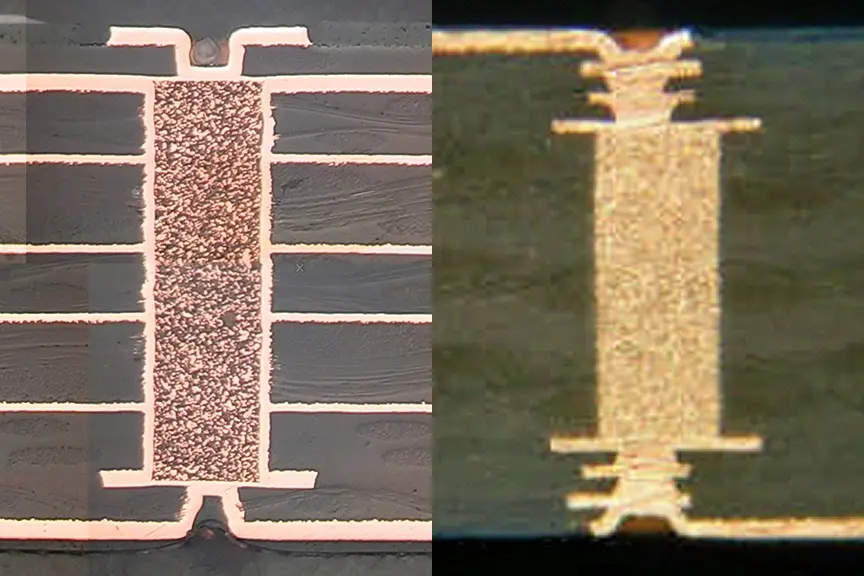
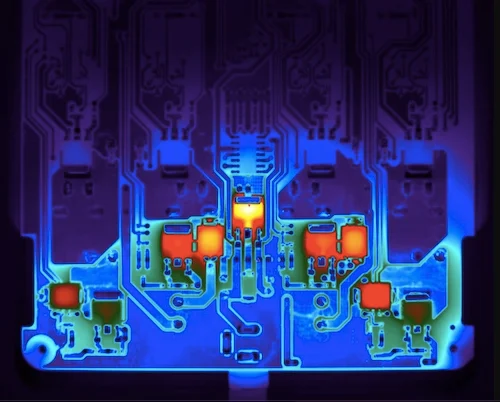
Thermal conduction plays a pivotal role in the design and performance of printed circuit boards (PCBs) and electronic systems, referring to the process by which heat transfers through solid materials without any movement of the material itself. In electronics, effective thermal conduction ensures that heat generated by components like processors, power transistors, and LEDs is efficiently dissipated, preventing overheating that could lead to reduced efficiency, component failure, or shortened device lifespan. For engineers, hobbyists, and professionals searching for insights on thermal conduction, this tag aggregates resources that delve into the principles governing heat flow, material properties, and strategies to optimize thermal management in PCB layouts. Understanding thermal conduction begins with key concepts such as thermal conductivity coefficients, where materials like copper and aluminum excel due to their high ability to conduct heat. Practical applications include incorporating thermal vias in multilayer PCBs to create low-resistance paths for heat to move from hot spots to heat sinks or the ambient environment. Best practices emphasize selecting substrates with appropriate thermal properties, such as FR-4 with enhanced fillers or metal-core PCBs for high-power applications, and simulating heat distribution using tools like finite element analysis to predict and mitigate thermal hotspots. By applying these techniques, designers can achieve reliable operation in demanding environments, from consumer electronics to automotive and aerospace systems. Articles under the Thermal Conduction tag provide detailed case studies and tutorials on implementing these strategies, offering step-by-step guidance for calculating thermal resistance, integrating passive cooling elements, and complying with industry standards like IPC-2152 for trace heating. Whether you are troubleshooting thermal issues in an existing design or planning a new prototype, these resources equip you with the knowledge to enhance system reliability and performance through informed thermal design decisions.
Technical Articles
Get in Touch
Send Message
- Products & Service
- Company
- About AIVON
- Contact
- News
- Blog
- Certification
-


- Payment
-


2026 AIVON.COM All Rights Reserved