 00:52
00:52
Through-Hole Types
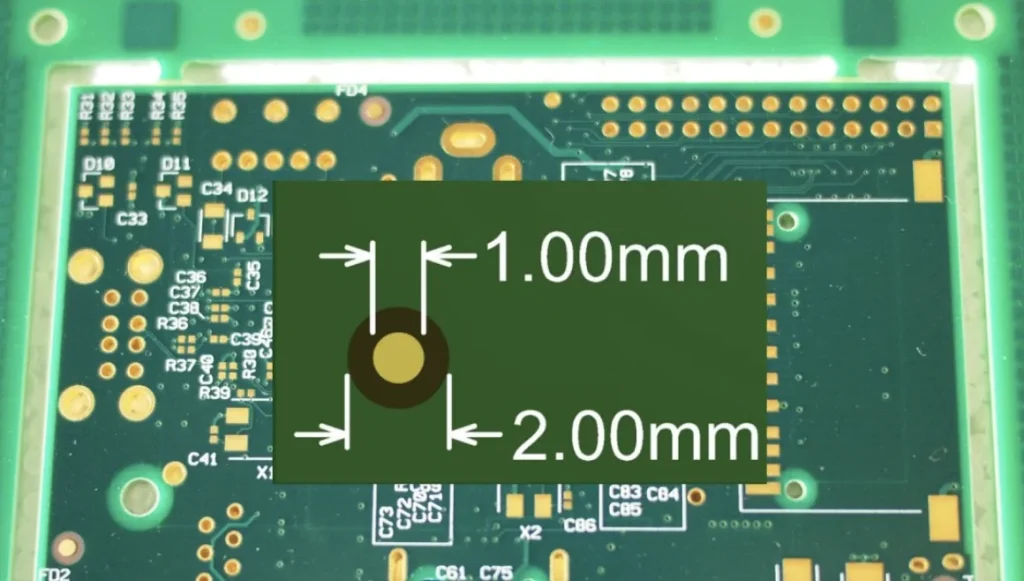
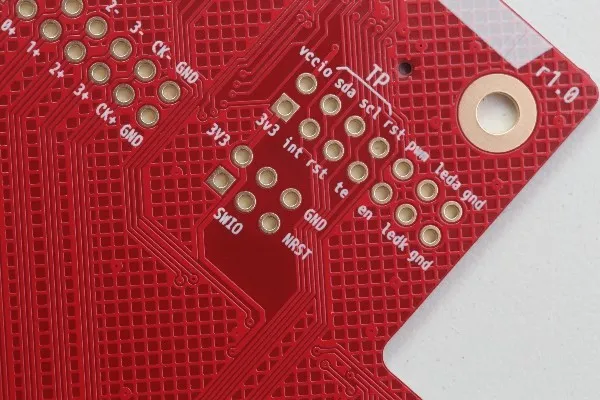
Through-hole technology remains a cornerstone of printed circuit board (PCB) design, offering robust mechanical stability and ease of assembly for a wide range of electronic components. The Through-Hole Types tag gathers in-depth resources on the various categories of through-hole components, including axial-lead resistors, radial capacitors, and pin-through-hole connectors, among others. For engineers, hobbyists, and manufacturers searching for this keyword, understanding these types is essential when selecting components that withstand high mechanical stress, thermal cycling, or frequent repairs, making them ideal for prototypes, power electronics, and legacy systems where surface-mount alternatives may fall short. One key advantage of through-hole types lies in their straightforward soldering process, which allows for manual assembly without specialized equipment. This accessibility proves invaluable in educational settings or small-scale production, where users can achieve reliable connections using basic tools like soldering irons and wave soldering machines. Best practices include ensuring proper hole sizing to match lead diameters, typically ranging from 0.5mm to 1.5mm, to prevent weak joints or board damage. Additionally, incorporating plated through-holes enhances electrical conductivity and durability, especially in multilayer PCBs. By mastering these elements, designers can optimize board layouts for better heat dissipation and signal integrity, reducing failure rates in demanding applications such as automotive electronics or industrial controls. For those delving deeper into specific implementations, the articles linked under this tag provide practical guidance on component selection, assembly techniques, and troubleshooting common issues like cold solder joints. Reviewing these resources can help refine your approach to through-hole integration, whether you are upgrading an existing design or starting a new project from scratch.
Video Guide
Technical Articles