Approaches to the Memory Wall in the High-Compute Era
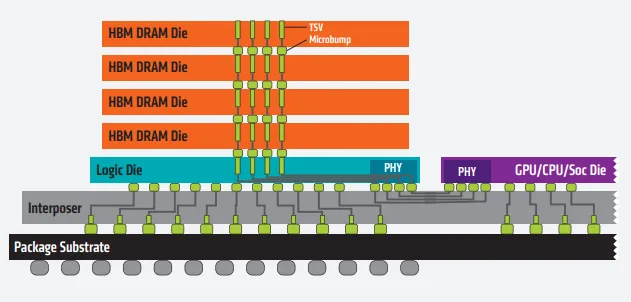
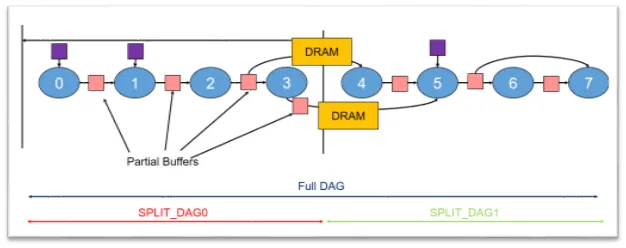
Technical overview of Ambarella CV3 CVflow architecture and tools—partial buffers, parallel streaming, operator acceleration, sparsity and quantization—to mitigate the memory wall.
Memory & Storage Technology forms a cornerstone of modern electronics, encompassing the hardware and methodologies that enable data retention, retrieval, and management in devices ranging from smartphones to enterprise servers. This category delves into the intricate world of memory types such as DRAM, SRAM, and NAND flash, alongside storage solutions like solid-state drives and hard disk drives. By exploring these elements, readers gain a deeper understanding of how they integrate into printed circuit boards and larger systems, influencing performance, reliability, and efficiency in everyday applications. Professionals and enthusiasts alike will find valuable resources here, including detailed guides on selecting the right memory modules for specific projects, tutorials for implementing storage interfaces like PCIe and SATA, and insights into optimizing data throughput in embedded systems. Best practices for error correction, data security, and thermal management are highlighted, drawing from real-world scenarios in industries such as automotive electronics, cloud computing, and IoT deployments. These articles address common challenges, such as mitigating data corruption in high-vibration environments or scaling storage for big data analytics, providing actionable knowledge that bridges theory and practice. As technology evolves, staying informed on advancements like 3D NAND architecture and emerging non-volatile memory options becomes essential for innovation. The content in this category equips you with the tools to navigate these developments, whether designing compact wearables or robust data centers. Reading through the diverse topics offers a comprehensive view of how memory and storage underpin the digital age, fostering better decision-making and technical proficiency in your work.
Technical overview of Ambarella CV3 CVflow architecture and tools—partial buffers, parallel streaming, operator acceleration, sparsity and quantization—to mitigate the memory wall.
Survey of data storage technologies—magnetic, optical and semiconductor—analyzing capabilities, applications and evolution, highlighting NAND flash and HBM trends.
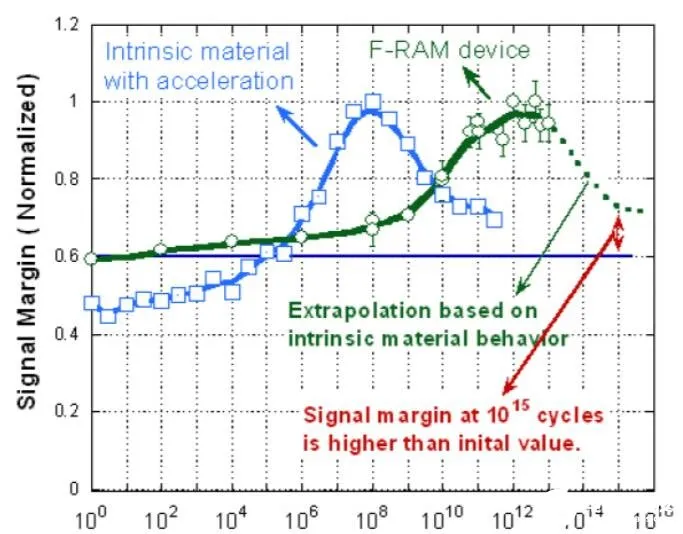
Technical overview of FRAM endurance: fatigue mechanisms, process-node performance (0.13 μm), device/material observations and signal-margin behavior up to 10^15 cycles.
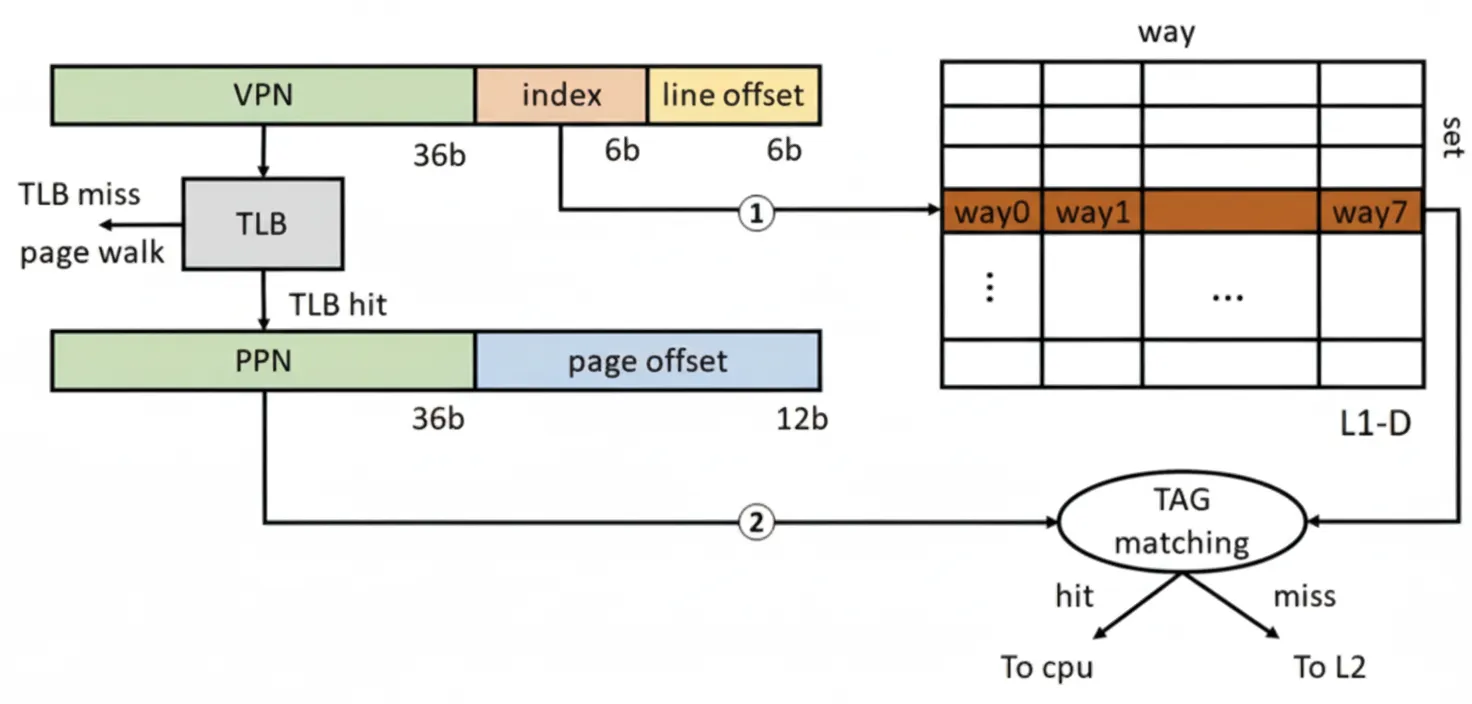
Explains CPU cache within the memory hierarchy: performance bottlenecks, cache evolution (Intel vs Apple M1), locality principles, and L1 cache size versus latency trade-offs.
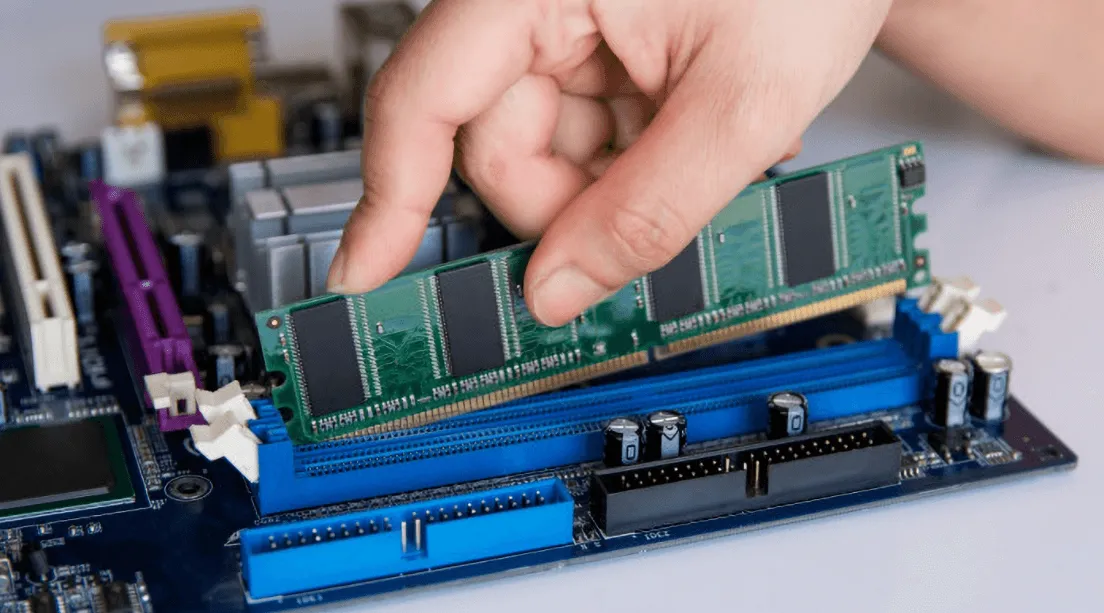
Optimize motherboard PCB design for PC RAM upgrades. Explore DDR5 routing, signal integrity, power delivery networks, cache hierarchy, thermal management, and high-speed layout considerations for reliable high-performance systems.
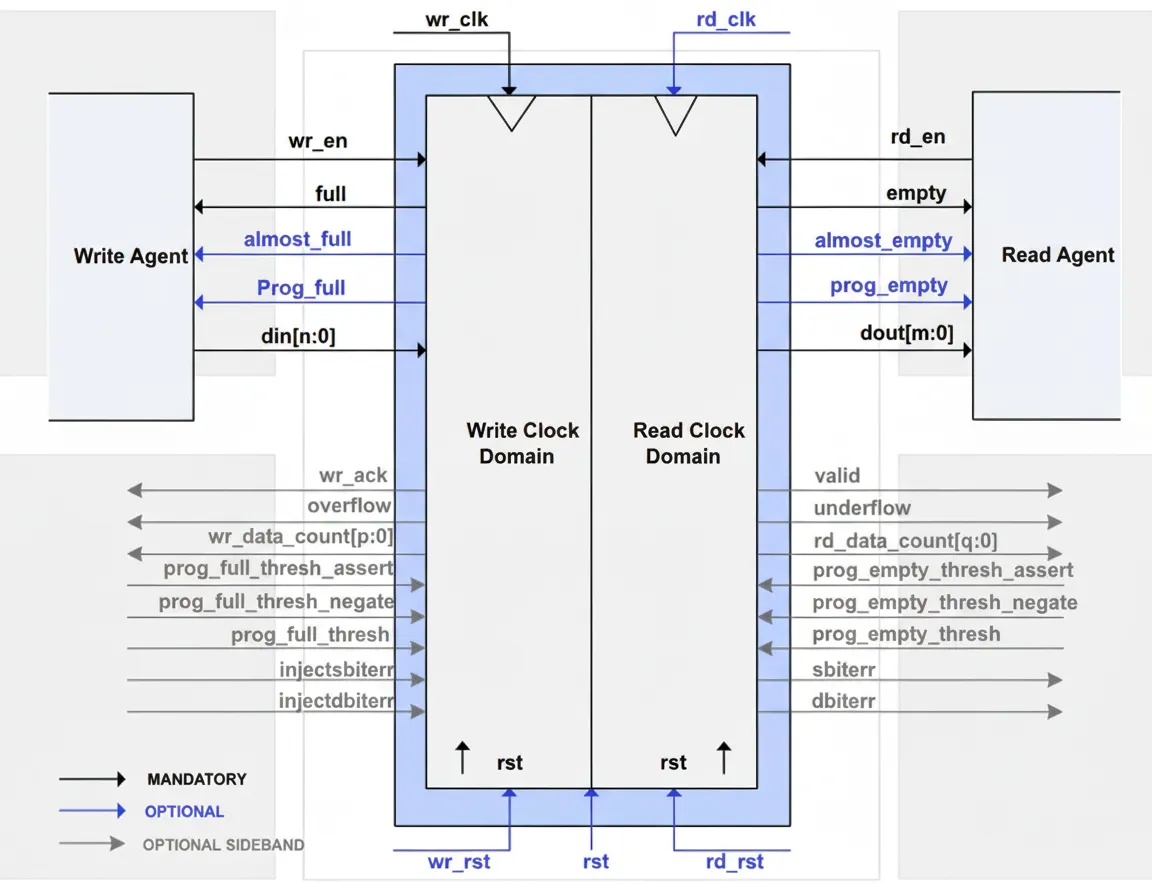
Overview of BRAM in FPGA design: definitions, RAMB36/RAMB18 structure, configurations and common uses as RAM, ROM and FIFO for on-chip memory management.
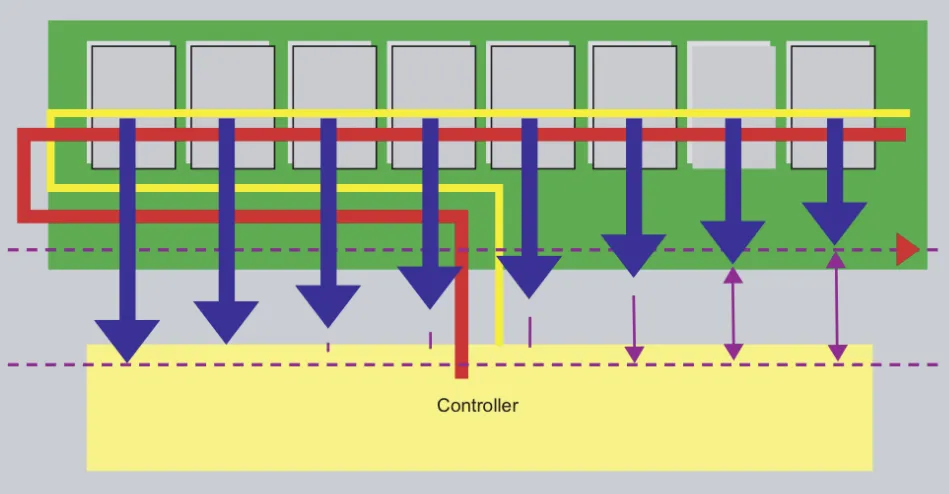
Explains DDR3 naming, chip parameters, clock/data-rate relationships and how to compute theoretical and effective DDR3 bandwidth from chip markings and I/O clock.
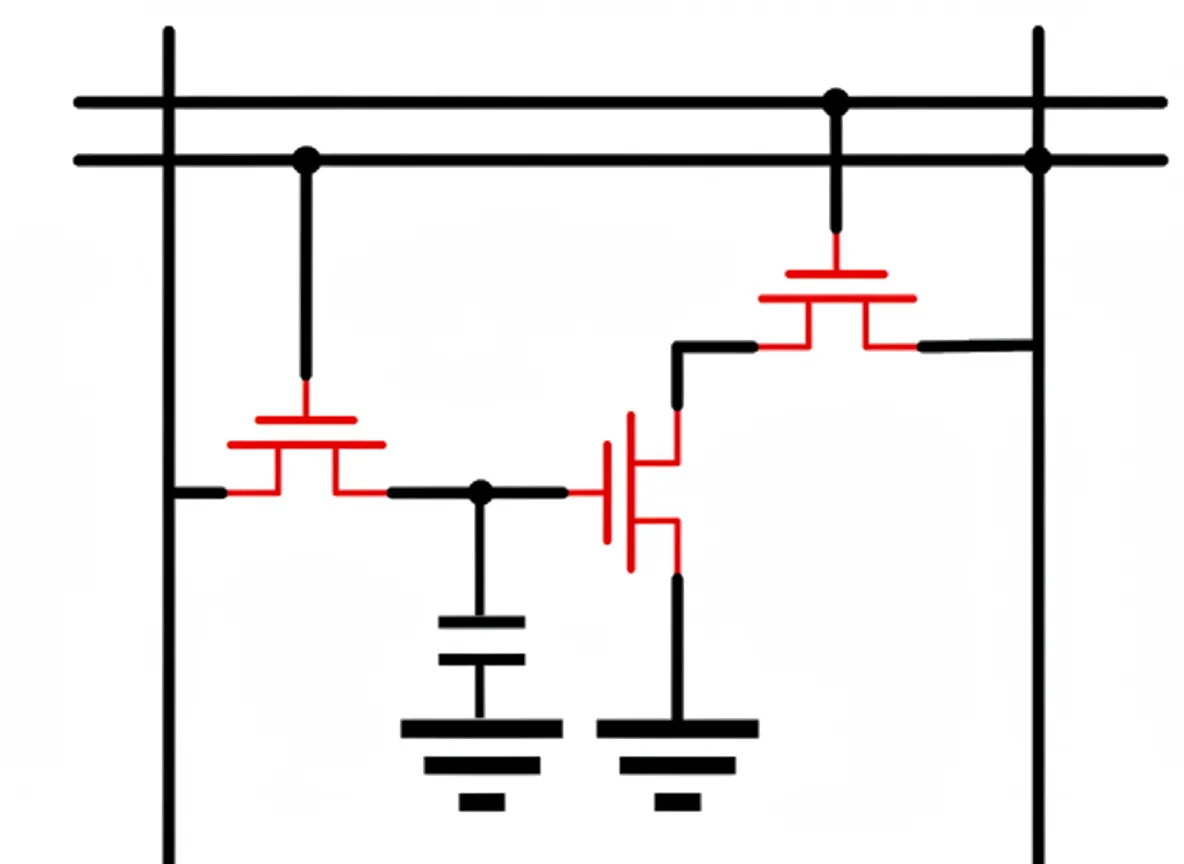
Technical overview of single-transistor DRAM cell operation—store, write, read and refresh—plus practical notes and a DRAM vs SRAM comparison on density, speed, and cost.
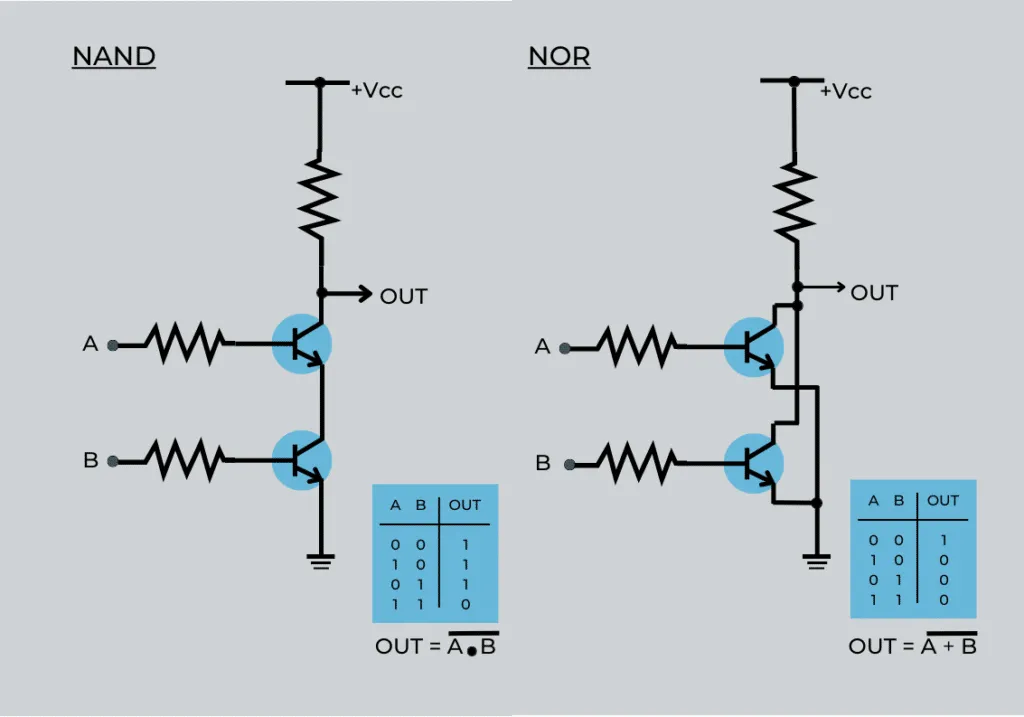
Technical guide to flash memory interfaces and reference circuits, covering NAND flash operation, SPI/NOR wiring, debugging practices, and a concise 3D XPoint overview.
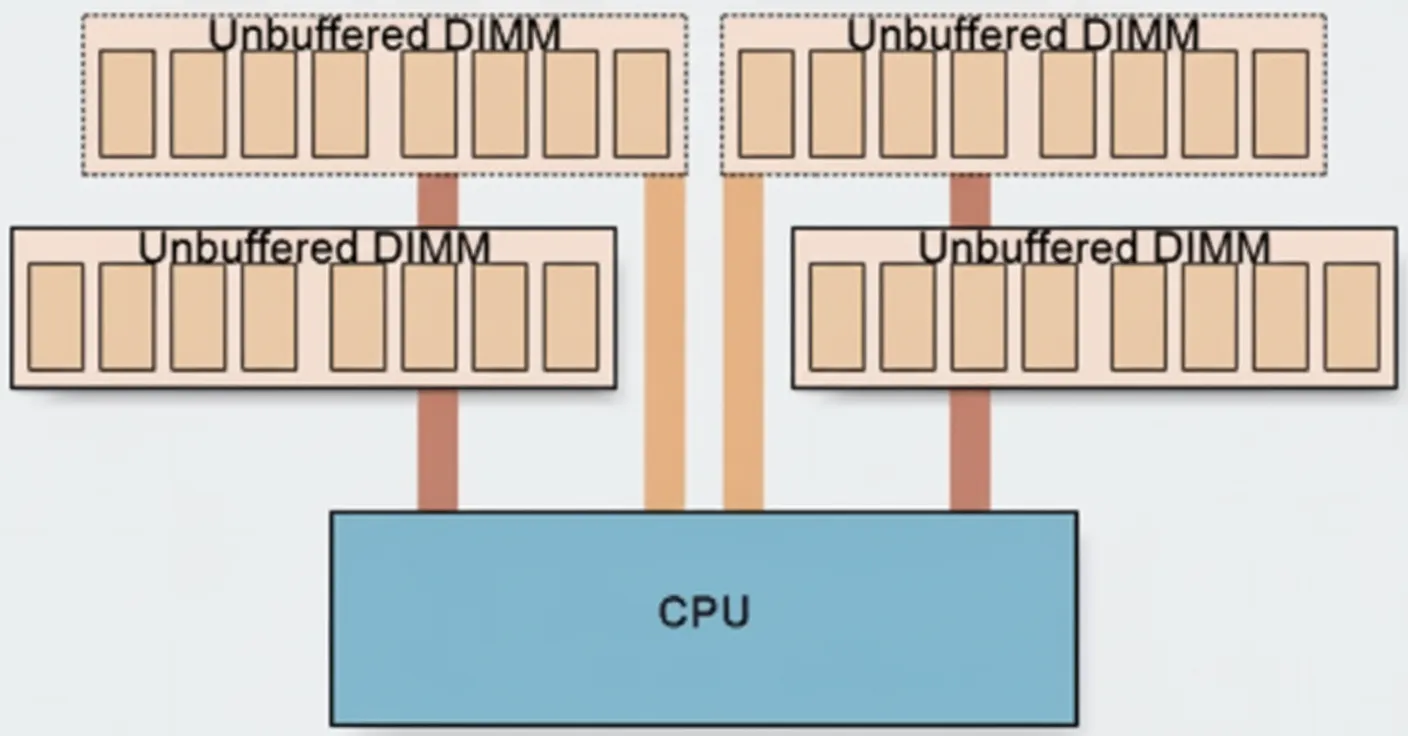
Technical overview of DDR4 advancements, highlighting POD termination, bank-group architecture and point-to-point topology compared with DDR3 for higher speed and lower voltage.
Device teardown finds SK Hynix parts: H58GG6MK6GX037 12GB LPDDR5 DRAM and HN8T25DEHKX077 512GB UFS 3.1, both marked CS and likely entering production around 2021.
Optimize PCB performance with the right memory technology. Explore DDR, LPDDR, HBM, FRAM, and key design factors including signal integrity, thermal management, stack-up, and manufacturability for reliable high-speed systems.