 00:47
00:47
HASL Finish
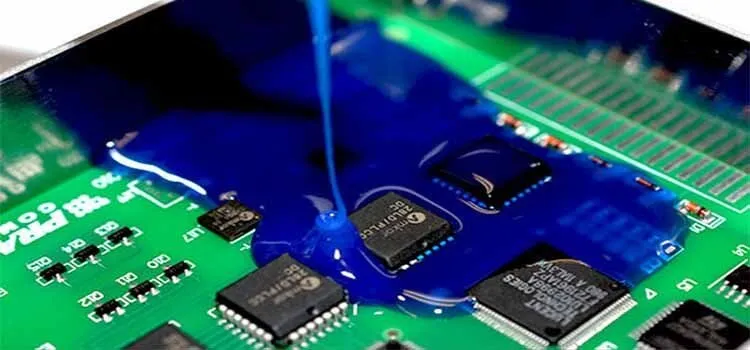
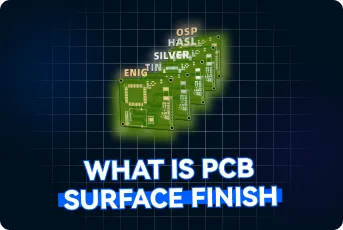
Hot Air Solder Leveling, commonly known as HASL Finish, is a widely adopted surface treatment process in printed circuit board (PCB) manufacturing. This technique involves dipping the PCB into molten solder and then using hot air to level the coating, creating a protective layer over exposed copper traces. For engineers, designers, and hobbyists searching for information on HASL Finish, this tag serves as a centralized resource to understand its role in enhancing solderability, preventing oxidation, and ensuring reliable electrical connections during assembly. One of the primary advantages of HASL Finish is its cost-effectiveness, making it an ideal choice for high-volume production runs where budget constraints are a factor. It provides excellent wetting properties for soldering, which reduces defects like bridging or insufficient joints in through-hole and surface-mount technology applications. However, users should note its limitations, such as potential unevenness on fine-pitch components or thermal stress on the board during the process. In practice, selecting HASL Finish works best for standard consumer electronics, automotive modules, and prototyping where lead-free variants comply with RoHS standards. To apply HASL Finish effectively, consider board thickness, pad size, and environmental factors during design. Best practices include specifying a solder mask to protect non-soldered areas and conducting thorough inspections post-finishing to verify coating uniformity. For those dealing with high-frequency circuits or dense layouts, comparing HASL with alternatives like immersion gold or OSP can inform better decisions. The articles within this HASL Finish tag offer in-depth explorations of these topics, including case studies on implementation and troubleshooting common issues, helping you optimize your PCB projects with proven strategies.
Video Guide
-
00:47
Technical Articles
Tented Via vs Open Via Conflict Resolved in 2-Layer FR4 PCB
The Impact of Surface Finish on Thick PCB Reliability and Solderability
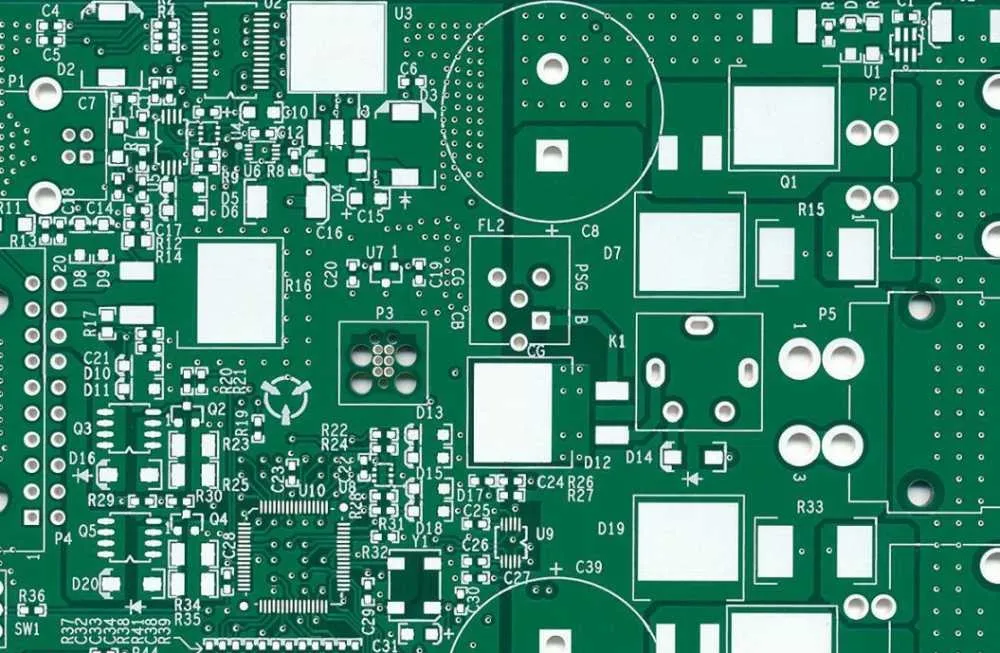
Troubleshooting and Repairing Common PCB Surface Finish Defects
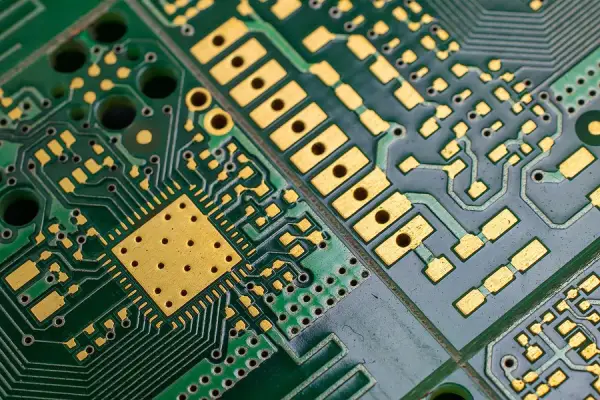
The Impact of PCB Surface Finish on Railway Electronics Reliability
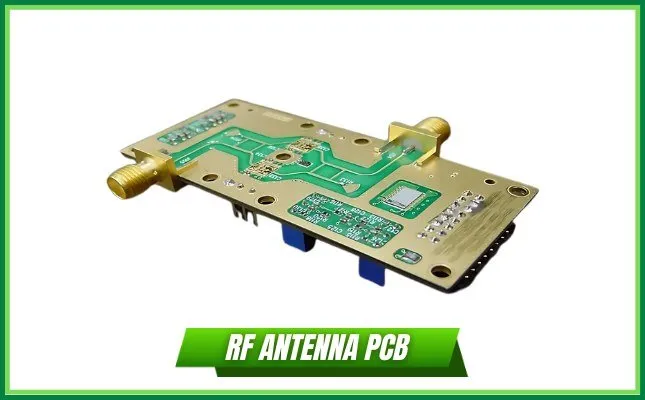
Optimizing RF PCB Performance: The Crucial Role of Surface Finish Selection
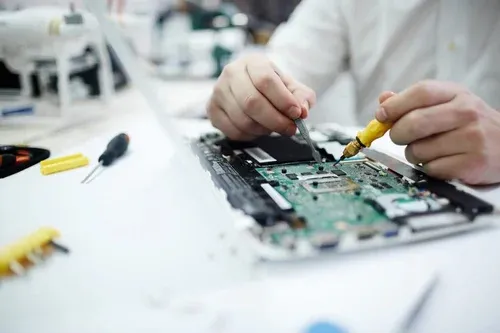
Troubleshooting & Repairing Common PCB Surface Finish Defects
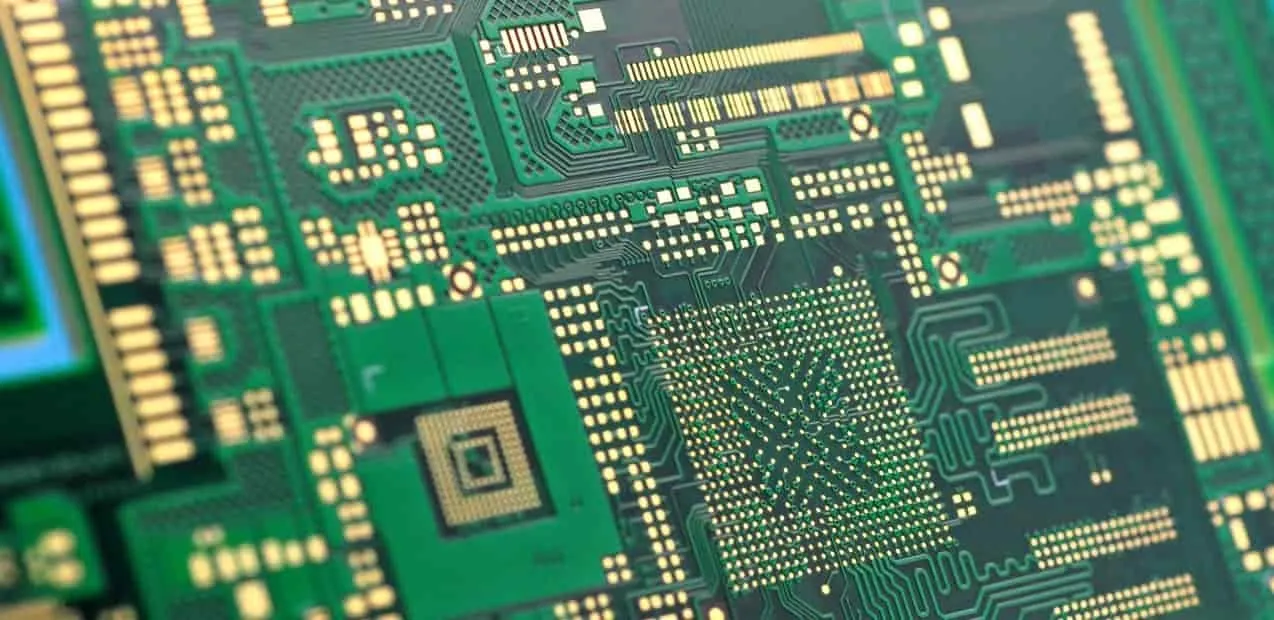
Advanced Surface Finishes: Choosing the Right Option for PCB Mass Production
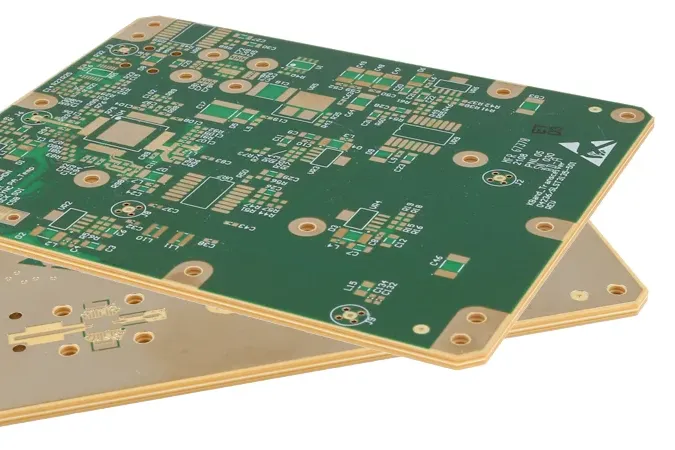
The Complete Guide to FR-4 Material Finishes for Optimal Performance
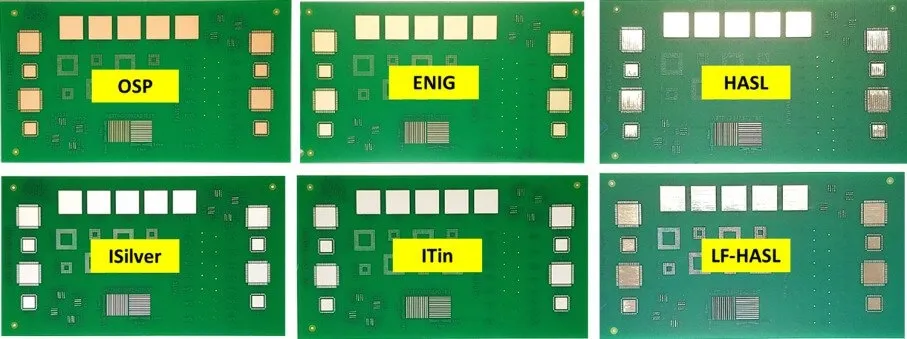
Exploring Different Finishes for FR 4 PCBs: HASL, ENIG, and More
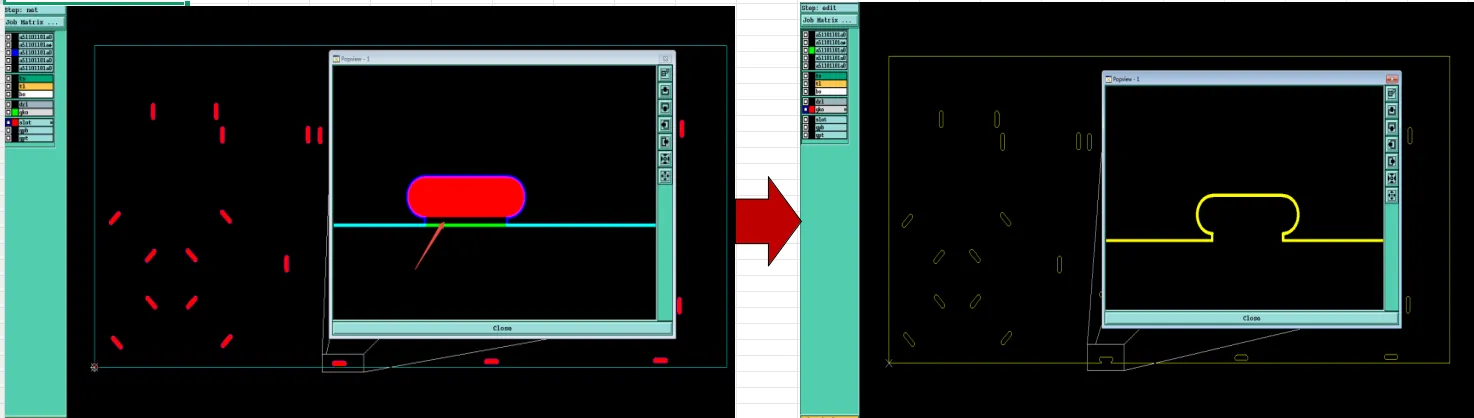
1-Layer PCB DFM Guide: Handling Empty Layers & Slot Clearance
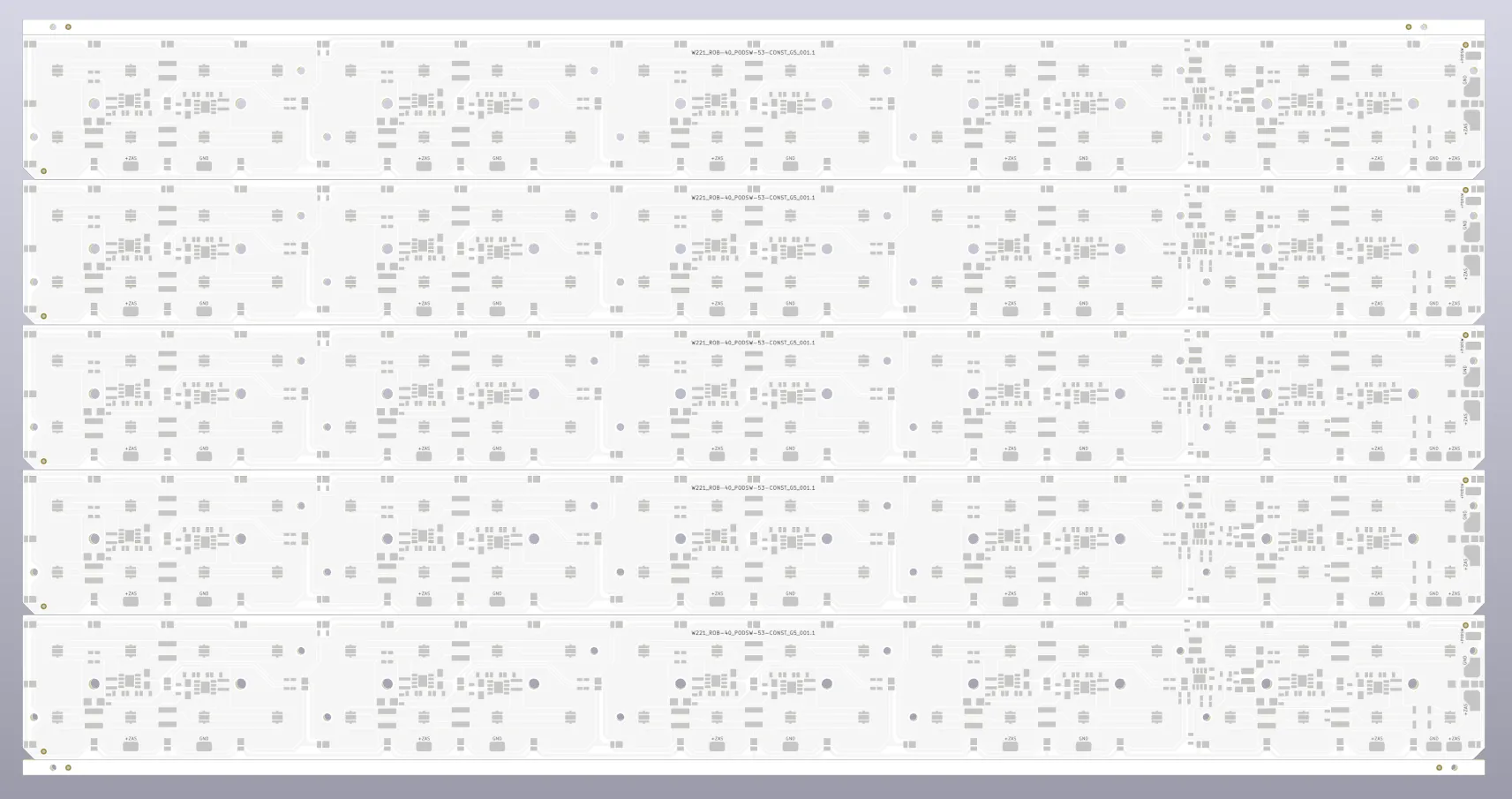
Common Manufacturing Issues in HASL and OSP Aluminum PCB Design
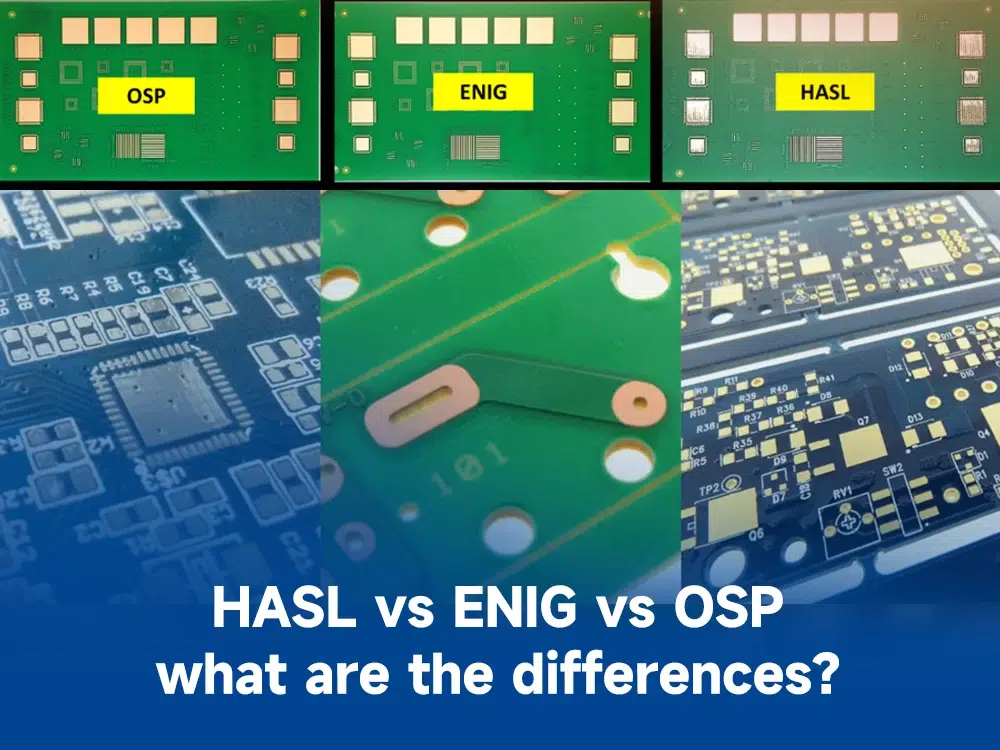
FR4 PCB Surface Finish Guide: ENIG vs HASL vs OSP DFM Issues and Engineering Queries