High Temp Laminates
High temp laminates are specialized materials designed for printed circuit boards (PCBs) that must operate reliably in extreme thermal environments. These laminates, often based on advanced resins like polyimide or PTFE, offer superior heat resistance, typically enduring temperatures above 150°C without degrading. For engineers and designers searching for solutions to thermal management challenges, this tag serves as a comprehensive resource, covering everything from material properties to selection criteria tailored to demanding applications. Understanding high temp laminates is crucial in industries such as aerospace, automotive, and telecommunications, where components face prolonged exposure to high heat, vibration, and harsh conditions. For instance, in automotive electronics, these materials prevent warping or delamination in engine control units, ensuring long-term performance and safety. Key benefits include low thermal expansion coefficients, excellent dielectric strength, and resistance to chemical degradation, which help maintain signal integrity and structural stability. When selecting high temp laminates, prioritize factors like glass transition temperature (Tg), coefficient of thermal expansion (CTE), and compatibility with lead-free soldering processes to avoid common pitfalls such as thermal cycling failures. Practical applications extend to high-power RF devices and military hardware, where these laminates enable denser circuit designs without compromising reliability. Best practices involve conducting thorough thermal simulations early in the design phase and partnering with certified suppliers to verify material certifications like UL 94 V-0 for flame retardancy. By focusing on these elements, you can optimize PCB longevity and reduce rework costs. The articles within this High Temp Laminates tag provide in-depth analyses and case studies to guide your projects. Reviewing them can help you identify the most suitable materials for specific thermal profiles and integrate them effectively into your designs.
Technical Articles
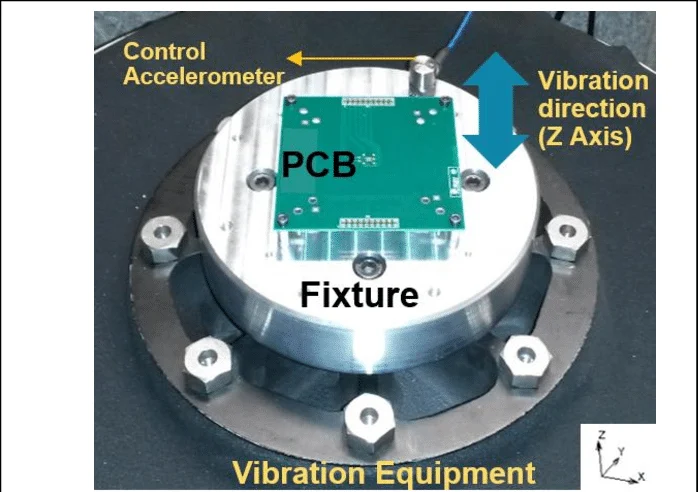
Designing for Reliability: Best Practices for ECU PCBs in Harsh Environments
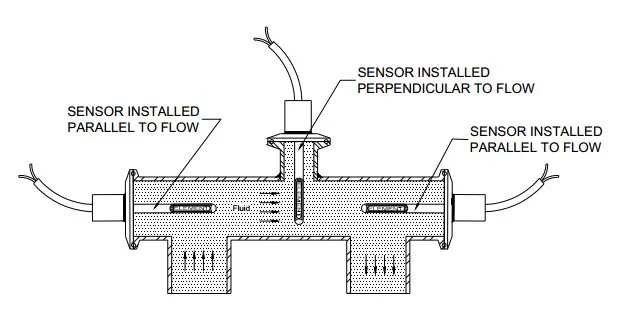
RTD Sensor Operation, Installation, and Precautions
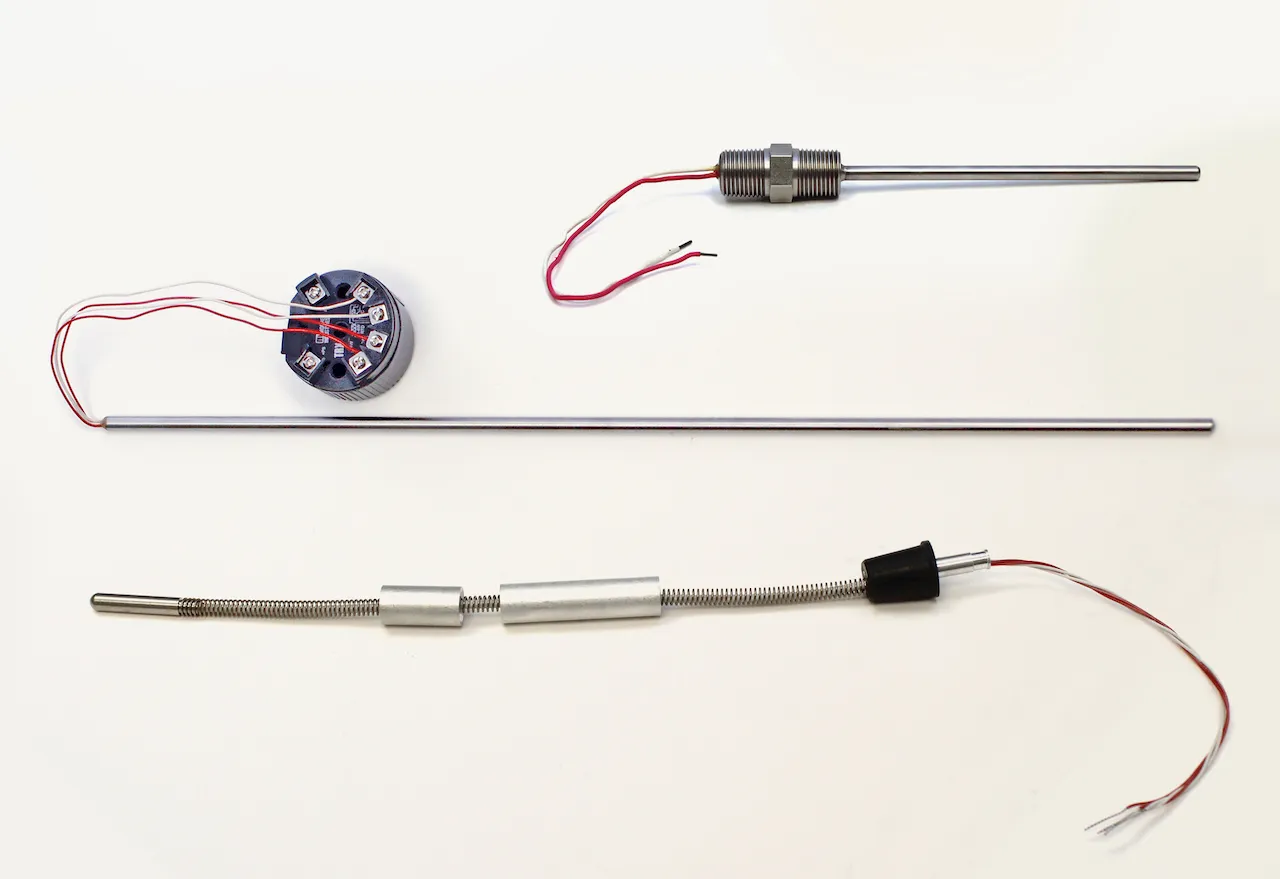
Differences Between RTDs and Thermocouples
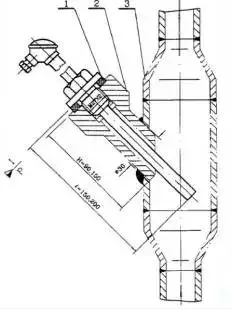
Thermocouples vs RTDs: How to Tell Them Apart
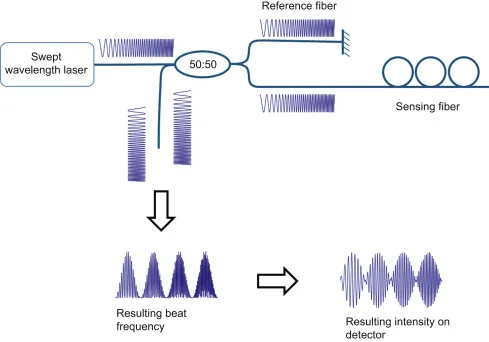
Common Fiber Optic Sensing Methods and OFDR Differences
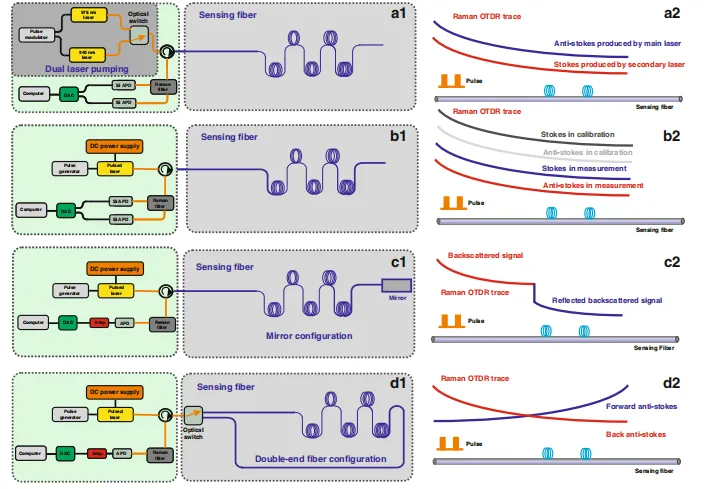
Raman Distributed Fiber Temperature Sensing with Centimeter Resolution
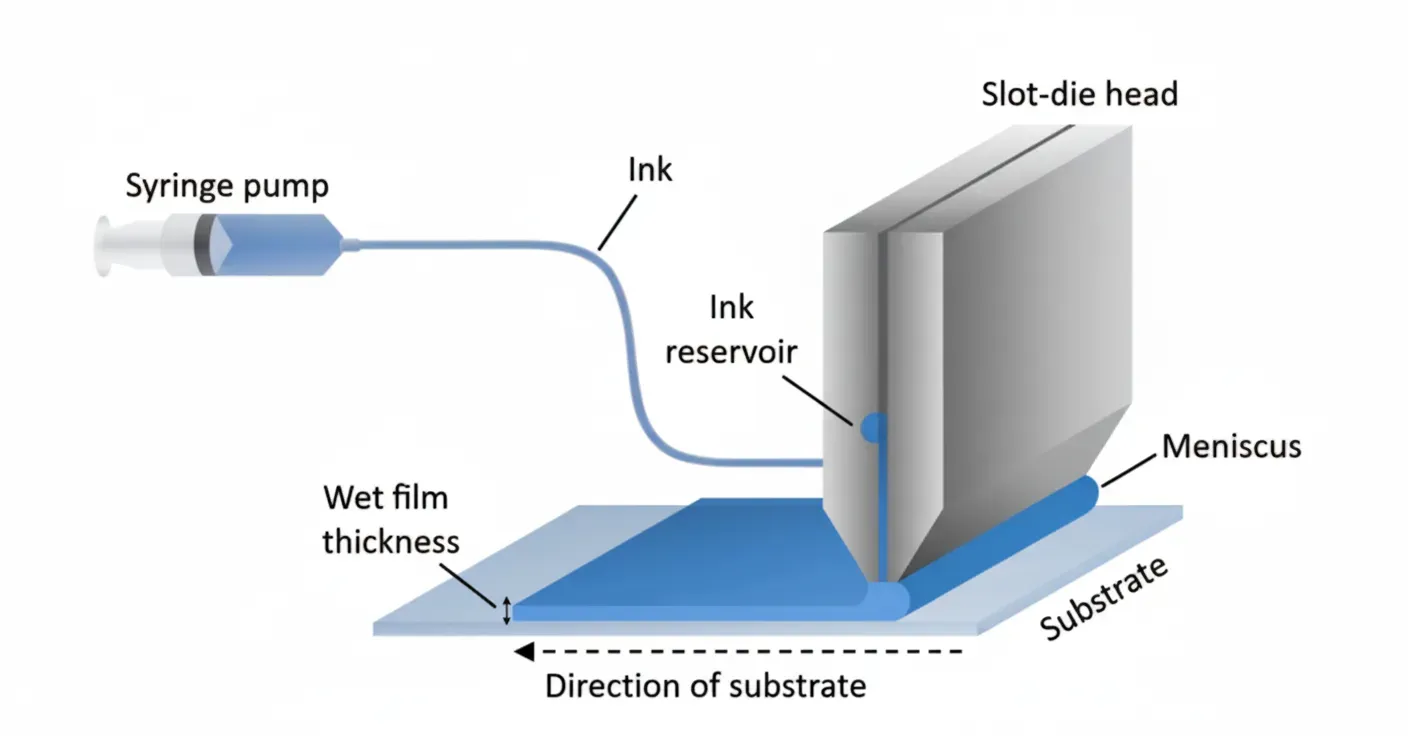
Slot-Die Coating for Perovskite Solar Cell Production
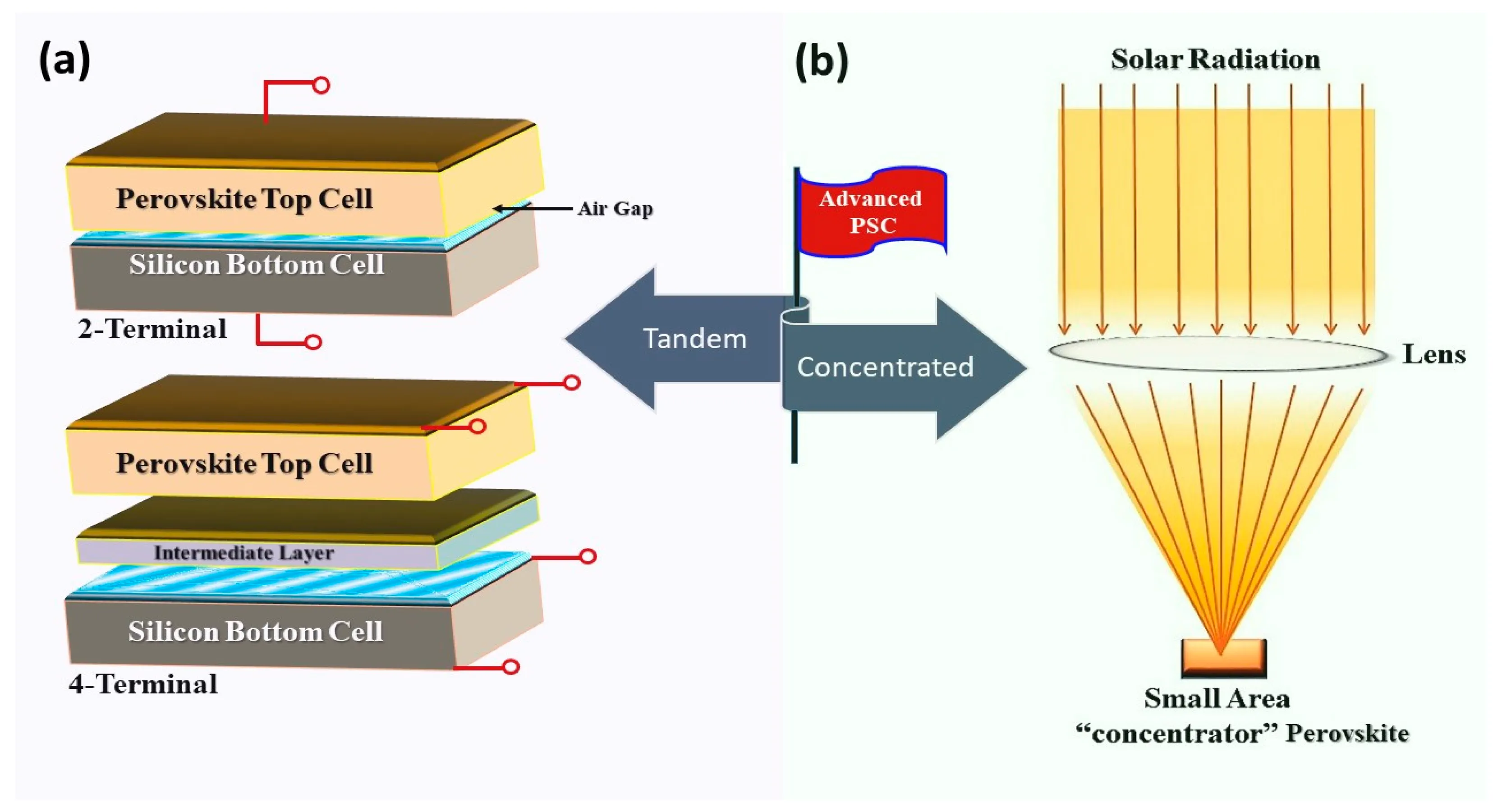
Essential Tests for Perovskite Solar Cell Stability
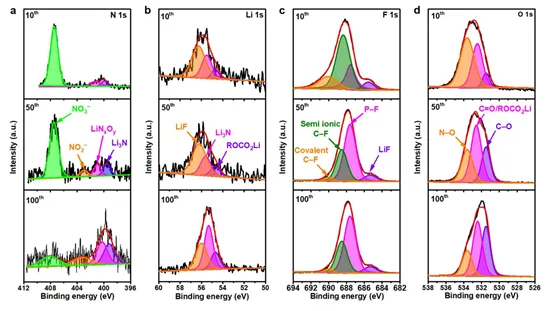
Charged Li-Ion Channels Suppress Dendrite Growth on Lithium Metal Anodes
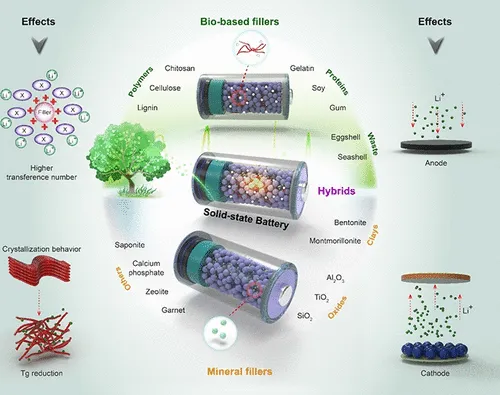
Impact of Solid-State Battery Development on Polymer Materials
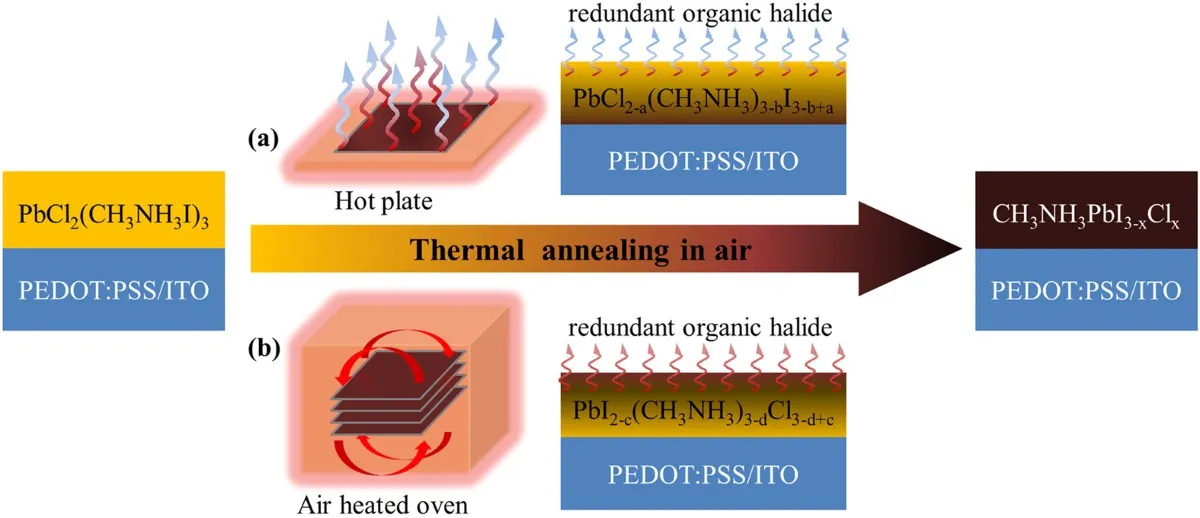
Annealing Processes for Perovskite Solar Cells
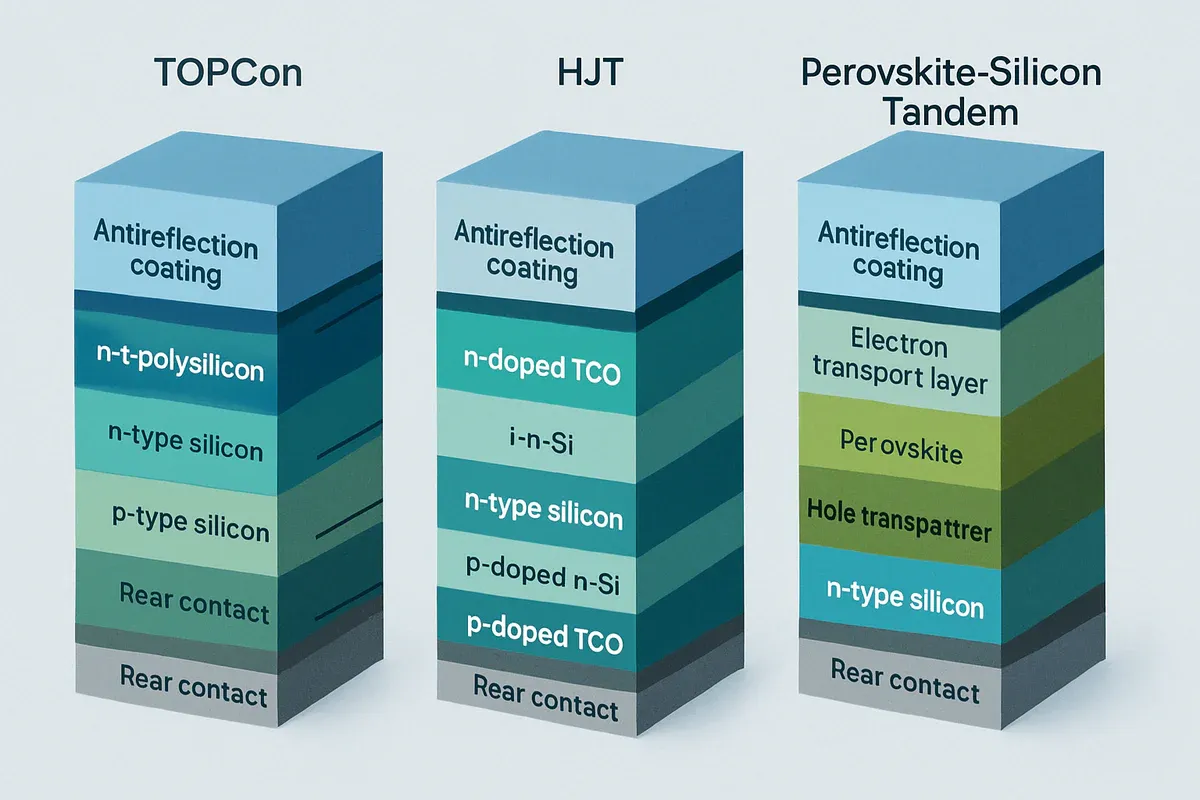
Perovskite Tandem Cells: Topcon vs HJT Bottom-Cell Comparison
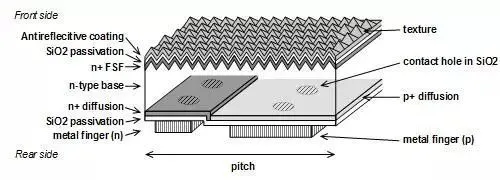
High-efficiency Crystalline Silicon Solar Cell Technologies

What Is a Laser TV?
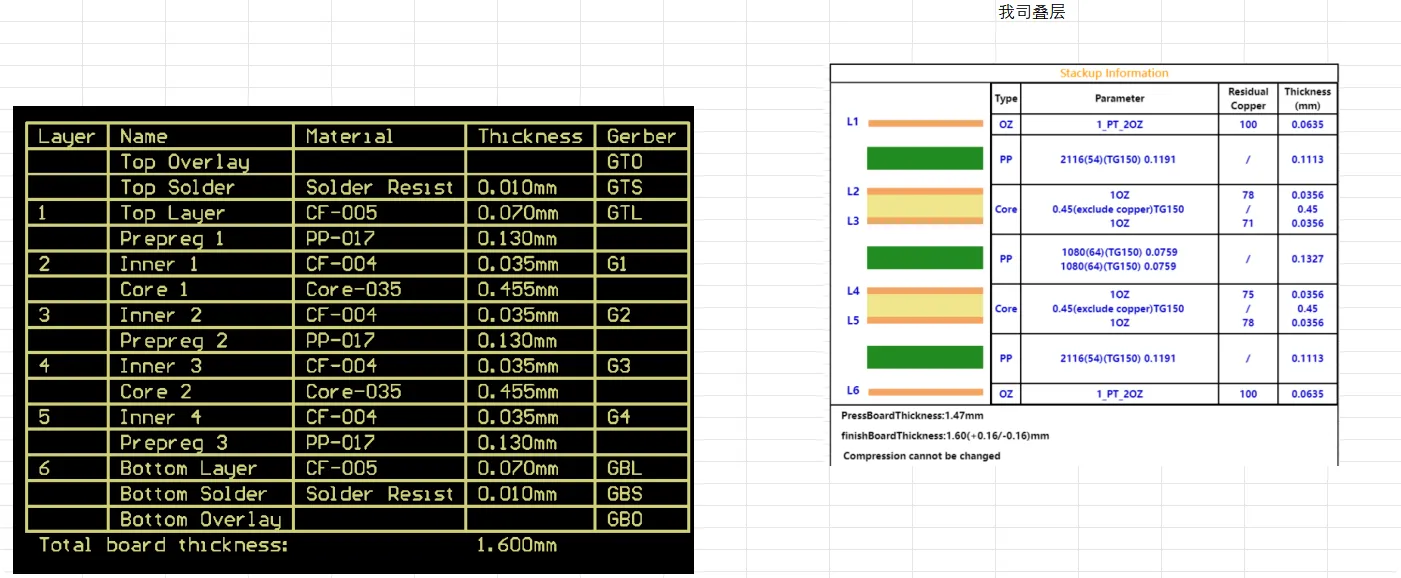
PCB Stackup Adjustment for Reliable 6-Layer TG150 Production
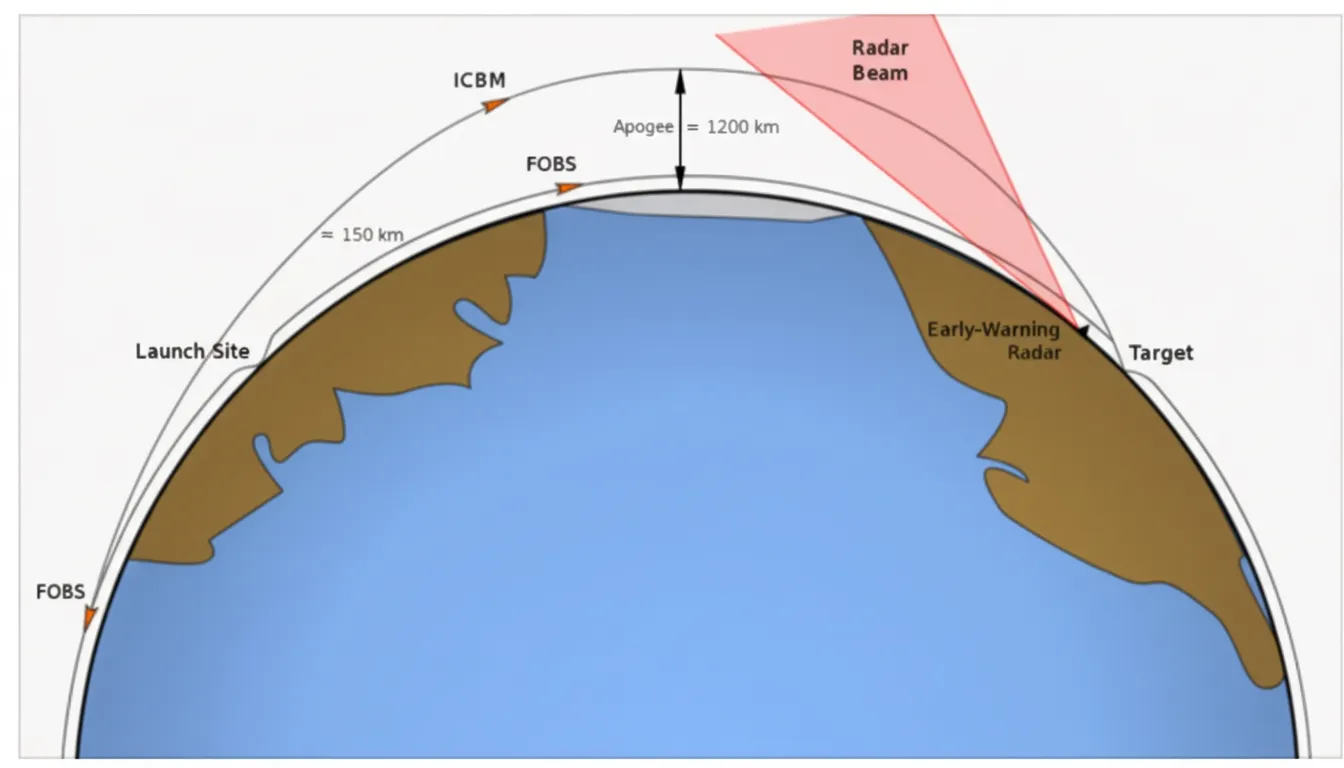
Space Weapon Systems: Key Technologies
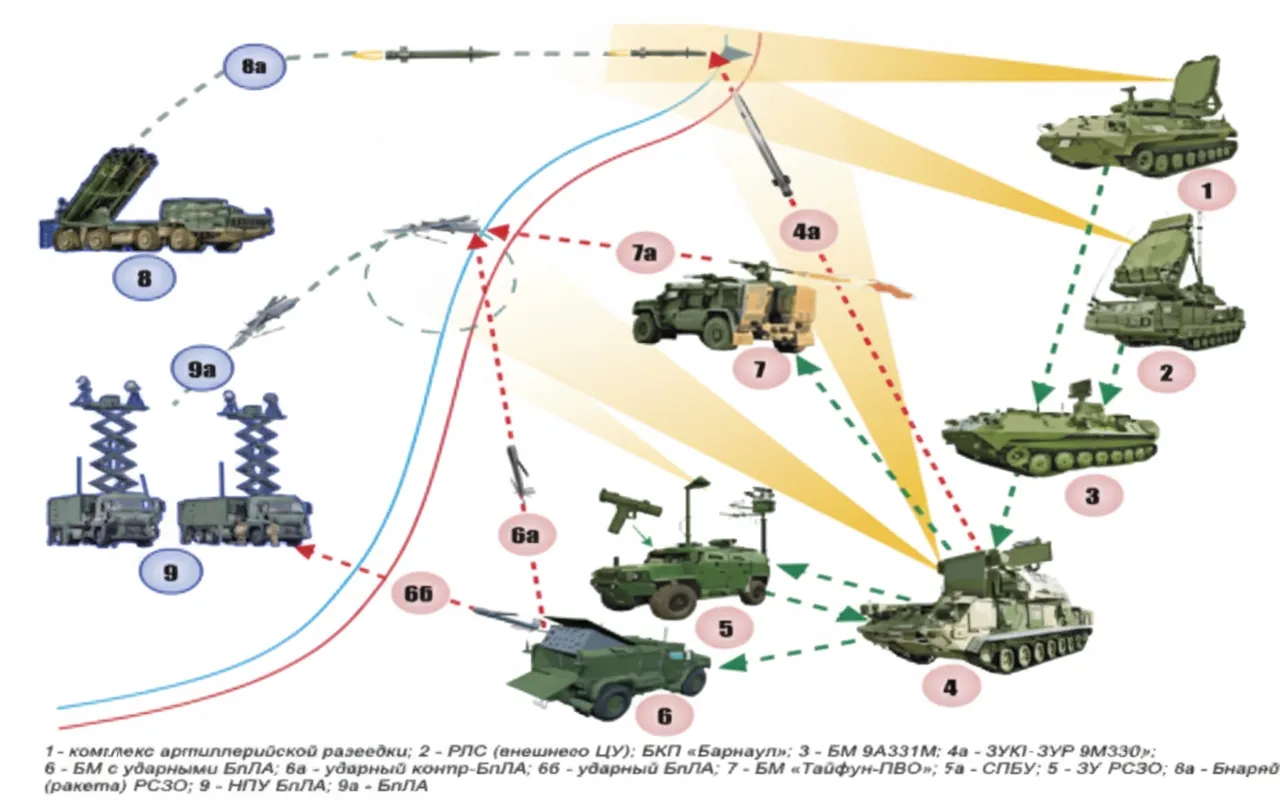
Counter-UAV and Precision-Guided Weapons Case Studies
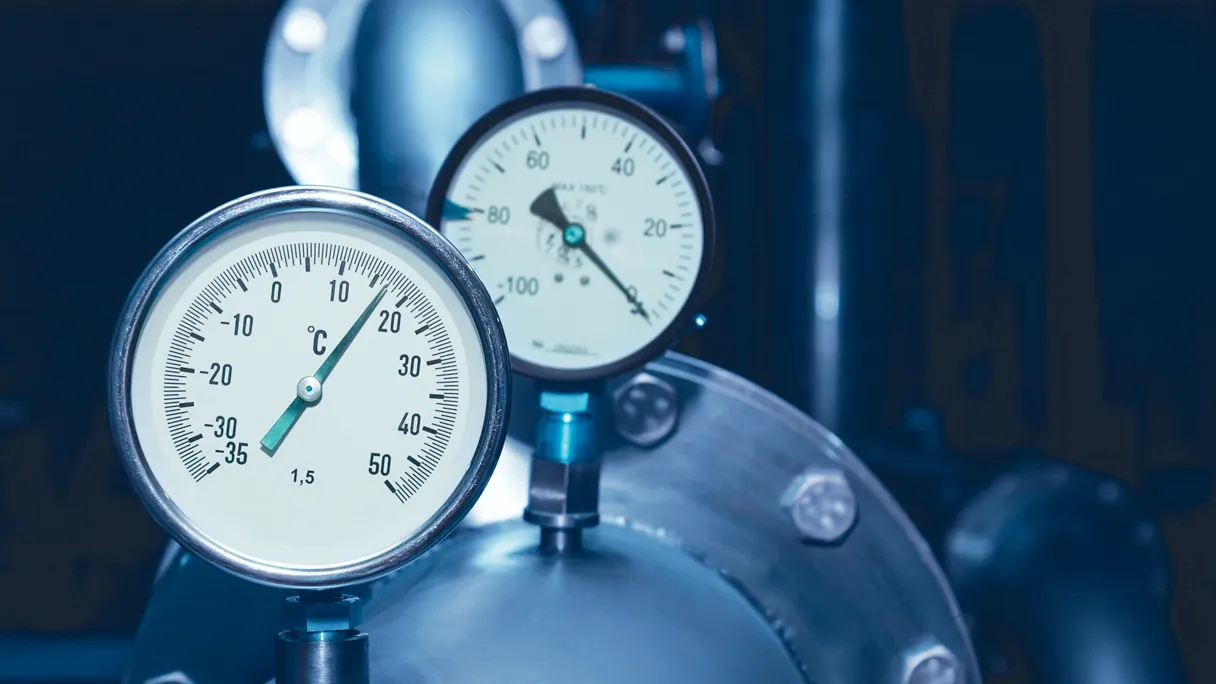
Common Faults in Temperature Instruments
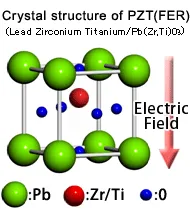
FeRAM vs Flash: FRAM Working Principle
Get in Touch
Send Message
- Products & Service
- Company
- About AIVON
- Contact
- News
- Blog
- Certification
-


- Payment
-


2026 AIVON.COM All Rights Reserved