










-
 00:39
00:39
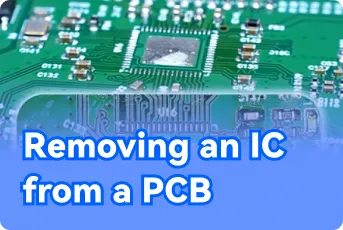
IC Desoldering & Removal: Professional Techniques for Safe PCB Rework
IC removal is one of the most delicate PCB rework operations, requiring precise temperature control and proper technique to avoid damaging pads, traces, or internal layers. This video demonstrates professional methods for safely desoldering integrated circuits using flux and controlled hot-air heating to ensure all solder joints are completely melted before removal. It emphasizes the importance of lifting components gently without prying and maintaining clean, undamaged pads for reliable replacement. By following these best practices, engineers and technicians can reduce scrap, improve rework success rates, and preserve the reliability of multilayer and HDI PCBs used in medical, automotive, aerospace, and other high-performance applications.
-
 00:55
00:55
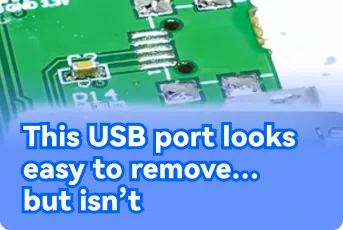
USB Port Desoldering and Removal: Critical Techniques for Safe PCB Rework
Safe component removal is an important skill in PCB rework, repair, and prototyping, especially when replacing delicate connectors such as USB ports. This video demonstrates proper desoldering techniques using flux, controlled heat, and appropriate tools to remove surface-mounted components without damaging pads, traces, or surrounding circuitry. It highlights the importance of even heating, avoiding excessive force, and ensuring pads remain clean and intact for replacement parts. By following these best practices, engineers and technicians can reduce rework costs, preserve board reliability, and maintain signal integrity in consumer, industrial, medical, and other high-value electronic applications.
-
 00:48
00:48
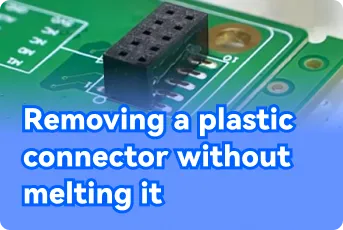
PCB Plastic Connector Removal: Safe Rework Techniques Without Melting
Removing plastic connectors during PCB rework requires careful control of temperature and heating time to prevent connector deformation and damage to the circuit board. This video demonstrates safe connector removal techniques and highlights best practices for protecting pads, traces, and internal layers throughout the rework process. It also discusses important considerations for multilayer, HDI, and rigid-flex PCBs, where excessive heat can compromise signal integrity and long-term reliability. By following proper rework procedures, engineers and repair teams can minimize defects, preserve board performance, and extend the service life of high-value assemblies used in aerospace, automotive, medical, and industrial applications.
-
 00:45
00:45
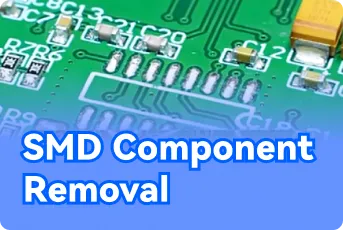
SMD Component Removal: Professional PCB Rework and Repair Techniques
SMD component removal is a vital skill for PCB rework, repair, and design modification, helping engineers replace faulty parts or update prototypes without damaging the circuit board. This video explains industry-standard desoldering techniques using hot-air rework stations, soldering irons, and specialized tools to safely remove surface-mount devices while protecting pads, traces, and internal layers. It also covers important considerations such as thermal management, handling densely populated HDI and multilayer boards, and performing post-removal inspections to maintain signal integrity and long-term reliability. These best practices are essential for supporting high-quality rework and repair in aerospace, automotive, medical, and industrial electronic applications.
-
 00:38
00:38
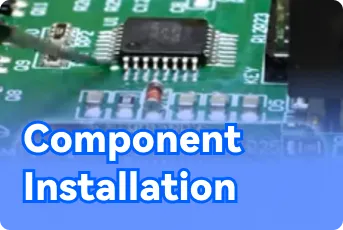
PCB Component Installation in SMT Assembly
Component installation is a crucial stage of PCB assembly that directly affects product performance, reliability, and manufacturing quality. This video explains the complete installation process, including SMT component placement, through-hole insertion, reflow soldering, and post-assembly inspection. It highlights how automated pick-and-place equipment delivers high placement accuracy and discusses important considerations such as component orientation, thermal profile control, and mechanical stress management. By understanding these assembly processes, engineers and procurement teams can improve yield, ensure long-term reliability, and optimize the production of HDI and multilayer PCBs used in aerospace, automotive, medical, and industrial applications.


