For a 4-layer FR4 production order of 3000 pieces (244 × 298 mm, 1.6mm thickness, 1oz copper, blue solder mask with black silkscreen, lead-free HASL), the working files contained several details requiring clarification during CAM review. The panel used V-CUT separation in a 3x4 array, with customer-specified parameters for markings and lamination structure that needed alignment with manufacturing standards.
Stackup Confirmation for Reliable Lamination
Our engineer first noted the customer-provided lamination structure and requested confirmation to use our standard 4-layer PCB ( #FR4-20260423-037 ) stackup. While the design was feasible, alignment with proven configurations ensures consistent copper balance, registration, and warpage control across the large panel size. This step prevented potential delamination or dimensional instability during pressing.
Slot Hole Tolerance and Process Control
The slotted holes required confirmation on tolerance (PTH +/-0.076mm with bias). Our standard process for such features involves careful control to avoid breakout or irregular edges. The EQ ensured the customer accepted our manufacturing tolerance, which is critical for reliable plating and mechanical fit in the final assembly.
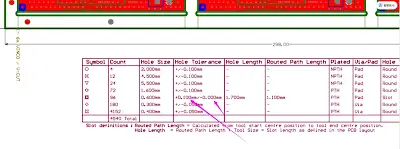
Figure 1: our standard and control within PTH+/-0.076MM
Silkscreen Character Height and Legibility Risks
A key observation was that several characters in the design had insufficient height with no room for enlargement. With black silkscreen on blue solder mask, this posed a high risk of blurry or unreadable markings after processing. Our team raised this as a priority because poor silkscreen quality affects traceability, assembly instructions, and overall product professionalism.
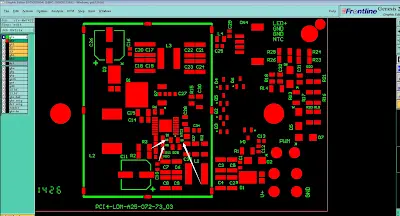
Figure 2: character height in the design is insufficient, and there is no room for enlargement
| Issue | Design Detail | Manufacturing Concern | Risk Level |
|---|---|---|---|
| Silkscreen Characters | Insufficient height | Blurry printing | High |
| Slot Tolerances | Specified bias | Process capability | Medium |
| Markings & Date Code | Specified positions | Clarity and placement | Medium |
Table 1: Top DFM Concerns Identified. Silkscreen legibility emerged as the highest priority risk for this high-volume 4-layer panel.
How These Risks Could Affect Yield and Reliability
Blurry silkscreen can lead to misassembly or traceability failures during quality control. According to IPC-A-600 acceptability criteria, clear markings are important for identification. Tolerance deviations in slots could cause fit issues or plating defects, while stackup mismatches risk warpage in the 1.6mm board.
Failure Scenarios the Engineering Team Wanted to Prevent
If the small characters were printed as-is, the silkscreen would likely appear fuzzy or incomplete, leading to customer rejection or assembly errors across 3000 pieces. Unconfirmed slot tolerances could result in dimensional inaccuracies causing mechanical interference or poor solderability. These issues, if ignored, often escalate to scrap boards and production delays.
Preventive Actions and Customer Collaboration
We recommended acceptance of standard 4-layer PCB stackup, confirmation of slot tolerances, and adjustments or acceptance of silkscreen limitations. Date code and parameter markings were reviewed for position and clarity. The customer provided timely confirmations, enabling smooth production release within the 10-day lead time.
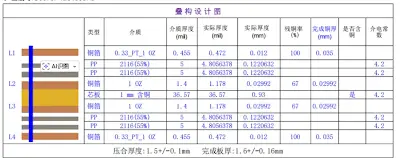
Figure 3: the stack up which we have already adjusted
| Issue | Action Taken | Benefit |
|---|---|---|
| Silkscreen | Confirmed acceptance | Avoided unreadable markings |
| Slot Tolerance | Standard PTH control | Reliable dimensions |
| Stackup | Standard configuration | Consistent lamination |
Table 2: DFM Resolutions Summary. Collaborative confirmations ensured high first-pass yield for this volume order.
Building Confidence Through Proactive DFM Engagement
This 4-layer case shows how addressing silkscreen, tolerance, and stackup details early prevents production setbacks. For high-volume runs, such attention to detail protects yield and product quality. We recommend early DFM involvement whenever custom markings, tight features, or specific structures are involved.
FAQ
Q1: Why can small silkscreen characters cause problems in production?
A1: Insufficient height leads to blurry or incomplete printing after mask and legend processes, affecting traceability and professional appearance of the finished boards.
Q2: What risks arise from unconfirmed slot hole tolerances?
A2: Deviations can cause breakout, irregular edges, or fit issues during assembly, leading to yield loss or mechanical failures in the final product.
Q3: Why confirm stackup before 4-layer production?
A3: Non-standard stackups risk warpage, registration errors, or inconsistent copper distribution, which can compromise both manufacturability and long-term reliability.
Q4: How does DFM review improve outcomes for volume PCB orders?
A4: It catches legibility, tolerance, and structural issues early, reducing scrap, revisions, and ensuring the boards meet quality expectations upon delivery.