 00:47
00:47
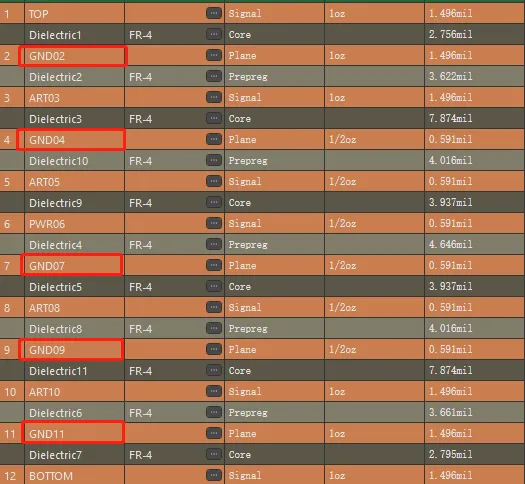
PCB Stackup Design
PCB stackup design is a fundamental aspect of printed circuit board engineering that determines the arrangement of conductive and insulating layers within a PCB. This configuration plays a critical role in ensuring signal integrity, managing electromagnetic interference, and optimizing thermal performance in electronic devices. For engineers and designers searching for insights on PCB stackup design, this tag aggregates resources that delve into the principles and methodologies for creating effective multilayer boards, from simple two-layer setups to complex high-speed applications. Understanding PCB stackup design begins with selecting appropriate layer counts, materials, and via structures to meet specific project requirements. Key considerations include controlled impedance for high-frequency signals, power distribution planes to minimize noise, and ground layers for shielding. Practical applications span industries such as telecommunications, automotive electronics, and consumer gadgets, where poor stackup can lead to issues like crosstalk or signal degradation. Best practices emphasize simulation tools for pre-layout analysis, adherence to manufacturing constraints, and iterative testing to refine designs, ultimately reducing prototyping costs and time to market. Articles under this tag offer detailed guides on topics like symmetric versus asymmetric stackups, the impact of dielectric constants on performance, and strategies for high-density interconnects. Whether you are troubleshooting a current project or planning a new one, these resources provide actionable steps to enhance your PCB designs. Dive into the collection to find case studies, tutorials, and expert tips that align with real-world challenges in electronics development.
Video Guide

Technical Articles
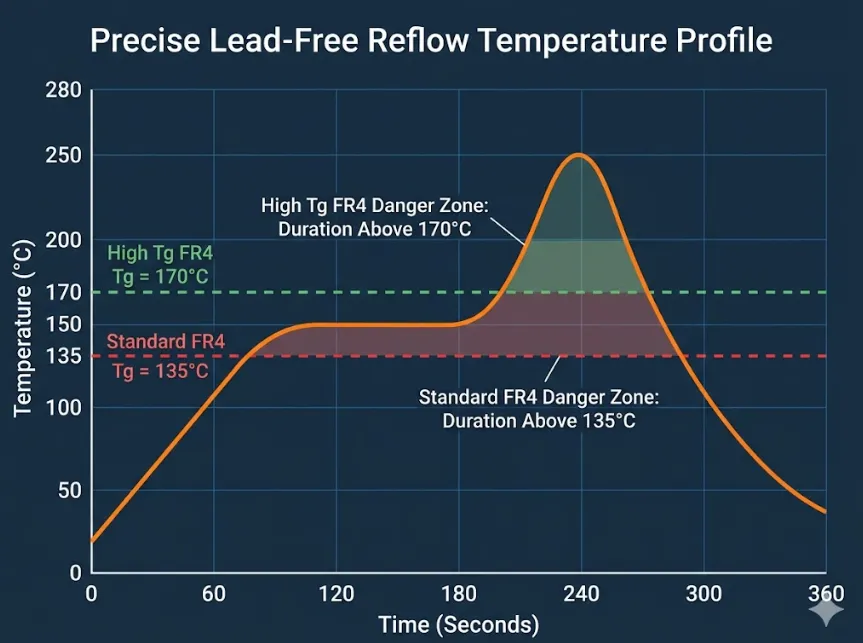
How PCB Tg Affects the SMT Reflow Soldering Process
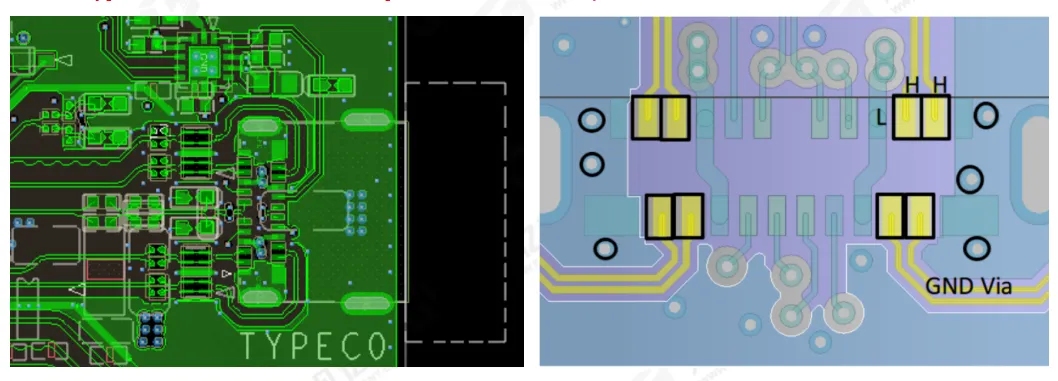
PCB Layout and Routing Requirements for USB 2.0, USB 3.0, and USB Type C Interfaces

Why Do Eye Diagrams Collapse Even When High-Speed Interface Traces Are Length-Matched?

SMT PCB Dimensional Expansion and Shrinkage: Root Causes and Mitigation Strategies for Process Engineers
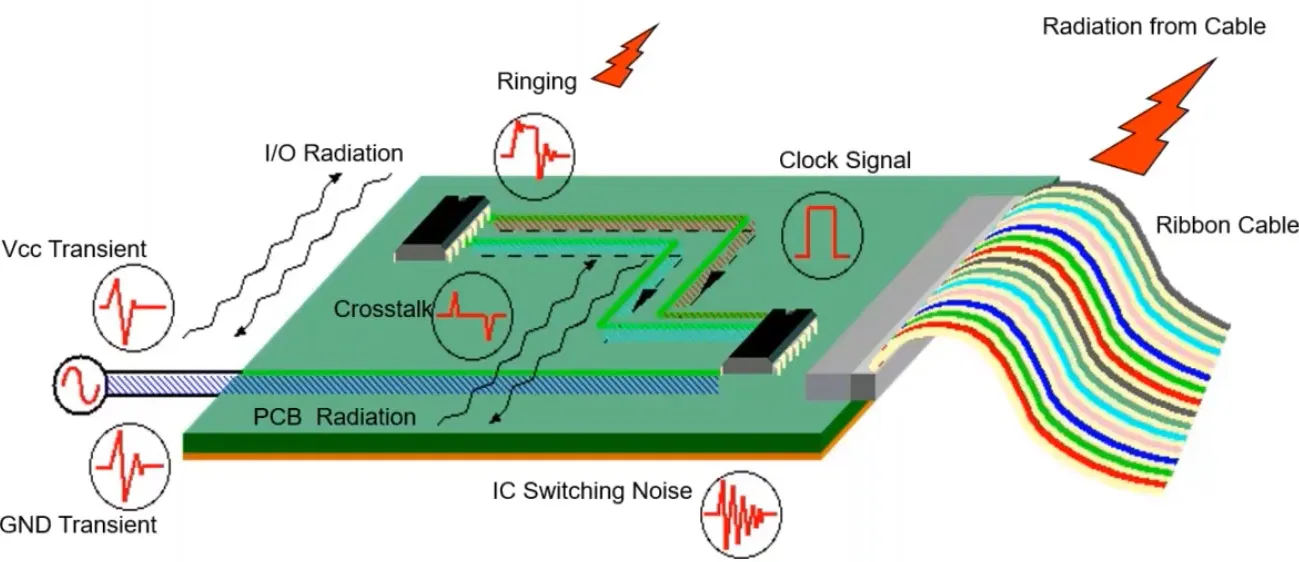
Nine Practical Rules for EMI Control in High-Speed PCB Design
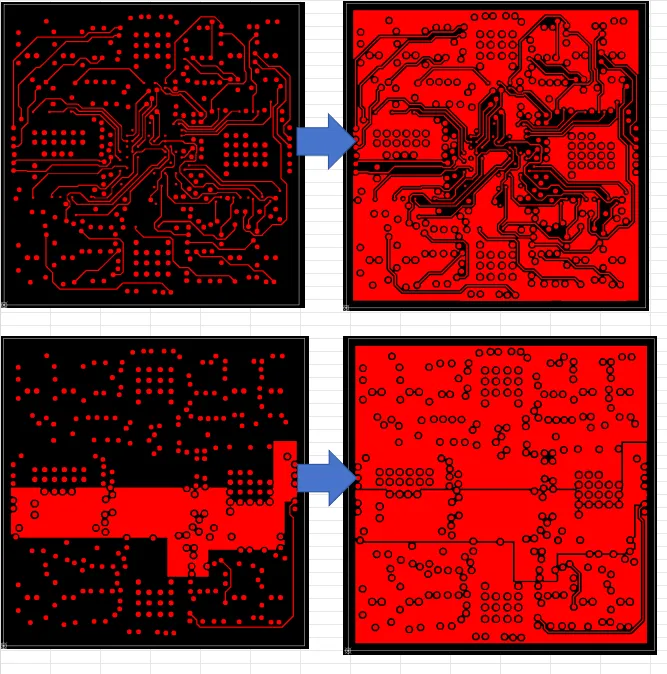
13 Common PCB Design Mistakes—and How to Avoid Them
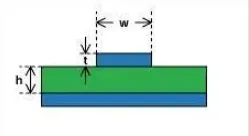
Classification and Differences of PCB Signal Traces: Microstrip and Stripline
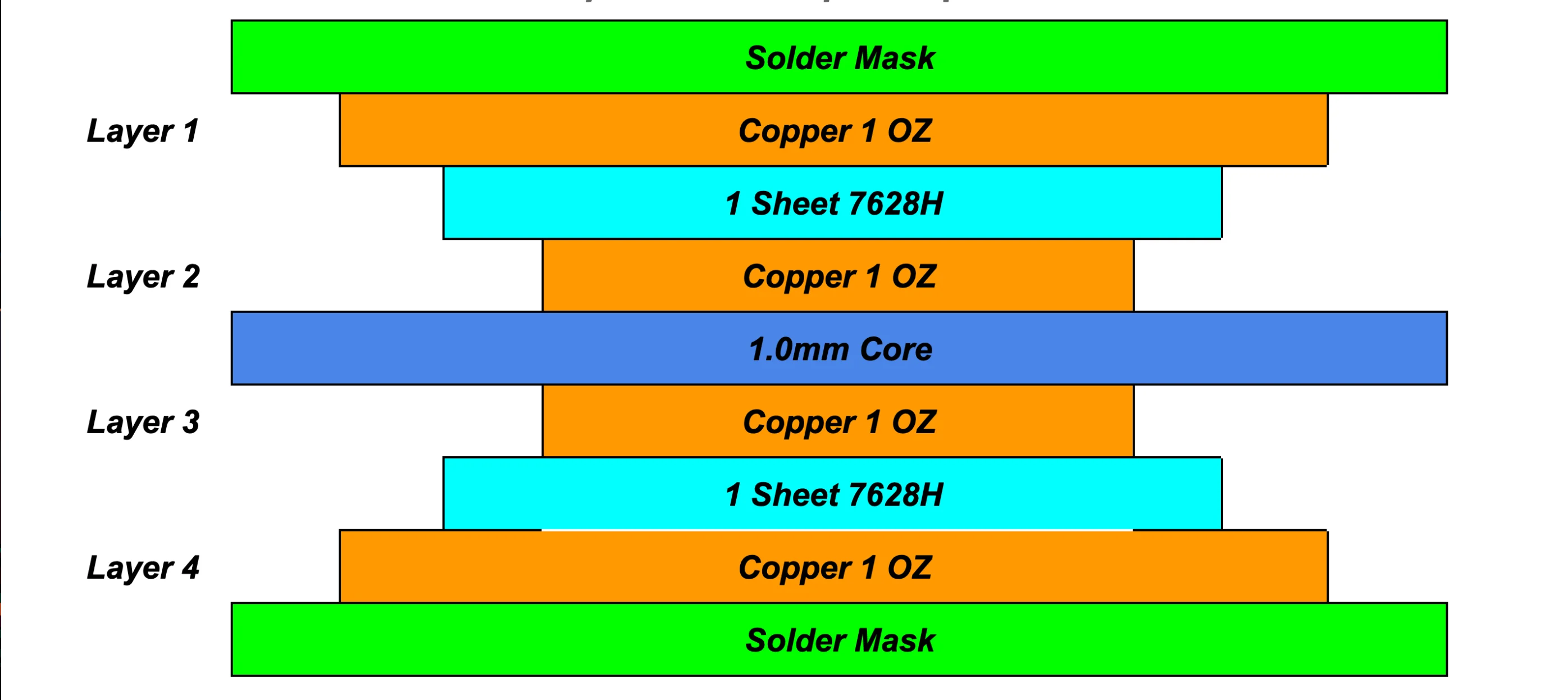
PCB CAM Review to Overcome Complex Stackup and Lamination Challenges
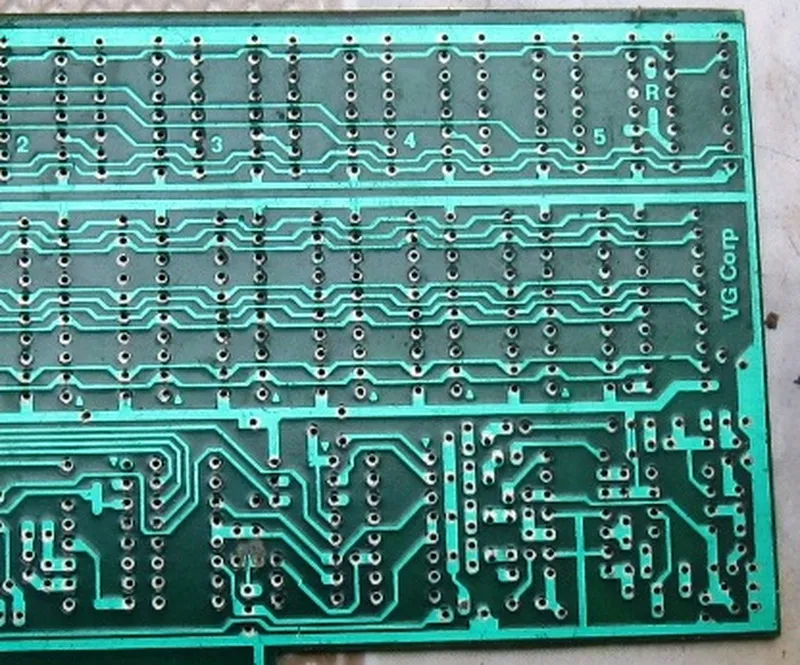
When Is It Worth Keeping a Power Plane on a Four-Layer PCB?
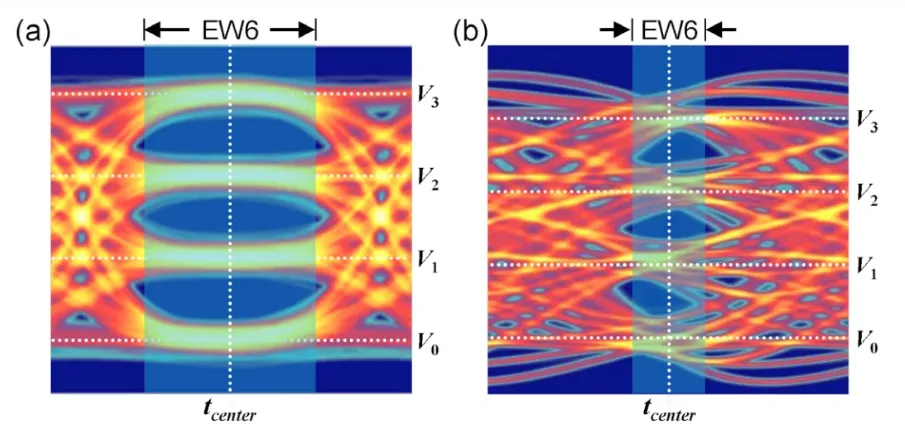
PCIe 7.0 at 128 GT/s: PCB Difficulty Isn’t Just “Shorter Traces”
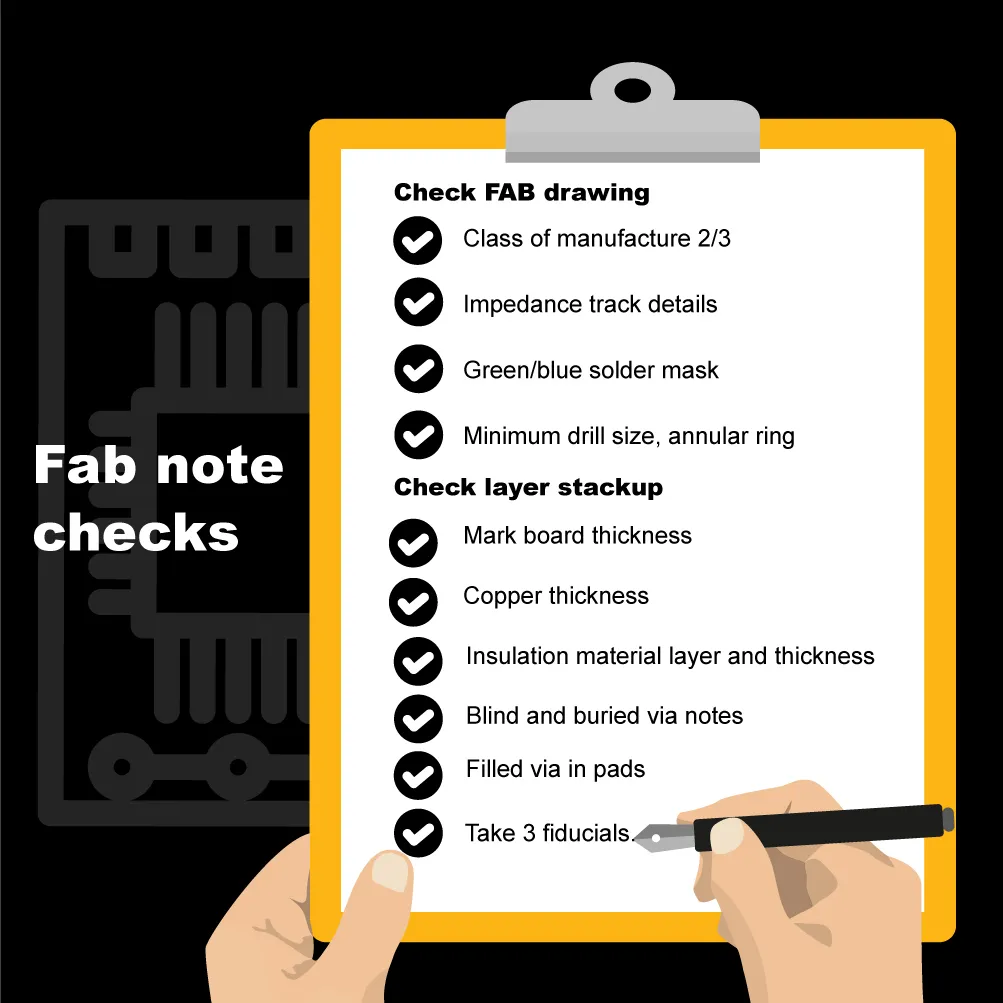
PCB Design Checklist: Design Inputs, Templates, Clock Placement, and Mechanical Controls
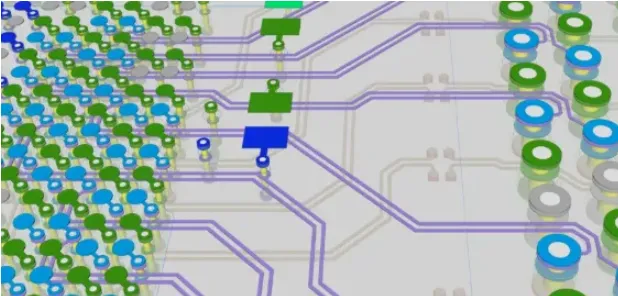
Defining and Using Differential Pairs in KiCad
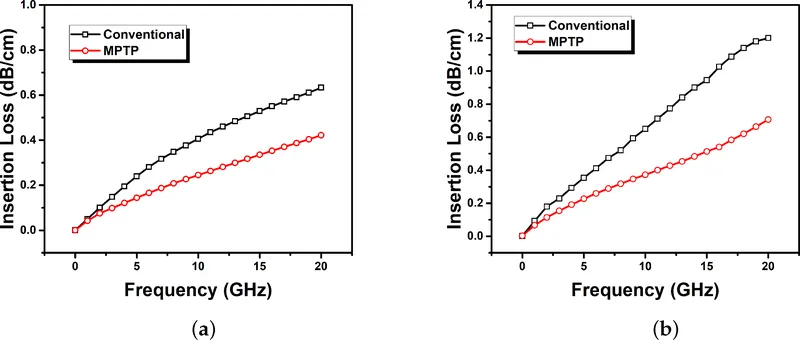
Understanding PCB Loss Curves: Separate the Two Variables First
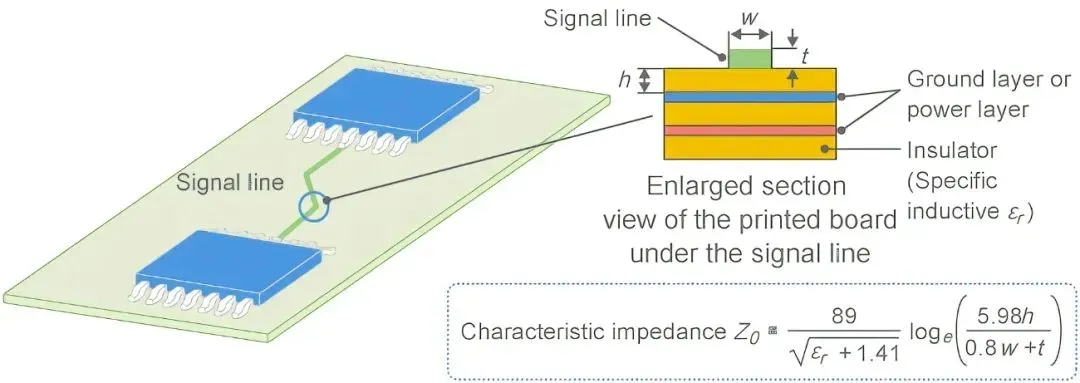
Revealing the "Pseudo Eight-Layer" Stackup: Can a Six-Layer PCB Deliver Eight-Layer Performance?
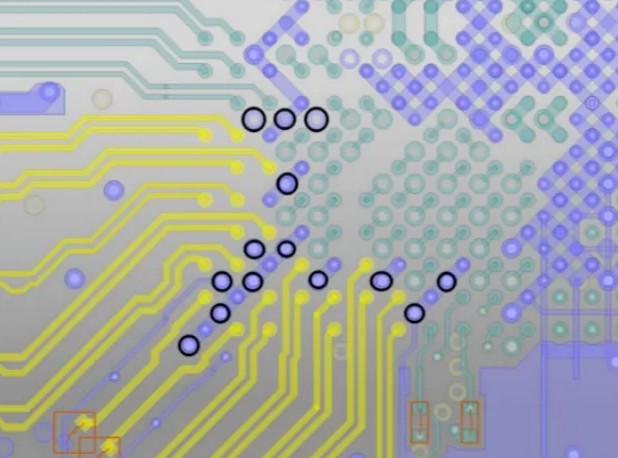
PCB Layout and Routing Requirements for PCIe Interfaces

Why Power Planes Are Set Back in Multilayer PCB Design: The 20H Rule Explained
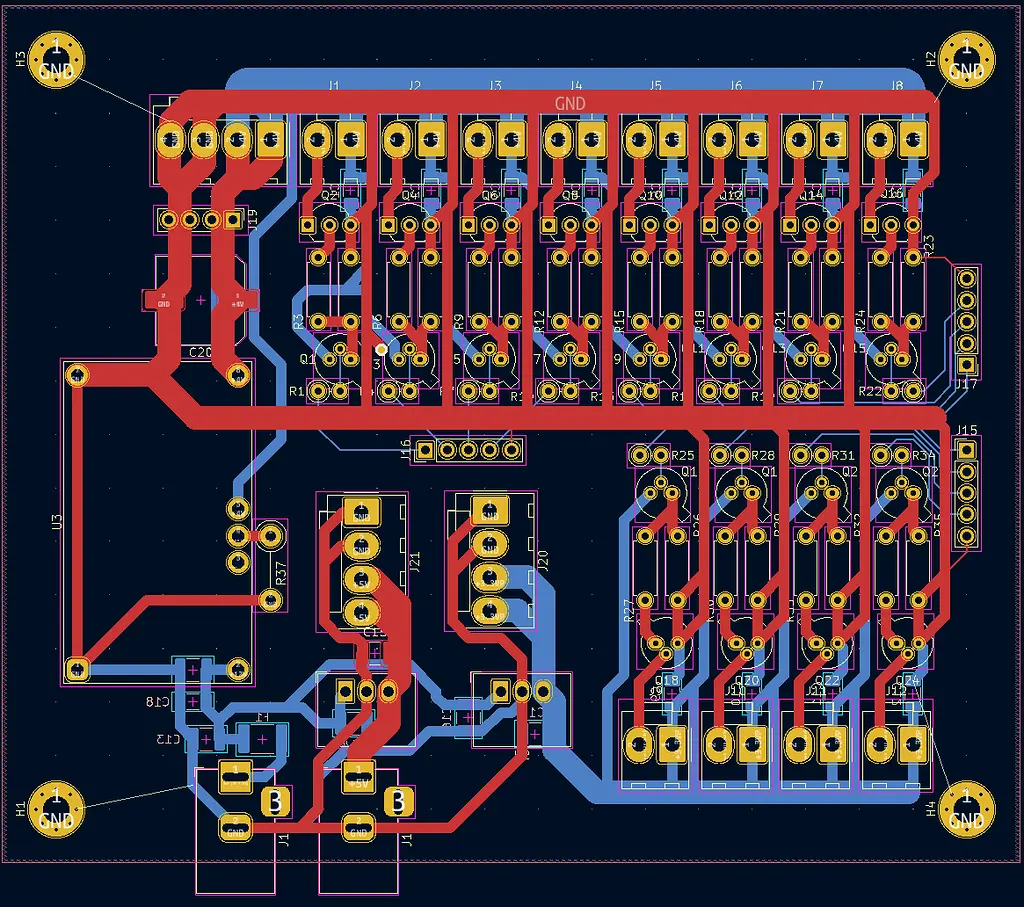
Five Most Common PCB Design Pitfalls—and How to Prevent Them
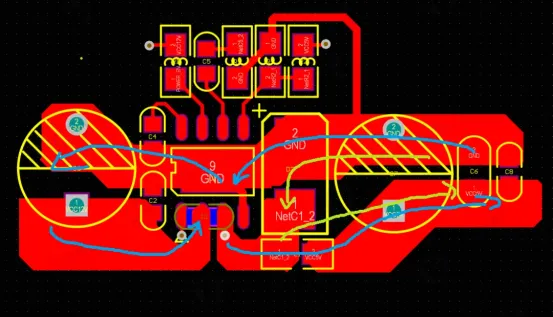
Ground in Electronic Circuits: Signal Ground, Power Ground, Ground Partitioning, Guard Ground, and Single-Point Grounding
Why a Bare-Board 50 Ω Trace Reads Lower After Solder Mask