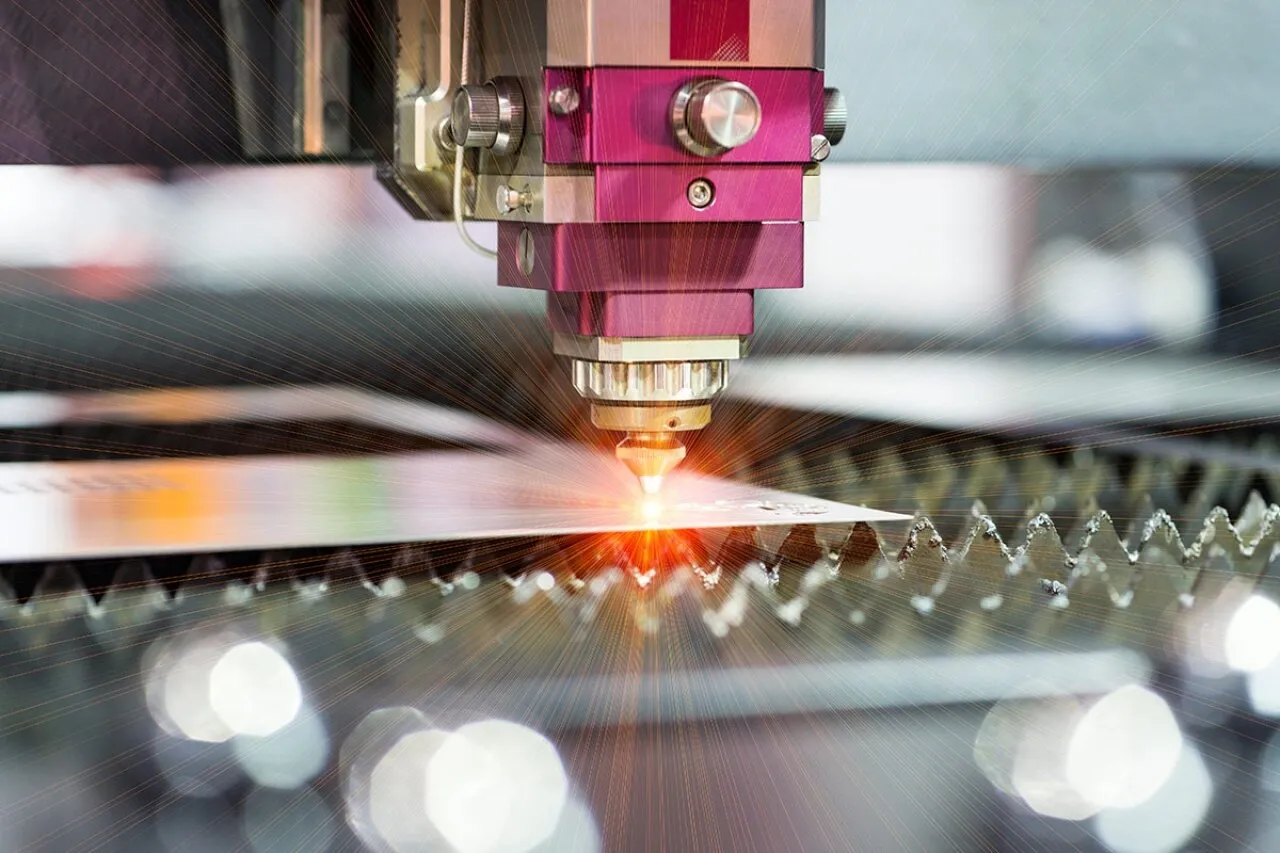
ceramic-pcbs
Ceramic PCBs represent a specialized category of printed circuit boards that utilize ceramic substrates instead of traditional materials like FR4. These boards are engineered for demanding environments where high thermal conductivity, mechanical strength, and electrical insulation are critical. Professionals in electronics design, manufacturing, and engineering often seek information on Ceramic PCBs to address challenges in high-power applications, such as LED lighting, automotive electronics, and aerospace systems. By leveraging materials like alumina or aluminum nitride, these PCBs excel in dissipating heat efficiently, reducing the risk of component failure under extreme conditions. One of the primary advantages of Ceramic PCBs is their superior thermal management, which allows for denser component packing and improved reliability in high-temperature operations. For instance, in power electronics, they support higher current loads without the warping or degradation common in organic substrates. Engineers searching for this tag can find practical guidance on selecting the right ceramic material based on dielectric properties and thermal expansion coefficients, ensuring compatibility with soldering processes and long-term performance. Best practices include incorporating thermal vias and optimizing layer stacks to enhance heat flow, which can significantly extend the lifespan of devices in harsh settings like industrial sensors or medical equipment. For those integrating Ceramic PCBs into prototypes or production runs, understanding fabrication techniques is essential. This involves precise laser drilling for vias and careful metallization to achieve fine-line traces. Articles linked under this tag delve into case studies where Ceramic PCBs have resolved issues like signal integrity in RF applications or vibration resistance in military hardware. Reviewing these resources provides actionable strategies for cost-effective implementation, from material sourcing to assembly methods that minimize defects. Whether you are troubleshooting thermal issues in an existing design or exploring advanced substrates for next-generation electronics, the content here offers in-depth explorations to inform your decisions.
Technical Articles
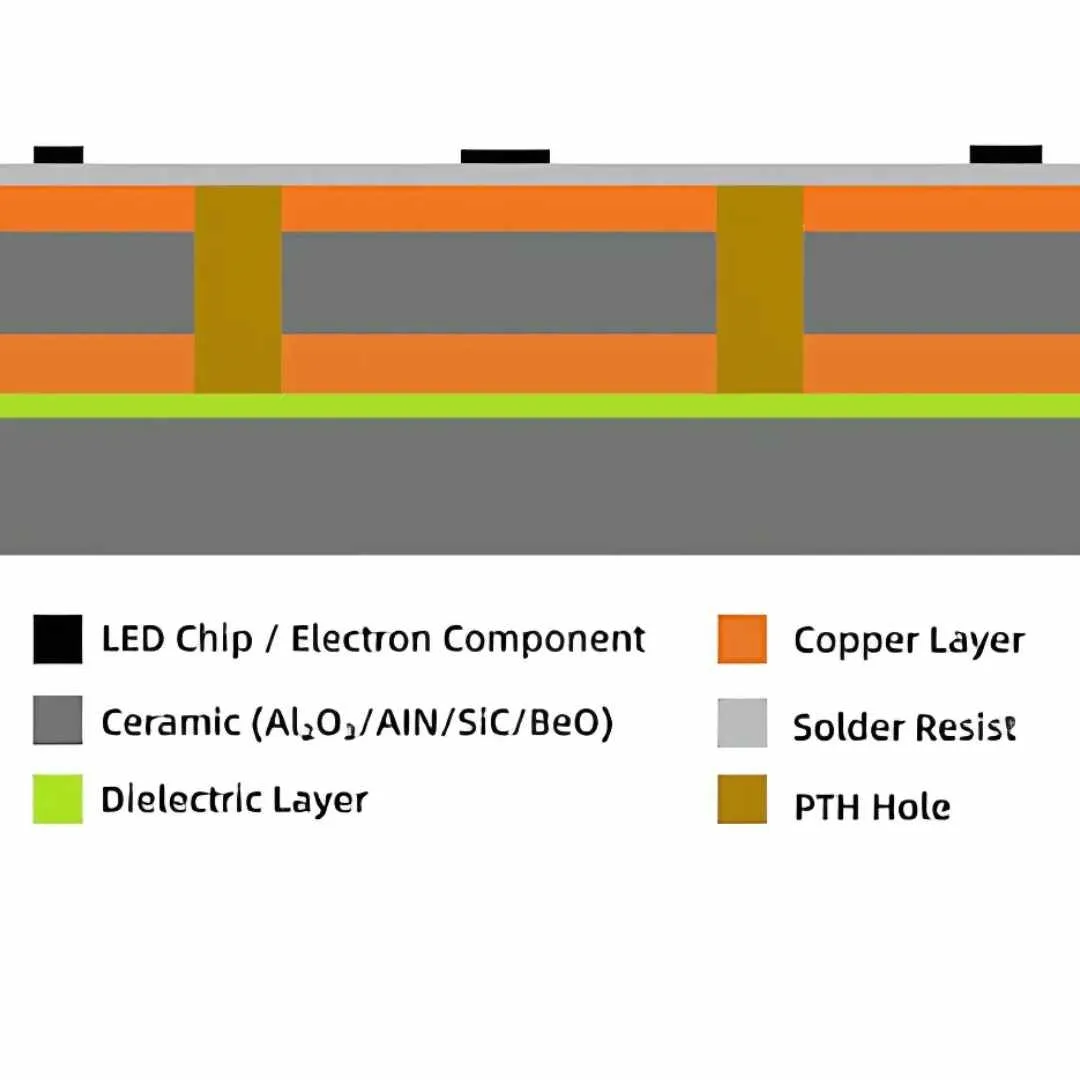
Beyond Aluminum: Exploring Advanced Materials for High-Power LED PCBs
LPCVD Low-Stress Silicon Nitride Films: Process, Applications & MEMS Manufacturing
Applications of Nanosensors
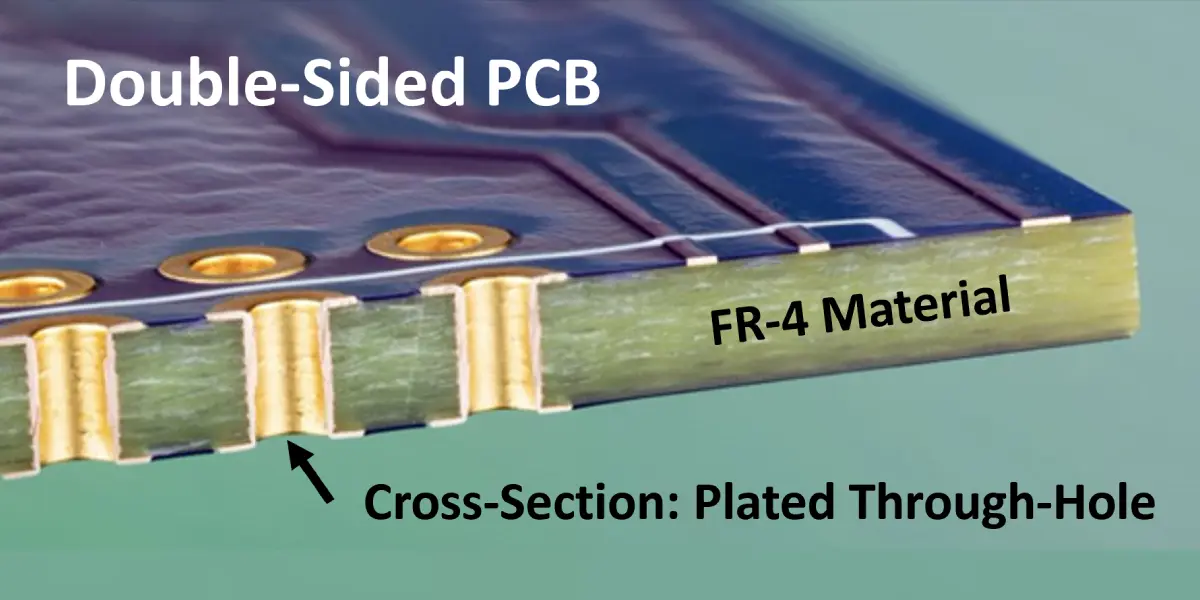
Double Sided PCB Materials Face Off: FR 4 vs. Alternatives
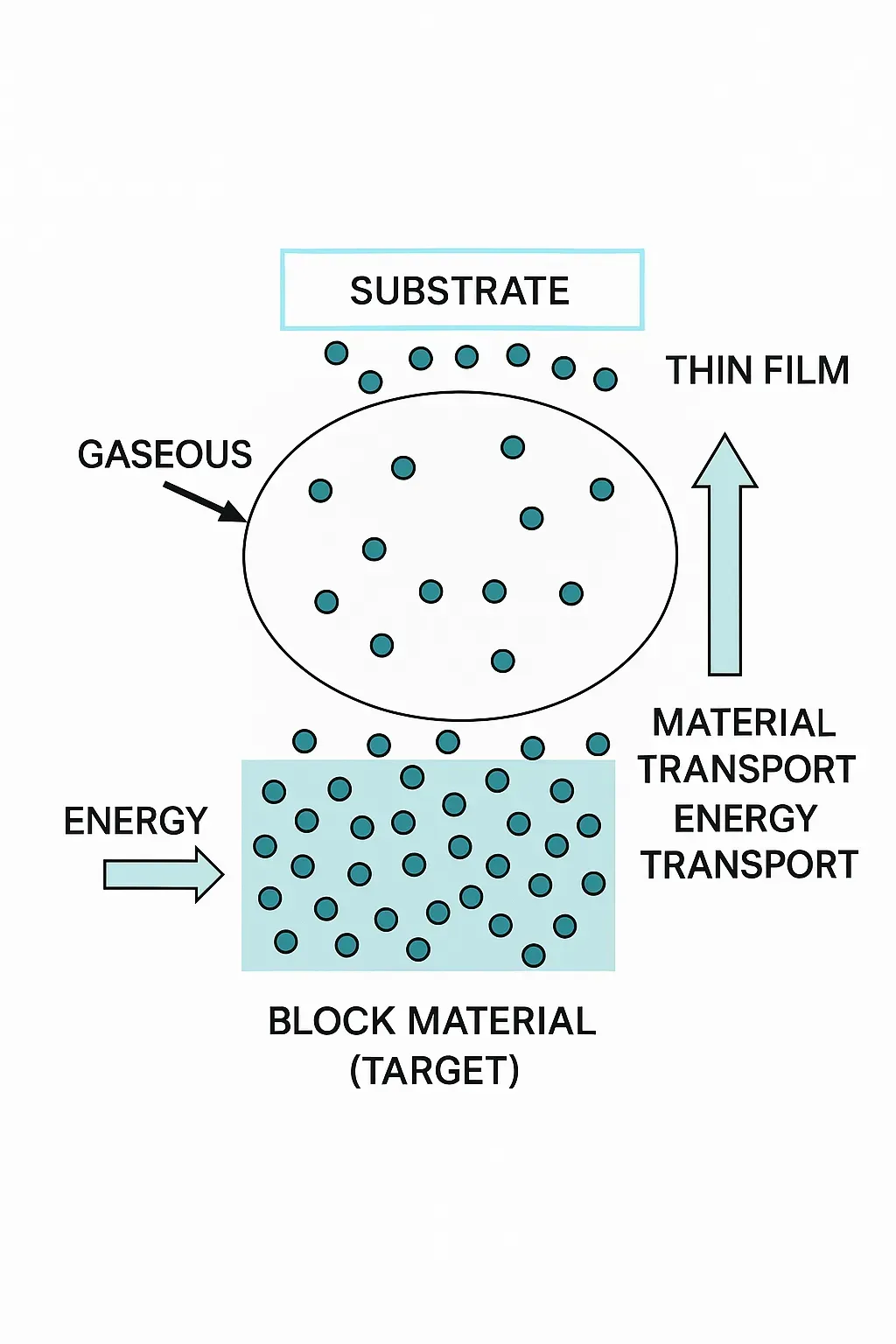
SiC Device Packaging and Module Technologies
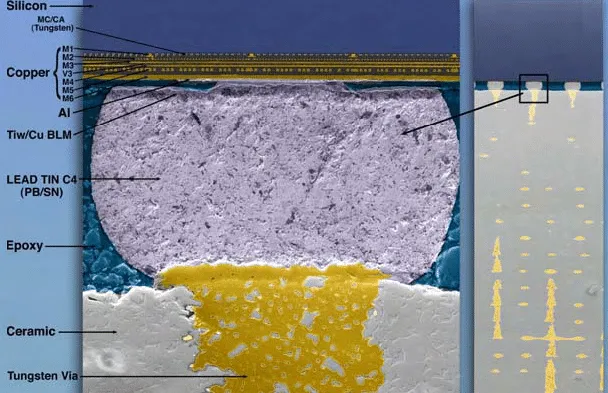
Organic vs. Inorganic PCB Substrates: Which is Right for Your Project?
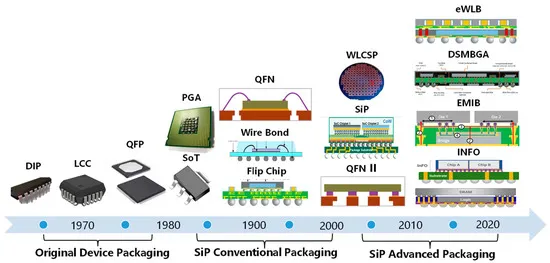
Trends in SiC Module Packaging Evolution
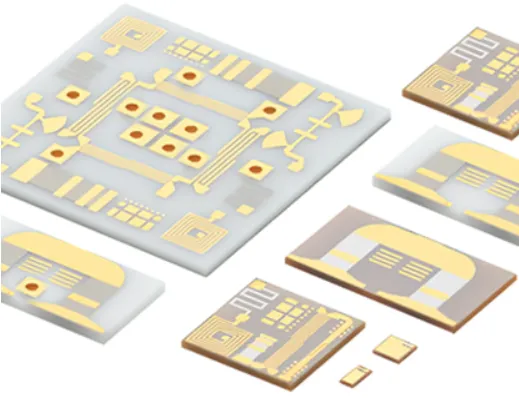
Ceramic PCB vs. FR-4: Choosing the Right Material for Your High-Frequency Design
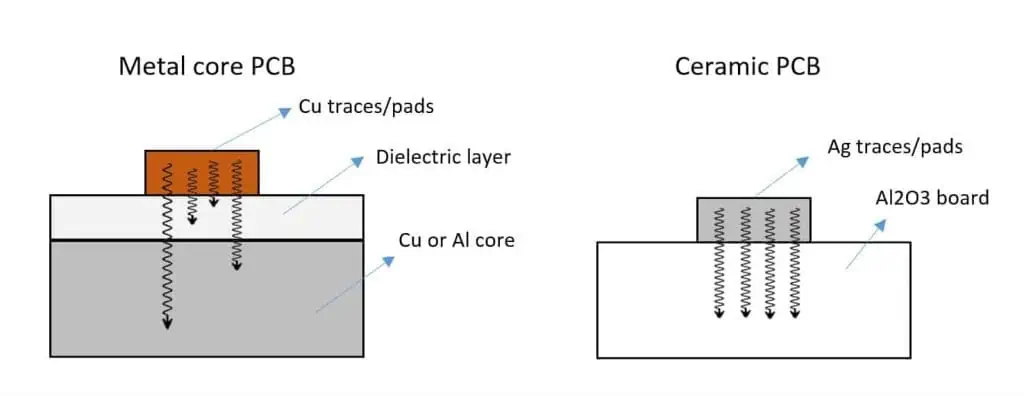
Thermal Management Secrets: Optimizing Heat Dissipation with Ceramic PCBs
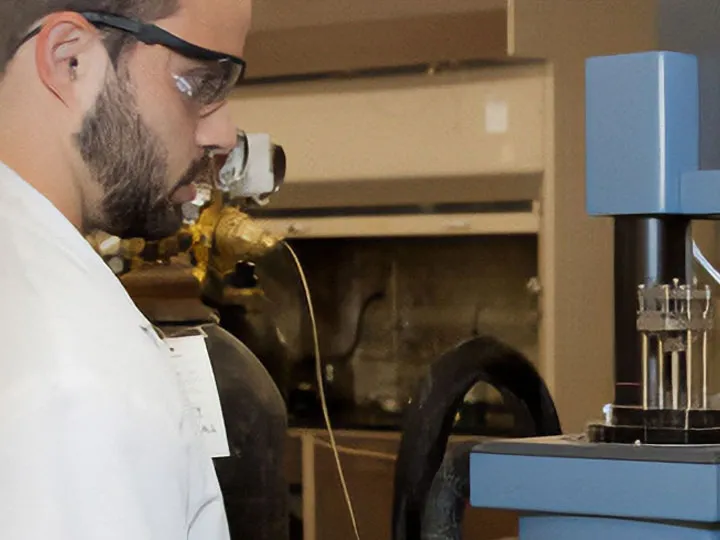
Beyond FR 4: Exploring Advanced PCB Materials for High Performance LED Lighting
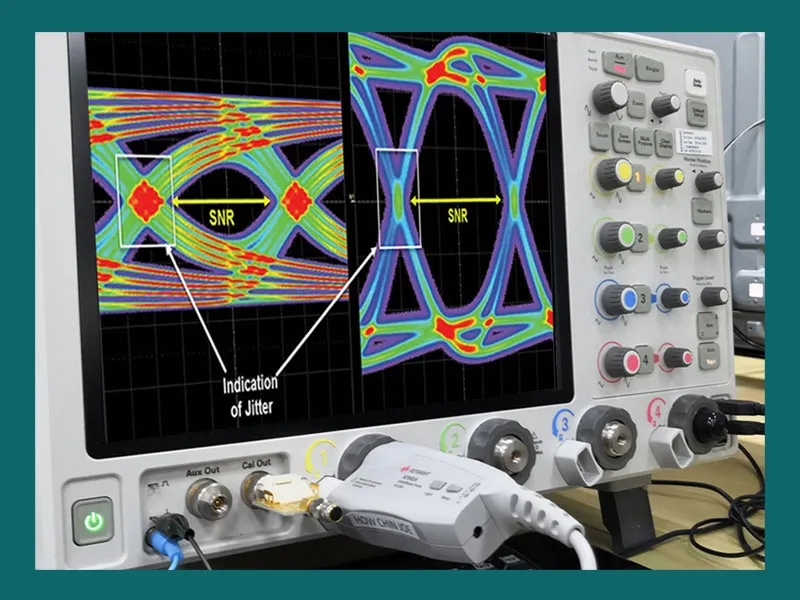
Smart Grid PCB Materials: Choosing the Right Substrate for Performance
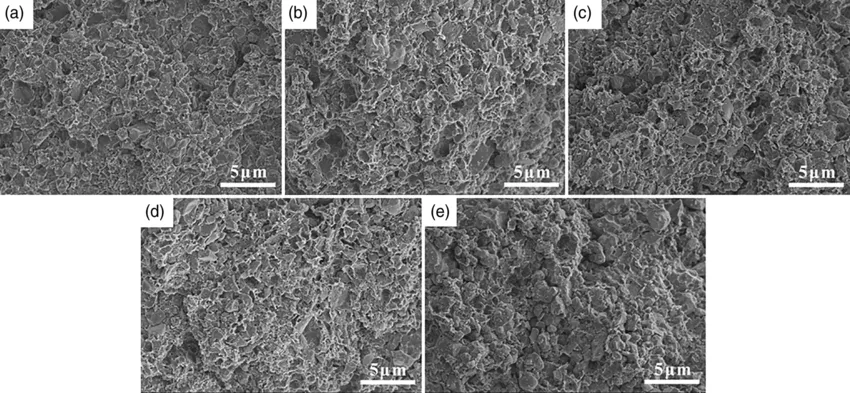
Beyond FR-4: Exploring Advanced PCB Materials for High-Frequency Applications
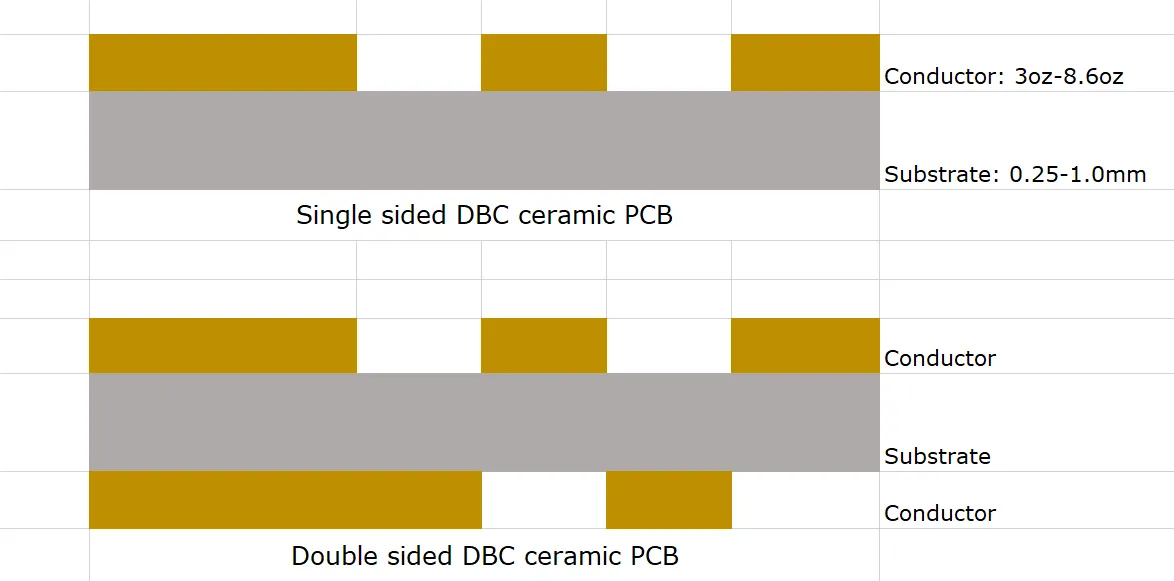
Ceramic PCB Assembly: Best Practices for Soldering and Component Placement
Designing for Extreme Environments: How Ceramic PCBs Enhance Reliability
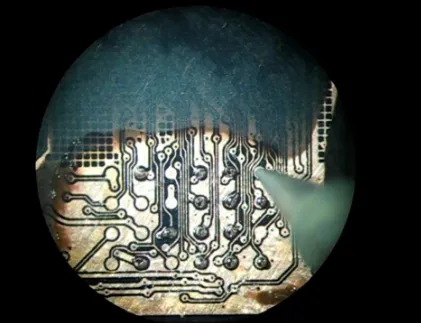
How to Access NAND Flash and Read Data
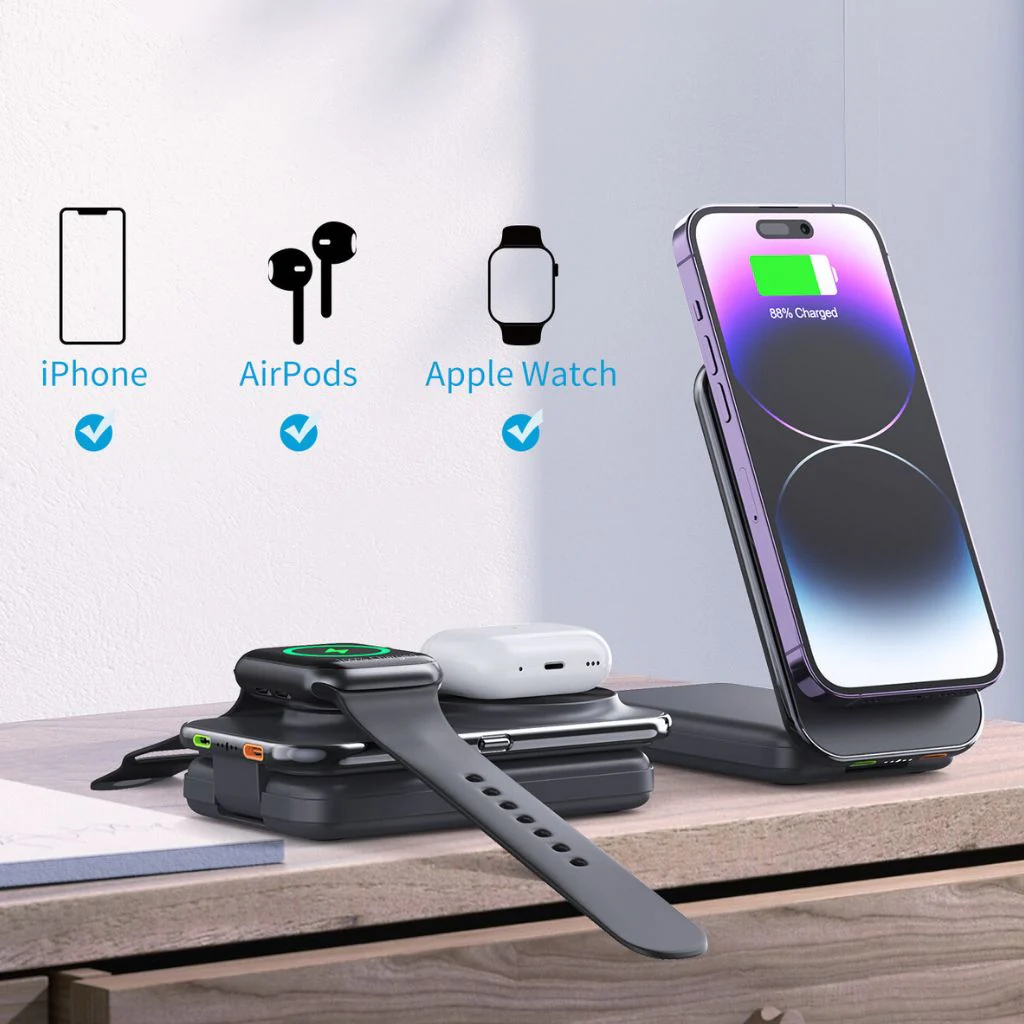
Magnetic Levitation Charging Stand for Apple Watch
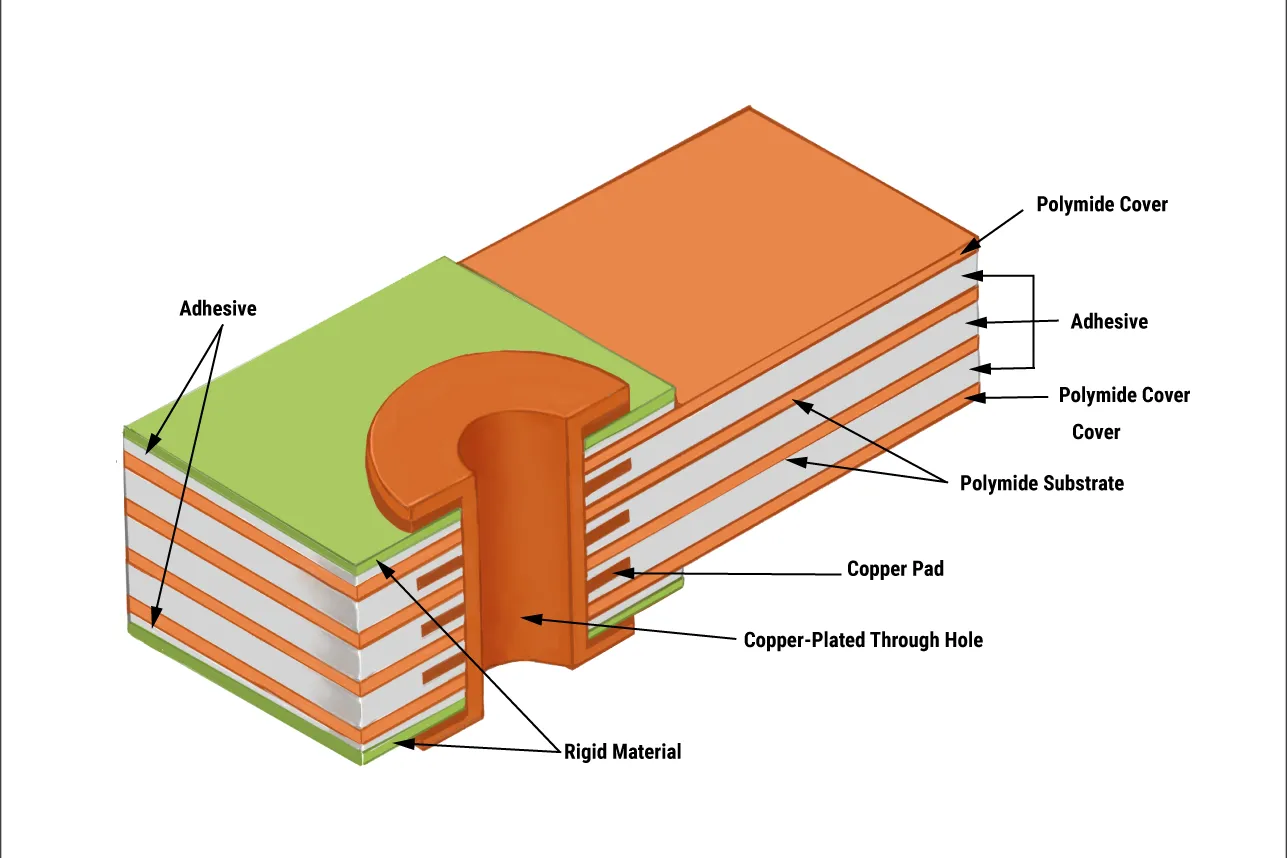
Beyond FR 4: Exploring Advanced Substrates for Rigid Flex PCB Assembly
Selecting PCB Materials for Spacecraft: A Beginner's Guide
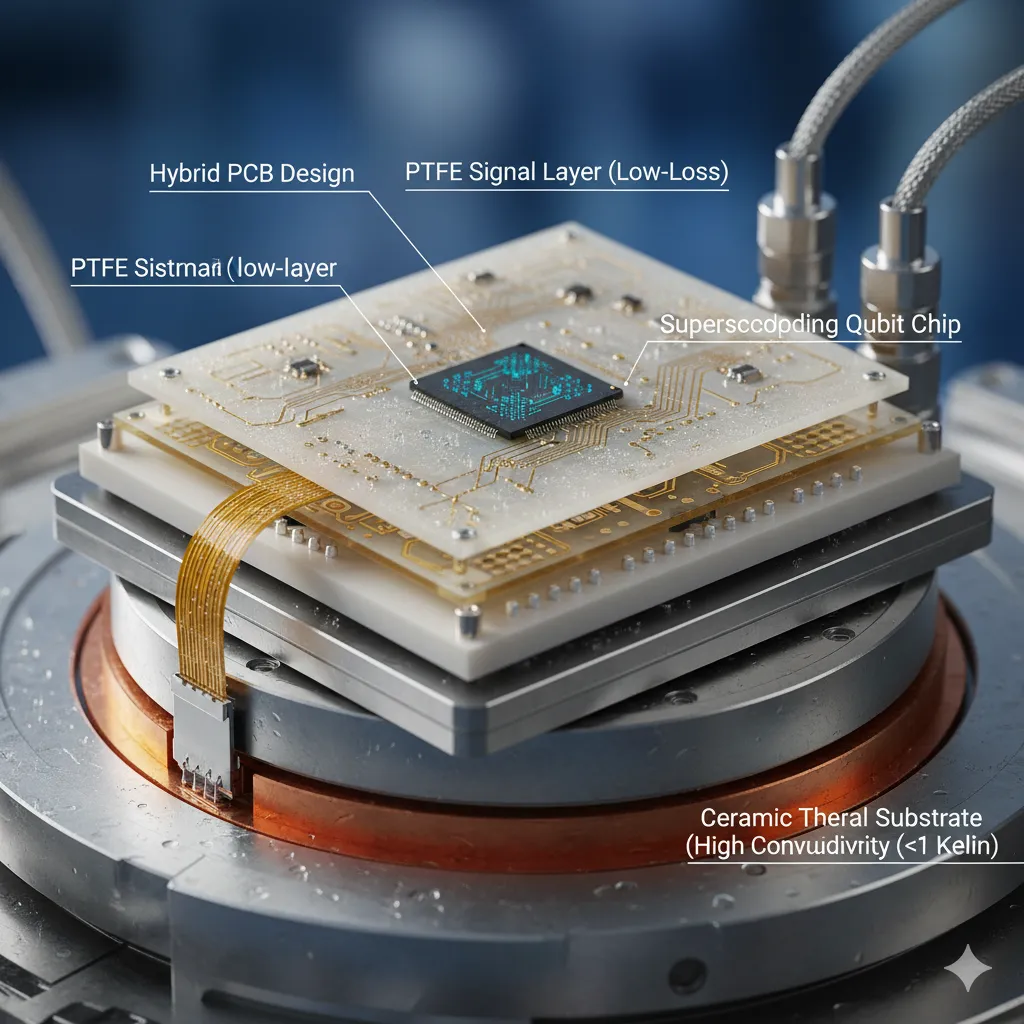
Advanced Materials for Quantum Computing PCBs: A Comprehensive Overview
Get in Touch
Send Message
- Products & Service
- Company
- About AIVON
- Contact
- News
- Blog
- Certification
-


- Payment
-


2026 AIVON.COM All Rights Reserved