isolation-testing
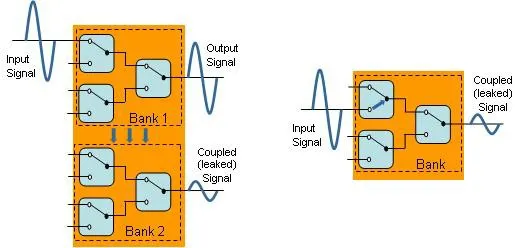
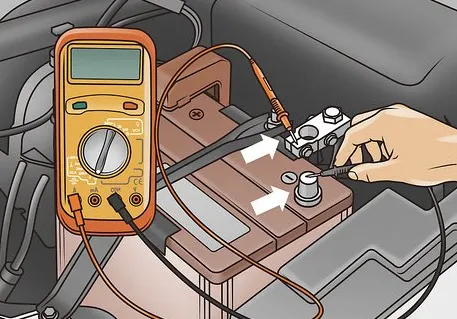
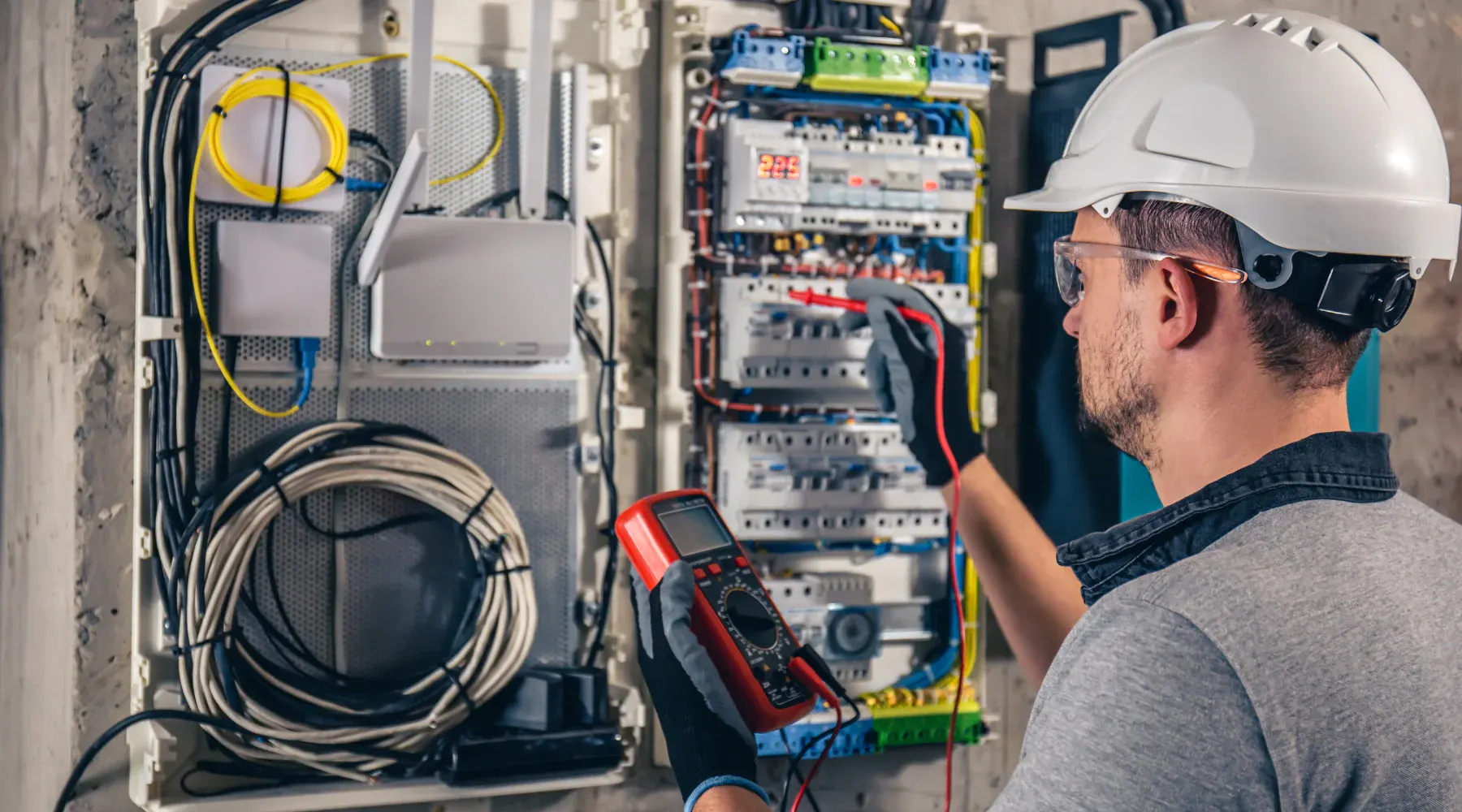
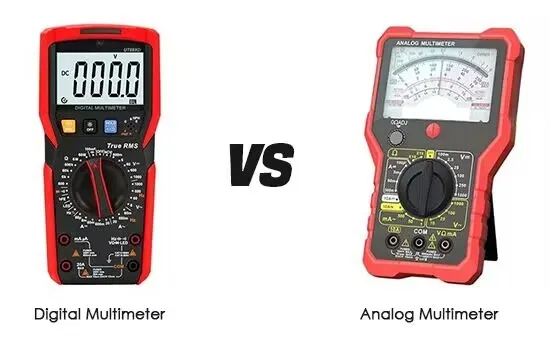
Isolation testing plays a critical role in ensuring the safety, reliability, and performance of electronic systems, particularly in printed circuit board (PCB) design and manufacturing. This process involves verifying that electrical components or circuits are properly isolated from one another, preventing unintended current flow that could lead to short circuits, equipment failure, or even hazardous conditions. For engineers, technicians, and hobbyists searching for isolation testing, this tag serves as a comprehensive resource, covering methods such as dielectric withstand tests, insulation resistance measurements, and high-potential (hipot) testing. Understanding these techniques is essential for complying with industry standards like IPC or UL, where isolation ensures protection against voltage surges and electromagnetic interference in applications ranging from power supplies to medical devices. In practical terms, effective isolation testing helps identify weaknesses early in the design phase, reducing costly rework and enhancing product longevity. For instance, in high-voltage environments, engineers often employ tools like multimeters or specialized hipot testers to measure breakdown voltages and leakage currents, applying best practices such as calibrating equipment regularly and adhering to safety protocols to avoid operator risks. This tag gathers articles that delve into real-world scenarios, including troubleshooting common isolation failures in multilayer PCBs and optimizing designs for better creepage and clearance distances. By exploring these resources, users can gain actionable insights to implement robust testing strategies, ultimately improving the integrity of their electronic projects. Whether you are debugging a prototype or scaling production, the content under this isolation testing tag provides step-by-step guidance on selecting appropriate test parameters and interpreting results accurately. This knowledge empowers professionals to mitigate risks associated with galvanic isolation in transformers or optoisolators, ensuring devices operate safely across diverse industries like automotive and telecommunications.
Technical Articles
Get in Touch
Send Message
- Products & Service
- Company
- About AIVON
- Contact
- News
- Blog
- Certification
-


- Payment
-


2026 AIVON.COM All Rights Reserved