Overview
The isolation of an RF switch can be measured using several methods. Choose the method and equipment that match the switch specifications and the required measurement accuracy.
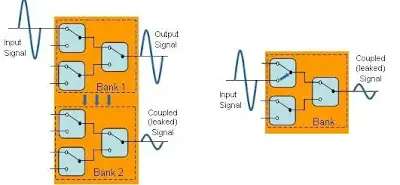
Using a power meter and signal source
Connect a power meter and a signal source to the RF switch input and output ports. Set appropriate power and frequency. Measure the power at the input and at the output, then calculate isolation from those measurements.
Isolation calculation
Isolation (dB) = 10 * log10(input power / output power)
Using a network analyzer
Connect port 1 of the network analyzer to the RF switch input and port 2 to the RF switch output. Set the desired frequency range and power level on the analyzer. Measure the S parameters and compute isolation based on the S21 or other relevant S-parameter measurements. The exact calculation depends on the network analyzer and test setup.
Using dedicated isolation testers
Some vendors offer dedicated instruments for measuring RF switch isolation. These instruments provide higher accuracy and sensitivity and can directly report isolation values.
Test considerations
Ensure the test environment is stable and that cabling, connectors, and fixtures are suitable for the frequency range. Calibrate instruments as required and follow the RF switch datasheet for recommended test conditions.