Solder Bridging
Solder bridging occurs when excess solder inadvertently connects two or more adjacent pads, pins, or traces on a printed circuit board, leading to electrical shorts that can compromise the functionality of electronic devices. This common defect is often encountered during the soldering process, particularly in surface-mount technology (SMT) assembly or hand-soldering tasks, where factors like improper solder paste application, excessive heat, or inadequate flux can exacerbate the issue. For engineers, hobbyists, and technicians searching for solutions to solder bridging, understanding its causes is essential to maintaining circuit integrity and preventing costly rework. In practical terms, identifying solder bridging early can save significant time and resources in PCB prototyping and production. Visual inspection under magnification, along with electrical testing using multimeters or automated optical inspection (AOI) systems, helps detect these bridges before they cause failures. Best practices for prevention include optimizing stencil design for solder paste deposition, selecting appropriate solder alloys with suitable melting points, and employing reflow profiles that ensure even heating without overflow. For those dealing with through-hole components, techniques such as using solder wick or desoldering pumps provide effective remedies to remove unwanted bridges without damaging surrounding elements. The articles collected under the Solder Bridging tag delve into these topics with step-by-step troubleshooting guides, case studies from real-world electronics manufacturing, and tips for both beginners and seasoned professionals. Whether you are refining your soldering skills for a DIY project or scaling up production processes, these resources offer insights into advanced methods like selective soldering and the role of design rules in minimizing bridging risks. By addressing root causes and implementing proven strategies, you can achieve cleaner, more reliable solder joints and enhance overall PCB performance.
Technical Articles

How to Prevent Solder Mask Bridge Failure and NSMD BGA Issues in 8-Layer PCB
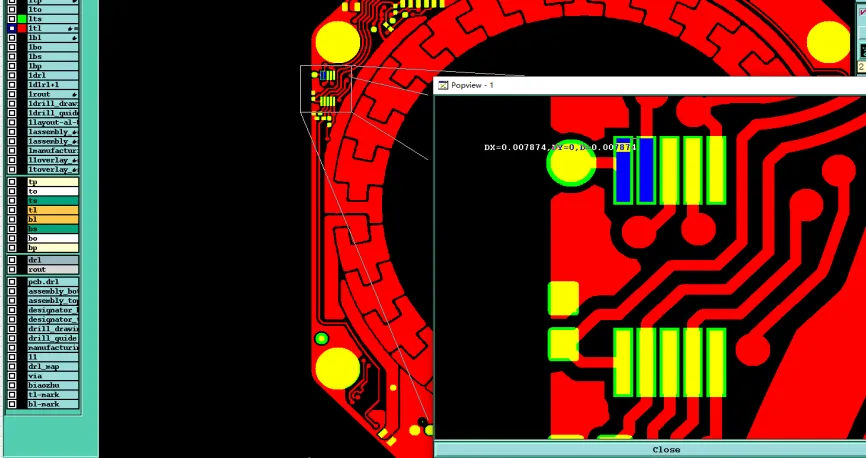
2-Layer High-TG FR-4 PCB Engineering Case: Copper Thickness vs. Fine Line Conflict and Solder Mask Bridge Challenges in BGA Region
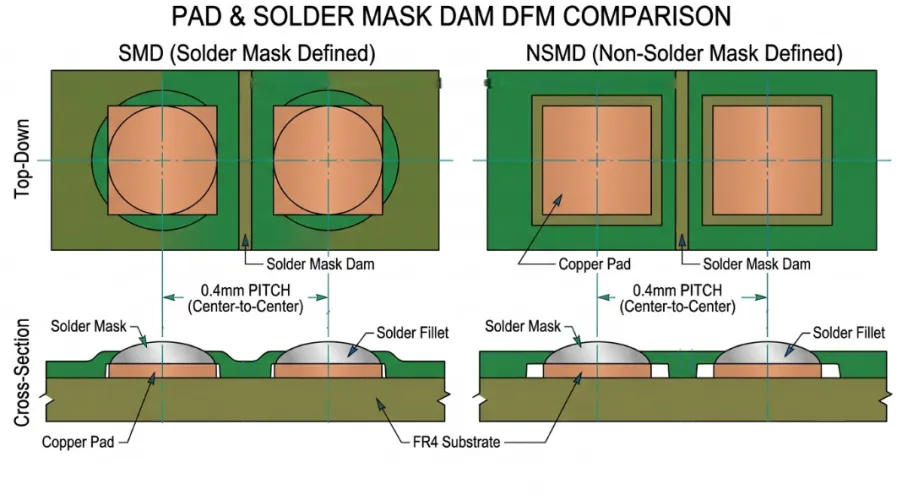
Why HDI PCB Designers Should Avoid Small Solder Mask Bridges
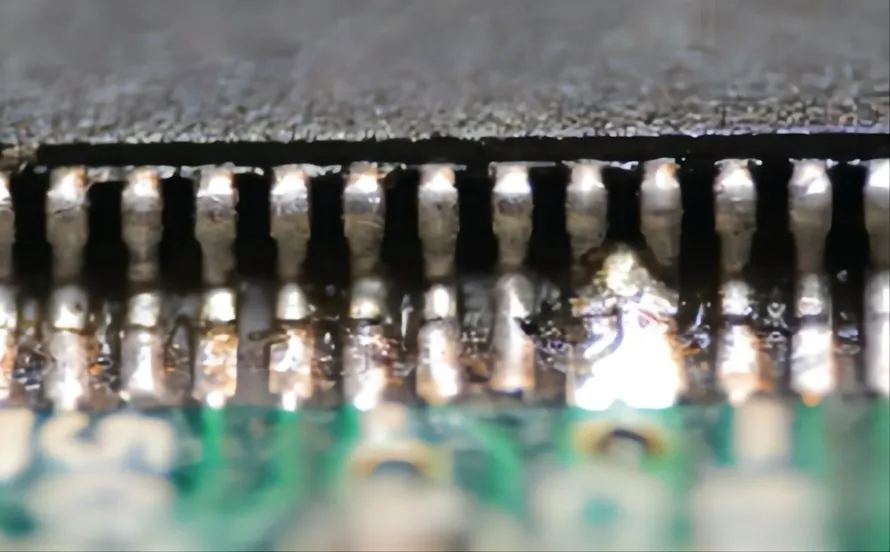
Solder Joint Defects: Diagnosing & Fixing Common Soldering Issues

Troubleshooting Common Wave Soldering Defects: A Practical Guide
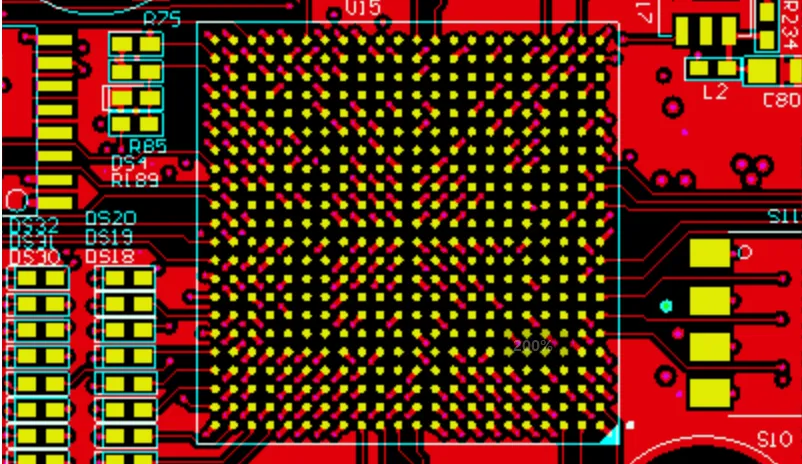
Fine Pitch Components: Achieving Optimal Pad to Pad Spacing for Reliable Connections
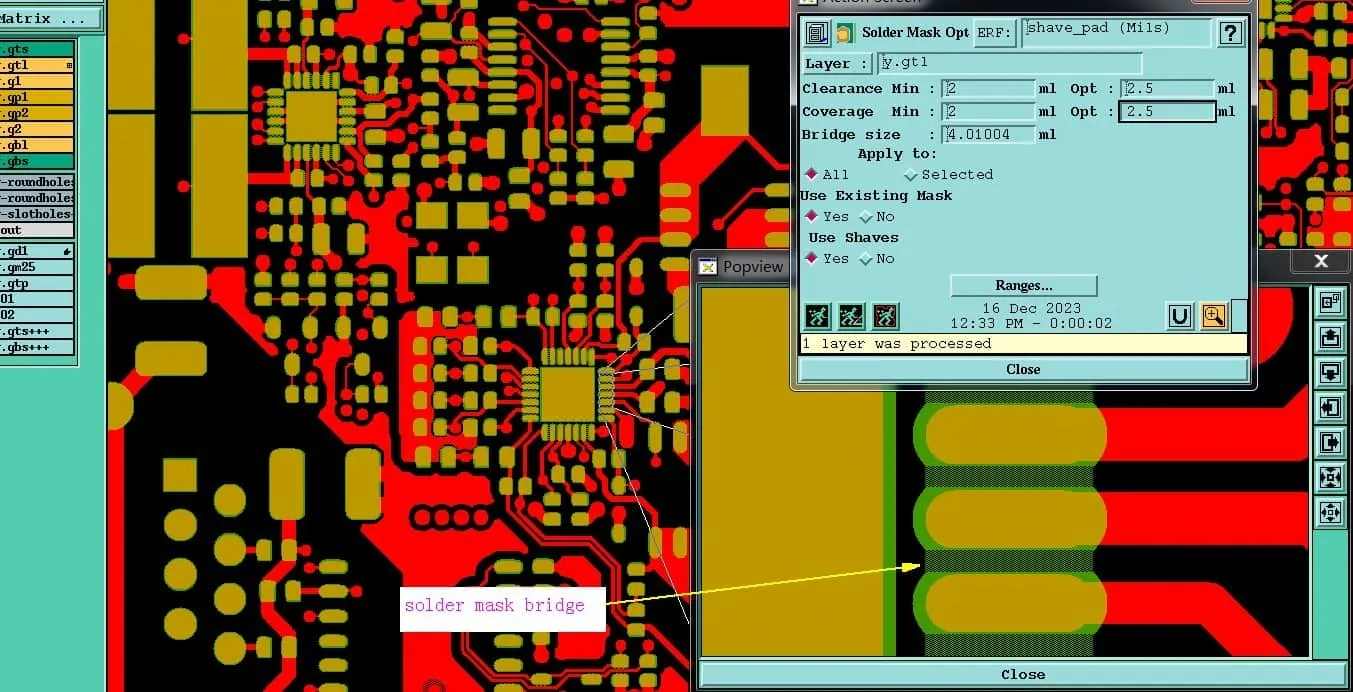
What is a Solder Mask Bridge in PCB Design?
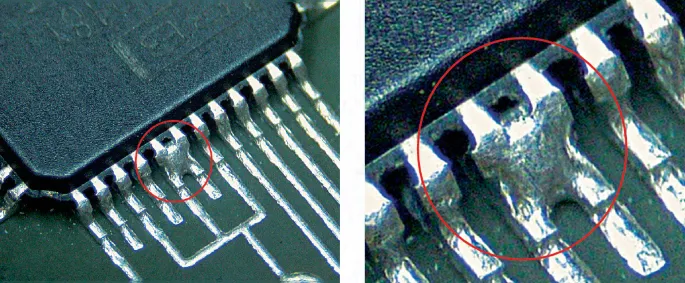
Troubleshooting Common Issues with Step Up Stencil Printing
Get in Touch
Send Message
- Products & Service
- Company
- About AIVON
- Contact
- News
- Blog
- Certification
-


- Payment
-


2026 AIVON.COM All Rights Reserved