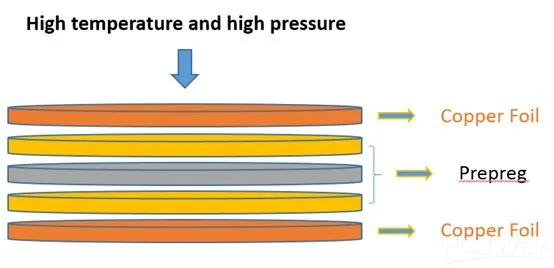
cem-1-pcb
CEM-1 PCB materials represent a reliable and cost-effective option for printed circuit board fabrication, particularly in applications where high performance is not the primary requirement. Composed of a composite epoxy resin with a paper core reinforced by woven glass fabric, CEM-1 offers good mechanical strength, thermal stability, and electrical insulation properties. This makes it an ideal choice for single-sided or low-layer count PCBs used in consumer electronics, automotive components, and basic industrial equipment. Engineers and designers often turn to CEM-1 when balancing budget constraints with functional reliability, as it provides a step up from phenolic boards while remaining more affordable than advanced laminates like FR-4. For those searching for information on CEM-1 PCB, this tag serves as a comprehensive resource covering key aspects such as material specifications, manufacturing processes, and performance comparisons. Understanding the limitations of CEM-1, such as its lower heat resistance compared to higher-grade materials, is crucial for avoiding common pitfalls in design. Best practices include selecting appropriate soldering techniques to prevent delamination and ensuring compatibility with lead-free assembly processes. Practical applications range from simple power supplies to LED lighting circuits, where CEM-1's punchability and ease of processing streamline production. Diving deeper into the articles linked under this tag can help you optimize your PCB designs. For instance, explore guides on thermal management strategies or case studies demonstrating successful implementations in cost-sensitive projects. Whether you are troubleshooting fabrication issues or evaluating alternatives, these resources provide actionable insights to enhance your electronics projects efficiently.
Technical Articles
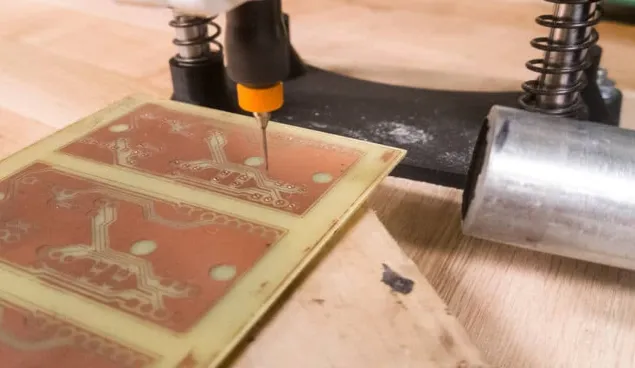
Mastering CEM 1 PCB Design: A Comprehensive Guide for Beginners
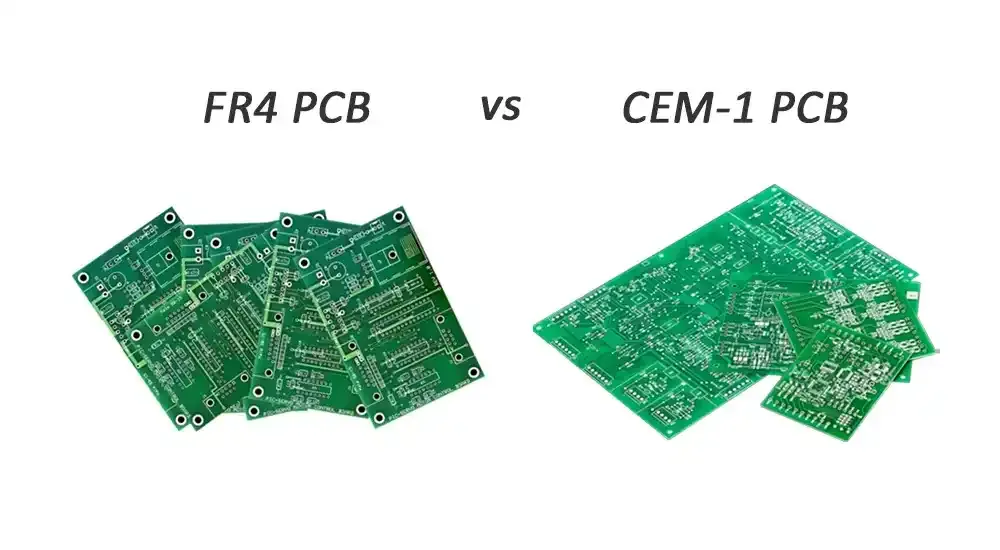
CEM 1 PCB: The Budget Friendly Choice for Single Layer Electronics?
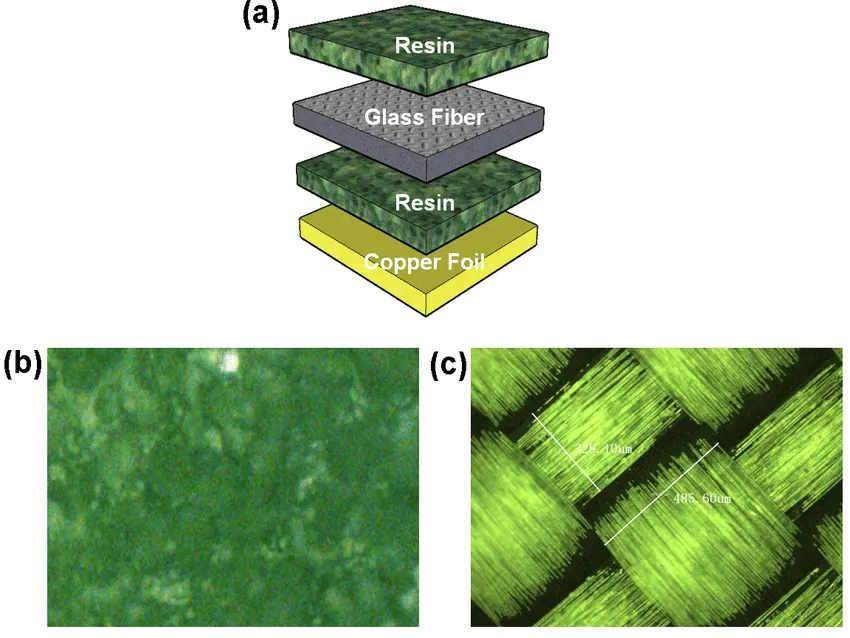
The Role of Substrates in Single Sided PCB Design
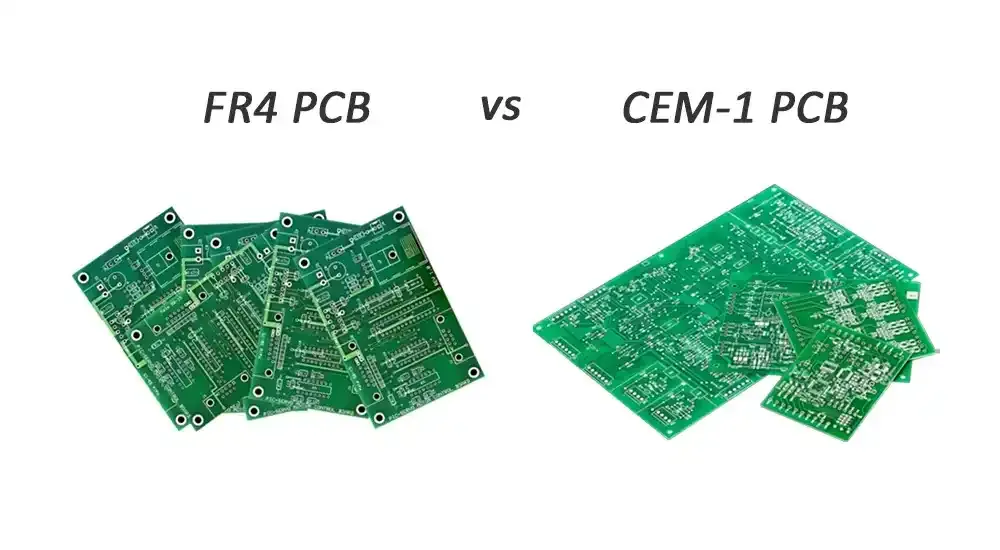
CEM 1 vs. FR 4: Choosing the Right PCB Material for Your Project
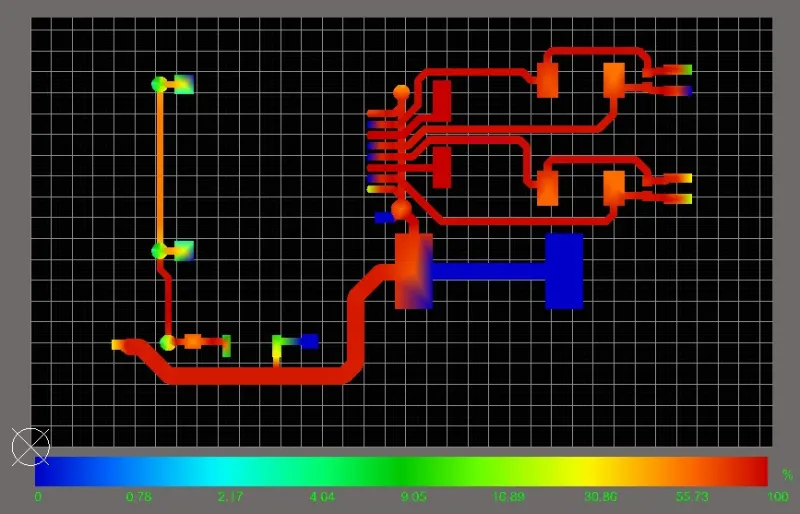
Optimize Your CEM 1 PCB Design: Mastering Trace Width and Spacing
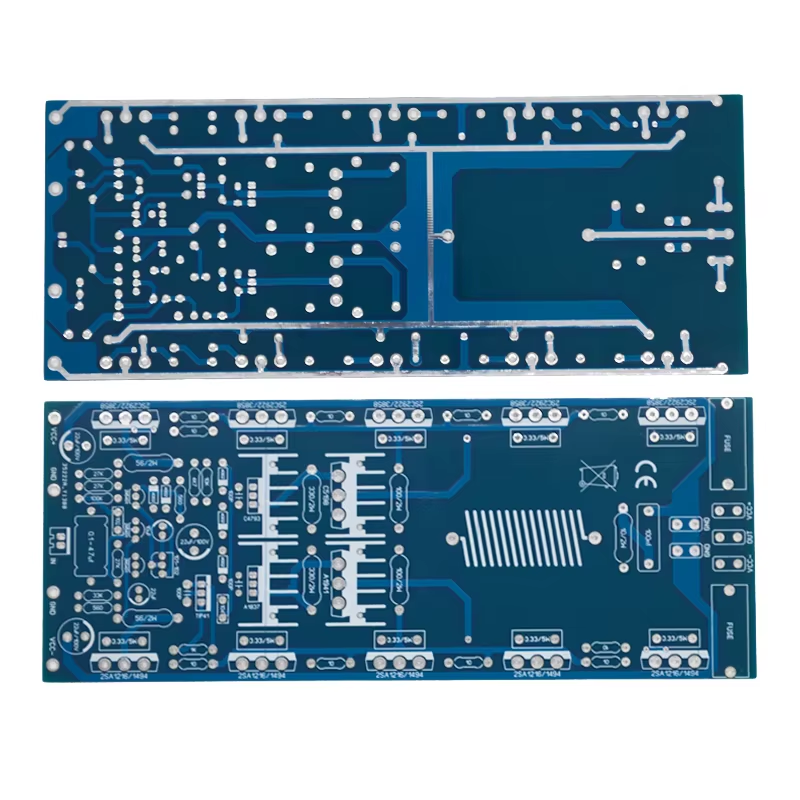
CEM 1 for Audio Amplifiers: A Cost Effective Solution for Clear Sound
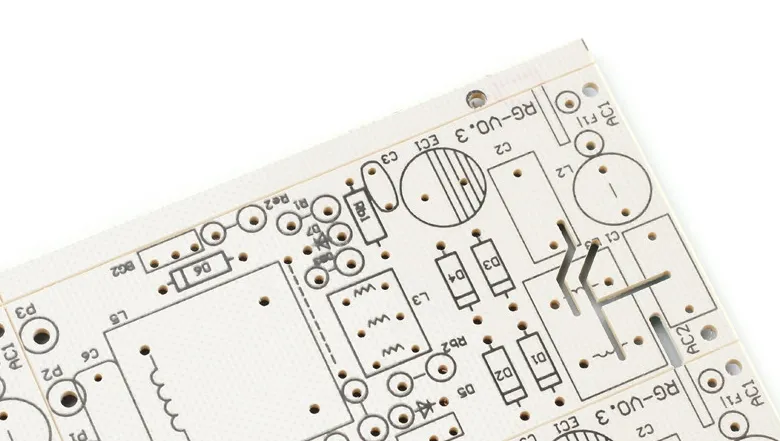
CEM 1 in Consumer Electronics: Why It Remains a Popular Choice
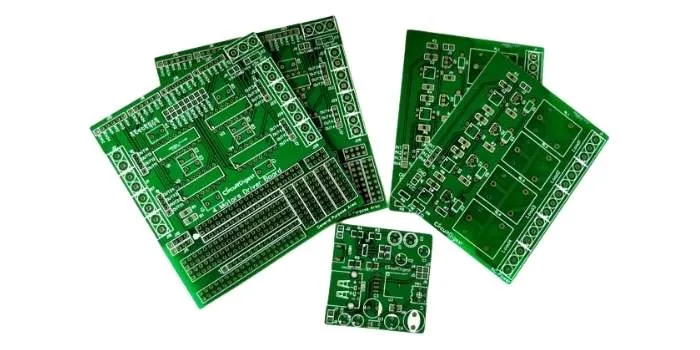
CEM-3 PCB: The Unsung Hero of Budget-Friendly Electronics
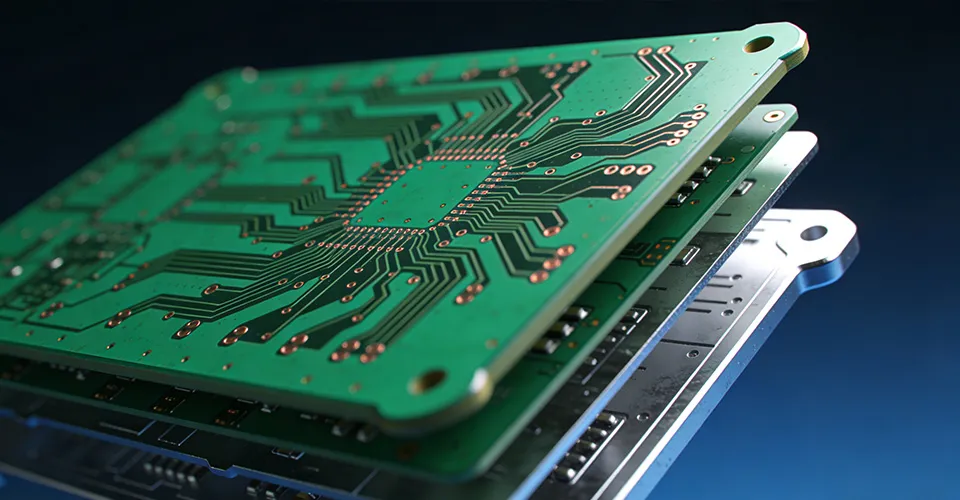
Thermal Management on a Budget: CEM-3 PCBs for LED Lighting
Get in Touch
Send Message
- Products & Service
- Company
- About AIVON
- Contact
- News
- Blog
- Certification
-


- Payment
-


2026 AIVON.COM All Rights Reserved