
medical-pcb-assembly
Medical PCB assembly plays a critical role in the development of reliable and compliant electronics for healthcare applications. This tag encompasses a range of topics focused on the specialized processes involved in designing, manufacturing, and assembling printed circuit boards (PCBs) tailored for medical devices. From diagnostic equipment and implantable devices to wearable health monitors, these assemblies must meet stringent standards to ensure patient safety, data accuracy, and operational longevity. Professionals searching for Medical PCB Assembly often seek guidance on navigating regulatory requirements such as ISO 13485 and FDA guidelines, which demand rigorous quality management systems. Key considerations include selecting biocompatible materials that withstand sterilization processes, implementing robust traceability in component sourcing, and integrating fail-safe designs to minimize risks in life-critical scenarios. For instance, incorporating redundant circuits and advanced soldering techniques can enhance reliability in high-stakes environments like surgical tools or monitoring systems. Practical applications under this tag highlight best practices for optimizing assembly workflows, such as automated optical inspection (AOI) for defect detection and conformal coating to protect against moisture and contaminants. Engineers can find actionable insights on reducing electromagnetic interference (EMI) in sensitive medical environments, ensuring seamless integration with sensors and power management systems. By addressing common challenges like miniaturization and thermal management, these resources empower designers to create more efficient and cost-effective solutions. Browsing the articles linked here offers detailed case studies and step-by-step tutorials that build on these foundations, helping you apply proven strategies to your projects and stay ahead in the evolving field of medical electronics.
Technical Articles
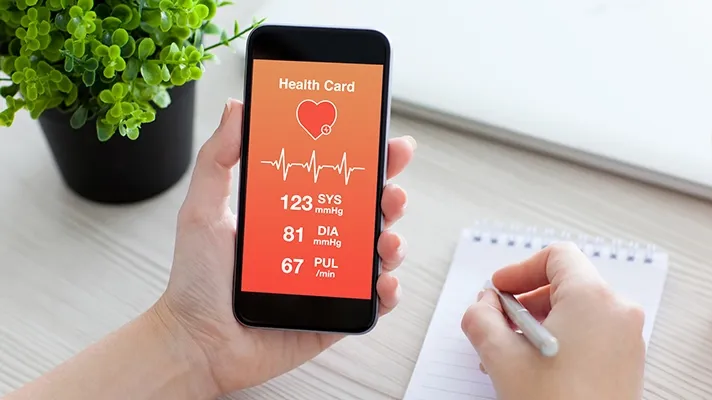
Mobile Health in Clinical Closed-Loop Management
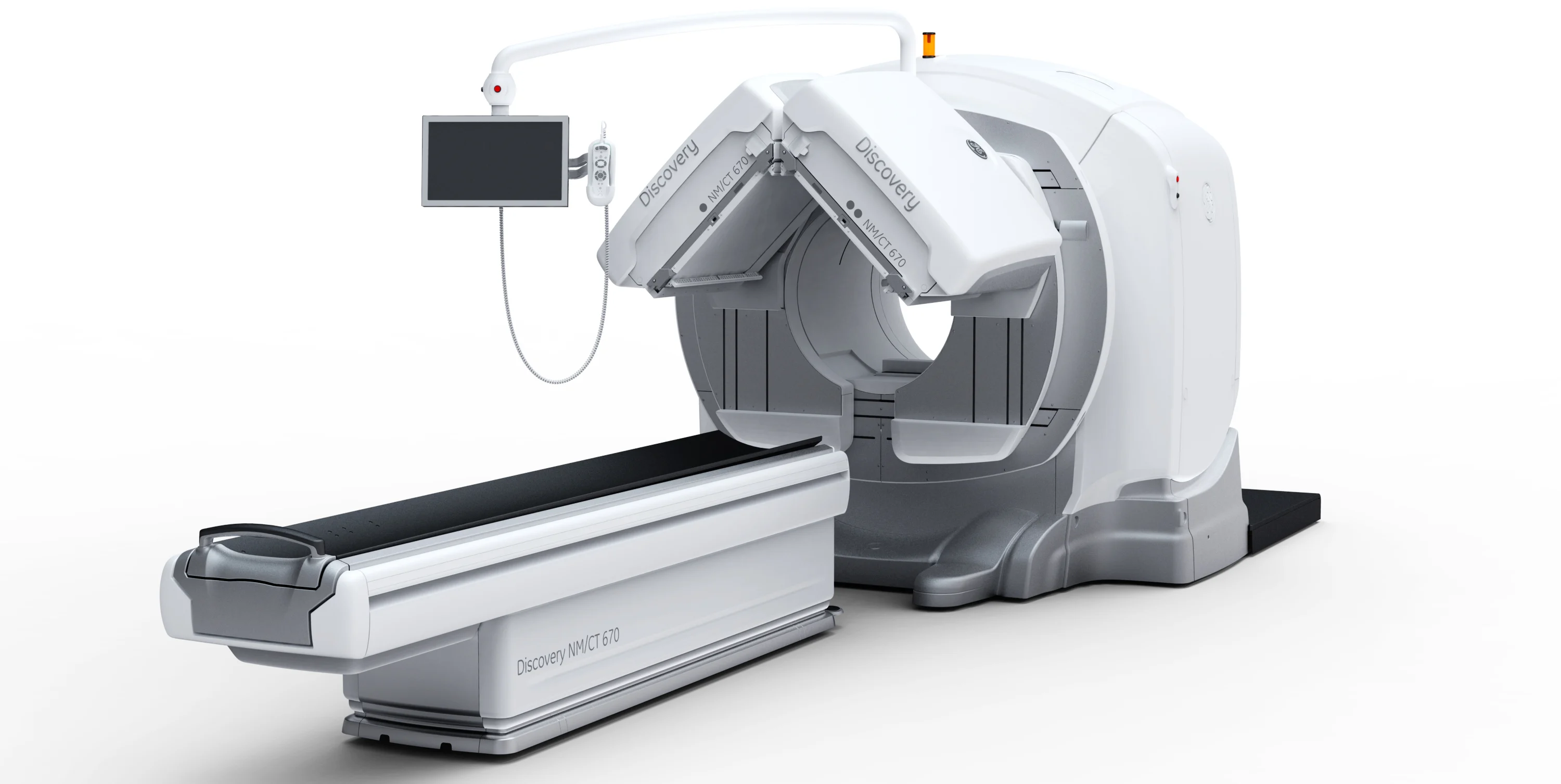
Nuclear Medicine Imaging Devices: Types, Features and Process
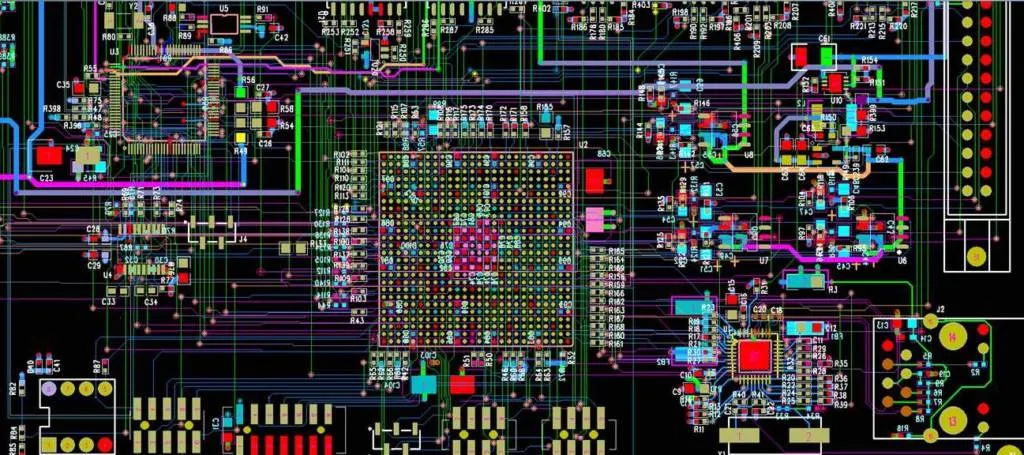
Comprehensive Guide to Flexible PCB Design and Reliability

High-Sensitivity Quantum Sensors: Performance Metrics, Quantum Control Principles, and MEMS Integration
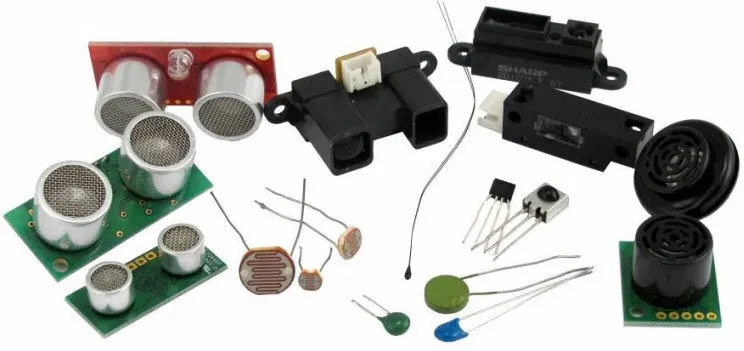
Sensor Types and Applications
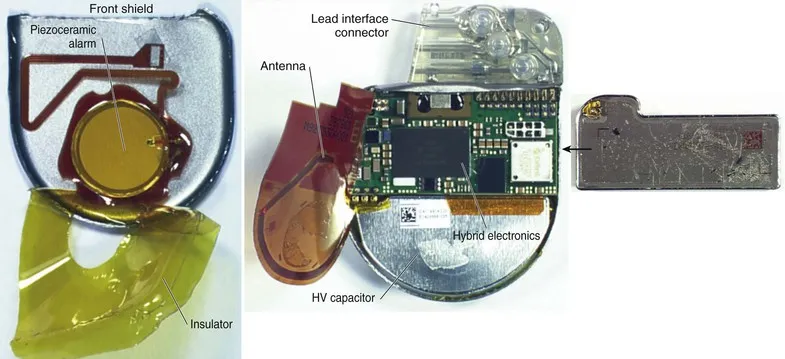
Optimizing Power Management in Pacemaker PCBs: Efficient Battery Usage for Long Term Reliability
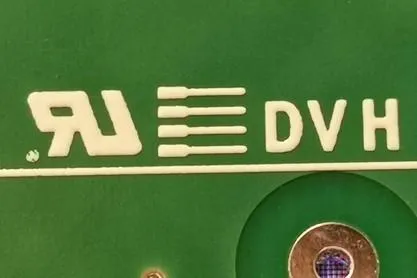
UL Certification for Medical PCBs: Meeting Stringent Safety Requirements
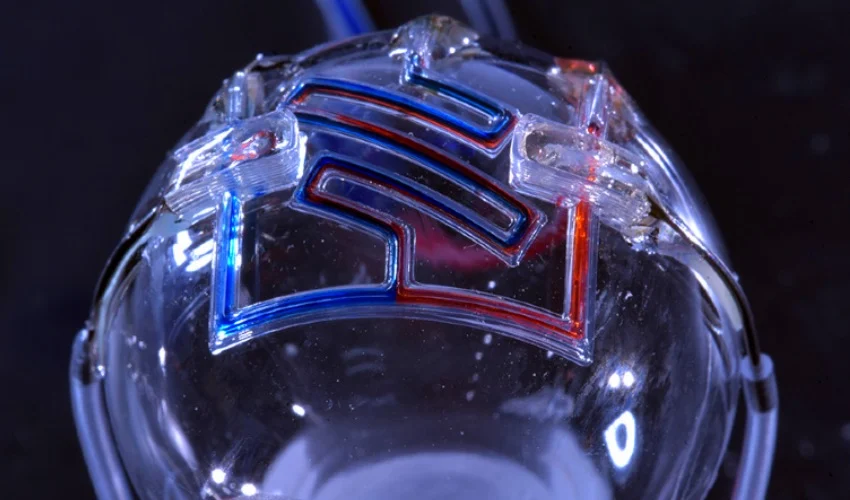
3D-Printed Flow Sensor for Microfluidic Applications

Flexible Bionic Fiber-Optic Tactile Sensor Mimicking Skin
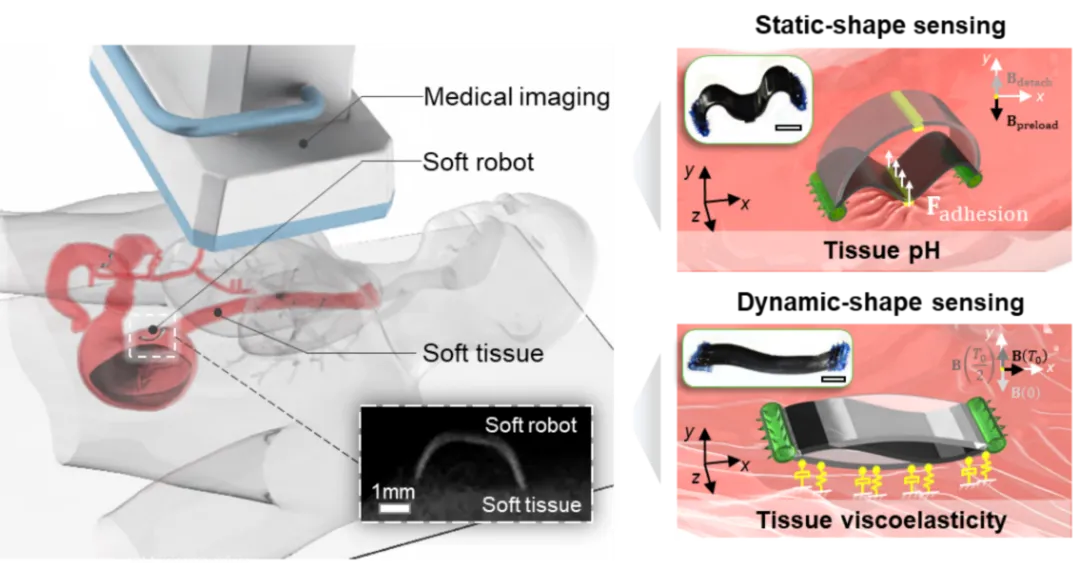
Magnetically Driven Mini Soft Robots: Tissue Sensing and Miniature Electronics Challenges

PCB Assembly for Medical Devices: Regulatory Compliance and Quality Assurance
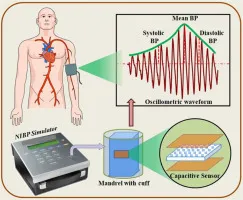
Oscillometric Bluetooth 4.0 Electronic Blood Pressure Monitor Design

DIY Home Medical Kit: Front-end Amplifier and EMI

Core Areas and Current State of Medical Image Processing
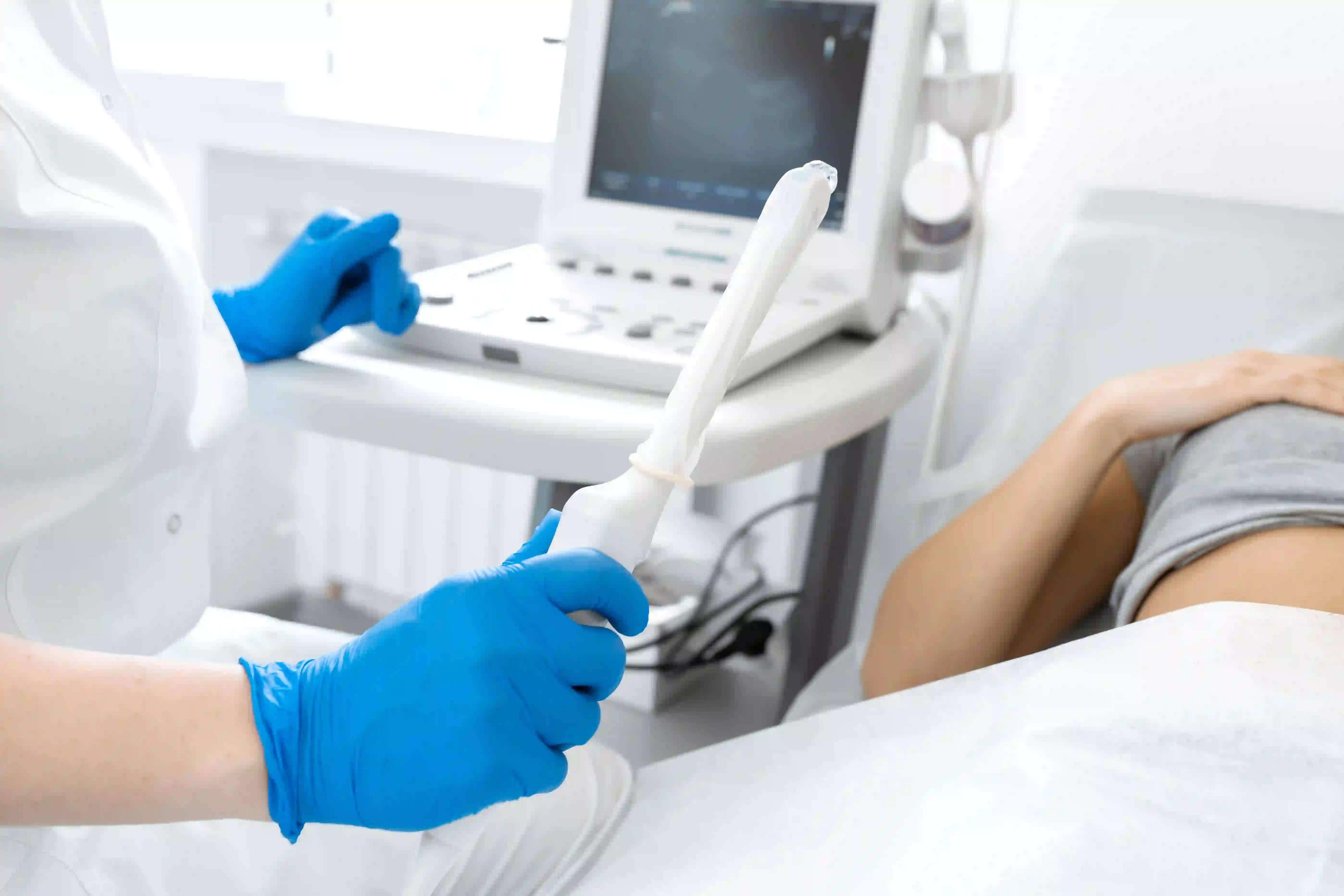
Smart Ultrasound Probes: From Cart-Based to Handheld

Compact, efficient multi-parameter patient monitor design

Battery Life Solution for CGM Using a Smart Battery Fuel Gauge
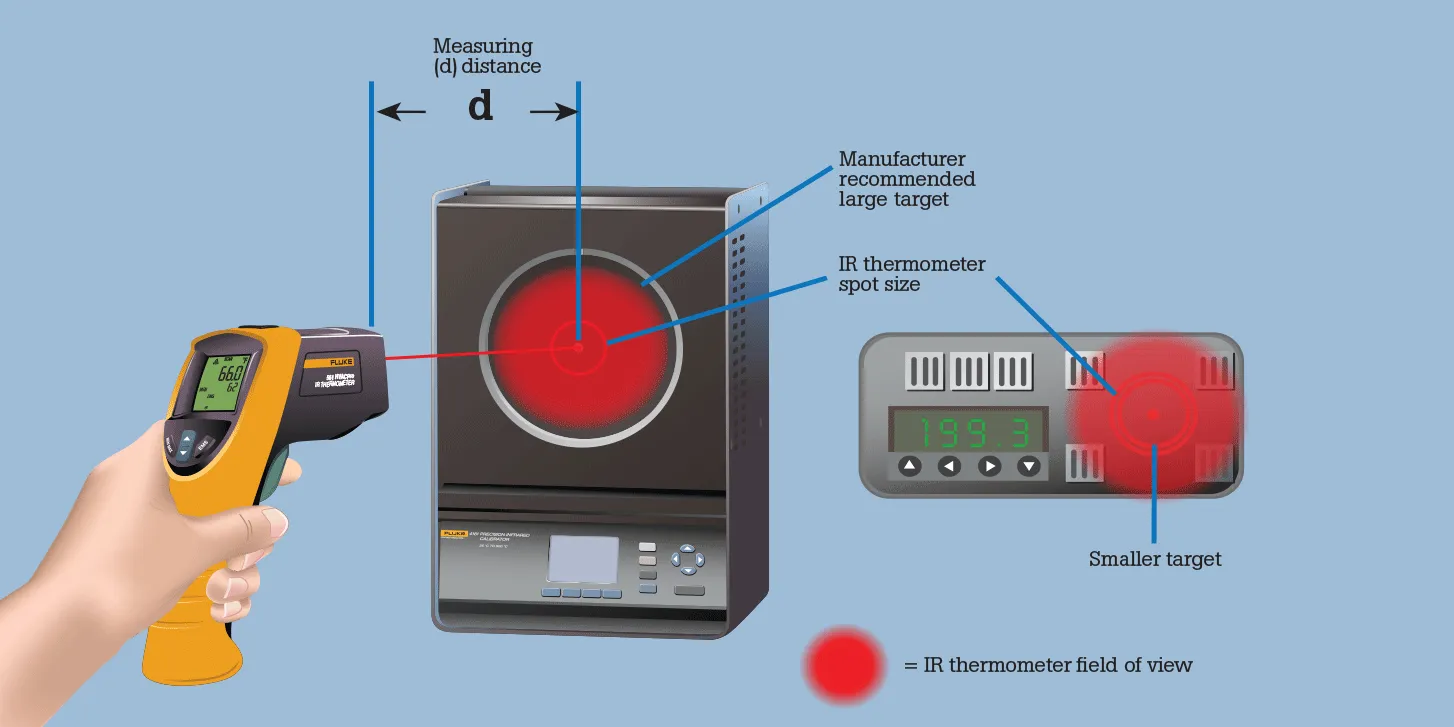
Infrared Thermometer Accuracy: Design Factors
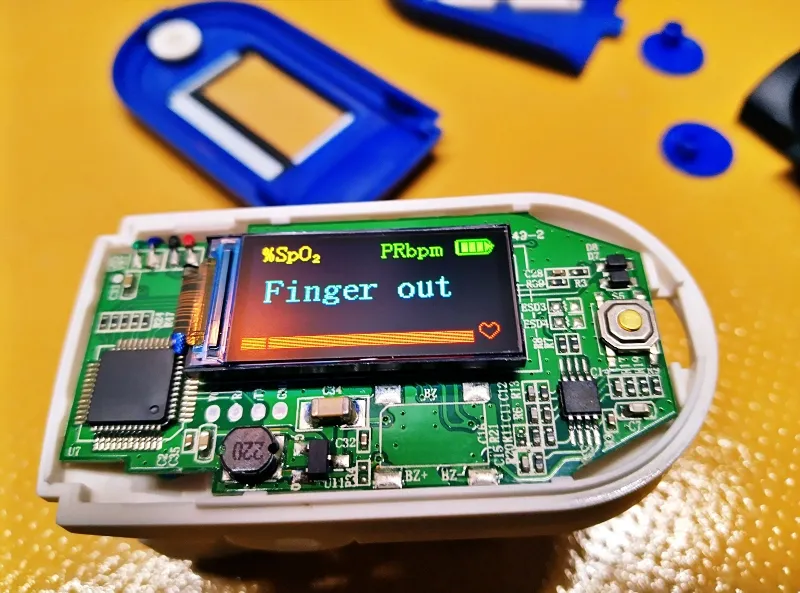
TS9514 Series Pulse Oximetry Chip Overview
Get in Touch
Send Message
- Products & Service
- Company
- About AIVON
- Contact
- News
- Blog
- Certification
-


- Payment
-


2026 AIVON.COM All Rights Reserved