










-
 01:04
01:04
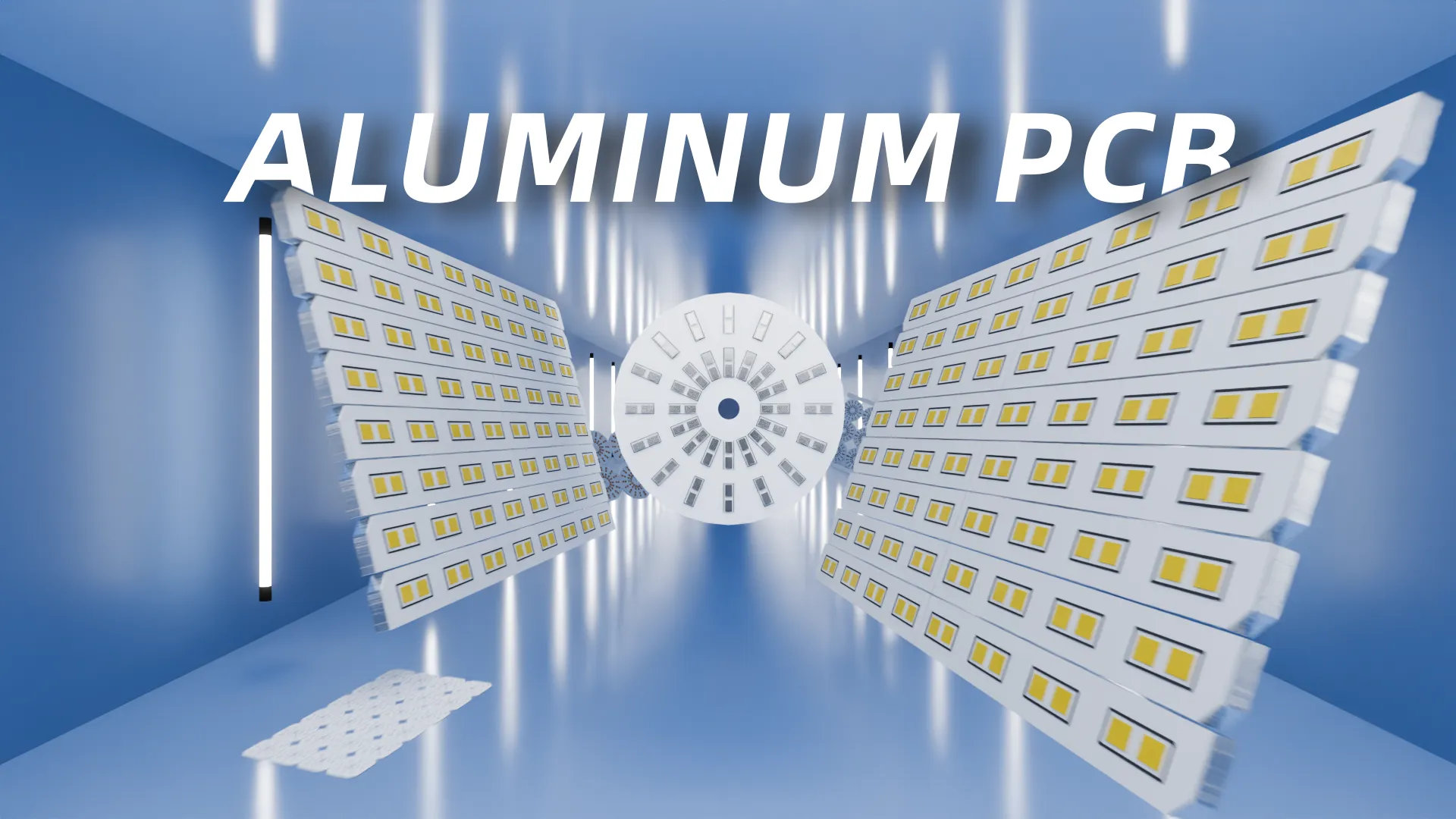
Aluminum PCB: Thermal Performance and Design Advantages
This video explains the structure and engineering advantages of aluminum PCBs (metal-core PCBs), including the aluminum base layer, dielectric insulation, and copper circuitry that work together to deliver efficient heat dissipation. It highlights why aluminum PCBs provide better thermal performance, mechanical strength, and dimensional stability than traditional FR4 boards, especially in high-power applications.
-
 01:09
01:09
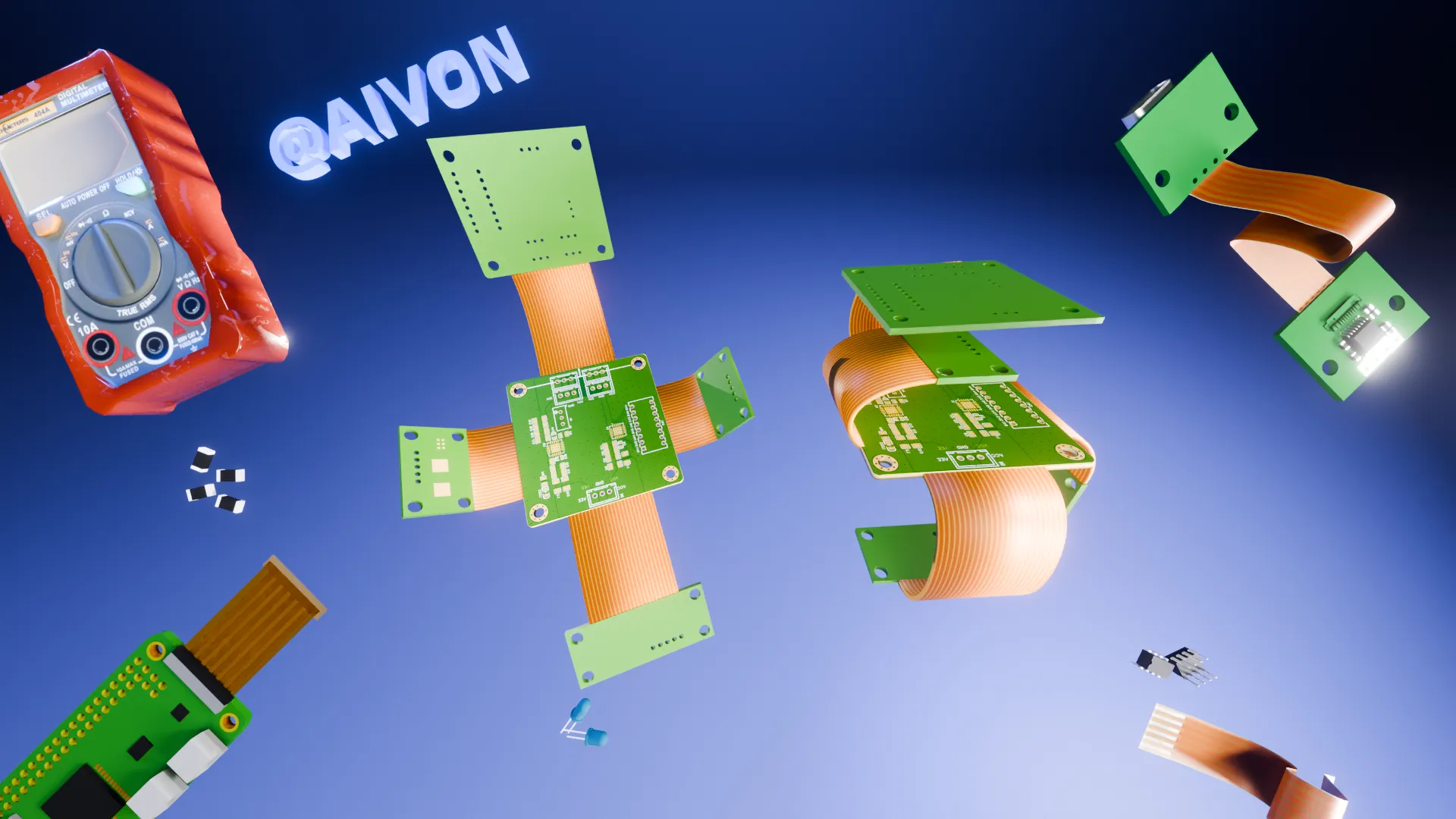
Rigid-Flex PCB: Strength and Flexibility in One Hybrid Design
This video explains how Rigid-Flex PCBs combine the strength of rigid FR4 boards with the flexibility of polyimide circuits in a single design. It highlights the advantages of improved reliability, reduced connectors, compact layouts, and strong thermal performance. The video also showcases key manufacturing capabilities such as multilayer Rigid-Flex construction, controlled impedance routing, laser drilling, and stiffener reinforcement, along with applications in smartphones, medical devices, aerospace systems, and other high-performance electronics.
-
 00:55
00:55
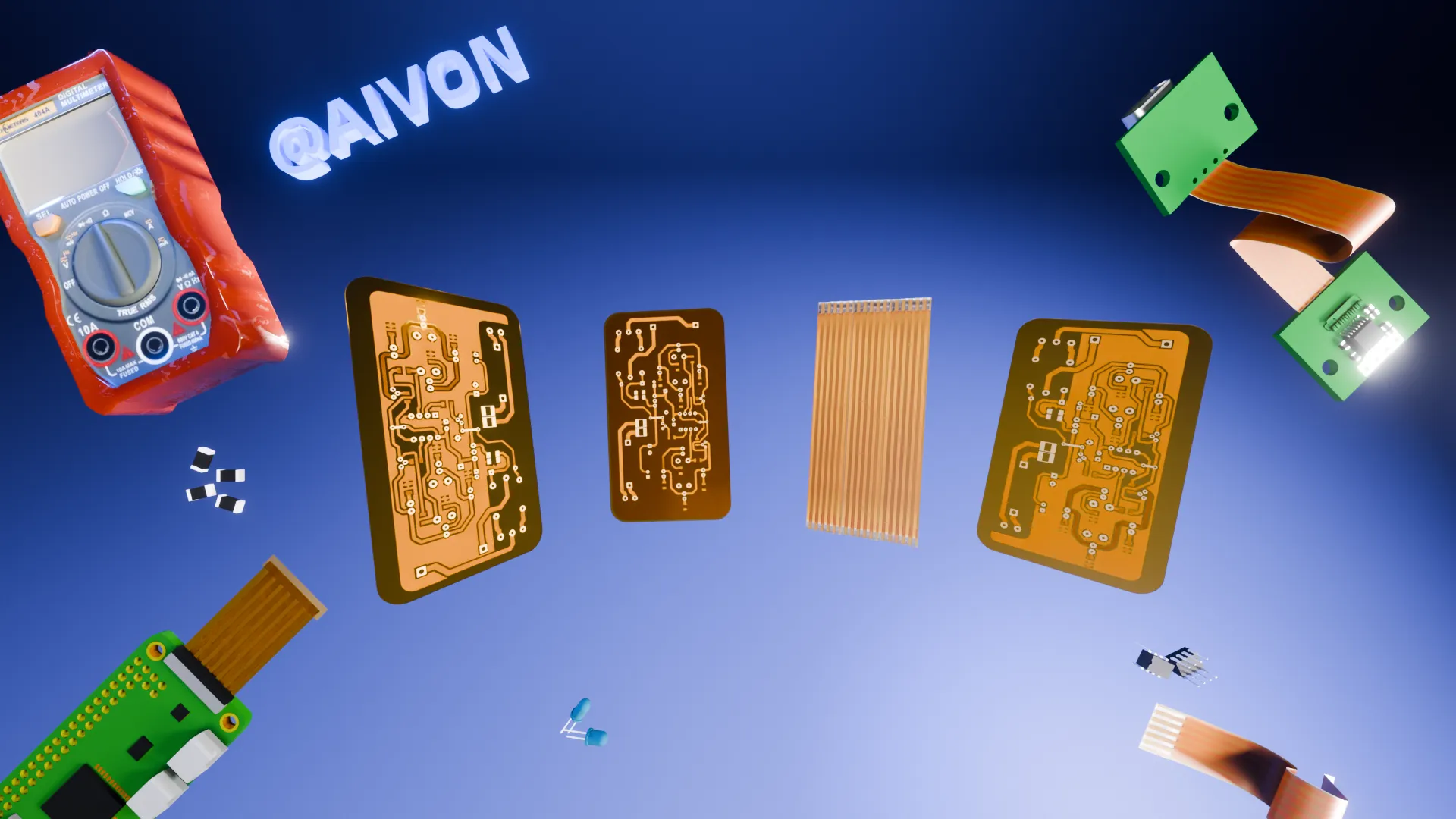
Flexible PCB Explained: Smart Choice for Modern Designs
This video introduces how flexible PCBs (FPCs) support compact and reliable electronic designs by fitting into tight spaces where rigid boards cannot. It covers the benefits of polyimide-based flexible circuits, including lightweight construction, high-temperature resistance, and long-term flex durability. The video also highlights AIVON’s FPC manufacturing capabilities such as multilayer production, fine-line processing, laser drilling, and stiffener integration, along with applications in wearables, automotive electronics, camera modules, and other space-constrained devices.


