Signal Reflections
Signal reflections represent a critical phenomenon in high-speed electronic circuits, particularly within printed circuit board (PCB) design and signal integrity engineering. At its core, signal reflections occur when a transmitted electrical signal encounters an impedance discontinuity along its path, such as at connectors, vias, or unmatched terminations. This mismatch causes a portion of the signal to reflect back toward the source, potentially leading to waveform distortion, ringing, overshoot, or undershoot. These effects can degrade system performance, introduce bit errors in digital communications, and even cause electromagnetic interference (EMI) issues. Understanding signal reflections is essential for engineers working on applications like high-frequency data transmission, RF circuits, and advanced computing systems, where maintaining signal quality directly impacts reliability and efficiency. For those searching for insights on signal reflections, this tag serves as a comprehensive resource to diagnose and address these challenges. Common causes include improper trace routing, inadequate termination strategies, or variations in dielectric materials within the PCB stackup. Practical best practices involve implementing controlled impedance design, using simulation tools like SPICE or electromagnetic field solvers to predict reflections, and applying techniques such as series termination resistors or differential signaling to minimize them. By focusing on these methods, designers can achieve cleaner signal paths, reduce noise margins, and enhance overall circuit robustness, which is particularly valuable in industries like telecommunications, automotive electronics, and consumer devices. The articles grouped under this tag delve into real-world scenarios, offering step-by-step guidance on measurement techniques with oscilloscopes or time-domain reflectometry (TDR), as well as case studies from PCB prototyping to production. Whether you are troubleshooting persistent signal integrity problems or optimizing a new design, these resources provide the technical depth needed to apply effective solutions and stay ahead in electronics innovation.
Technical Articles
The Signal Integrity Gamble: How PCB Size Affects High-Speed Performance
DFM Review for High Speed PCBs: Signal Integrity and Manufacturing Success
Transverse-Mode Charge-Transfer Capacitive Touch Sensing: Principles, Advantages, and PCB Integration
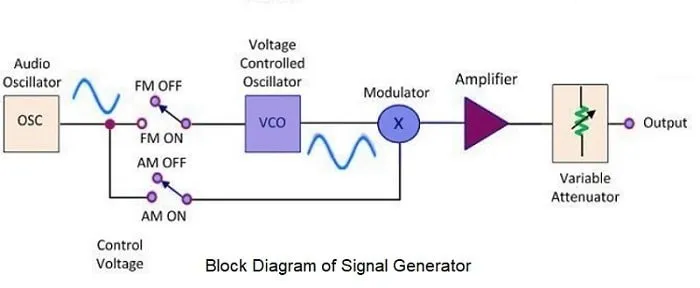
Types and Uses of Signal Generators
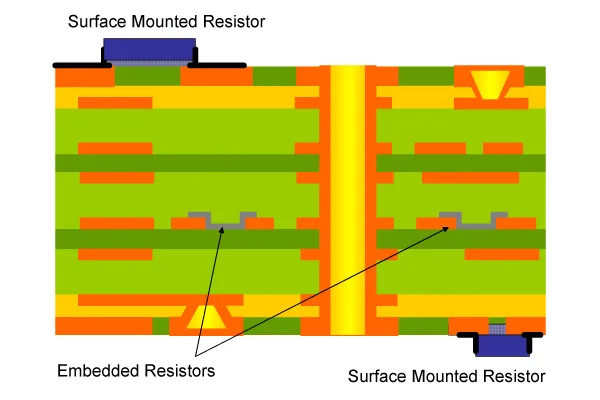
Impedance Control with Buried Resistors: Taming Signal Reflections in High Frequency PCBs
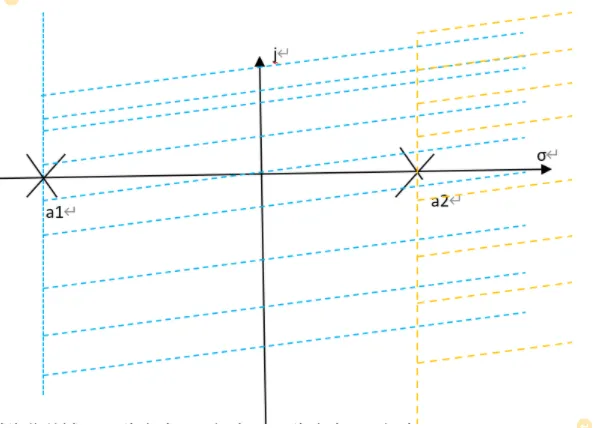
Pole-Zero Analysis in Analog Circuits (Part 2)
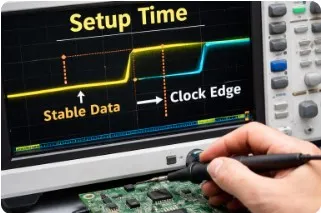
DAC Setup and Hold Time in High-Speed Designs
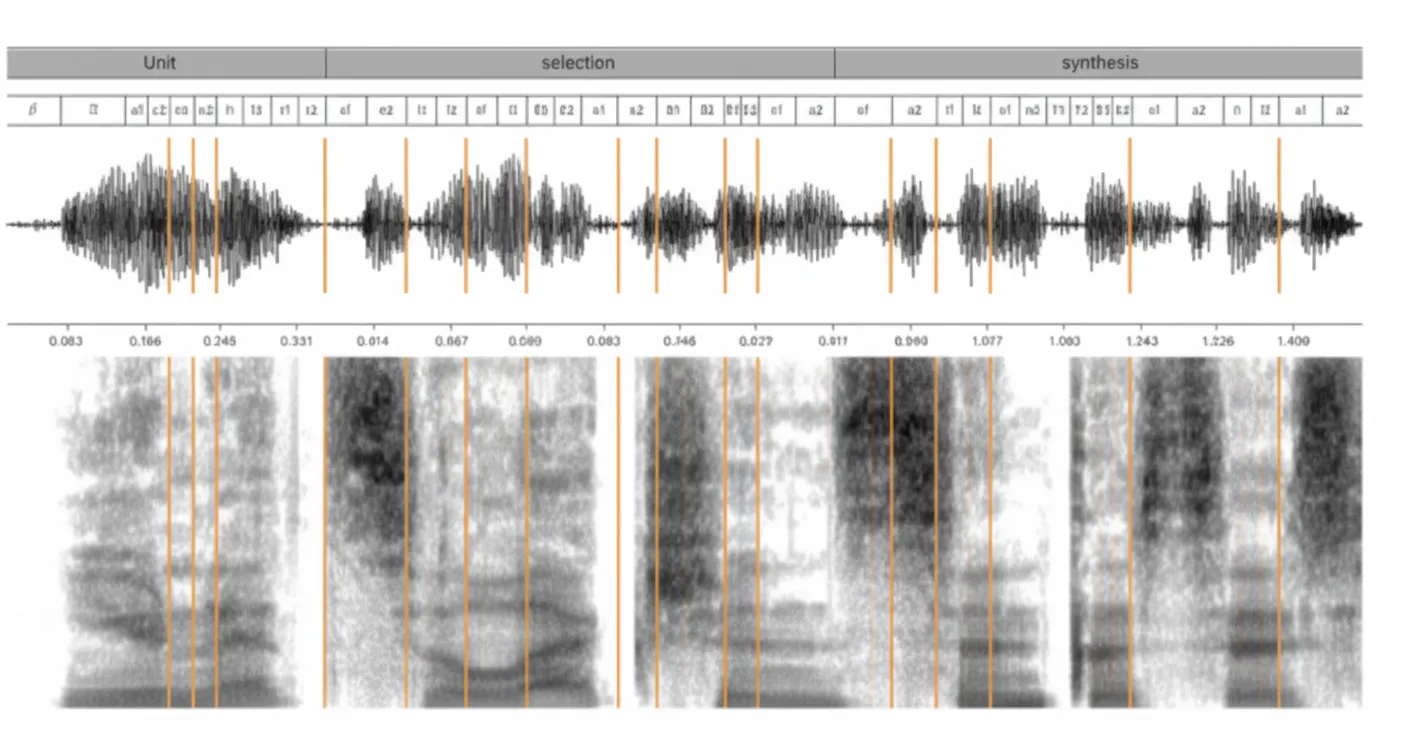
Siri Deep Learning Speech Synthesis Techniques
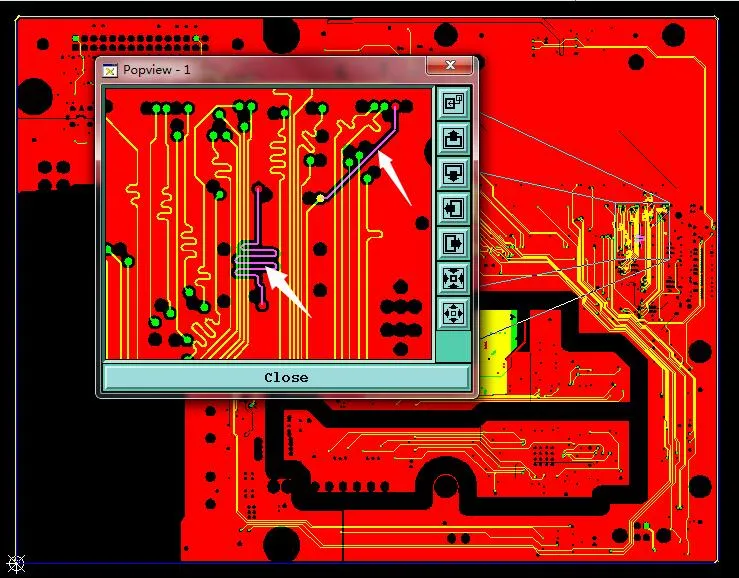
How DFM Review Secured Impedance Control in 6-Layer FR4 PCB
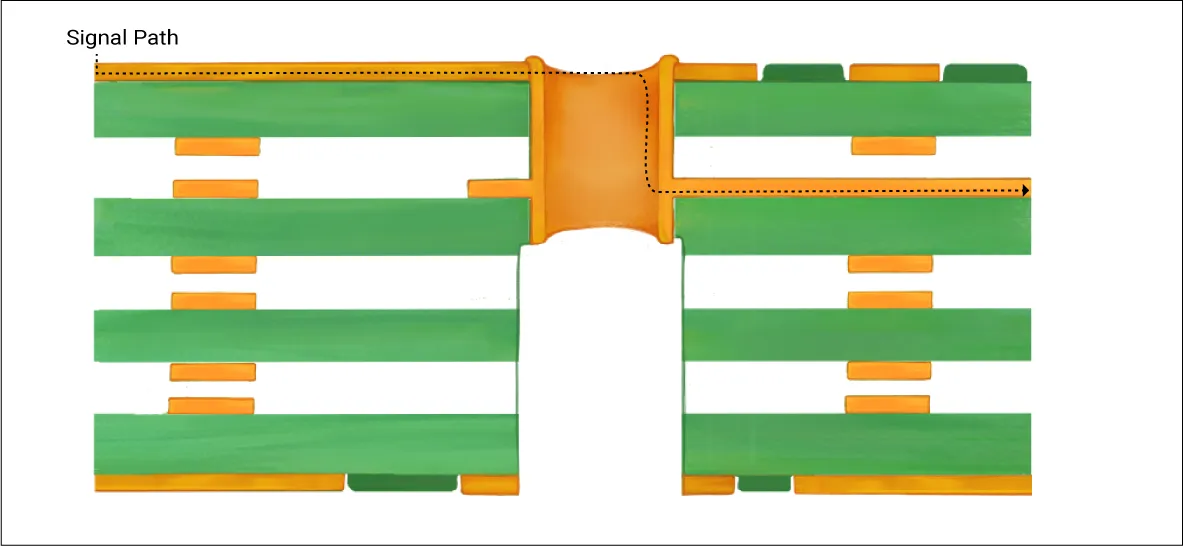
Backdrilling Design: A Beginner's Guide to Reducing Signal Reflections in PCBs
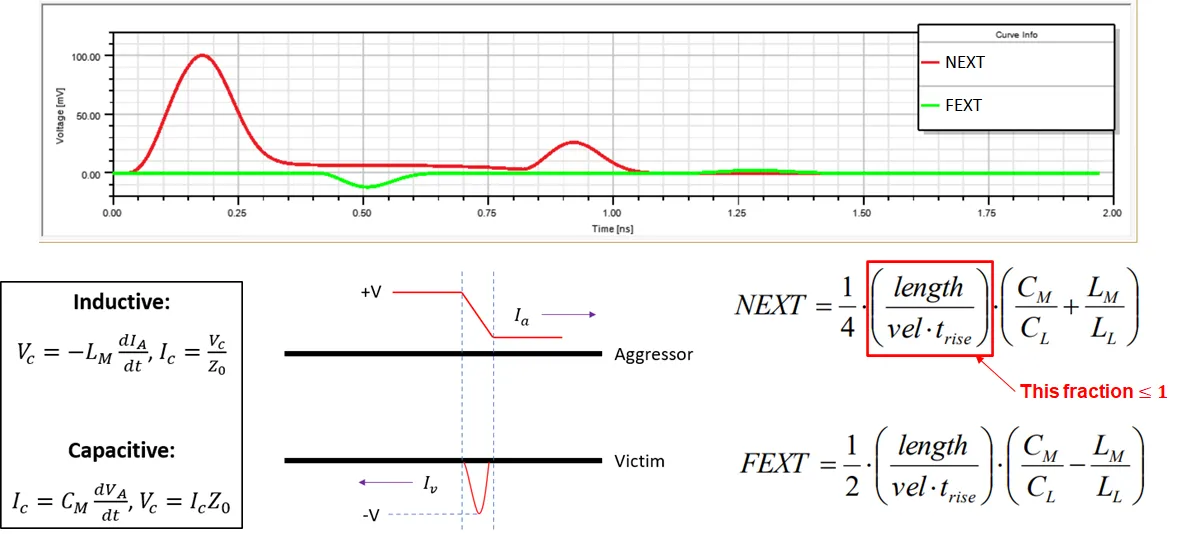
The Impact of Impedance Control on Crosstalk: A Comprehensive Analysis
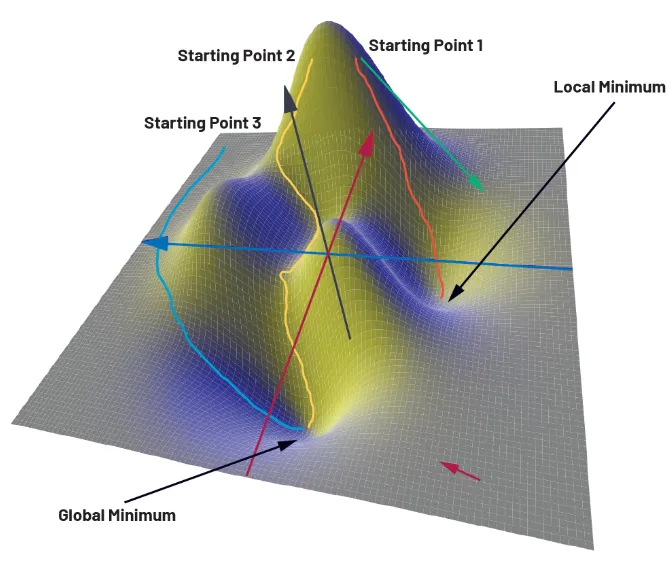
Training Neural Networks to Solve Problems
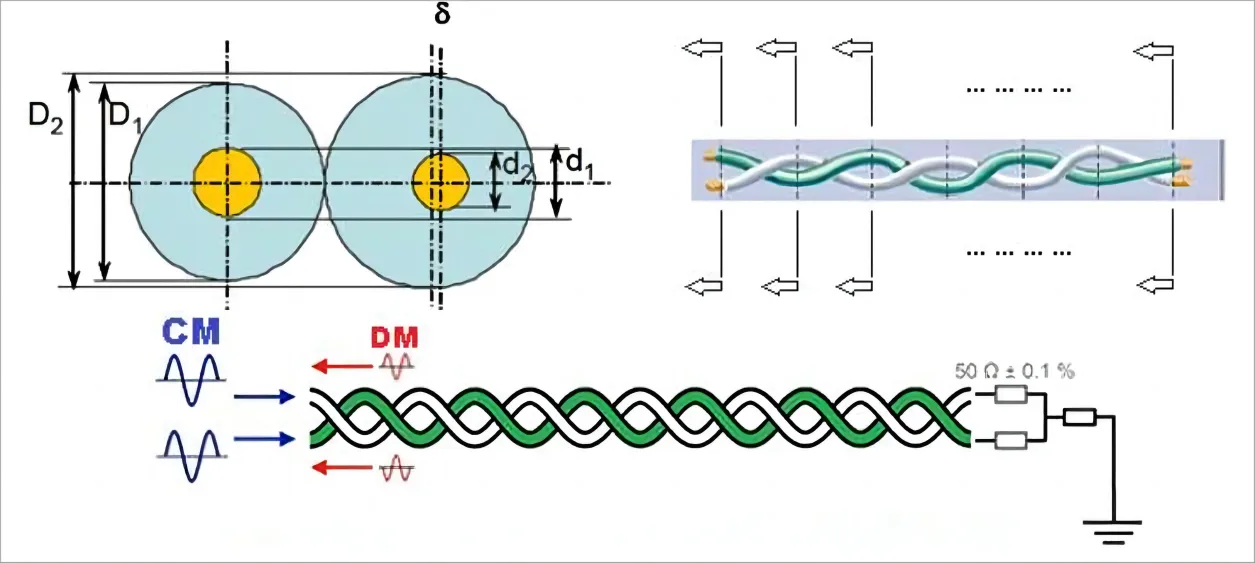
In-vehicle Ethernet Transmission Test Principles
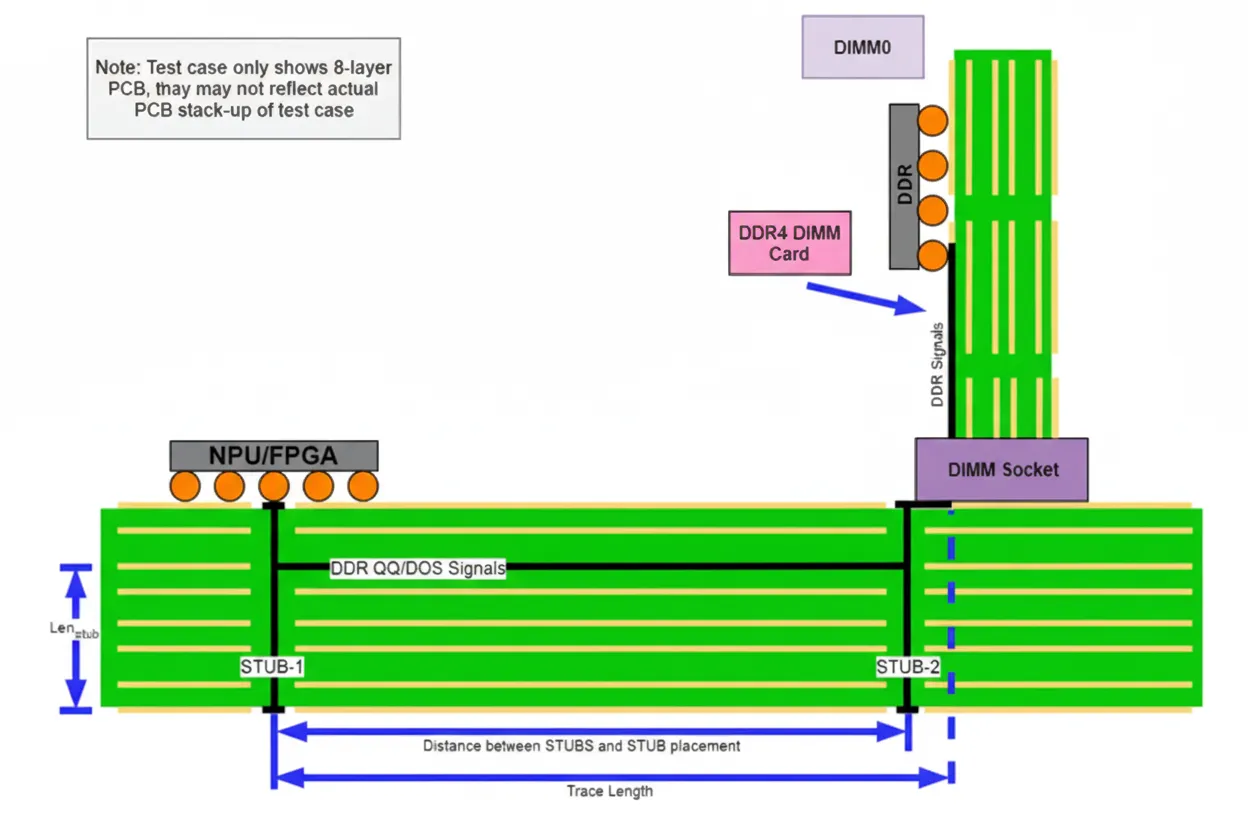
Via Stub Effects on DDR4 Parallel Links
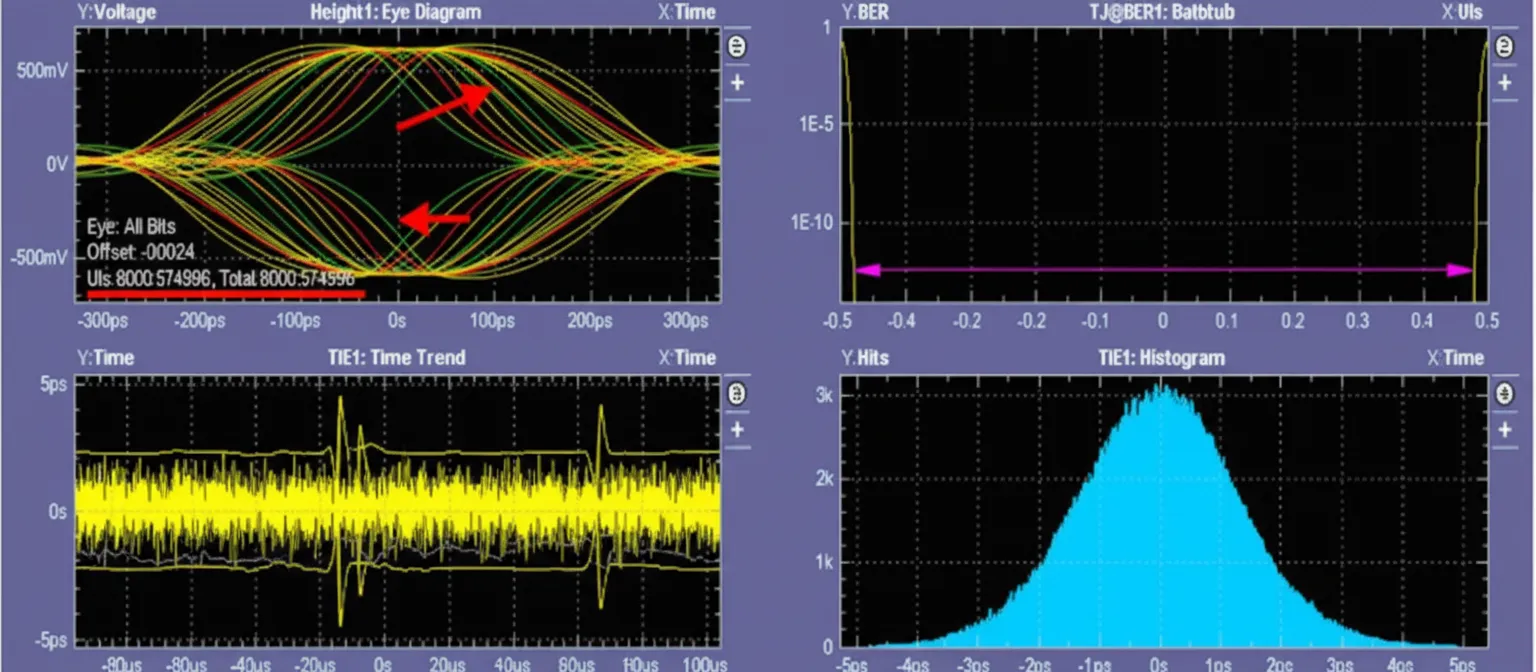
Digital Storage Oscilloscopes: Operation and Key Metrics
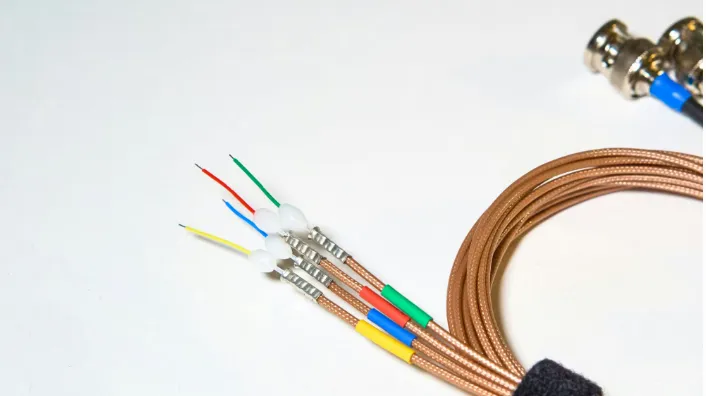
Inside a Passive Oscilloscope Probe
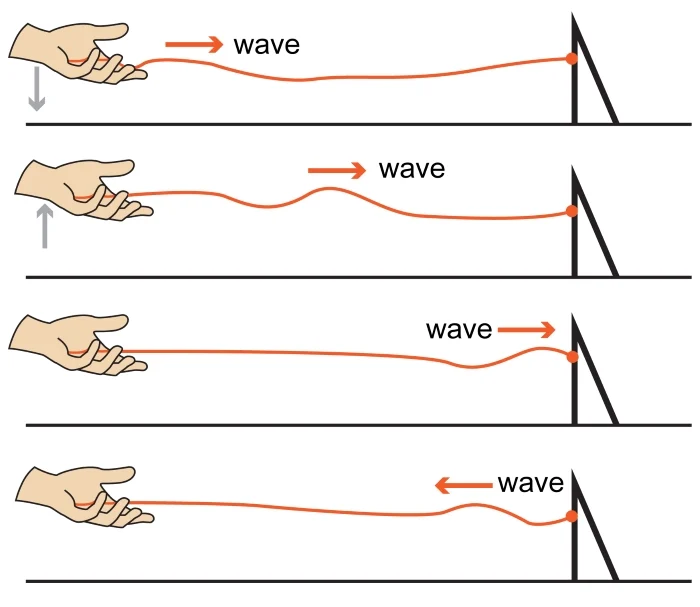
Understanding Wave Reflection in RF Design
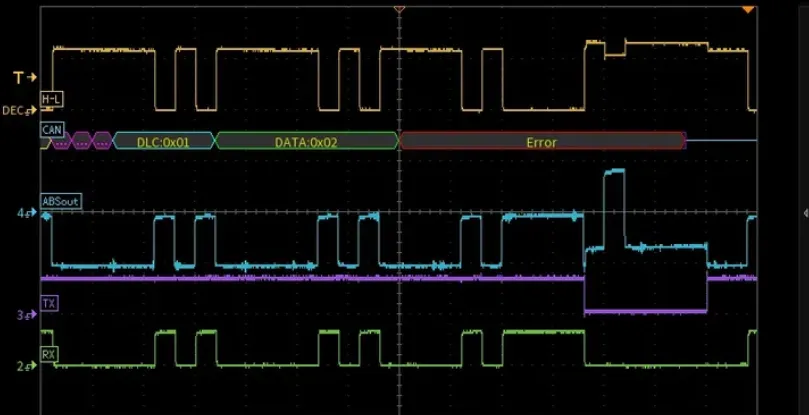
Using an Oscilloscope to Diagnose CAN Error Frames and Bus-Off
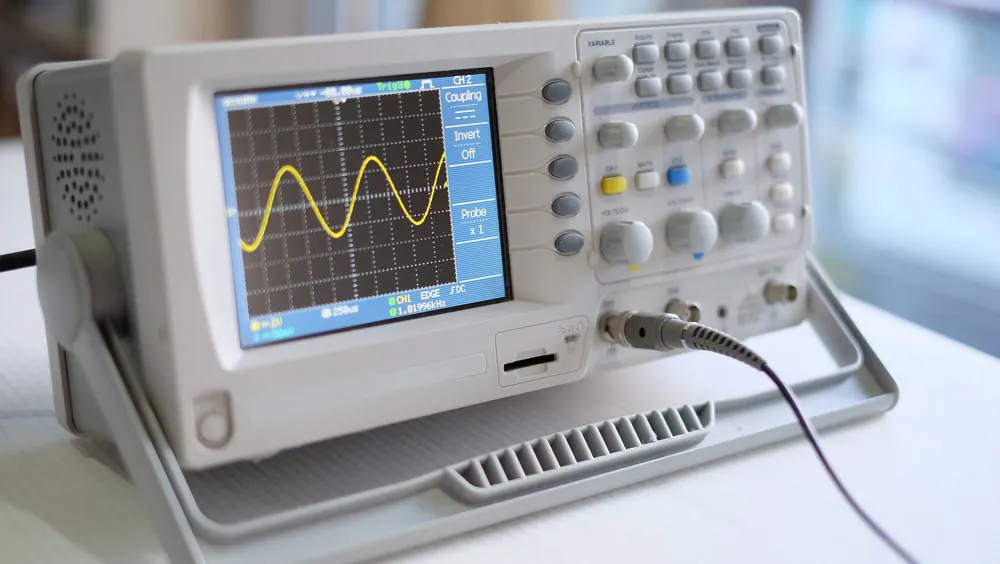
Oscilloscope Features, Usage, and Applications
Get in Touch
Send Message
- Products & Service
- Company
- About AIVON
- Contact
- News
- Blog
- Certification
-


- Payment
-


2026 AIVON.COM All Rights Reserved