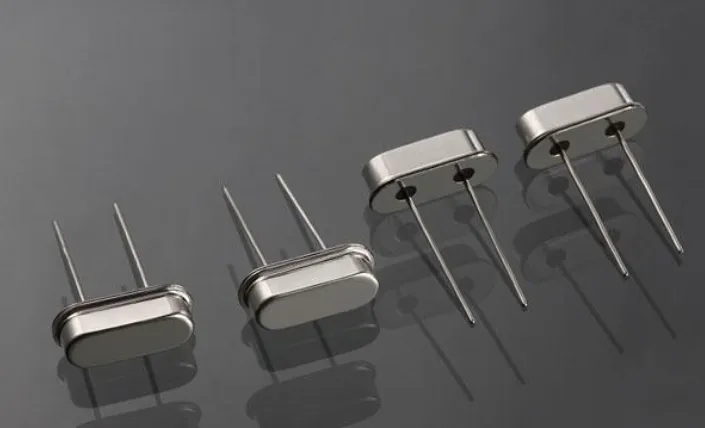
thermal-stability
Thermal stability is a critical factor in the design and performance of printed circuit boards (PCBs) and electronic systems, referring to the ability of materials, components, and assemblies to maintain structural integrity and functionality under elevated temperatures. In environments where heat generation is inevitable, such as power electronics or high-density circuits, understanding thermal stability helps engineers prevent issues like material degradation, solder joint failures, or reduced operational lifespan. This tag encompasses a range of topics aimed at equipping professionals and enthusiasts with the knowledge to enhance reliability in their projects. For those searching for insights on thermal stability, the articles under this tag delve into key aspects including the selection of high-temperature substrates like FR-4 variants or polyimides, which offer superior resistance to thermal expansion and decomposition. Practical applications are highlighted, such as in automotive electronics exposed to engine heat or aerospace systems enduring extreme conditions. Best practices include implementing effective heat dissipation strategies, like incorporating thermal vias, heat sinks, or advanced cooling techniques, to mitigate hotspots and ensure consistent performance. Testing methods form another cornerstone, with guidance on thermal cycling, accelerated life testing, and simulation tools that predict behavior under stress. By applying these approaches, designers can optimize PCB layouts to balance thermal management with electrical efficiency, ultimately reducing failure rates and extending device durability. Readers interested in deepening their understanding can find valuable resources in the related articles, which provide step-by-step analyses and case studies drawn from real-world implementations.
Technical Articles
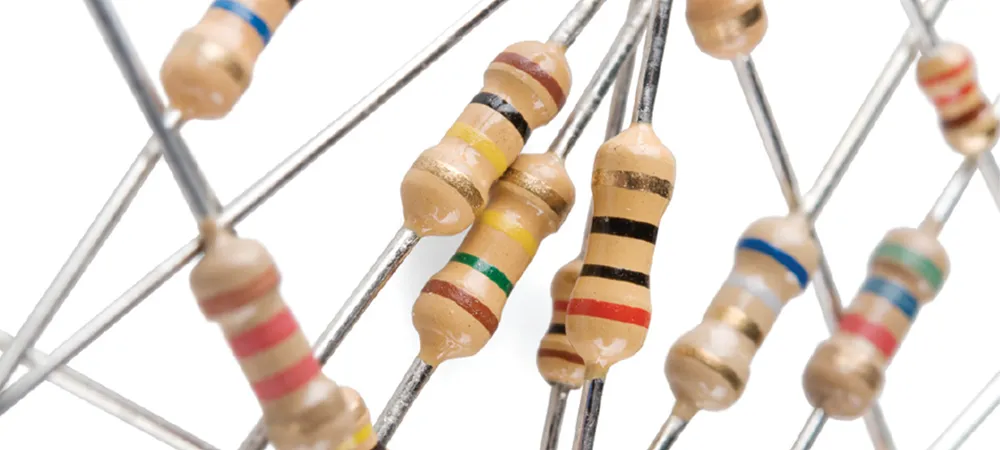
Common Resistor Types and Characteristics
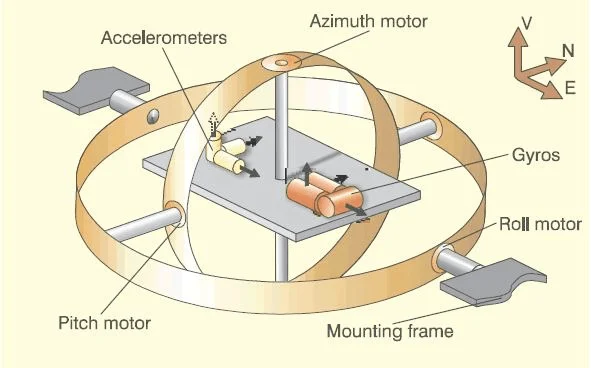
Inertial Navigation Technology: Principles, Systems, and Electronics Integration
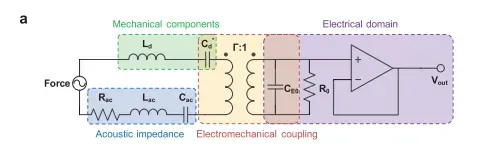
Skin-Attachable Acoustic Sensor Design
Navigating Regulations: Using Recycled Materials in PCBs Legally and Safely
Why Temperature Sensors Give Inaccurate Readings
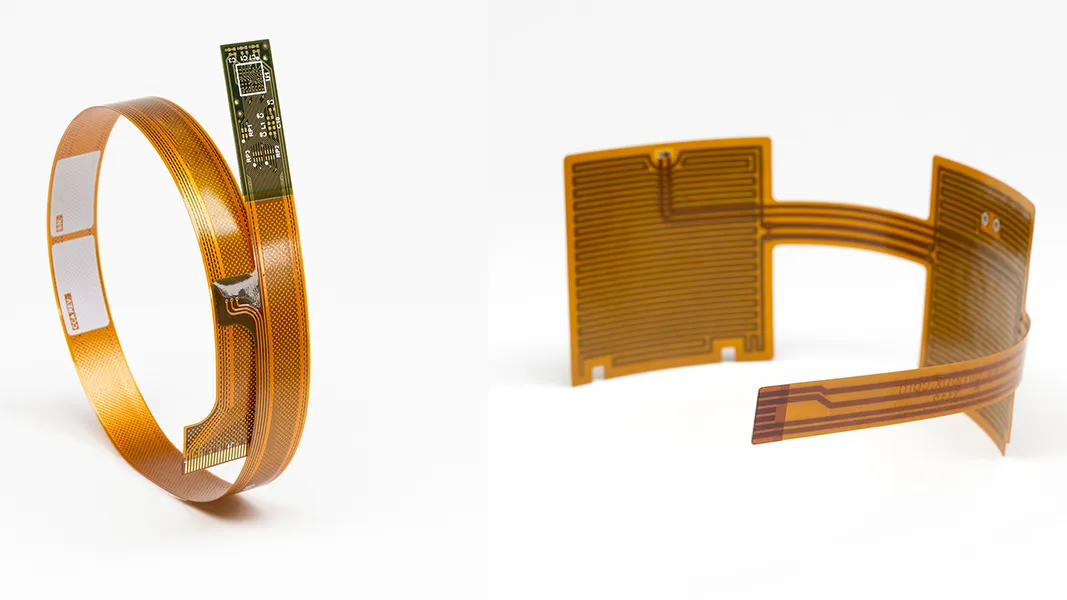
Polyimide vs. FR 4: Choosing the Right PCB Material for Your Application
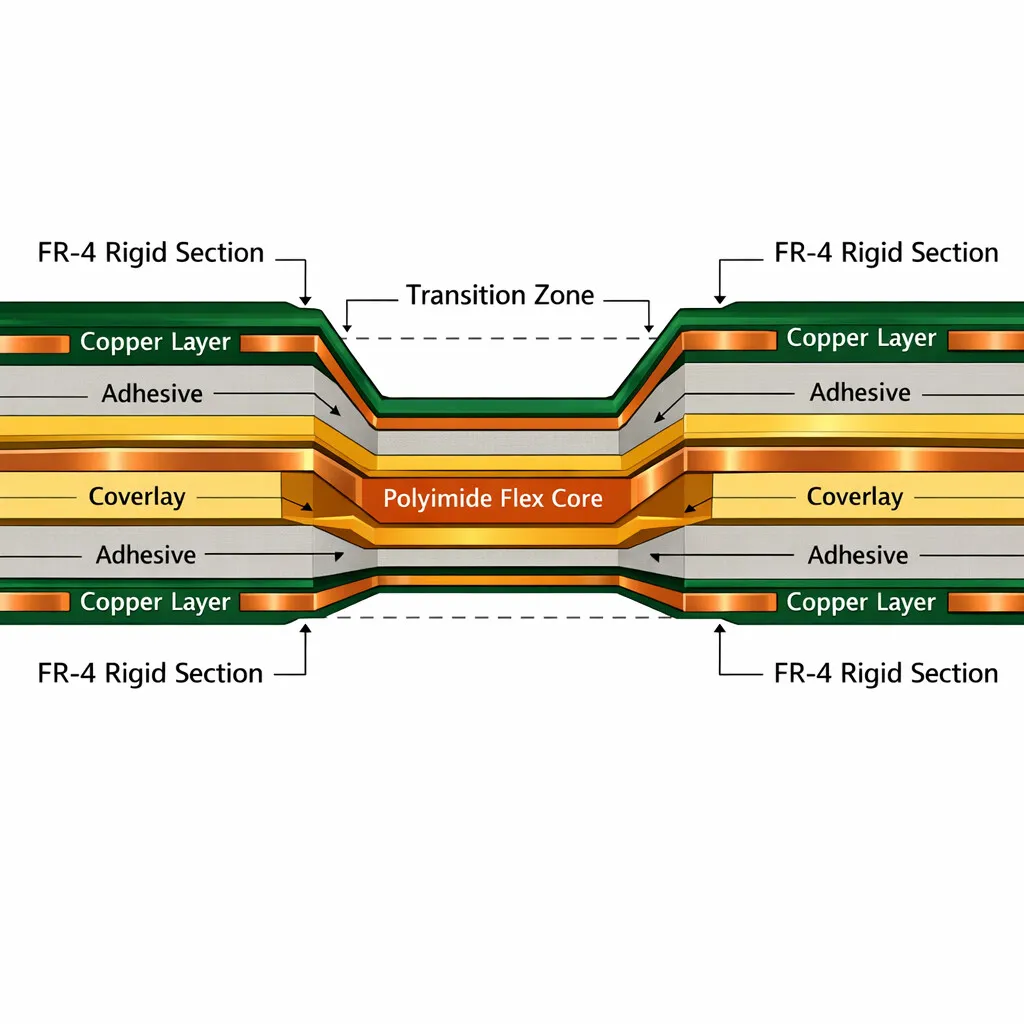
Polyimide PCB Manufacturing: The Ultimate Guide for High Reliability Electronics
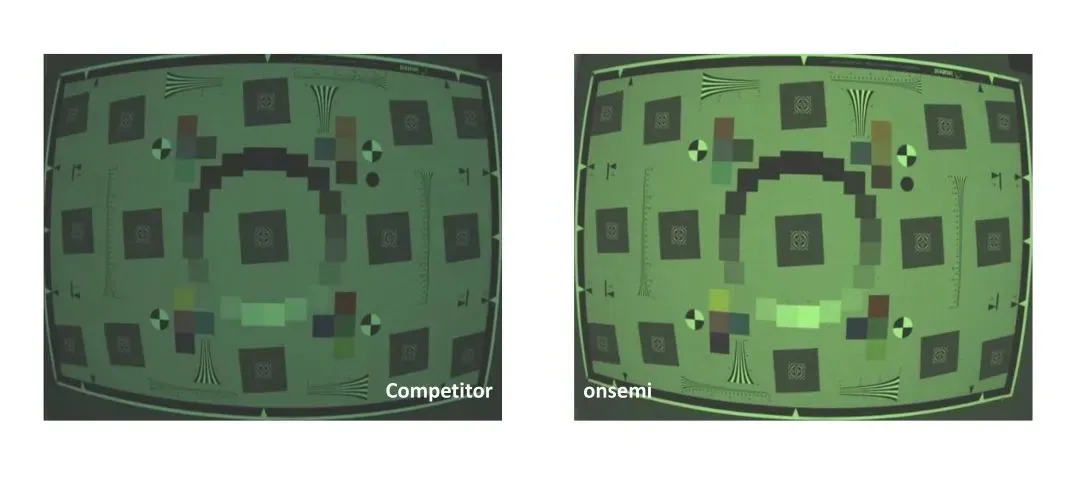
Impact of Advanced Image Sensors on Vehicle Safety
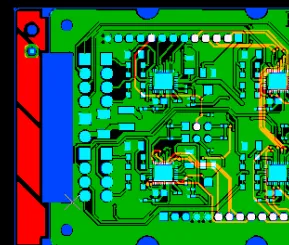
How to Prevent Warpage in 4-Layer 2oz FR-4 TG170 PCB with Proper Stackup and V-CUT
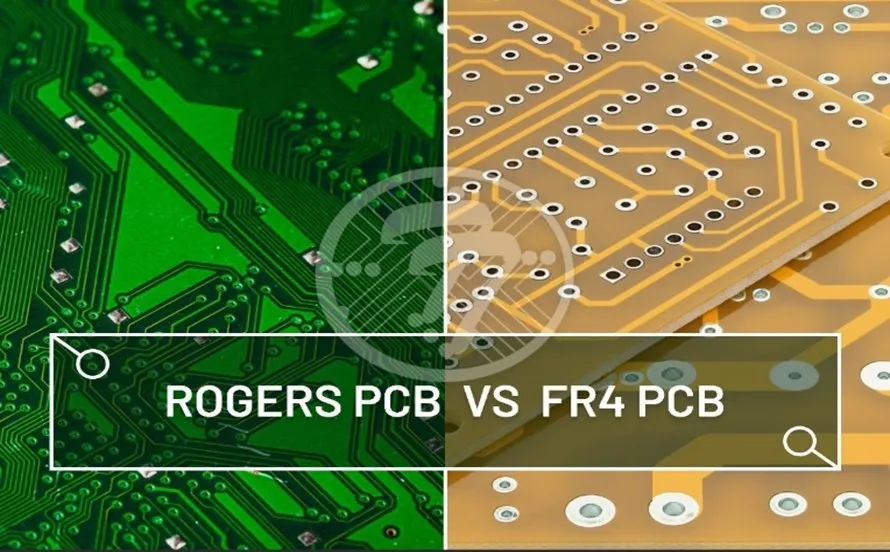
Beyond FR-4: Exploring Advanced Rogers PCB Materials for High-Frequency Applications

Structure Analysis of Stacked DRAM Storage Nodes
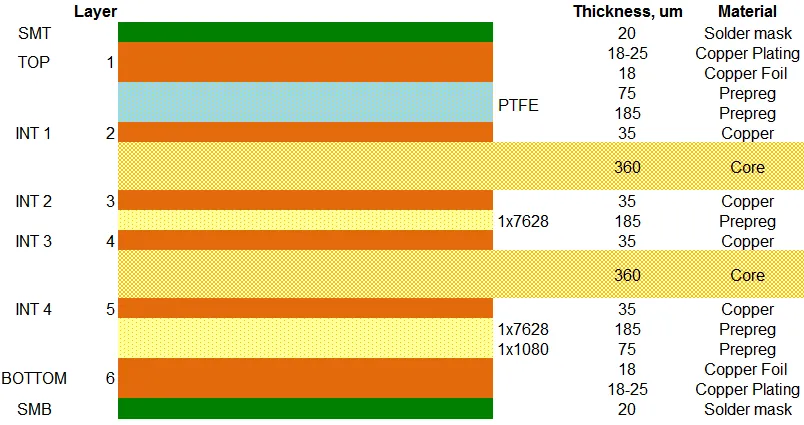
Exploring the Material Properties of PTFE PCBs: Dielectric Constant, Loss Tangent, and Thermal Stability
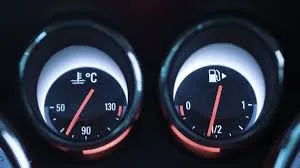
Is Lower Engine Temperature Better?
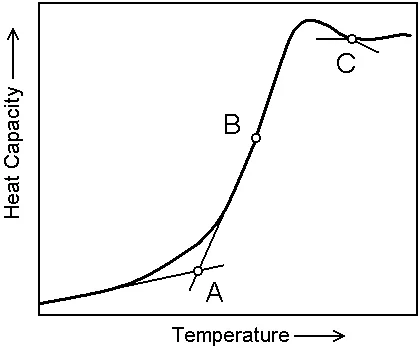
High Tg FR 4 PCB: What It Is, Benefits, and Applications

Does Leaving a PC Powered On Reduce Its Lifespan?
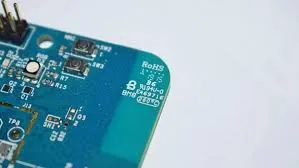
UL 796 Standard for PCBs: A Comprehensive Safety and Certification Guide
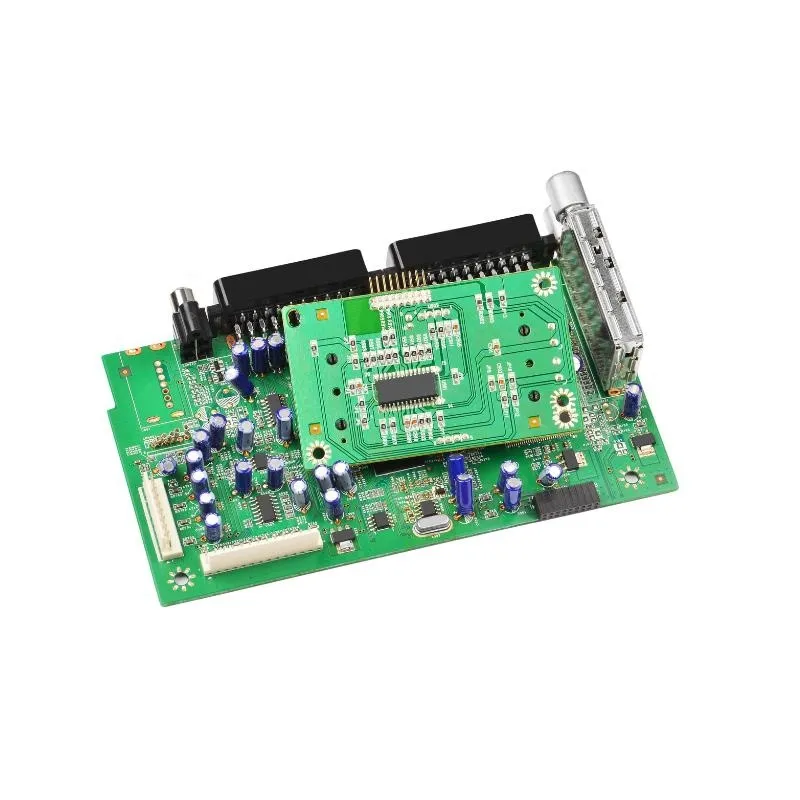
Beyond FR 4: Rogers PCBs for Demanding Applications
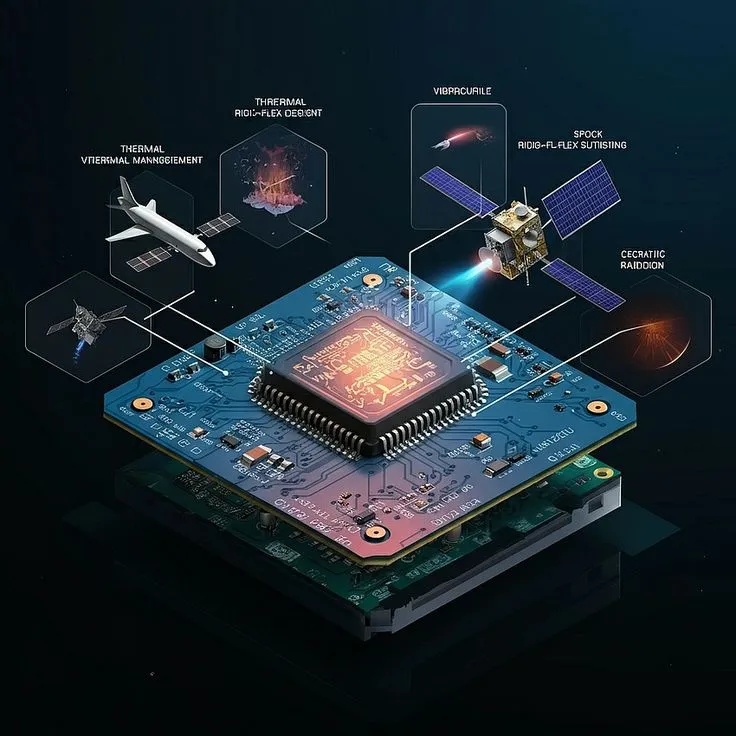
Protecting Space Probe PCBs: A Guide to Conformal Coatings in Extreme Environments
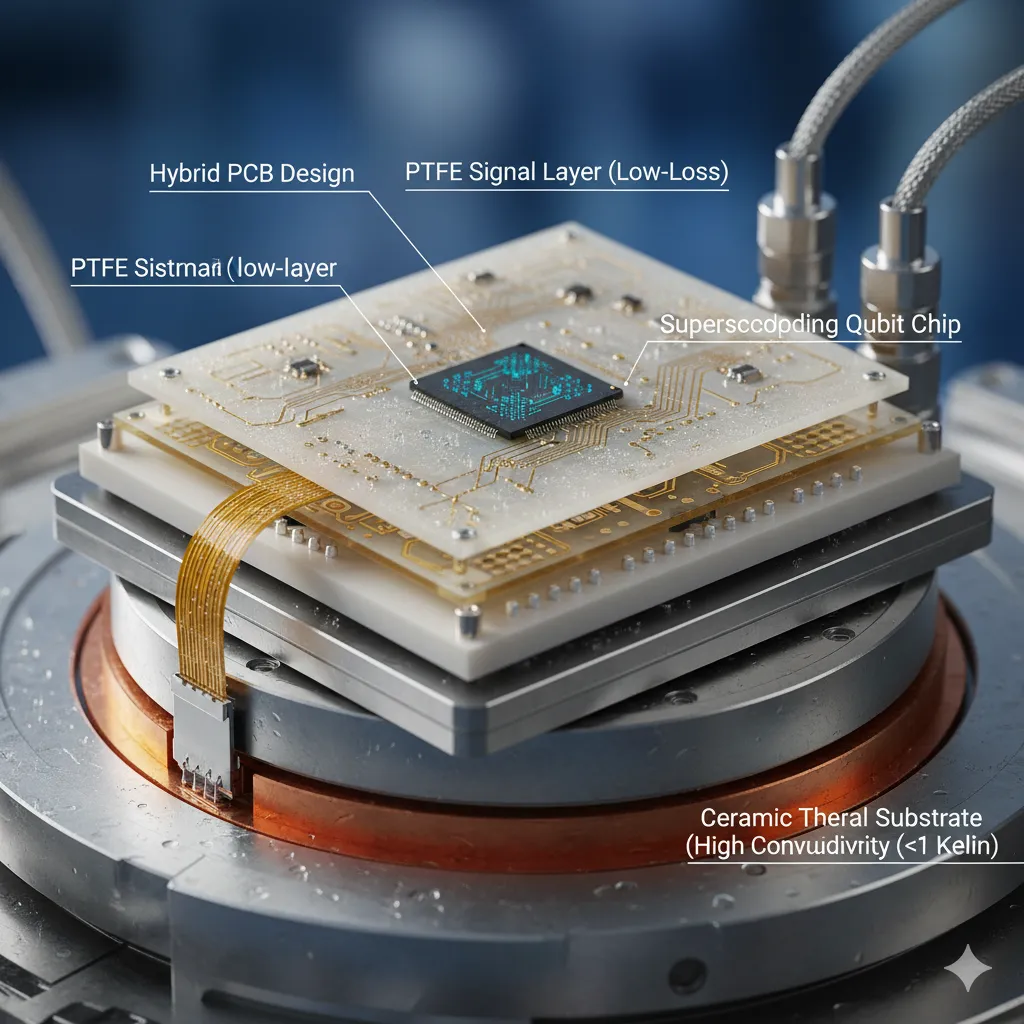
Advanced Materials for Quantum Computing PCBs: A Comprehensive Overview
Get in Touch
Send Message
- Products & Service
- Company
- About AIVON
- Contact
- News
- Blog
- Certification
-


- Payment
-


2026 AIVON.COM All Rights Reserved