signal-loss
Signal loss is a critical concern in electronics and PCB design, referring to the degradation of electrical signals as they travel through circuits, transmission lines, or interconnects. This phenomenon can arise from various factors such as attenuation, impedance mismatches, crosstalk, or environmental interference, ultimately leading to reduced system performance, data errors, or complete signal failure. For engineers, hobbyists, and professionals working on high-speed digital systems, RF applications, or complex PCBs, understanding signal loss is essential to ensure reliable operation and optimal signal integrity. In practical terms, addressing signal loss involves selecting appropriate materials, optimizing trace layouts, and implementing shielding techniques to minimize these effects. For instance, using low-loss dielectrics in PCB substrates or employing differential signaling can significantly reduce attenuation in high-frequency designs. Best practices also include simulation tools like SPICE or electromagnetic field solvers to predict and mitigate potential issues before fabrication, saving time and resources during prototyping. The articles tagged under Signal Loss on this site delve into these topics with detailed explanations, case studies, and troubleshooting guides. Whether you are diagnosing signal degradation in a communication system or designing for minimal loss in automotive electronics, these resources offer actionable strategies to enhance your projects. Browsing through the related posts can provide deeper insights into specific scenarios, such as managing loss in USB interfaces or microwave circuits, helping you apply proven methods to your own work.
Technical Articles
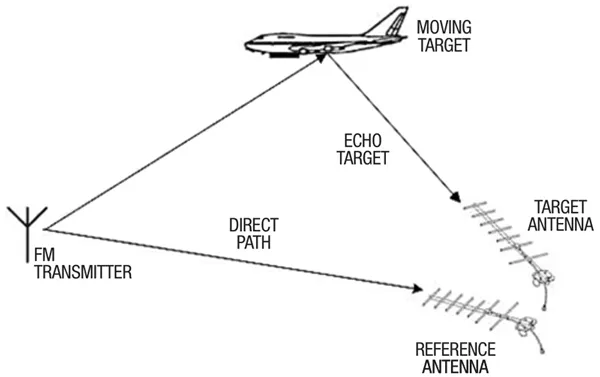
Types of Passive Radar Receivers
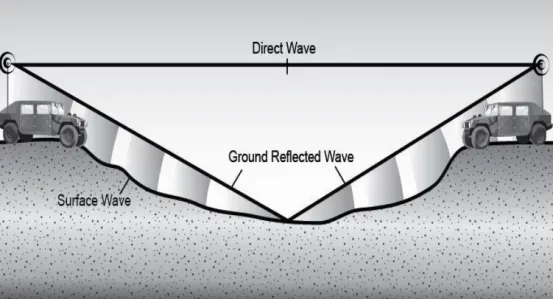
Common Multipath Propagation Paths from a Radiating Source
High-Frequency Performance with Organic PCBs: Design Considerations and Material Selection
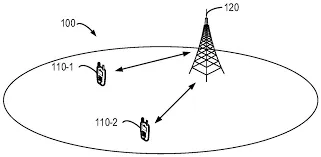
Wireless Transmission Distance Calculation
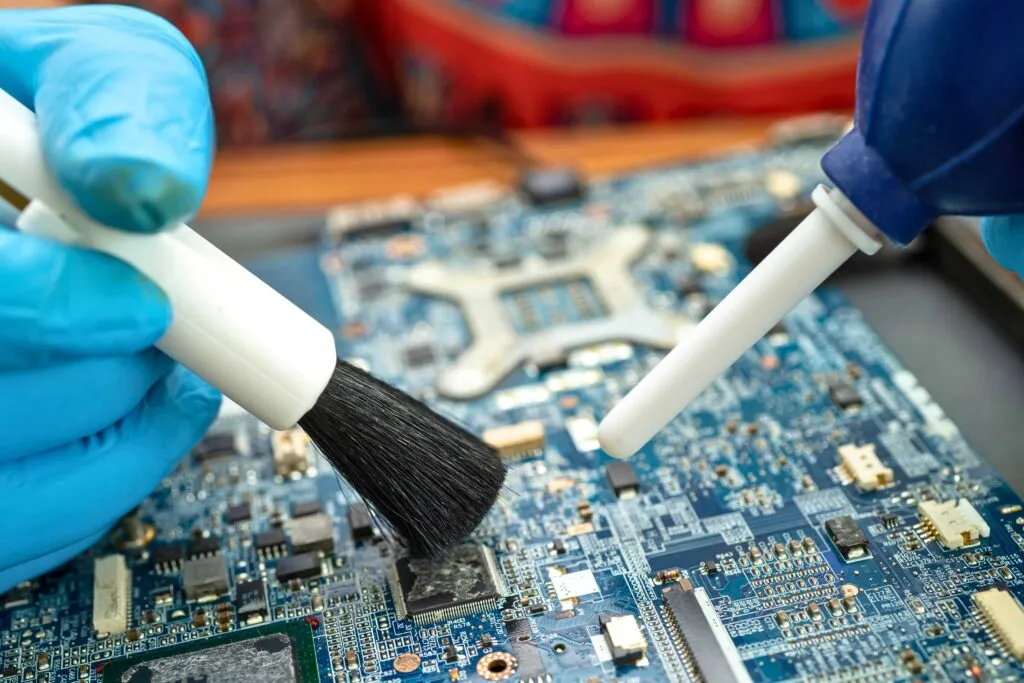
PCB Cleaning for High-Frequency Applications: Minimizing Signal Loss and Maximizing Performance
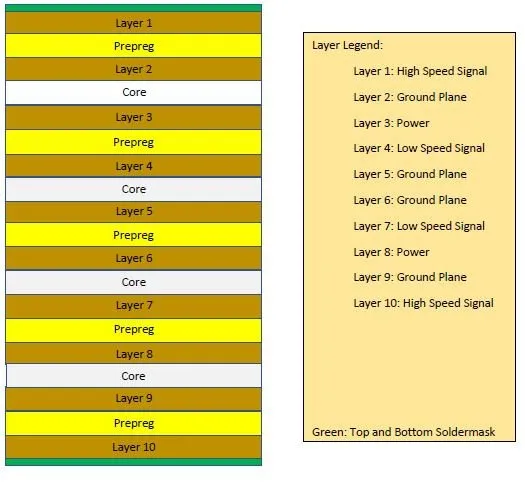
High Speed PCB Stackup Design: Mastering Impedance Control and Signal Loss
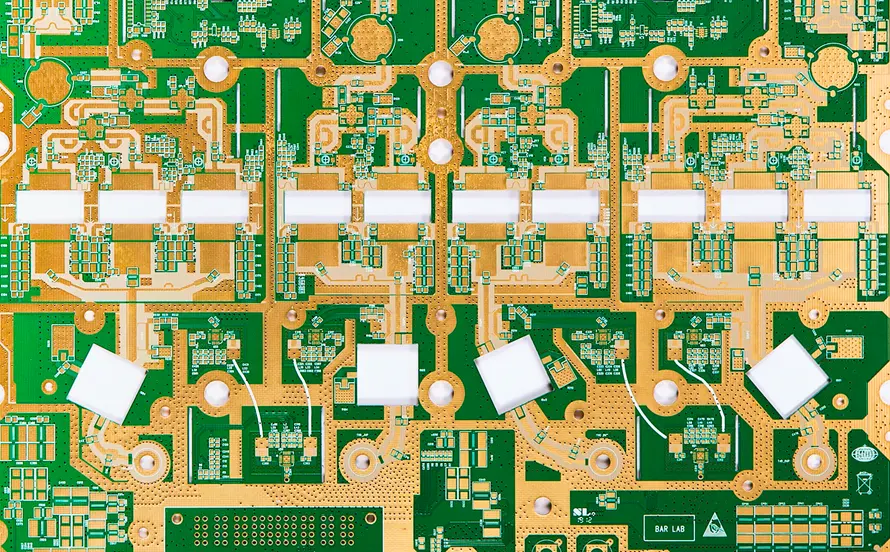
Core Thickness for RF PCBs: Minimizing Signal Loss in Wireless Applications
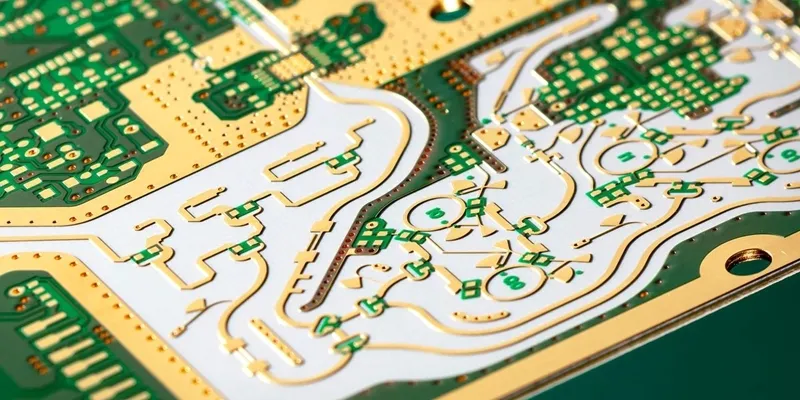
Conformal Coatings for High-Frequency PCBs: Balancing Protection and Signal Integrity
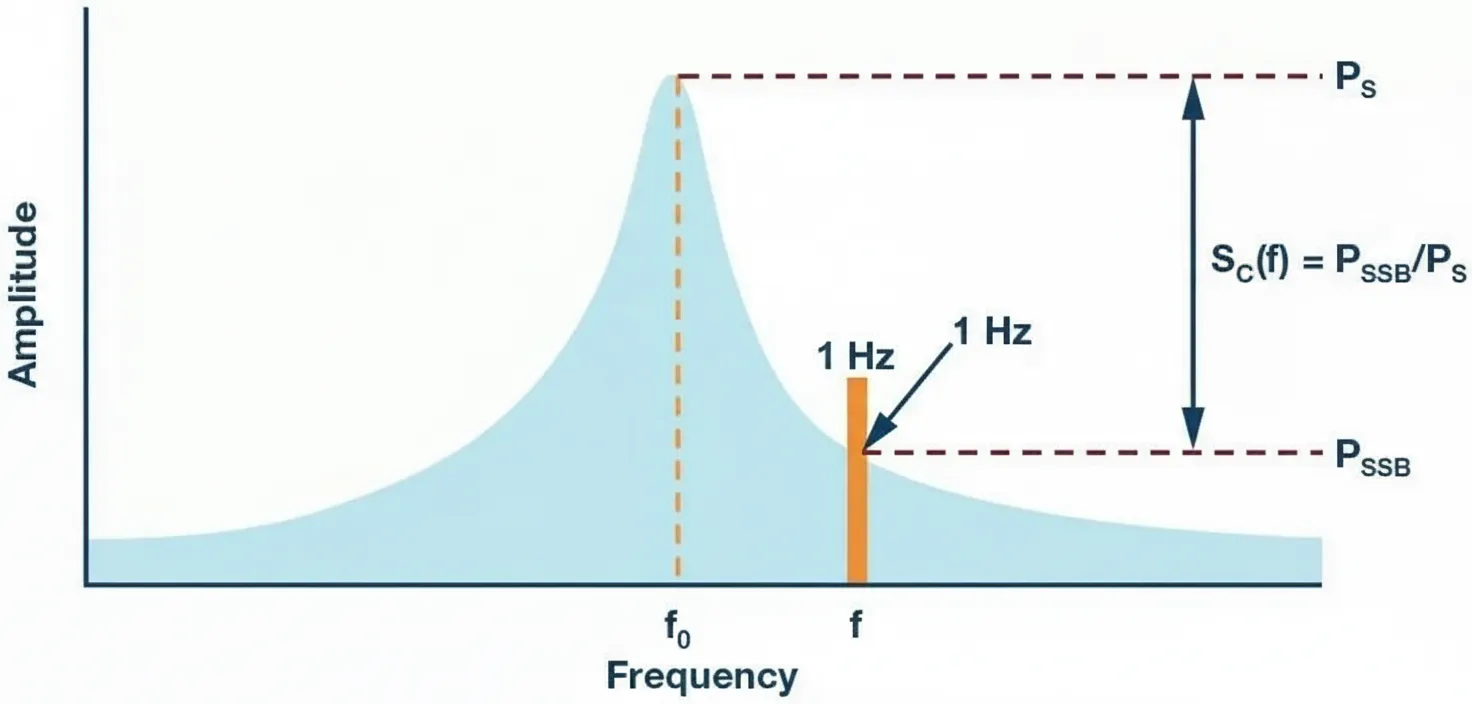
Phase Noise Measurement Using a Spectrum Analyzer
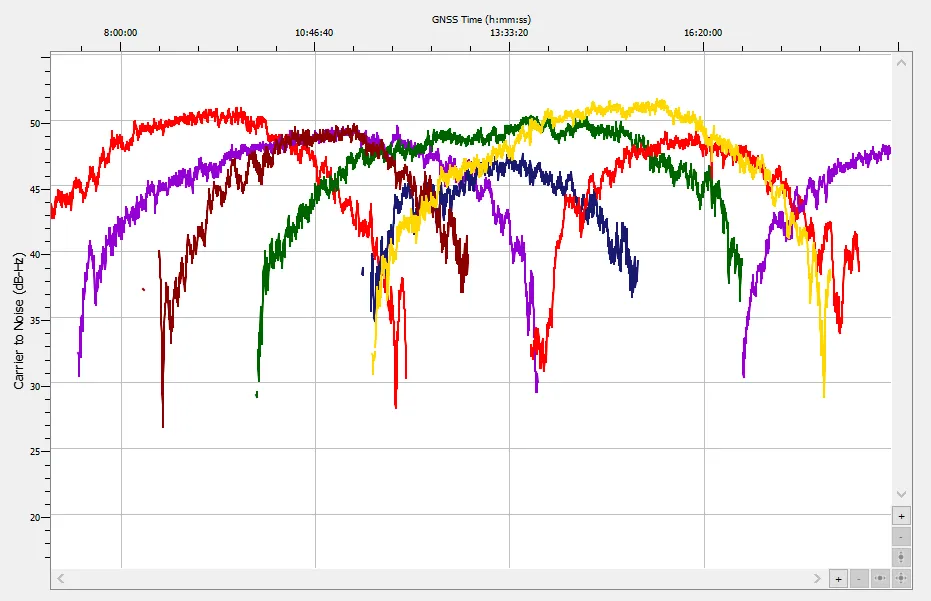
Carrier-to-Noise Ratio Fundamentals

Difference Between CNR and SNR
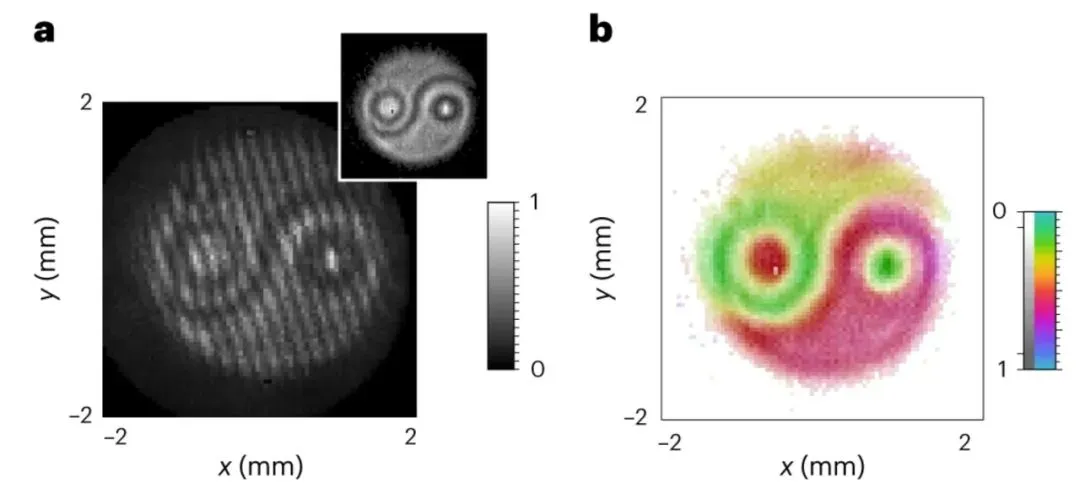
What Are Two-Photon States and How to Measure Them
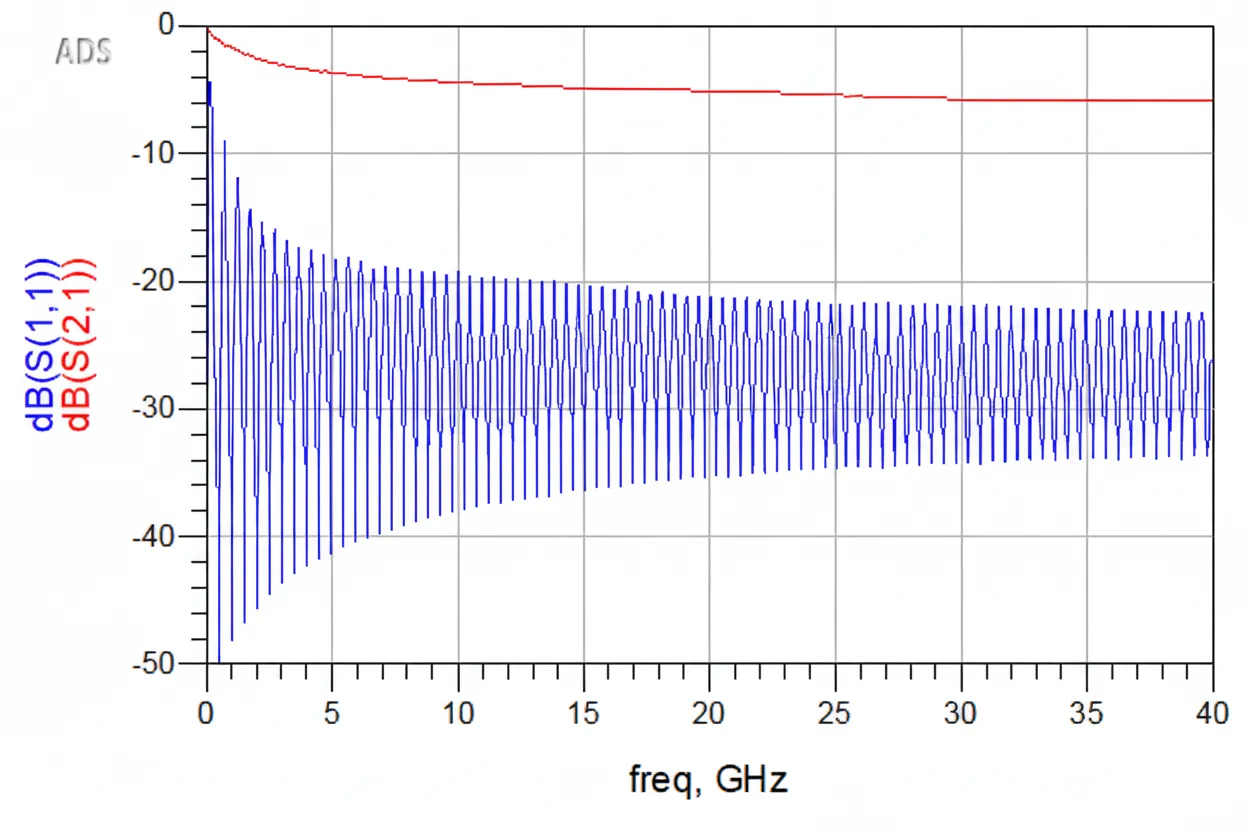
Using S-Parameters to Analyze Microwave Networks
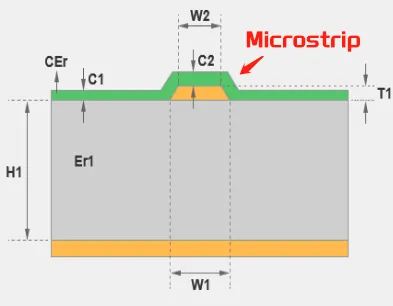
Mastering High Frequency PCB Impedance Control: A Guide to Reducing Signal Loss
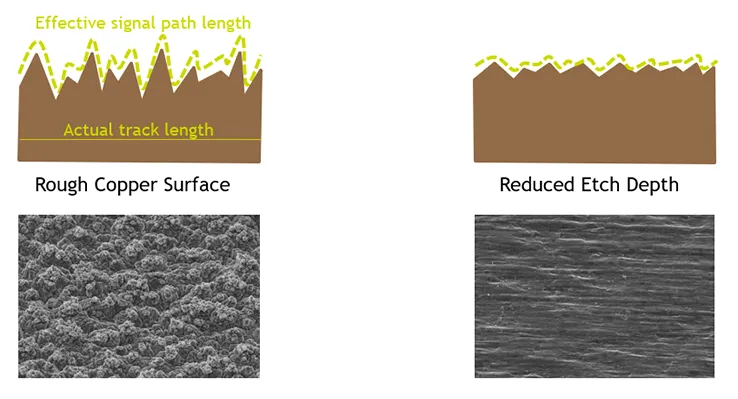
Minimizing Signal Loss in High Frequency PCBs: A Comprehensive Guide
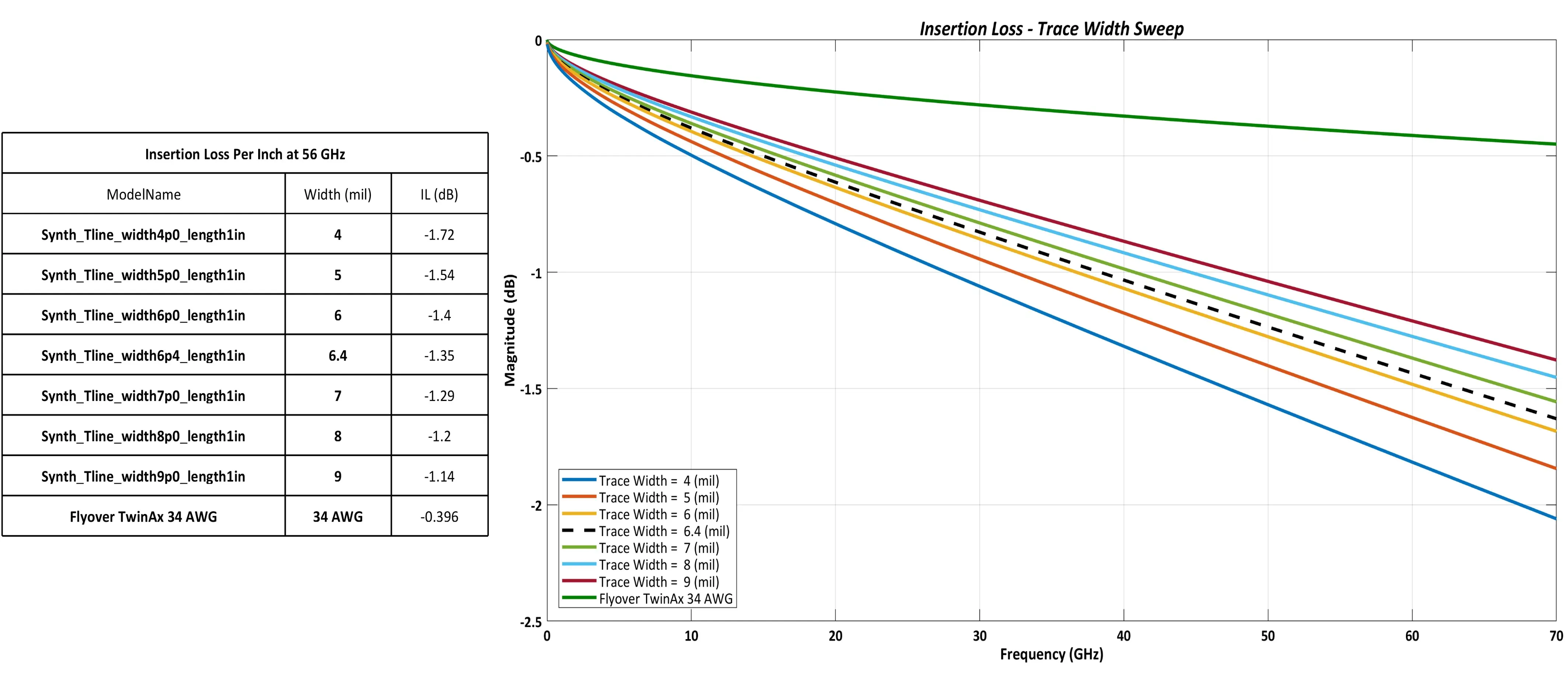
Signal Integrity Considerations for PTFE PCBs: Minimizing Loss and Maximizing Performance
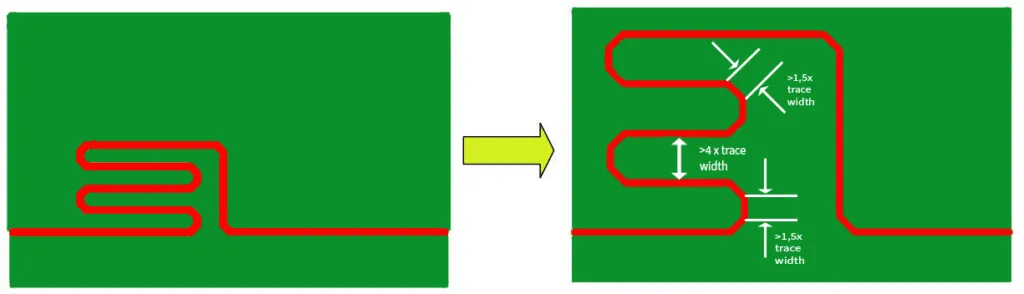
Component Placement Strategies for High Speed PCBs: Reducing EMI and Signal Loss
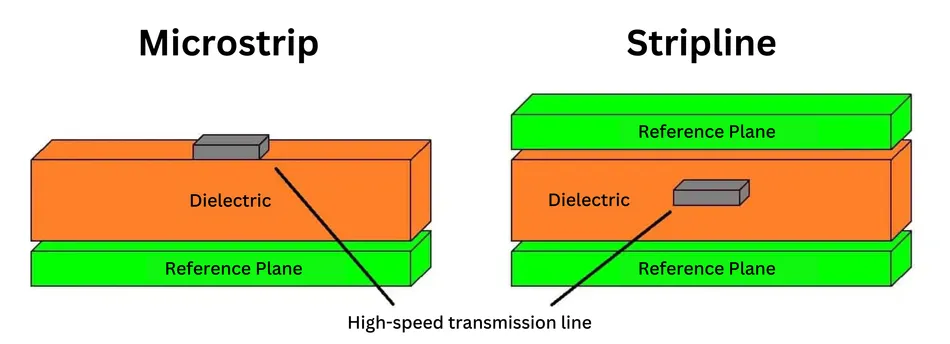
Advanced PCB Impedance Control: Techniques for Minimizing Signal Loss
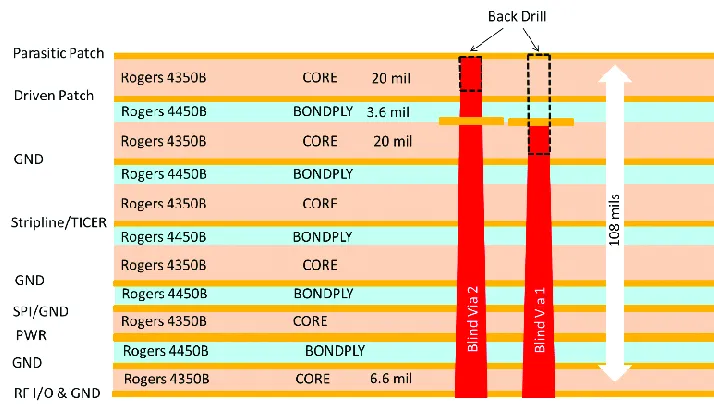
High Layer Count PCB Stackup Design for RF Applications: Minimizing Signal Loss
Get in Touch
Send Message
- Products & Service
- Company
- About AIVON
- Contact
- News
- Blog
- Certification
-


- Payment
-


2026 AIVON.COM All Rights Reserved