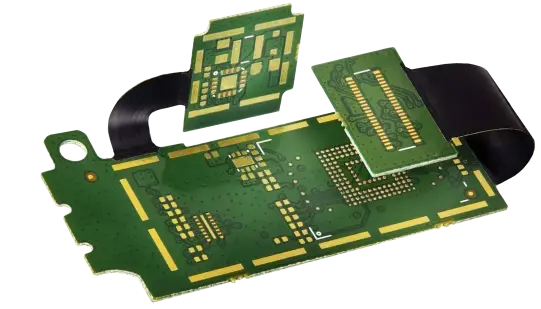
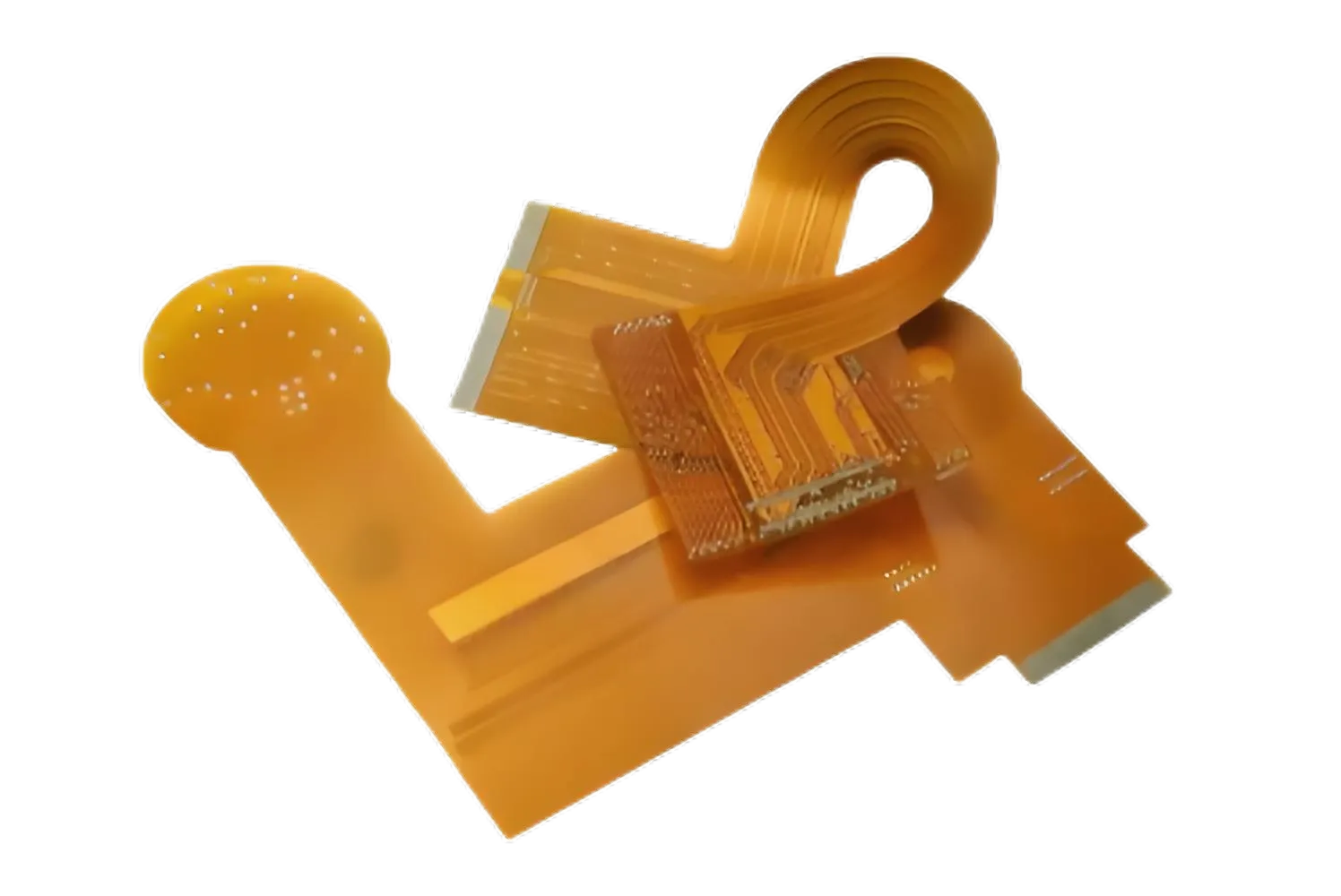
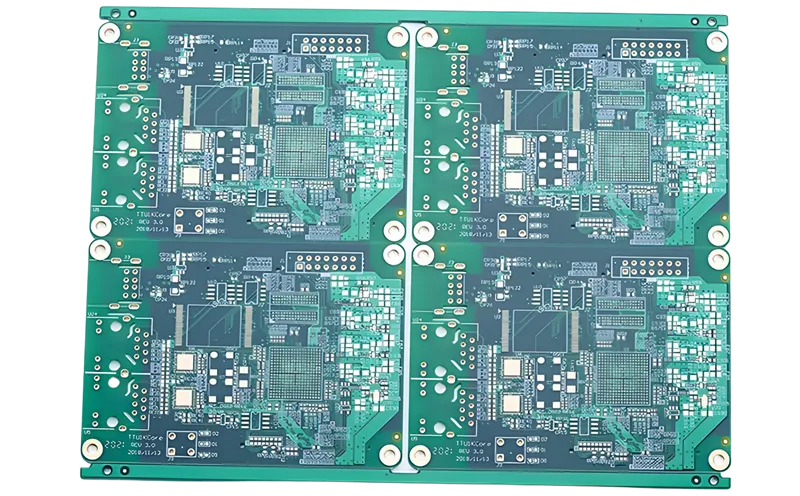
Discover how AIVON manufactures 4 Layer Rigid-Flex PCBs, including rigid and flexible layer integration, mechanical reliability requirements, fabrication processes, manufacturing challenges, and real production experience from customer orders.
| Parameter | Typical Range |
|---|---|
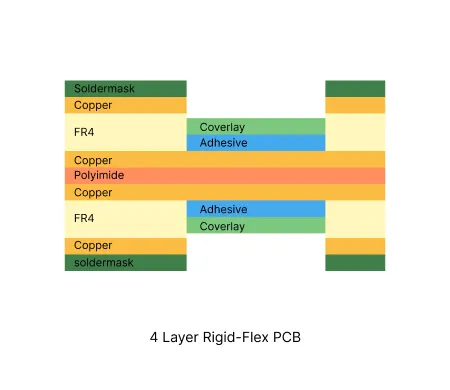
| Layer count | 4 layers |
| Material type | Polyimide flex with FR-4 rigid cores |
| Surface finish | ENIG, OSP, Immersion Silver |
| Thickness | Rigid board thickness 0.3mm - 1.6mm, FPC Thickness 0.08mm - 0.15mm |
| Solder mask | LPI solder mask and polyimide coverlay |
| Copper thickness | 0.5oz to 2oz |
| Special features | Controlled impedance, bend radius control, stiffener attachment |
Lamination bonds rigid FR-4 to polyimide flex layers using precise temperature and pressure profiles.
Drilling combines laser and mechanical methods to create vias while protecting flex areas.
Plating applies uniform copper in transition zones to ensure reliable electrical continuity.
Surface finish selection balances solderability on rigid sections with flexibility requirements.
Registration control and material compatibility testing reduce delamination risks during sequential lamination.
| Order Quantity | Order Proportion | Estimated Price Level | Typical Lead Time |
|---|---|---|---|
| Prototype (<=30 pcs) | 76% | From $400 | From 13 days |
| Small volume (30-200 pcs) | 18% | From $520 | From 15 days |
| Mass production (>200 pcs) | 6% | From $800 | From 18 days |
| Order ID | PCB Type | Layers | Dimensions | Solder Mask | Surface Finish | Quantity | Action |
|---|---|---|---|---|---|---|---|
| Loading... | |||||||
AIVON's consumer electronics PCBs are precision-engineered for smartphones, tablets, laptops, and smart home devices. Using HDI design, fine-line etching, and multilayer fabrication, they deliver compact layouts, high-speed signal transmission, and strong reliability while meeting international quality and environmental standards.
AIVON medical device PCBs are high-reliability boards designed for healthcare applications. Built with strict quality control, biocompatible materials, and precise manufacturing, they ensure safety and accuracy. Suitable for diagnostic equipment, patient monitoring, and wearable medical devices, AIVON PCBs meet ISO and IPC medical standards.
AIVON provides high-reliability PCBs designed for civil aviation and aerospace applications, built to perform under extreme conditions such as vibration, temperature variation, and high-altitude environments. These PCBs are widely used in avionics systems, flight control modules, communication equipment, and satellite technologies. With advanced multilayer structures, heavy copper options, and high-temperature materials, our solutions are engineered to meet stringent reliability standards such as IPC-6012 Class 3.
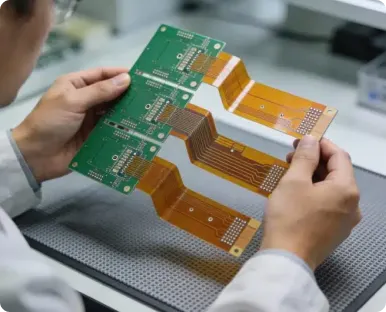
AIVON masters complex 4-layer rigid-flex integration. We ensure precise stack-up alignment, reliable transition zone bonding, and thermal stress control for high-density, durable interconnect solutions.
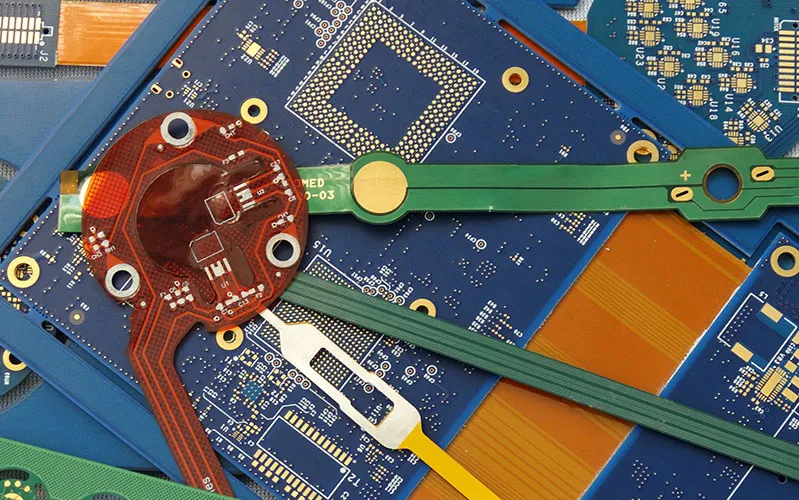
Navigate the full lifecycle of Rigid-Flex PCB Manufacturing. From solving high-density thermal challenges to scaling from prototype to production, master the tech and strategies for modern electronics.
Read More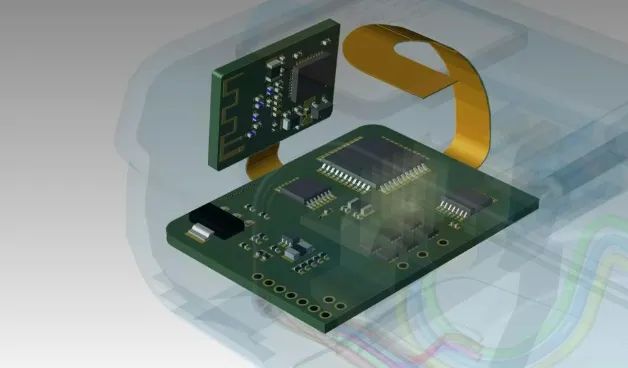
Master the complexities of Rigid-Flex PCB Design with this 2,500-word guide. Explore stack-up symmetry, bend radius calculations, via optimization, and cost-effective manufacturing strategies.
Read More