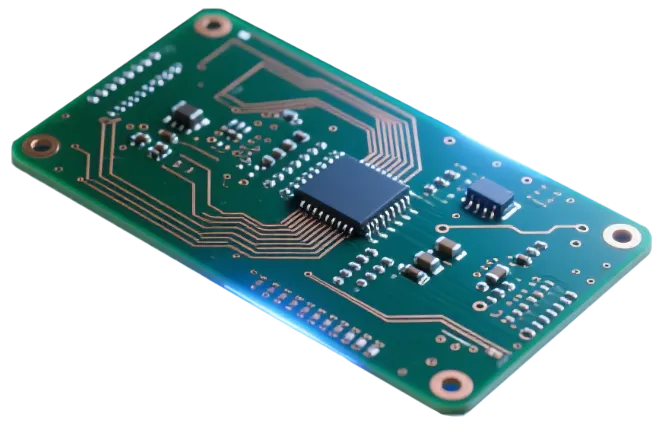
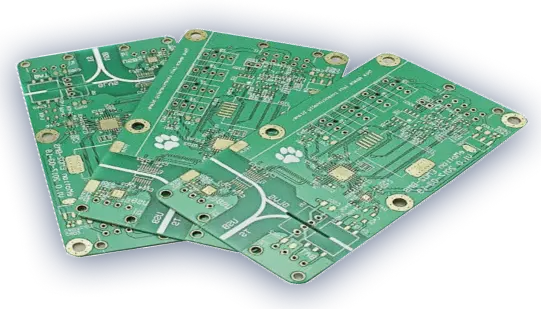
Discover how AIVON manufactures High Tg FR4 PCBs, including high-temperature material selection, thermal reliability requirements, fabrication processes, manufacturing challenges, and real production experience from customer orders.
| Parameter | Typical Range |
|---|---|
| Layer count | 4-32 layers |
| Material type | High Tg FR4 |
| Surface finish | ENIG, Lead-free HASL, Immersion Silver |
| Thickness | 0.6-3.2 mm |
| Solder mask | Green, black, red, white |
| Copper thickness | 1oz-6oz |
| Special features | Controlled impedance, thermal management vias, low CTE |
Material Selection & Incoming Verification High Tg FR4 (typically Tg ≥ 170°C) is selected for superior thermal stability and lower Z-axis expansion. Material lot and actual Tg value are verified before production to ensure the resin system can withstand lead-free reflow and repeated thermal cycling.
Inner Layer Imaging & Lamination Cores are imaged and etched, then laminated with high-Tg prepregs under elevated temperature and pressure. Copper balance and dielectric symmetry are strictly controlled because High Tg resin flow behavior differs from standard FR4 and directly affects final thickness and warpage.
Precision Drilling CNC drilling parameters are adjusted for the harder High Tg resin system. Optimized speeds, feeds and entry/backup materials reduce hole-wall roughness and tool wear while maintaining registration accuracy across layers.
Desmear & Plating Chemical desmear is tuned for High Tg resin smear removal. Electroless and electrolytic copper deposition ensure reliable via plating that can survive the higher thermal stress expected of High Tg boards.
Outer Layer Patterning & Etching Outer layers are imaged and etched with compensation for the selected copper weight. On 2 oz High Tg constructions, etch factor control is critical to prevent excessive undercut on fine lines.
Solder Mask & Surface Finish Solder mask is applied with tight registration. Surface finishes such as ENIG are processed under conditions that preserve the thermal integrity of the High Tg laminate.
Routing / V-Scoring & Final Inspection Mechanical forming accounts for the higher rigidity of High Tg material. Final inspection includes thickness, warpage and thermal-reliability related checks before shipment.
| Order Quantity | Order Proportion | Estimated Price Level | Typical Lead Time |
|---|---|---|---|
| Prototype (<=30 pcs) | 55% | From $30 | From 2 days |
| Small volume (30-200 pcs) | 22% | From $50 | From 2 days |
| Mass production (>200 pcs) | 23% | From $95 | From 2 days |
| Order ID | PCB Type | Layers | Dimensions | Solder Mask | Surface Finish | Quantity | Action |
|---|---|---|---|---|---|---|---|
| Loading... | |||||||
AIVON automotive electronics PCBs are designed for demanding vehicle environments. They withstand extreme temperatures, vibration, and harsh conditions, supporting ECUs, ADAS, infotainment, and EV modules. Featuring multilayer, rigid-flex, and high-frequency designs, AIVON PCBs meet IATF 16949 standards for safe and reliable automotive performance.
Maximize power density and safety with AIVON’s specialized power supply PCBs. Engineered to handle high currents and thermal loads, our designs feature thick copper, thermal vias, and strict high-voltage isolation. We ensure superior efficiency and robust stability for applications ranging from chargers to industrial converters.
AIVON engineers rugged PCBs for industrial control systems demanding unwavering reliability in harsh environments. Featuring high-Tg materials, heavy copper, and conformal coatings, our solutions withstand extreme heat and vibration. We ensure superior signal integrity and long-term stability for PLCs, robotics, and drives, maximizing your operational uptime.
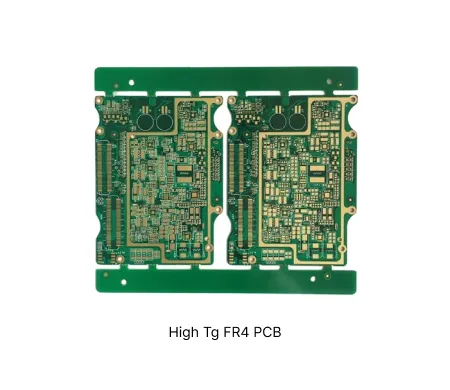
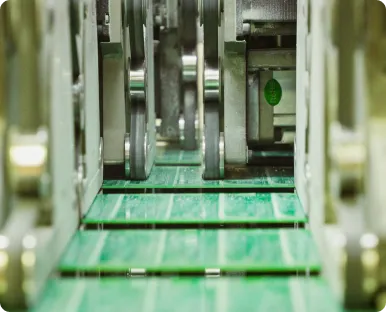
AIVON produces High Tg FR4 PCBs using premium high glass transition temperature materials that deliver excellent thermal stability and reliability in high-temperature environments. With precise lamination control, accurate etching, and reliable via plating, we maintain tight tolerances and superior dimensional stability for consistent performance in demanding applications.
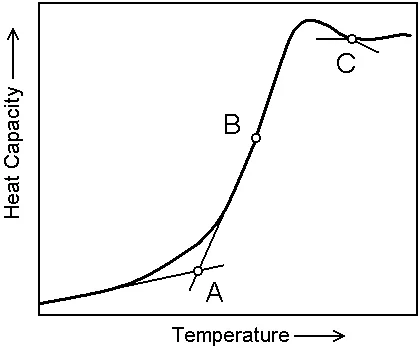
Discover what High Tg FR-4 PCB is, its key benefits over standard FR-4, critical technical specifications (Tg, Td, CTE), and primary applications in automotive, industrial, and high-reliability electronics. Learn when to upgrade.
Read More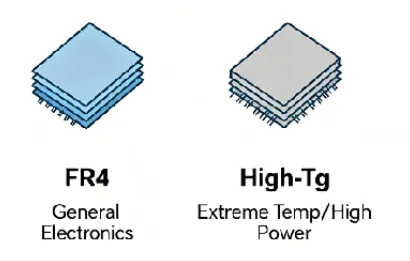
Compare FR4 and high Tg substrates for UL certified PCBs, focusing on thermal stability, flammability ratings, and reliability factors. Essential insights on FR4 UL rating, high Tg material UL certification, and PCB material selection for UL compliance help electric engineers choose wisely for manufacturing success.
Read More